



Antique Style Picture Pair
An antique style picture pair brings symmetry to a room, offering matched wall art that spans centuries of framing traditions and artistic mediums.
Antique Style Picture Pair
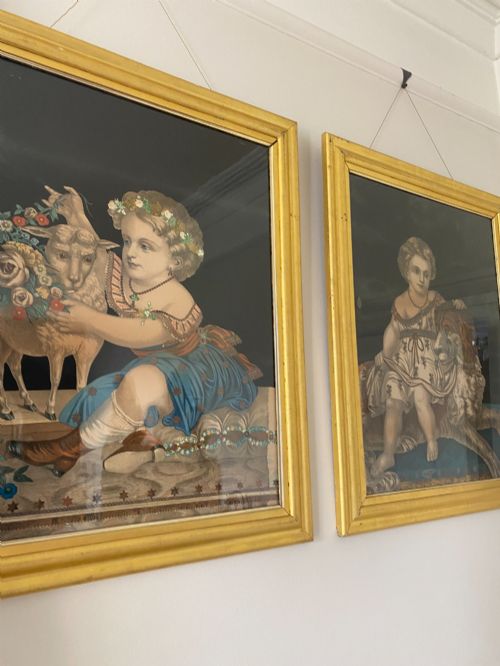
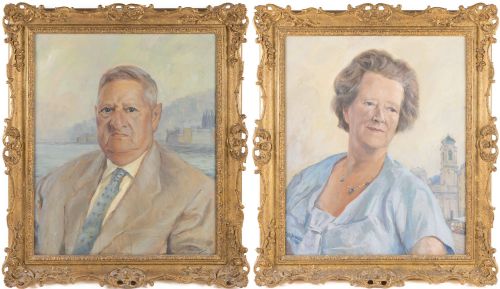
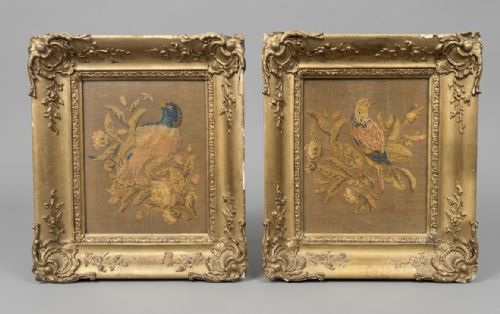
An antique style picture pair comprises two matched decorative items designed to be displayed together on a wall, capturing the essence of historical interior decoration. These pairings incorporate diverse visual forms, ranging from traditional oil paintings and watercolours to framed mirrors, embroideries, and porcelain plaques.
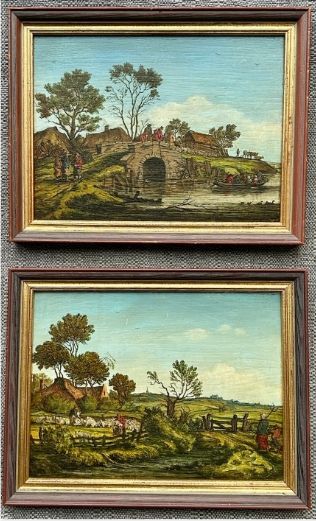
The selections encountered here span multiple centuries, touching upon periods from the eighteenth century through to the mid-twentieth century. Buyers will discover works reflecting specific regional movements, such as Flemish style panels, Dutch forest scenes, and Italian Baroque aesthetics.
Materials and construction methods
The construction of these pieces relies heavily on traditional wood supports, canvas, and heavy gesso over timber frames. Many items utilise intricate gold leaf and giltwood applications to achieve the ornate surface sheen characteristic of historical revival styles.
Makers employed diverse painting and printing techniques, applying oil paint, watercolours, and ink to surfaces like paper, glass, tin, and porcelain plaques. Frames frequently feature carved wooden elements, swept gilt designs, and dome-fronted glass protections.
Antique Style Picture Pair Retail Price Guide 2026
Typical asking prices for style picture pair among the pieces listed under this phrase on Sellingantiques today, from the lower quarter to the upper quarter. They describe what is for sale here now, not the wider market.
Listings feature items from the eighteenth century to the mid-twentieth century, utilising glass, wood, gold leaf, and oil paint.
Indicators of craftsmanship and condition
Quality in these matched sets is dictated by the depth of manual skill evident in both the artwork and the framing. Finer examples display delicate brushwork, precise carving in gesso or wood, and original gilding that has aged with an even, warm patina.
The harmony between the two pieces determines the overall desirability of a pair. Superior sets maintain absolute consistency in scale, palette, and frame execution, whereas lesser examples may show discrepancies in mounting or later alterations.
W Klombeck·Edgar Hunt·Jan Evert Morel·Francois Boucher·H Desprez·Karl Feiertag
The Antique Style Picture Pair Glossary
- Giltwood
- Wood that has been treated with a thin layer of gold leaf or metallic powder. This technique provides a bright, reflective surface popular in ornate historical frames.
- Gesso
- A plaster-like mixture applied to wood surfaces as a base for moulding or gilding. It allows craftsmen to carve intricate relief patterns before applying gold leaf.
- Mezzotint
- A printmaking process where the copper plate is roughened to achieve rich tonal gradations. It creates soft, velvety shadows and subtle highlights.
- Swept frame
- A frame moulding characterised by sweeping, undulating curves and scrollwork. This style gained particular favour during revival periods to add dramatic movement.
Antique Style Picture Pair: Frequently Asked Questions
Are these items strictly from one period?
The inventory encompasses various eras, including eighteenth-century compositions and nineteenth-century interpretations. Many pieces adopt earlier historical styles rather than dating from the primary epoch of that aesthetic.
Reviewing the listed date ranges helps determine the exact chronological origin of each set.
What framing materials are common?
Giltwood, carved gesso, and brass dominate the framing choices across these paired works. These materials provide the decorative weight required to complement the historical artworks they enclose.
Glass elements also appear on select prints and watercolours for added protection.
Can I mix different artistic mediums?
While traditional pairs match oil on canvas or watercolours directly, collectors often combine complementary mediums like embroideries and porcelain plaques. The key is maintaining a consistent aesthetic period or frame style across the display.
Matching colour palettes further unifies disparate materials on the same wall.