
Antique Style Pendant Fixture
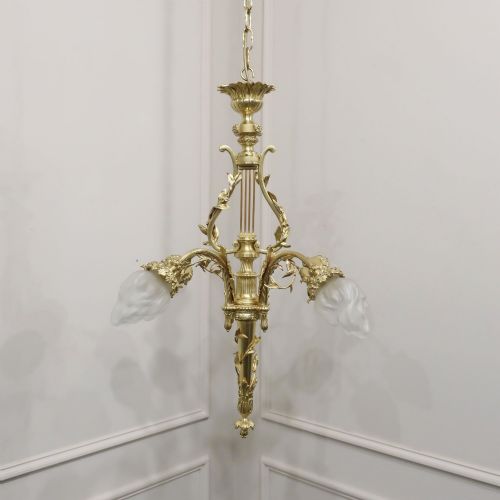
These antique style pendant fixture pieces deliver the grand illumination of French chateaux and Italian palazzos directly into residential rooms.
Antique Style Pendant Fixture
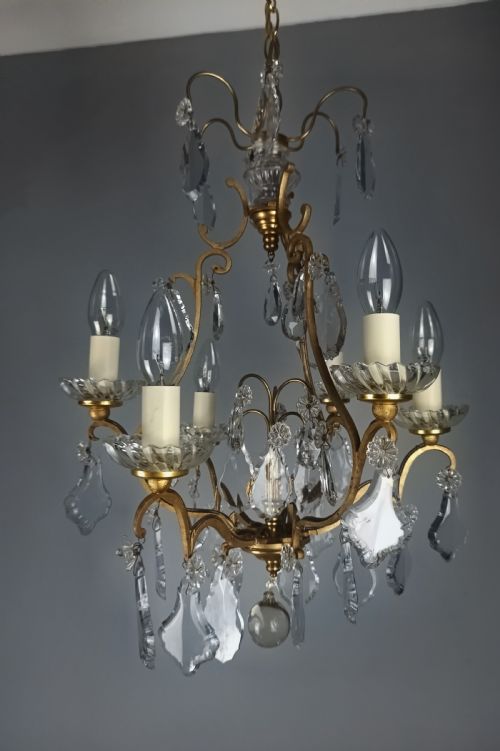
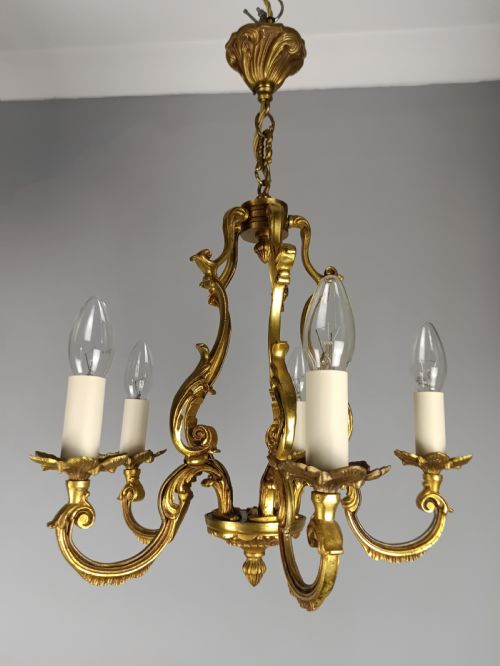
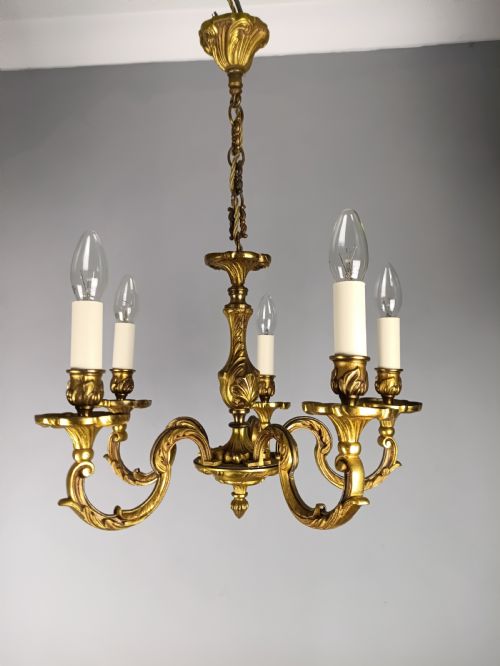
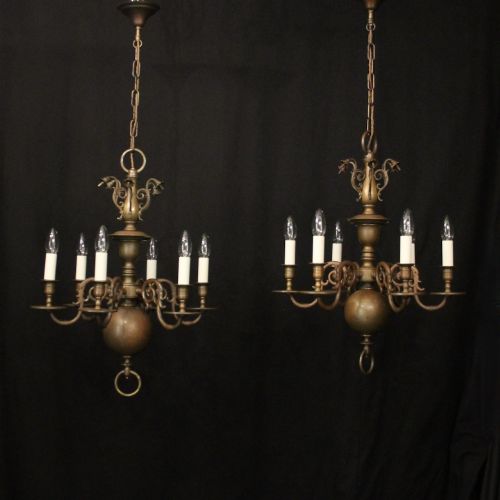
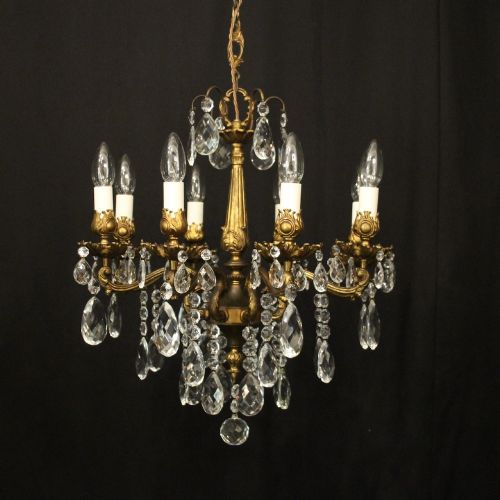
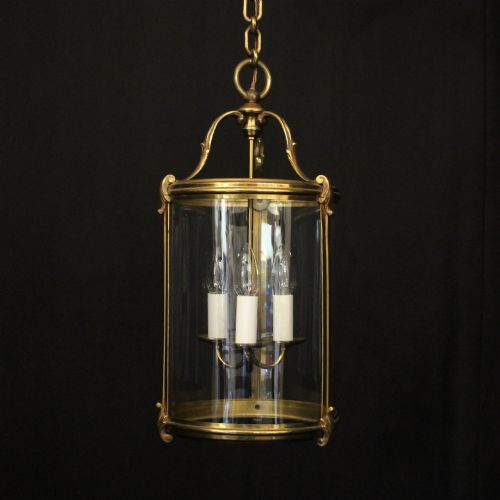
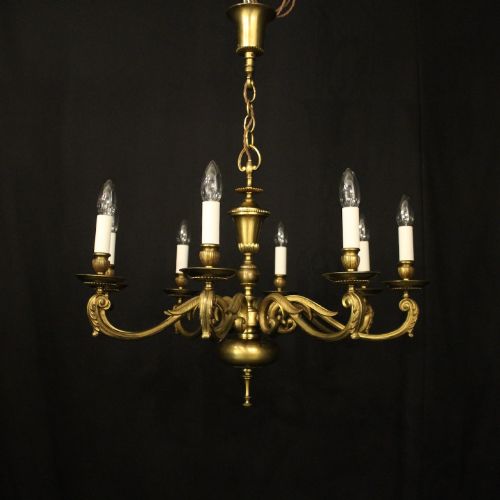
An antique style pendant fixture takes the form of suspended ceiling lighting, ranging from multi-armed chandeliers to hall lanterns and convex lanterns. These pieces originate predominantly from French and Italian workshops across the nineteenth and early twentieth centuries, spanning the Edwardian era down to nineteen thirty.
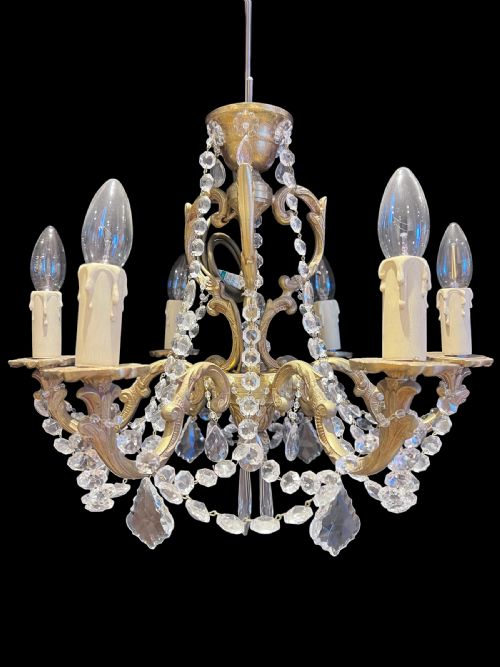
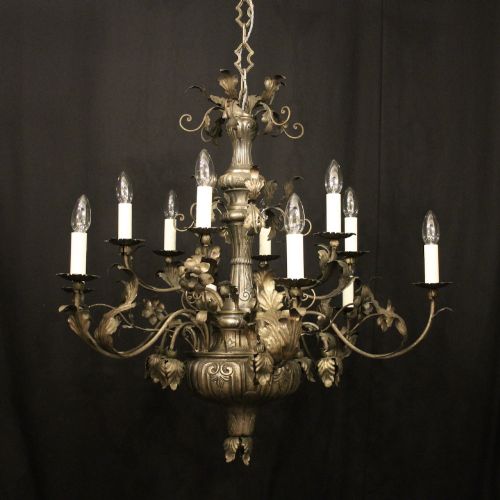
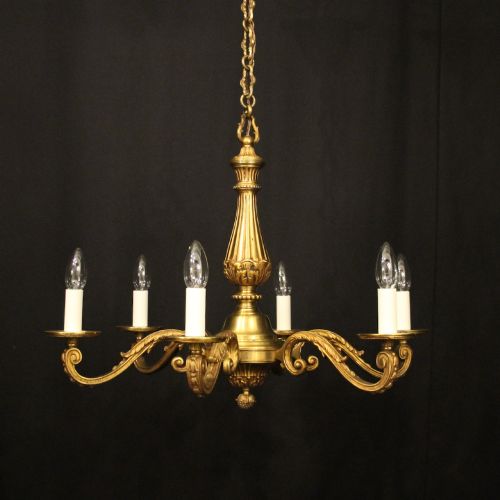
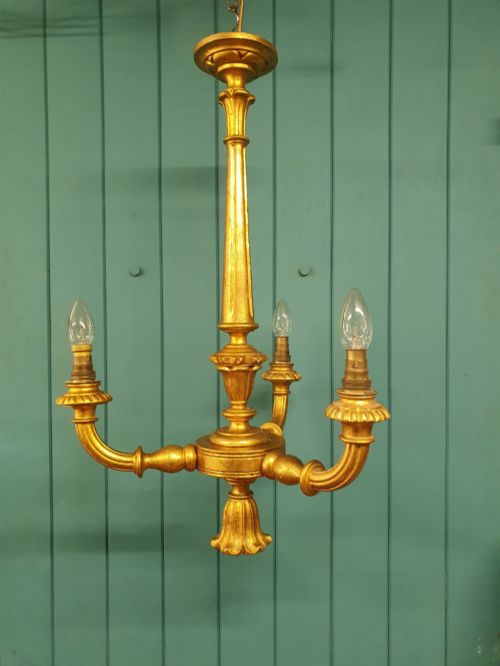
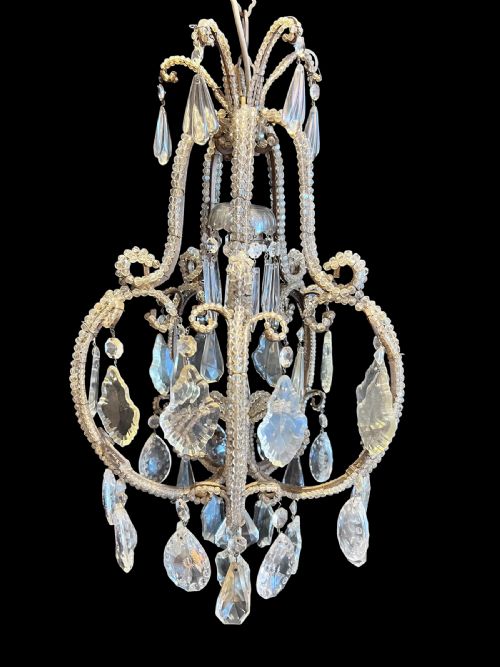
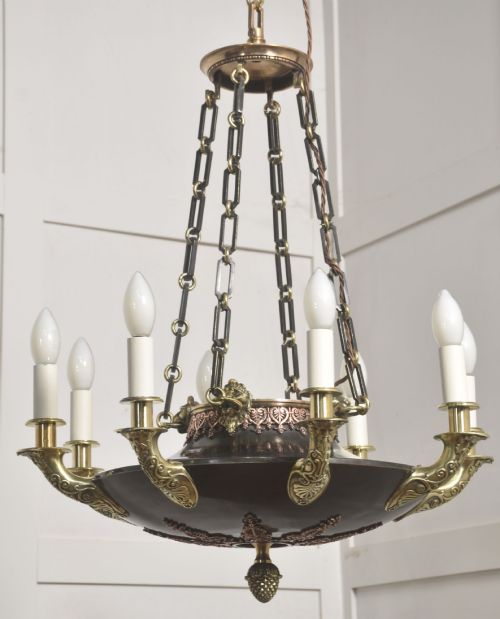
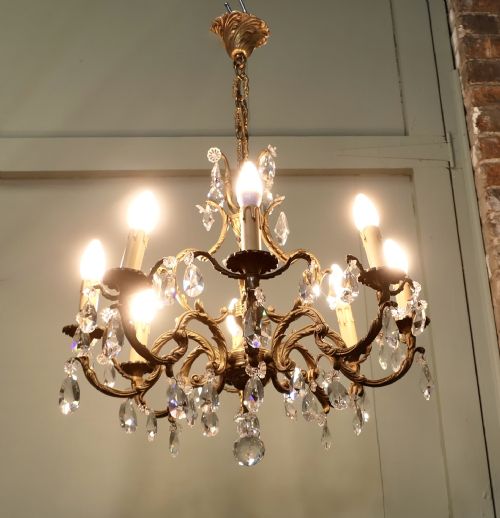
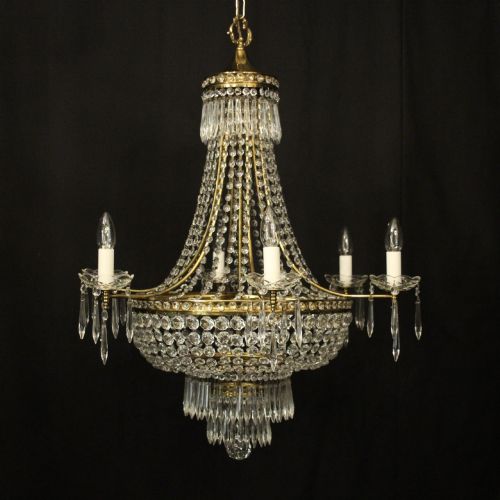
Buyers encounter distinct regional variations, such as French Empire tent and waterfall designs, Florentine gilded multi-light chandeliers, and brass hall lanterns hung with crystal lustres. The selection leans heavily toward elaborate metal frames carrying numerous lamp holders for atmospheric illumination.
Materials and construction
Maker workshops utilised cast and forged metals including brass, bronze, gilt bronze, copper, and gilded brass to form the structural framework and arms of each fixture. These metal elements often received surface gilding or polychrome decoration to achieve rich decorative patinas.
Transparent components such as cut glass, crystal drops, lustres, and beads were manually assembled to refract light across the room. Alabaster and carved giltwood also appear in specific regional examples from the early twentieth century.
Some twenty-five light chandeliers require an intimate relationship with a feather duster and immense patience.
Distinctions in quality
The sophistication of the metal casting and the depth of the gilding set superior pieces apart from standard production. Heavier cast bronze or brass mounts display sharper ornamental detail in scrollwork and neoclassical motifs.
The integration of cut crystal and glass elements dictates overall visual brilliance. High-grade fixtures employ precision-cut crystal lustres that disperse light cleanly compared to simpler pressed glass alternatives.
The Antique Style Pendant Fixture Glossary
- Tent and waterfall
- A chandelier configuration where upper strands of crystal beads form a conical tent shape above a lower cascading display of drops.
- Hall lantern
- An enclosed ceiling pendant designed specifically for corridors and entrance spaces, frequently glazed with glass panels.
- Gilt bronze
- Metalwork coated in a thin layer of gold or gold-coloured alloy, providing a durable and luminous surface finish.
- Crystal lustre
- A cut glass pendant suspended from the arms or crown of a lighting fixture to catch and reflect illumination.
- Empire style
- A neoclassical design aesthetic characterised by symmetrical geometry, classical motifs, and Roman military influences.
Antique Style Pendant Fixture: Frequently Asked Questions
How do I hang a heavy chandelier safely?
Suspension requires securing the fixture directly into ceiling joists or structural timber using rated steel hooks and chains capable of supporting the total weight of the metal and glass.
Professional electrical installation ensures the internal wiring safely handles the combined load of multiple lamp holders.
What rooms suit a hall lantern?
Hall lanterns work effectively in entranceways, corridors, and high-ceilinged stairwells where vertical space allows the pendant drop.
Their enclosed glass panels protect the interior light sources while distributing illumination evenly in confined areas.
How do French and Italian styles differ?
French fixtures frequently utilise gilt bronze frames with precise neoclassical or empire symmetry, often incorporating crystal tents and waterfalls.
Italian designs, particularly from Florence and Genoa, tend to favour polychrome surfaces, carved wooden elements, and organic floral motifs.
What periods do these fixtures represent?
The available lighting spans from the nineteenth century through the Edwardian period and into the nineteen thirties.
Earlier nineteenth-century pieces display robust bronze casting, while nineteen-twenties and thirties examples often embrace lighter art nouveau or revival aesthetics.