

Antique Style Jewellery
Antique style jewellery encompasses pieces drawing inspiration from historic eras, uniting historical forms with precious metals and gemstones.
Antique Style Jewellery
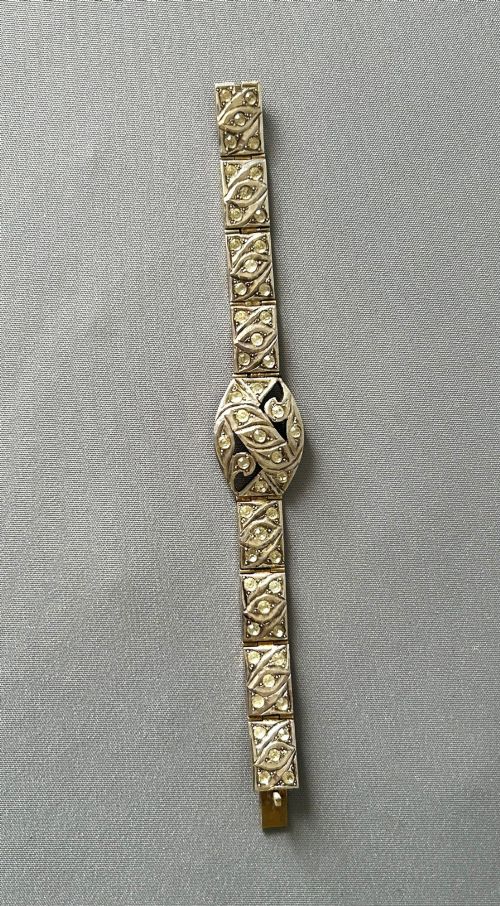
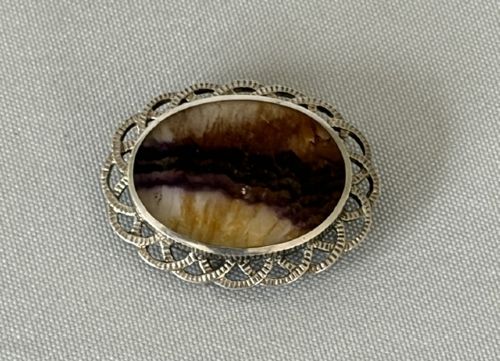
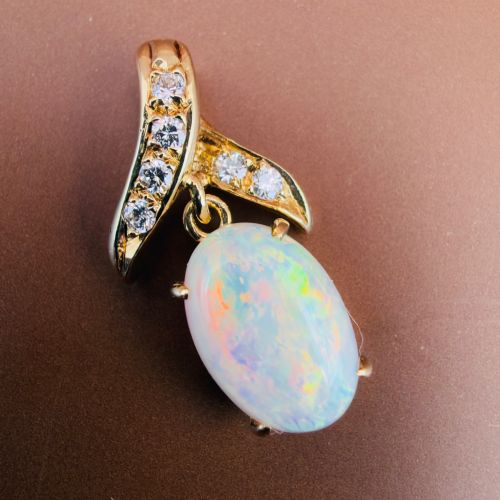
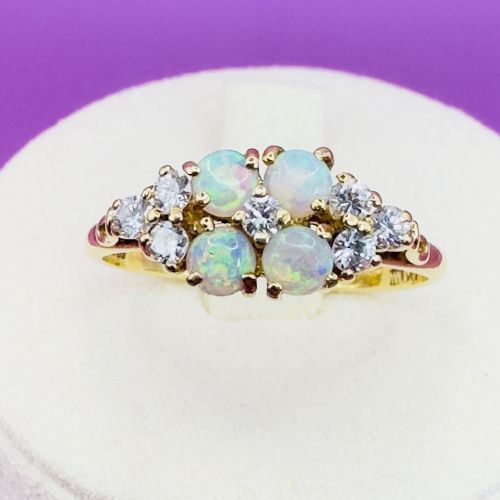
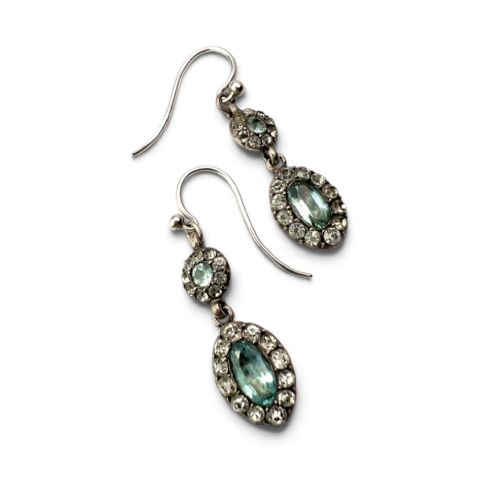
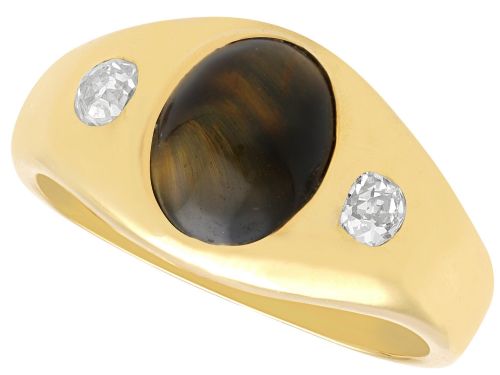
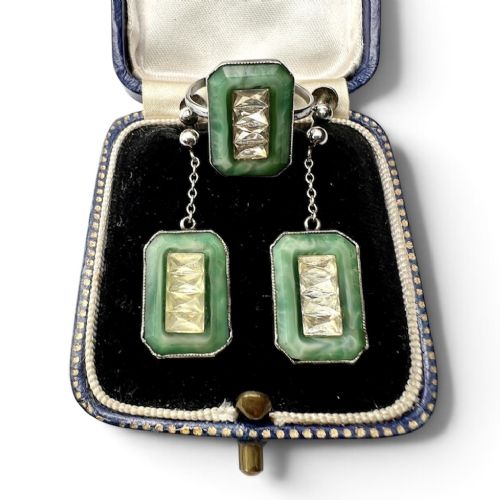
When searching for antique style jewellery, buyers encounter rings, pendants, necklaces, earrings, and brooches spanning the Victorian period through the mid-twentieth century. These items include distinct revivals, such as Victorian Etruscan Revival and Georgian Revival creations, alongside original pieces from the Art Deco and Edwardian eras.
The lineage of these objects extends across decades, capturing shifts in design from nineteenth-century goldwork to mid-century platinum and gemstone combinations.
Materials and construction methods
Goldsmiths and jewellers utilised precious metals including platinum, 18ct white and yellow gold, 14ct gold, and 9ct gold to set diamonds, sapphires, rubies, and pearls. Enamel work and silver gilt also appear across brooches and decorative boxes.
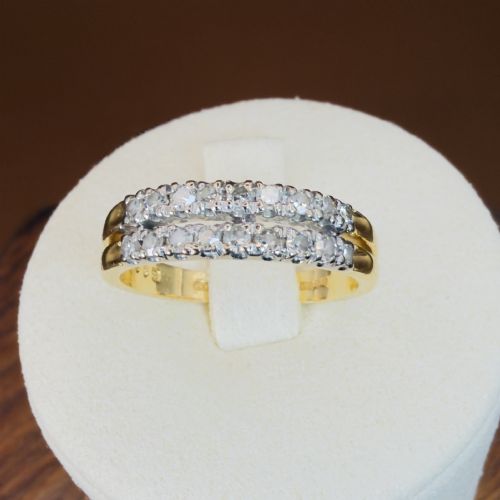
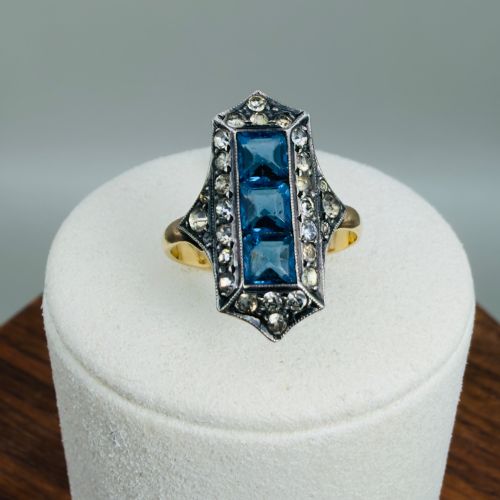
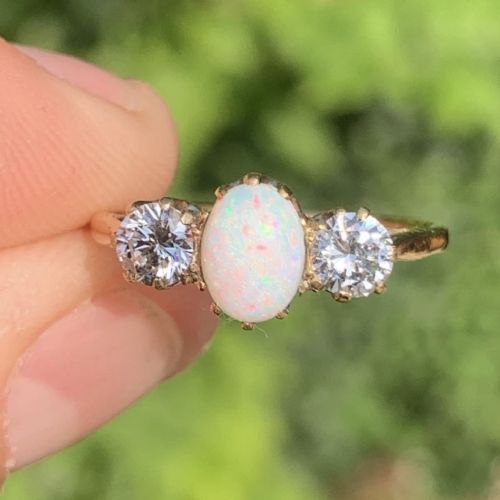
Techniques range from intricate filigree and granulation in revival pieces to precise geometric platinum settings in Art Deco items. Stones are secured using traditional claw, bezel, and flush settings designed to showcase old cut diamonds and natural saltwater pearls.
Antique Style Jewellery Retail Price Guide 2026
Typical asking prices for style jewellery among the pieces listed under this phrase on Sellingantiques today, from the lower quarter to the upper quarter. They describe what is for sale here now, not the wider market.
Surviving butterfly wing brooches capture early twentieth-century whimsy through iridescent insect scales preserved beneath glass.
Distinctions in quality
Quality rests upon the selection and matching of gemstones, such as the clarity of diamonds and the saturation of rubies, sapphires, and amethysts. Superior examples demonstrate rigorous hand-finishing in metalwork and secure stone retention.
The precision of period details, whether imitating Georgian styles or executing Art Deco geometry, defines the artistry of the piece. Preservation of original elements, including clasps, settings, and gold hallmarking, further distinguishes finer specimens.
The Antique Style Jewellery Glossary
- Old cut diamond
- A diamond cut by hand before modern machinery, characterised by a high crown and small table that produce a softer candlelit sparkle.
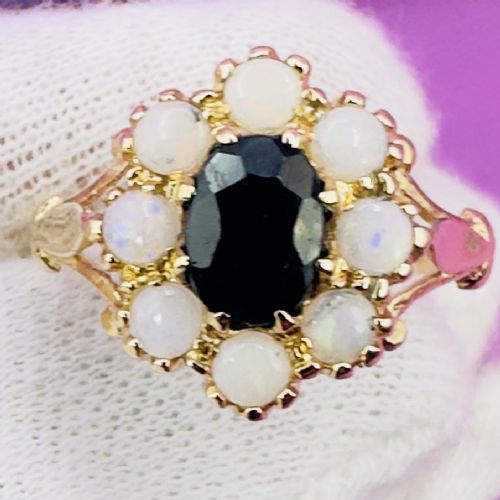
- Cluster ring
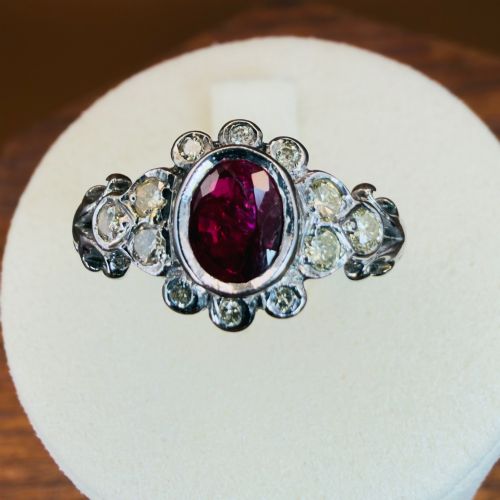
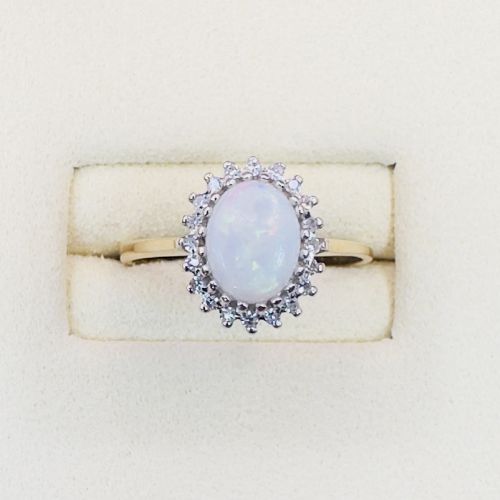
- A ring featuring a central gemstone surrounded by a cluster of smaller stones, typically diamonds.
- Fringe necklace
- A necklace design where pendants or drops hang closely along the lower edge of the chain or collar.
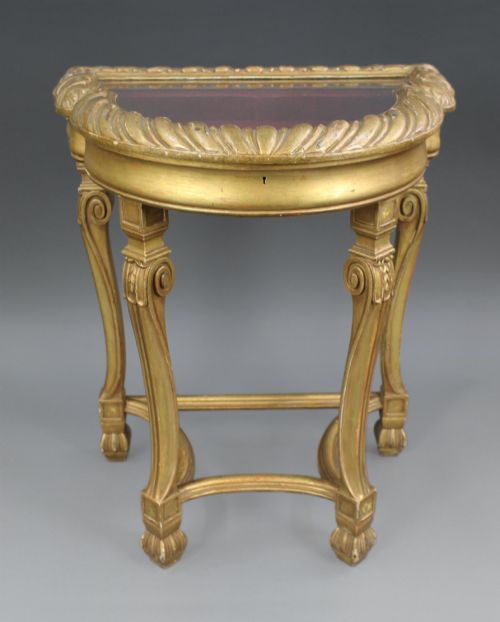
- Bijouterie table
- A glass-topped display table created specifically for housing and showing small valuable items and trinkets.
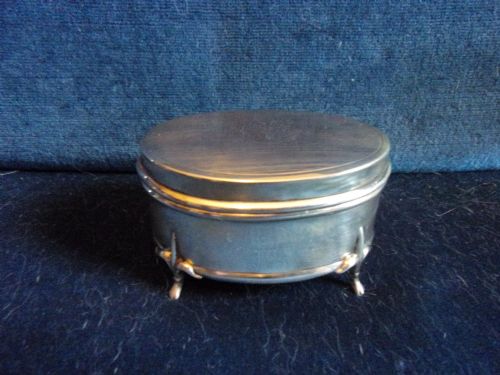
- Trinket box
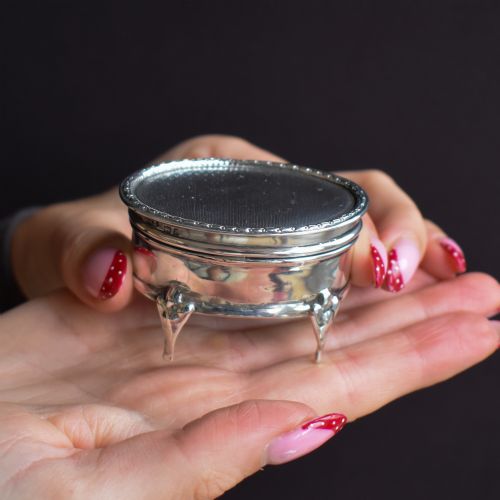
- A small decorative container lined for storing personal jewellery and keepsakes.
Antique Style Jewellery: Frequently Asked Questions
What periods do these pieces represent?
The collection spans multiple historic eras, incorporating Victorian, Edwardian, and Art Deco designs alongside mid-century creations.
Revival styles from the nineteenth and twentieth centuries also feature prominently among the selections.
How do I care for antique style jewellery?
Gentle cleaning with a soft cloth helps maintain precious metals and gemstones without causing damage to delicate settings.
Professional inspection ensures prongs and clasps remain secure during regular wear.
What materials are most common?
Platinum and various grades of gold, including 9ct, 14ct, and 18ct white and yellow gold, form the structural basis of these pieces.
Gemstones such as diamonds, rubies, sapphires, amethysts, and pearls are frequently integrated into the designs.
Are storage boxes considered part of the jewellery?
Trinket boxes and bijouterie tables serve as contemporary receptacles designed to store and display precious ornaments.
These pieces reflect the decorative arts and cabinet-making skills of their respective periods.