
Antique Style Gilt Artwork
Antique style gilt artwork brings historic character into a room through rich frames and traditional painting techniques.
Antique Style Gilt Artwork
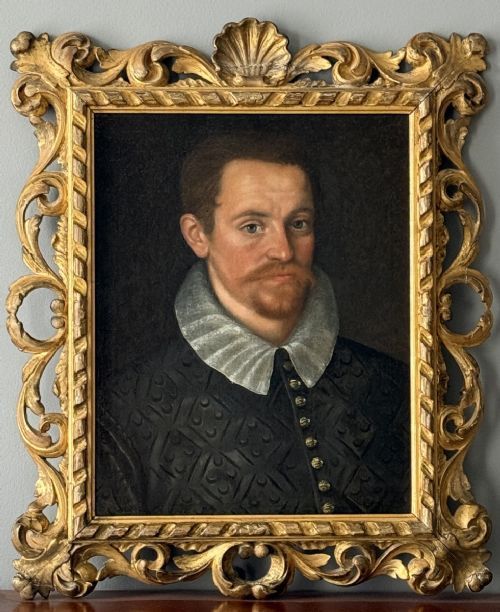
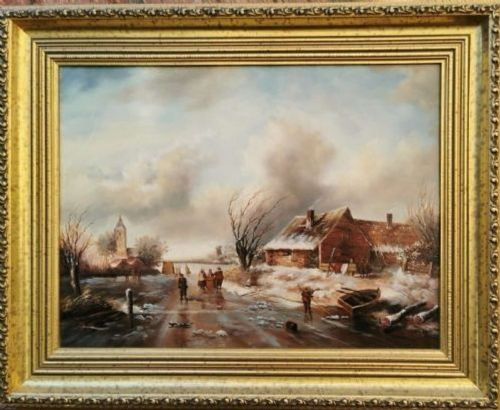
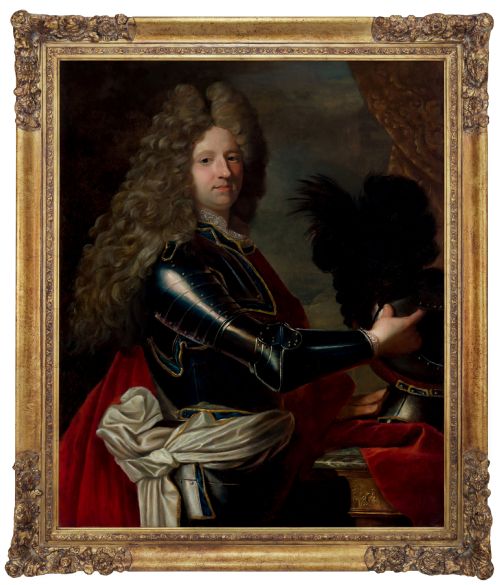
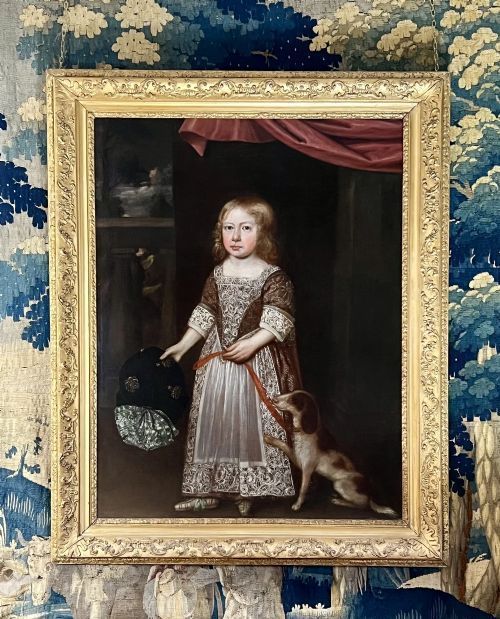
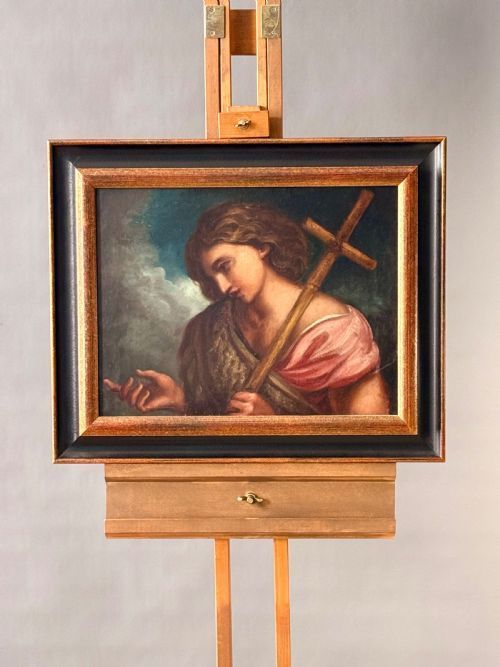
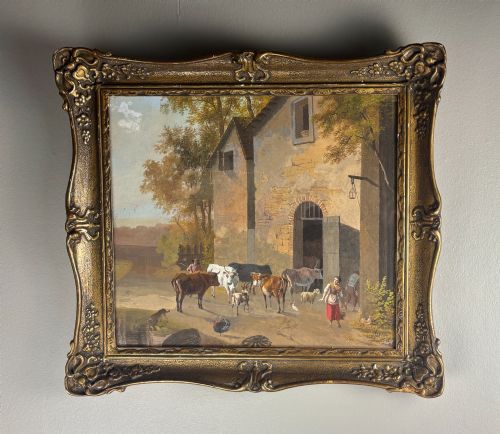
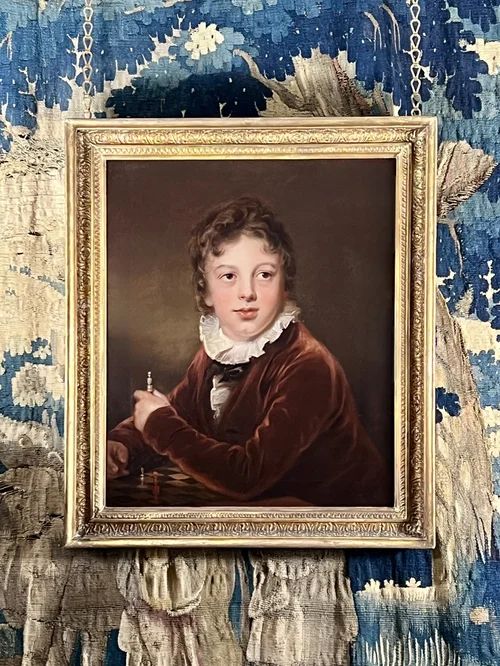
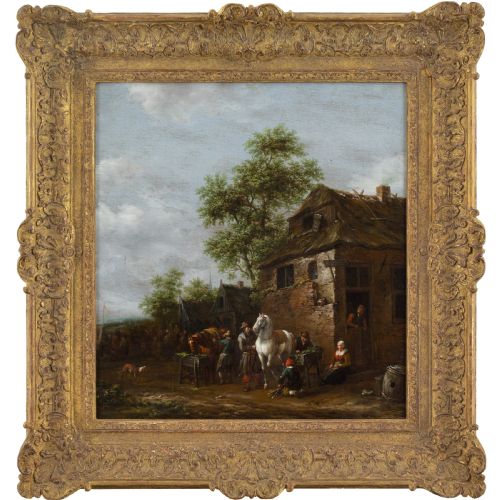
When you search for antique style gilt artwork, you encounter oil paintings, watercolours, and framed prints produced across several centuries. The selection spans 17th-century portraits, 18th-century classical scenes, and Victorian works alongside later revival pieces.
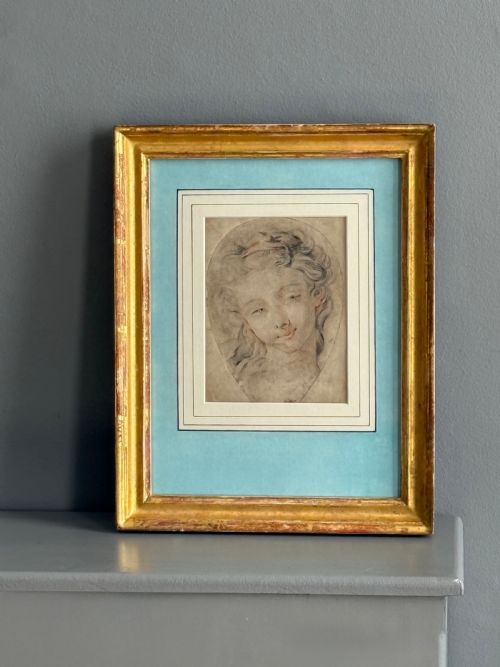
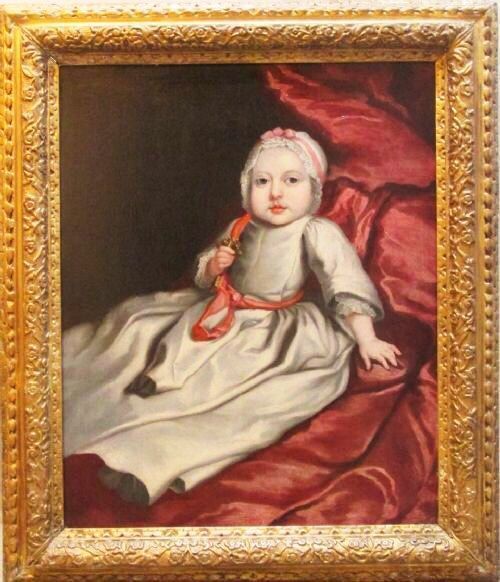
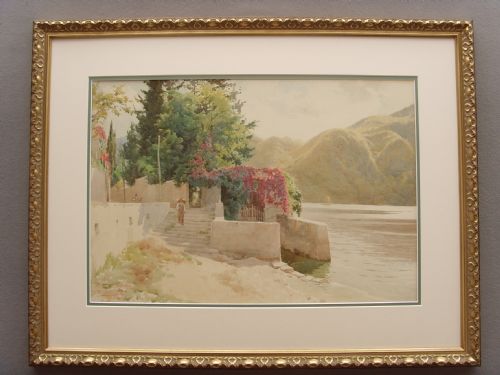
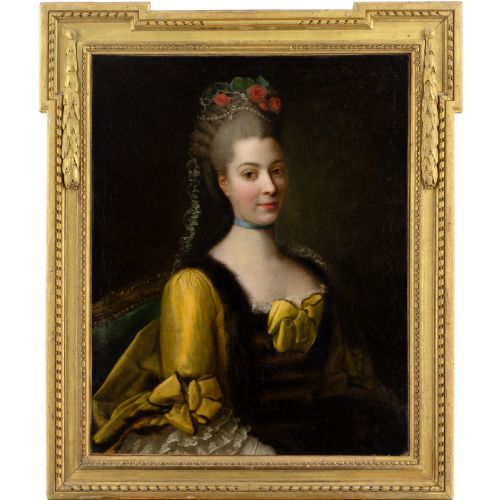
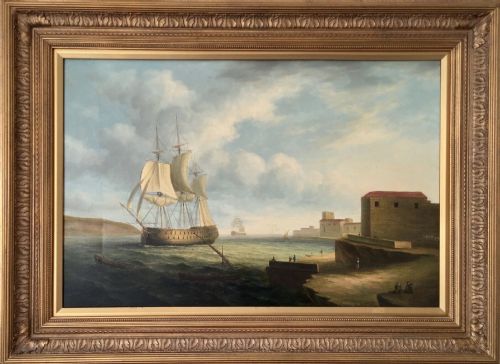
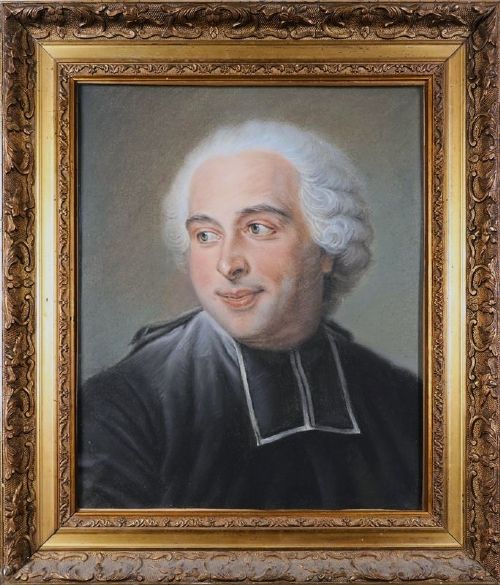
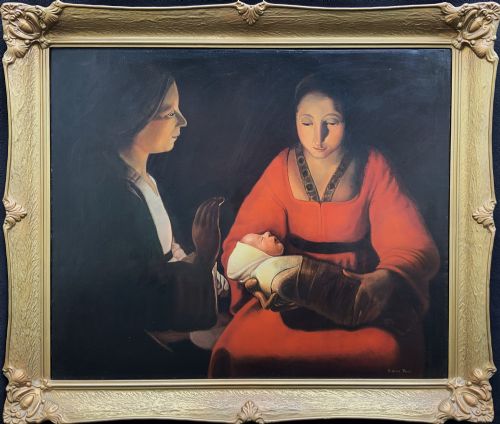
Most items you meet on this page feature oil on canvas or oil on board, housed within elaborate wood and giltwood frames. Subjects range from romantic landscapes and Dutch-style still lifes to Grand Tour views and religious icons.
Materials and construction methods
Makers built these pieces using traditional painting supports including woven canvas, wooden panels, and paper. Artists applied oil paints, watercolours, tempera, and pastel to create depth and texture within each portrait or landscape.
Frames utilise carved wood finished with gold leaf or giltwood to produce a metallic sheen. These ornate surrounds complement the classical and revival aesthetics of the artwork contained within them.
Listings feature works spanning from the 17th century through to mid-20th-century revivals.
Distinctions in quality and execution
The standard of fine art depends heavily upon the skill of the brushwork and the anatomical accuracy within portraits and figurative scenes. Superior pieces demonstrate confident handling of light, shade, and composition reminiscent of established schools.
Frame craftsmanship also dictates overall merit, where deeply carved wooden mouldings and well-applied gold leaf elevate the visual impact. The harmony between the artwork and its specific frame determines the cohesion of the finished piece.
Richard Sebastian Bond·Georges de La Tour·Sir Peter Lely·Francois Boucher·Sir Joshua Reynolds·Johannes Lingelbach·Henry Barraud
The Antique Style Gilt Artwork Glossary
- Giltwood
- Wood that has been coated with gold leaf or a gold-coloured finish. This material is frequently utilised for ornate antique frames.
- Oil on Canvas
- A painting technique where pigmented oil is applied to stretched woven fabric. This method allows for rich blending of colours and long-lasting durability.
- Grand Tour
- A cultural journey undertaken by wealthy young Europeans to study classical art and antiquities. Paintings from this tradition often depict Italian landscapes and architecture.
- Renaissance Revival
- An artistic movement drawing inspiration from the art and architecture of the 15th and 16th centuries. Works in this style often echo classical religious or mythological themes.
- Tempera
- A permanent, fast-drying painting medium consisting of coloured pigment mixed with a water-soluble binder. It produces a matte finish well suited to early icon painting.
Antique Style Gilt Artwork: Frequently Asked Questions
How do I identify the period of gilt artwork?
Dating relies on examining the stretcher frames, canvas preparation, and the stylistic conventions of the brushwork. Secondary clues include the carpentry methods used on the wooden backing.
Comparing the subject matter against known historical portraits or landscape schools helps narrow down the decade of creation.
What is the difference between oil and tempera?
Oil paint utilises a slow-drying oil binder that permits smooth colour blending and rich texture over time. Tempera uses an emulsion binder to dry rapidly into a flat, matte surface.
Both materials appear across different centuries depending on the regional tradition of the artist.
How should I hang heavy gilt framed art?
Heavy frames require sturdy wall anchors and fixings rated to bear substantial weight safely. Securing the piece directly into wall studs prevents shifting or falling.
Positioning the artwork away from direct sunlight protects both the paint surface and the delicate gold leaf finish.
Are these paintings original or copies?
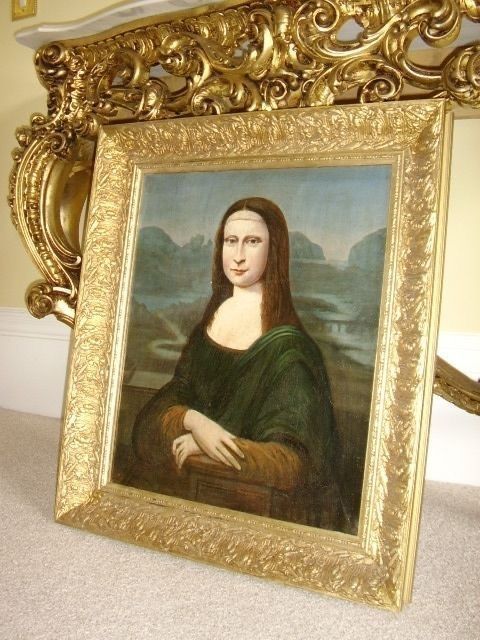
The selection includes period original compositions alongside historic studies and copies after master artists. Many historical pieces were painted in the manner or circle of prominent painters.
Examing the pigment ageing and canvas texture provides insight into the exact age of the piece.