






Antique Style Charger
When you search for an antique style charger, you encounter large decorative plates carrying revival designs and far-flung decorative traditions.
Antique Style Charger
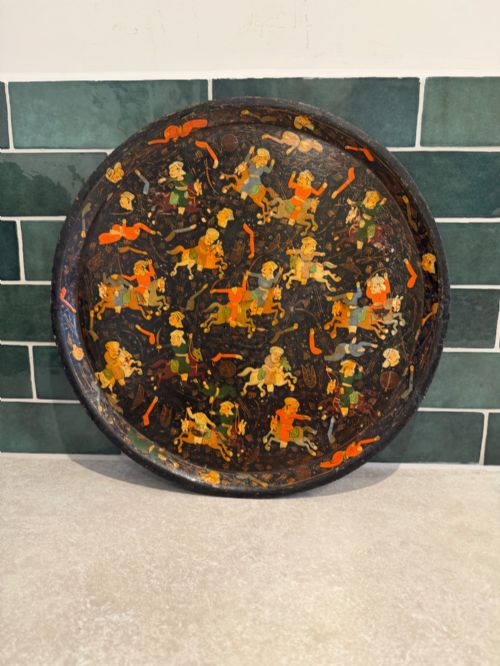
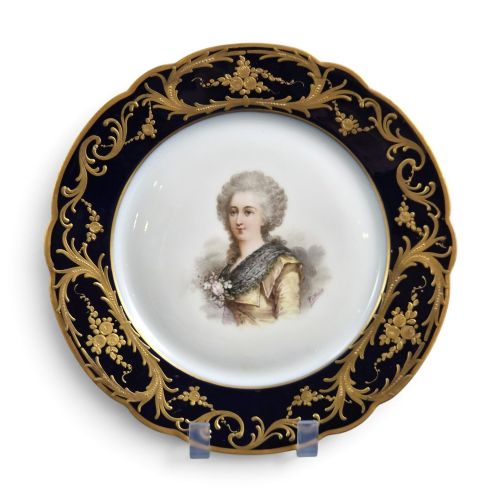
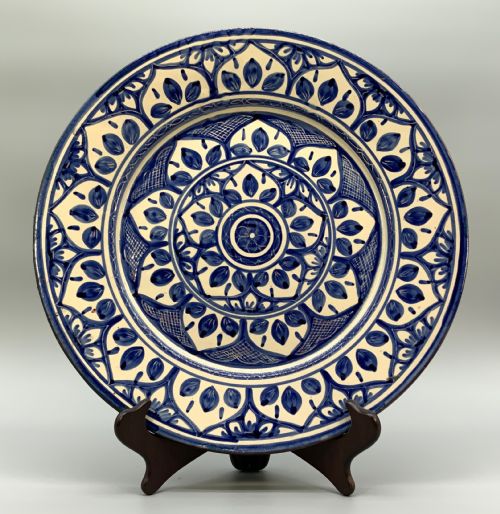
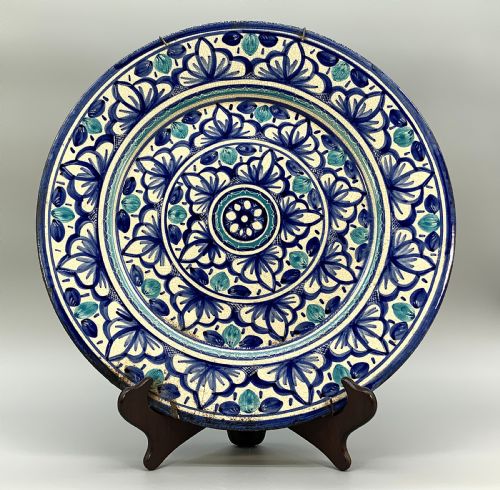
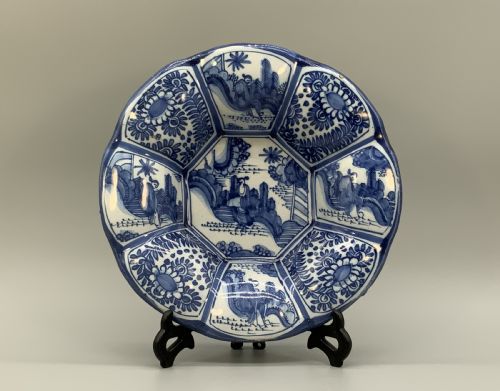
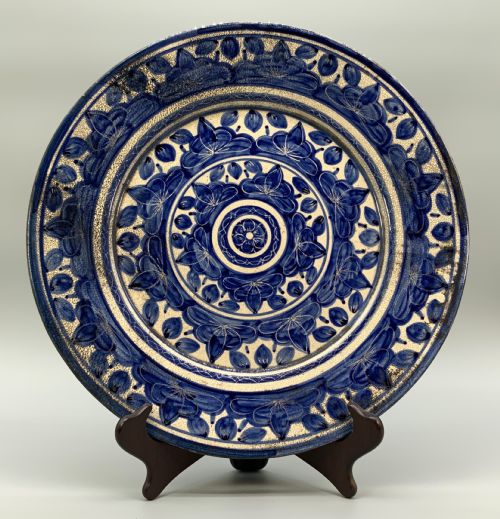
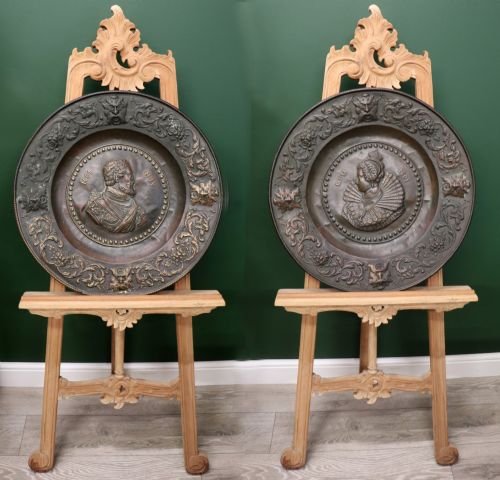
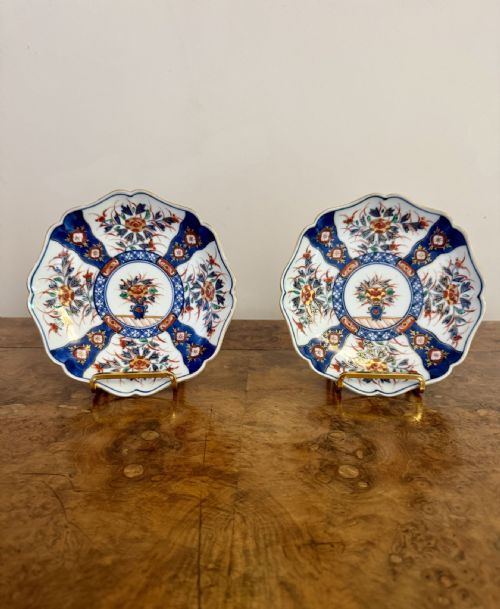
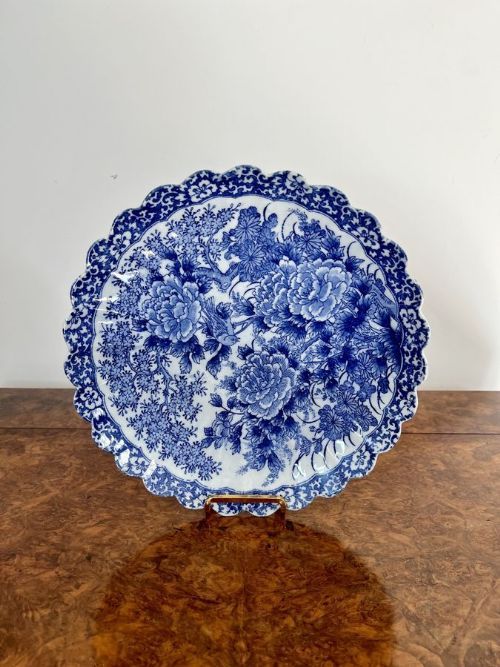
An antique style charger is a wide decorative plate or platter intended for display on walls, cabinets or sideboards rather than for everyday dining. Buyers seeking this phrase meet a broad selection dominated by Japanese Imari porcelain, Chinese export ceramics and European earthenware inspired by Renaissance, Moorish and 17th-century styles.
The objects span periods from the seventeenth century through to the mid-twentieth century, with the nineteenth century heavily represented alongside pieces dated around 1900. Forms range from circular chargers and scalloped plates to oval platters and heavy wall plaques.
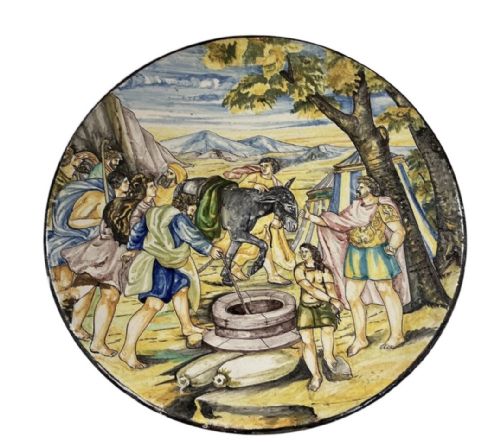
Continental Delft faience and Italian maiolica sit alongside Japanese Arita and Kutani works, offering varied interpretations of historic ornamentation. These pieces bring substantial visual weight and traditional craft techniques into modern interior settings.
How they were made
Makers utilised ceramic bodies formed from porcelain, earthenware and ironstone, finished with tin-glaze, enamel and cobalt pigment. Surface decoration often incorporates hand-painting under or over the glaze, supplemented in some examples by gold leaf.
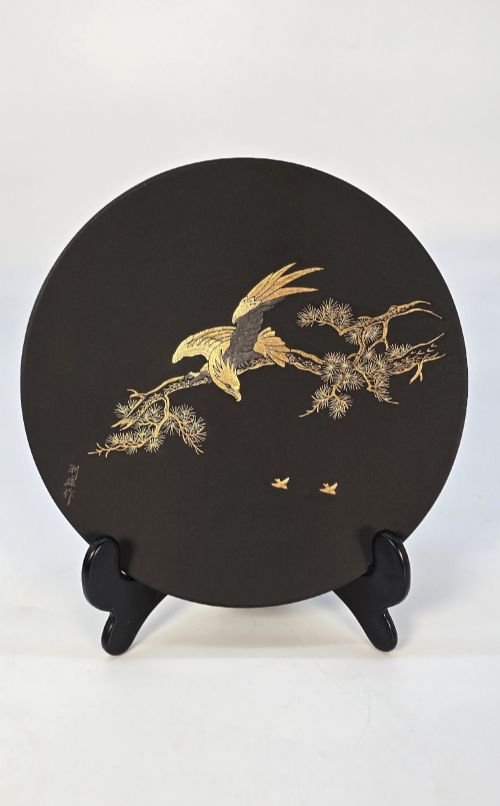
Metal versions employ patinated iron, copper, brass and mixed-metal inlays featuring gold and silver details. Lacquer and specialised firing techniques complete the range of production methods recorded across the inventory.
Antique Style Charger Retail Price Guide 2026
Typical asking prices for style charger among the pieces listed under this phrase on Sellingantiques today, from the lower quarter to the upper quarter. They describe what is for sale here now, not the wider market.
Listings feature porcelain, earthenware, ironstone and patinated iron alongside tin-glaze, enamel and gold leaf.
What varies in quality
Quality depends upon the crispness of the hand-painted brushwork, the depth and brilliance of the cobalt pigment or enamel colours, and the ambition of the pictorial scene. Works depicting intricate historical narratives or detailed portraits demonstrate superior workshop execution.
The physical weight of the ceramic body, the regularity of the glaze and the precision of metal inlay work separate standard decorative items from exceptional examples.
John Davenport of Longport·C.J. Mason·Samson Paris
The Antique Style Charger Glossary
- Imari
- A style of Japanese porcelain featuring characteristic blue and iron-red designs, often accented with gold. It originates from the town of Arita and became widely imitated in Europe.
- Maiolica
- Tin-glazed earthenware produced in Italy, known for colourful painted decoration. Renaissance examples frequently illustrate classical or historical scenes.
- Kraak
- A type of Chinese export porcelain characterised by panelled decoration filled with floral and symbolic motifs. It was exported widely to Europe during the seventeenth century.
- Faience
- European tin-glazed earthenware decorated with opaque coloured glazes. It developed as a regional response to imported Chinese and Islamic ceramics.
- Charger
- A large decorative plate traditionally used for display or as a base for smaller dinner service plates. These items often feature prominent central motifs and broad borders.
Antique Style Charger: Frequently Asked Questions
How do I hang a heavy charger safely?
Large chargers and wall plaques require robust wall fixings and specialised spring-loaded plate hangers designed to distribute weight evenly across the rim. Ensure the wire or bracket engages securely with the wall structure.
Position the display away from busy walkways where accidental bumps might dislodge the piece. Inspect the hanger periodically to maintain security.
Can I use these chargers for serving food?
Most antique chargers are intended purely for decorative display rather than culinary use. Historic glazes and metal inlays may contain materials unsuitable for contact with food.
Examine the surface for wear or historic repairs that preclude practical utility. Enjoy them as wall art or sideboard centerpieces instead.
How do I clean antique ceramic chargers?
Dust the surface gently with a soft, dry cloth to remove everyday particles. Avoid harsh chemical cleaners, abrasive sponges or total immersion in water, which can damage old glazes and pigments.
If deeper cleaning is necessary, consult a professional conservator to protect delicate enamel and gold leaf details.
How do I distinguish Japanese Imari from European copies?
Examine the paste, weight and characteristics of the foot ring beneath the plate. Japanese porcelain from Arita often displays specific potting traits and iron spots within the body.
European factories like those in England produced Imari pattern ironstone plates that mimic the Japanese palette using heavier ceramic bodies and distinct transfer-printed outlines.