
Antique Style Ceiling Fitting
An antique style ceiling fitting brings traditional illumination to a room, offering distinct period character through classic metalwork and crystal drops.
Antique Style Ceiling Fitting
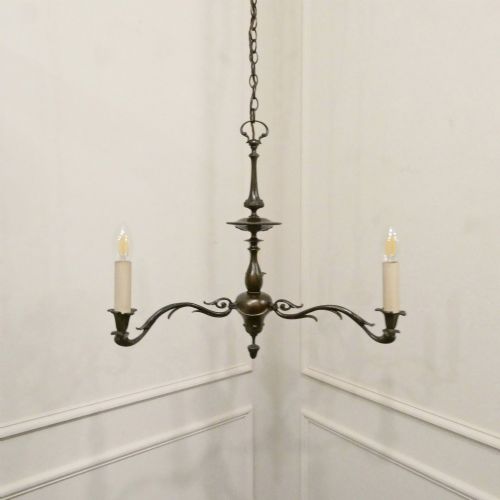
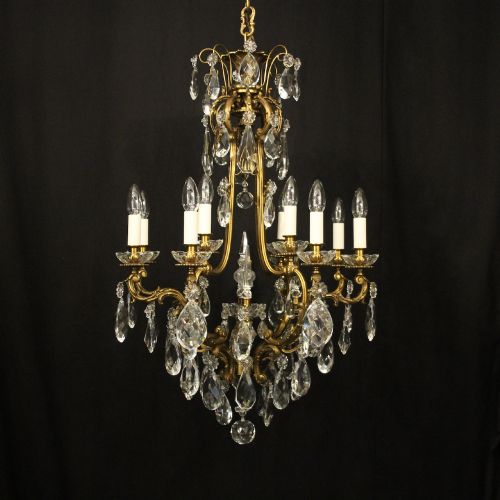
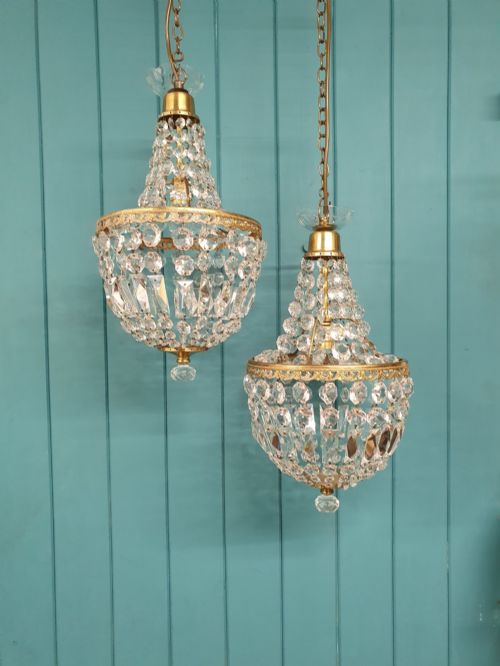
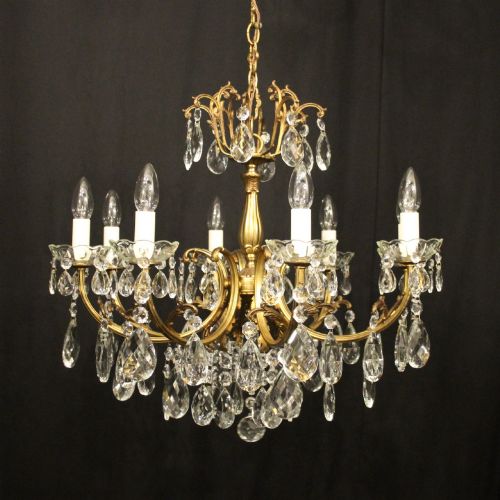
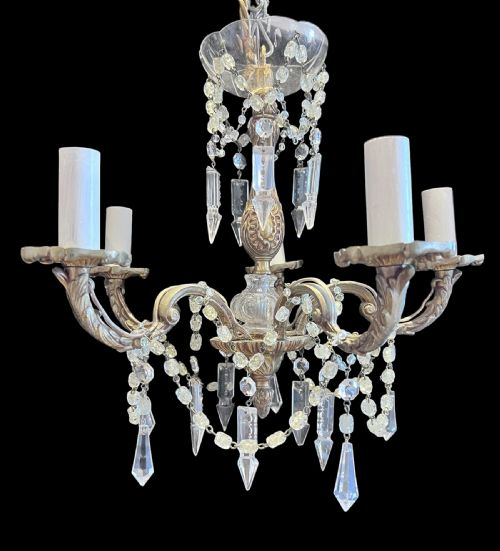
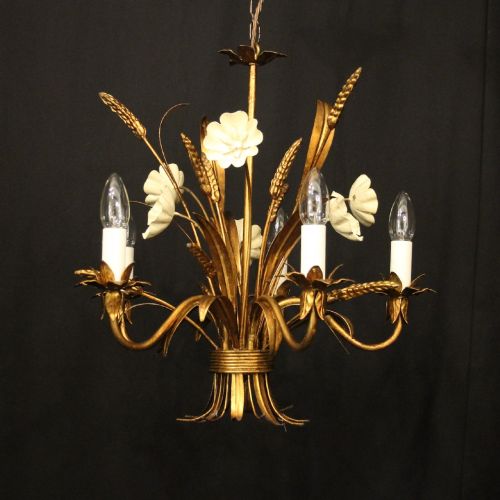
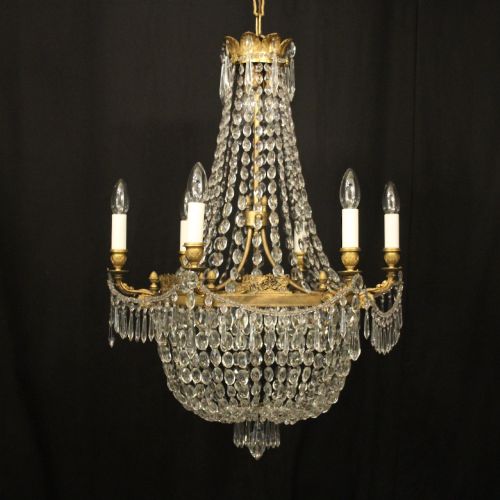
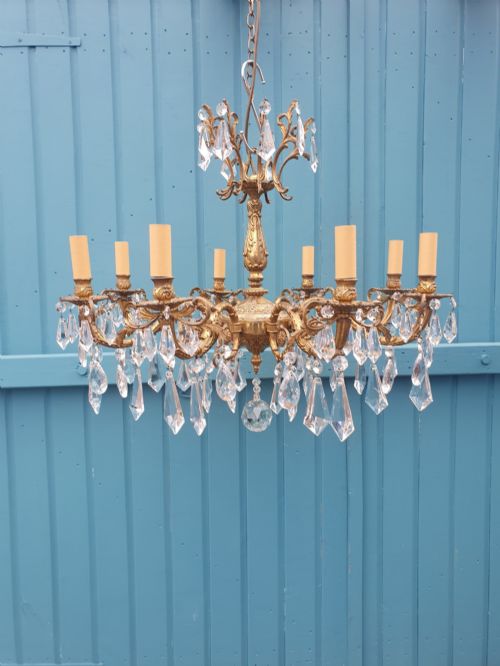
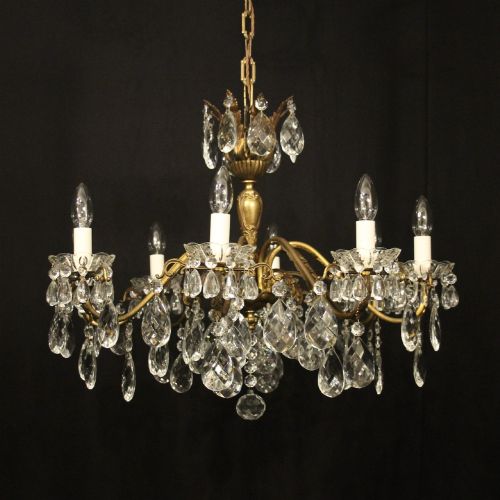
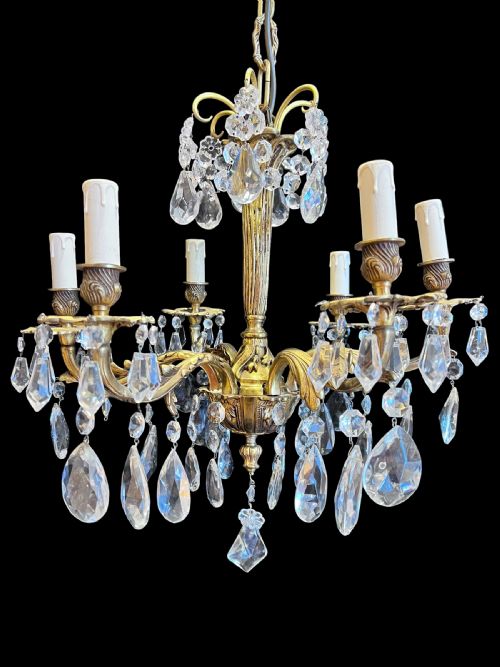
When you search for an antique style ceiling fitting, you encounter a selection of hanging light fixtures spanning the nineteenth century up to the nineteen-thirties. The options include multi-arm chandeliers, hall lanterns, and pendant lights originating from French, English, and Italian workshops.
How they were made
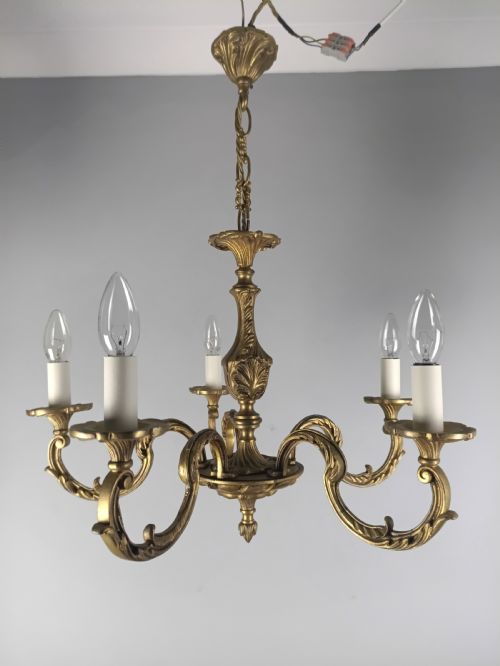
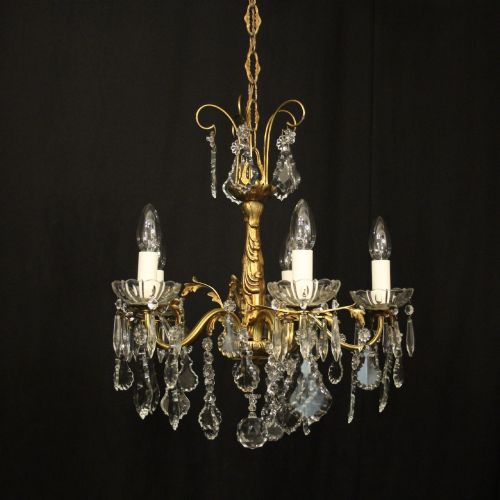
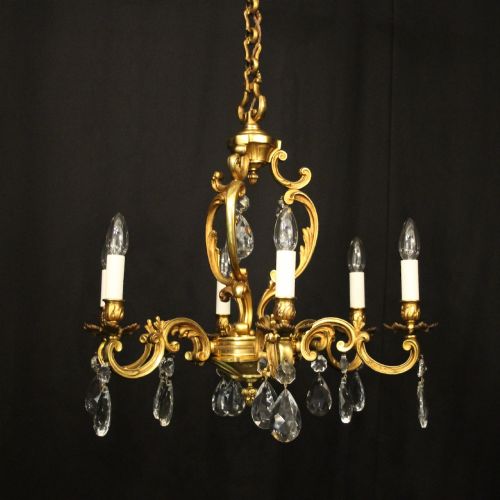
Maker workshops utilised cast brass, bronze, and gilt bronze to form the structural frames and arms of these ceiling lights. Metal components were often gilded or finished with dark bronze patination before being fitted with hand-cut crystal drops and beads.
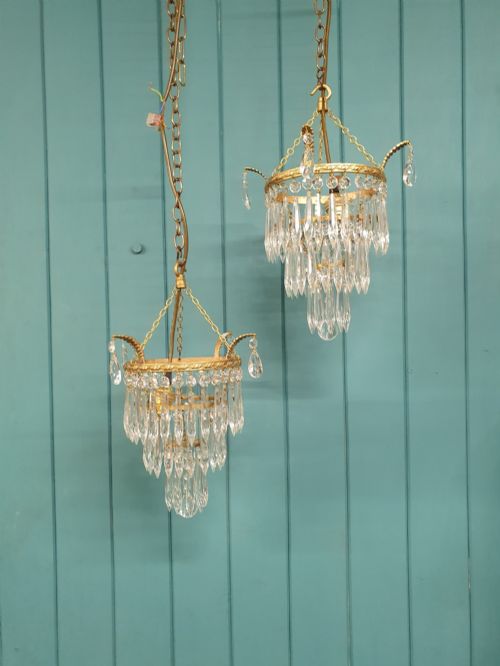
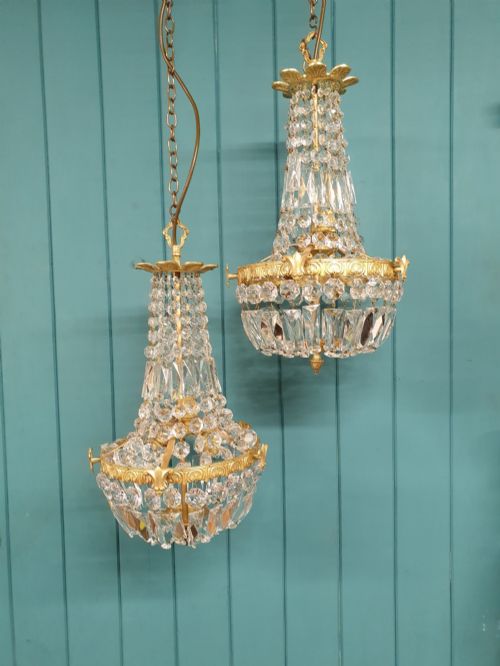
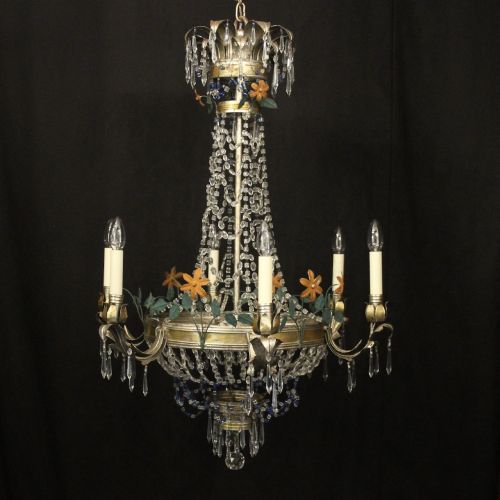
Makers constructed complex multi-tier frames using brass and copper, incorporating carved giltwood and gesso details on specific nineteenth-century pieces. Crystal elements were suspended from metal frameworks using wire links to create tent and waterfall configurations.
Some nineteenth-century makers evidently decided that twenty-five lights on a single chandelier was a sensible baseline for reading a book.
What varies in quality
The standard of a ceiling fitting depends on the precision of the metal casting and the clarity of the cut glass components. Heavier cast brass frames and deeply chased gilt bronze demonstrate greater workshop skill than simpler pressed metal alternatives.
Superior examples display balanced proportions across multiple light branches and retain original fire gilding or untouched patination on the bronze surfaces. The integration of high-purity crystal drops that catch and refract light effectively distinguishes finer pieces.
G.E.C
The Antique Style Ceiling Fitting Glossary
- Tent and waterfall chandelier
- A fixture style featuring an upper canopy of strings of beads forming a tent shape above a wider cascading tier of crystal drops.
- Gilt bronze
- Bronze metal treated with a thin layer of gold or gold-coloured alloy to produce a bright metallic finish.
- Hall lantern
- An enclosed ceiling-hung light fixture designed primarily for corridors, vestibules, and entrance spaces.
- Spike chandelier
- A vertical hanging light design characterised by a central spindle or spike surrounded by radiating light arms.
- Gesso
- A plaster-based material applied to wooden frames like carved giltwood to provide a smooth surface for gilding.
Antique Style Ceiling Fitting: Frequently Asked Questions
What is an antique style ceiling fitting?
It is an overhead light fixture designed in historical periods such as the Edwardian era or nineteenth century. These pieces use traditional materials like brass, bronze, and crystal to illuminate interior spaces.
Such fittings range from simple single-bulb hall lanterns to large multi-arm chandeliers featuring French Empire or Rococo styling.
Where were these ceiling lights used?
Historically, these light fittings hung in principal rooms, reception halls, and stairwells of large residences. Hall lanterns placed illumination directly into narrow entrance spaces.
Multi-arm chandeliers provided ambient lighting for dining rooms and drawing rooms where guests gathered.
How do I identify the period?
Dating relies on observing the combination of materials, construction methods, and stylistic motifs present in the metalwork. Pieces from the nineteenth century often show heavy cast bronze or carved giltwood, while later items incorporate Edwardian brass or nineteen-thirties Art Deco lines.
Examining the fixings and the cut of the crystal drops also helps distinguish earlier examples from twentieth-century reproductions.
How do I live with one?
Living with these ceiling fixtures involves integrating traditional illumination methods into modern domestic electrical systems. Maintenance requires careful cleaning of delicate crystal elements and metal frames using appropriate conservation techniques.
Consider the scale of the room and the ceiling height when selecting a multi-arm chandelier or hanging lantern to ensure correct visual balance.