

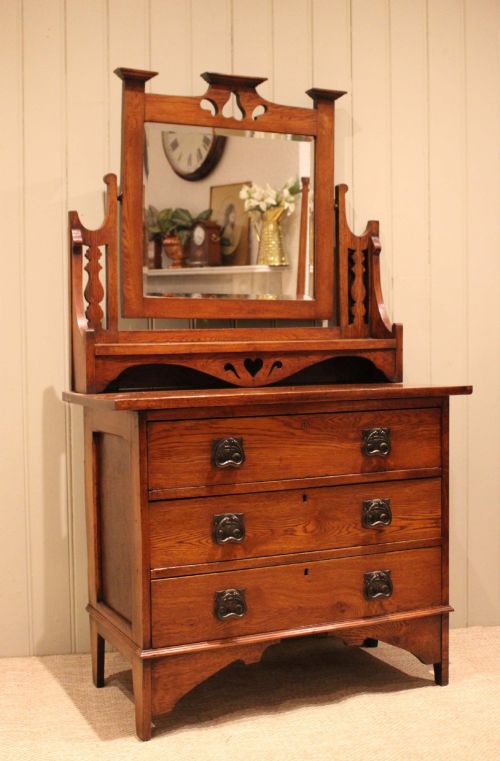
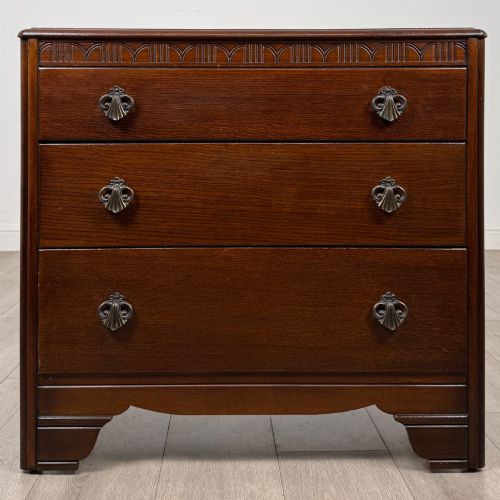
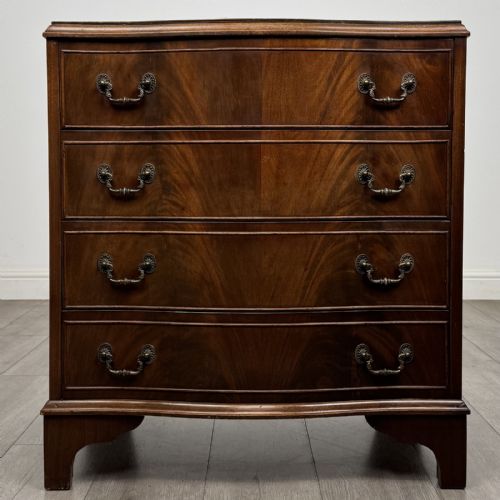
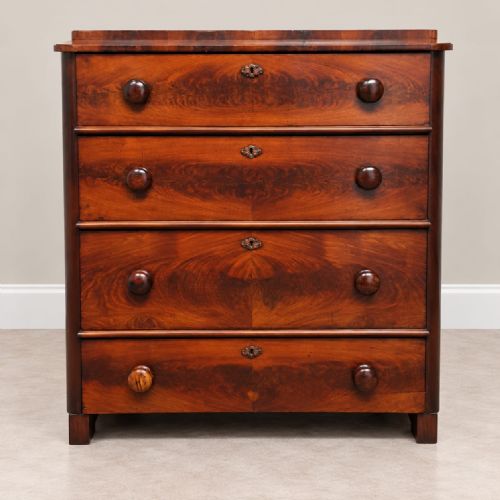
Antique Style Bedroom Bureau
An antique style bedroom bureau provides traditional storage and writing space, anchoring a room with period character and practical depth.
Antique Style Bedroom Bureau
An antique style bedroom bureau brings traditional storage and writing utility to domestic spaces. Buyers search this phrase when seeking classic forms that organise a room while adding period presence.
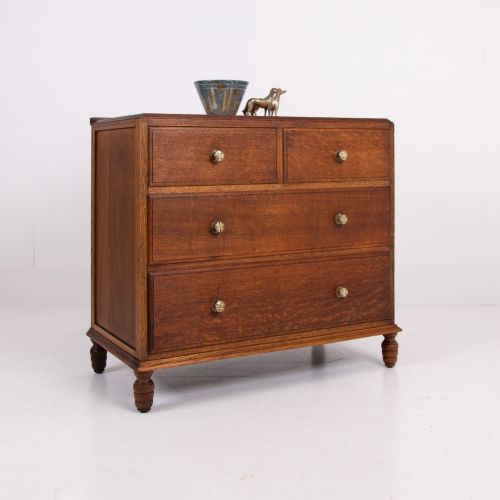
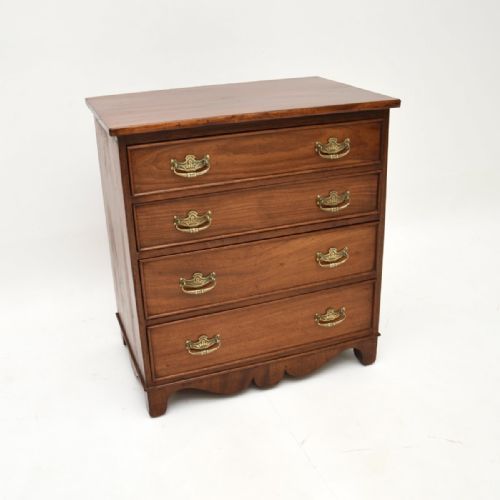
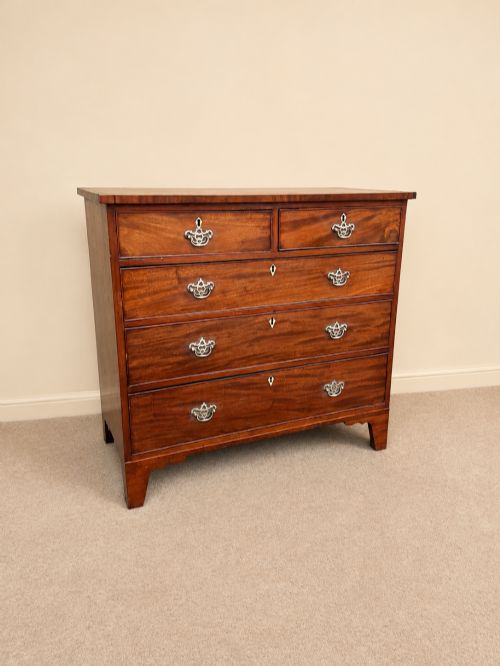
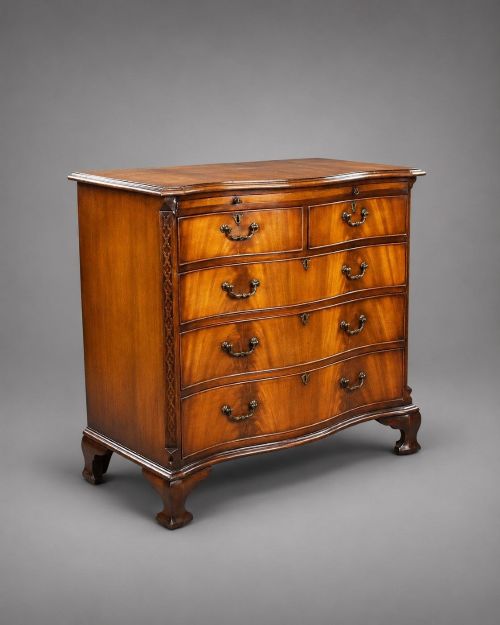
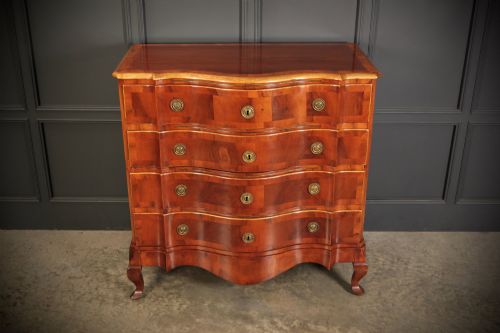
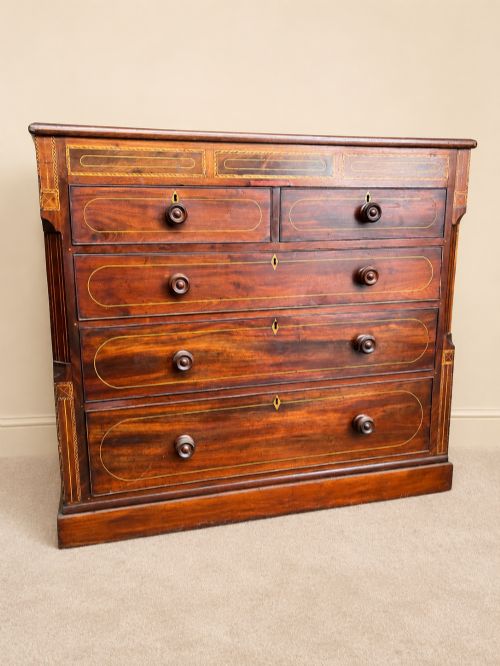
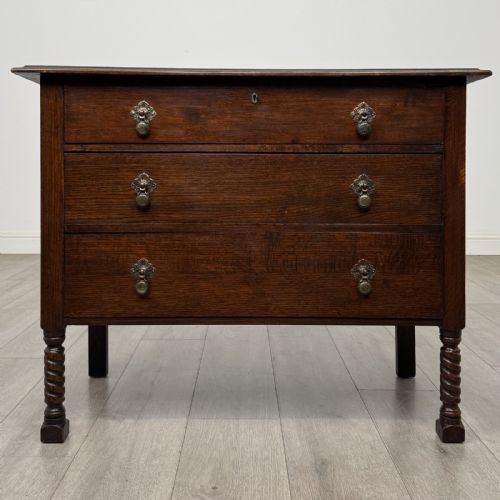
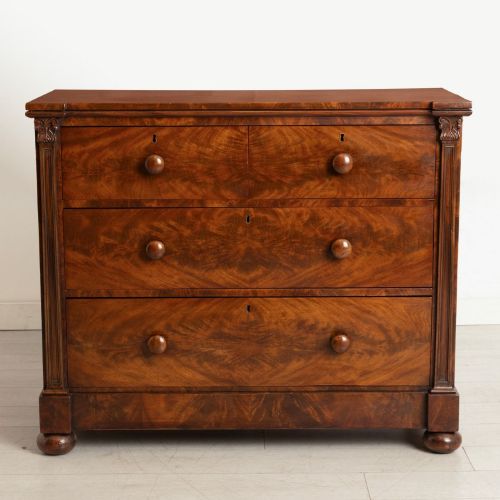
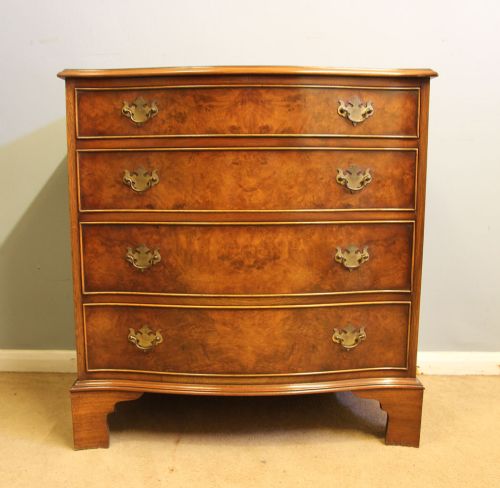
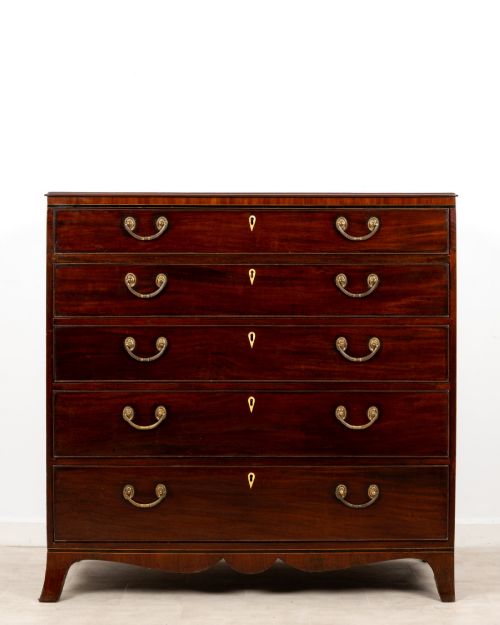
The pieces grouped under this search span multiple eras, including Georgian, Victorian, and Edwardian periods. Most examples on this page take the form of chests of drawers and storage cabinets rather than drop-front writing desks.
Origins vary widely across these listings, taking in English workshops alongside Scandinavian painted pieces and continental examples. Walnut, mahogany, and oak dominate the forms, supplemented by painted pine and birch.
Materials and construction
Cabinet makers relied heavily on timber species such as mahogany, oak, and walnut, often selecting figured veneers for drawer fronts. Secondary woods provided structural stability inside the carcase.
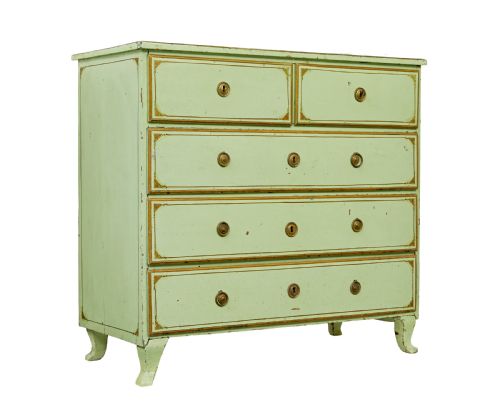
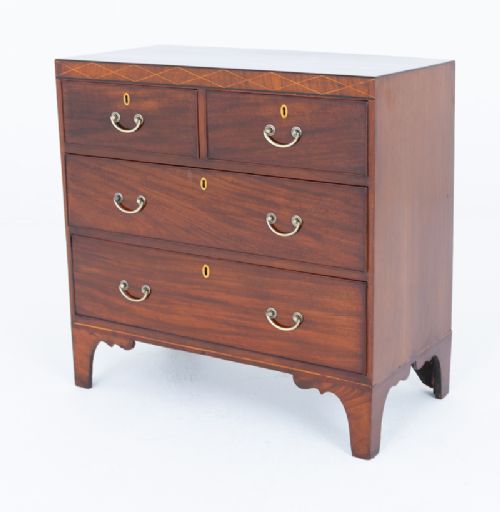
Detailing involved boxwood inlay, brass handles, and occasional marble tops on continental and dressing table variants. Painted finishes appear on Swedish pine and baroque revival pieces.
Construction methods prioritised durable joinery, with dovetailed drawer boxes and solid timber backs. Surface finishes ranged from polished French polish to protective paint layers.
Antique Style Bedroom Bureau Retail Price Guide 2026
Typical asking prices for style bedroom bureau among the pieces listed under this phrase on Sellingantiques today, from the lower quarter to the upper quarter. They describe what is for sale here now, not the wider market.
Geographic origins span English workshops alongside Swedish, continental, and American cabinet makers.
What separates the grades
The refinement of cabinet work sets the standard, visible in the precision of dovetailing and the choice of timber figure. Superior pieces employ dense, well-matched veneers and finely turned feet.
Original hardware and intact brasses elevate a piece above examples with replacement fittings. The crispness of carved details or inlaid banding distinguishes workshop execution.
Mawer & Stephenson·Gillows
The Antique Style Bedroom Bureau Glossary
- Caddy top
- A raised, moulded tabletop profile common on Georgian and later case furniture. This edge adds architectural definition to the top surface.
- Serpentine front
- A furniture front curving outward at the centre and inward at the sides. This contour requires skilled carpentry to shape timber accurately.
- Bow front
- A convex, outwardly curved furniture front popular during the Georgian and Regency periods. It softens the linear profile of a chest of drawers.
- Dovetail
- A traditional joint interlocking wedge-shaped fingers to secure drawer corners. Fine, numerous pins indicate attentive hand construction.
- Biederman
- A Central European style emphasising utilitarian comfort and clean lines without excessive ornamentation. Birch and mahogany veneers frequently define the aesthetic.
Antique Style Bedroom Bureau: Frequently Asked Questions
What is an antique style bedroom bureau?
An antique style bedroom bureau typically refers to traditional storage furniture such as chests of drawers and cabinets used in bedrooms. These pieces offer classic proportions and period timber finishes.
Buyers select them to combine practical household storage with historical character. The category spans multiple centuries and regional workshops.
How do I identify a Georgian chest of drawers?
Georgian chests generally feature solid timber construction, hand-cut dovetails, and understated brass hardware. Proportion and balance guide the overall design.
Later revival pieces often imitate these proportions using machine-cut joints and different secondary woods. Examining drawer linings helps clarify the period of manufacture.
Where were painted pine chests made?
Painted pine chests in these listings frequently originate from Scandinavian workshops, including Swedish neoclassical and baroque revival examples. Painters applied layered pigments to softwood carcases.
These pieces bring a lighter palette to bedroom interiors compared to dark English hardwoods. Surface patination develops naturally over decades of use.
How do I care for antique wood furniture?
Antique timber requires stable indoor humidity levels and protection from direct sunlight to prevent veneer cracking. Regular dusting with a soft cloth preserves the polish.
Avoid silicone-based sprays, opting instead for traditional microcrystalline wax when the surface appears dry. Gentle maintenance protects the original finish.