







Antique Style Armour
Antique style armour brings the heavy metalwork and painted portraiture of earlier centuries into a room, offering tactile connection to historical craft.

Antique Style Armour
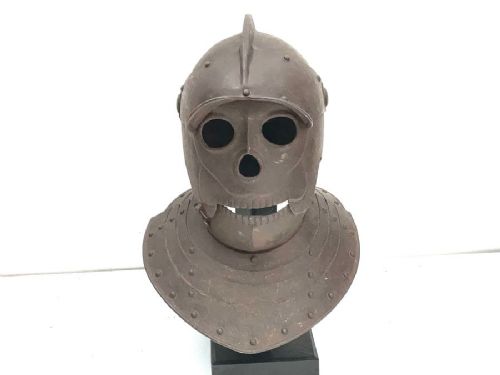
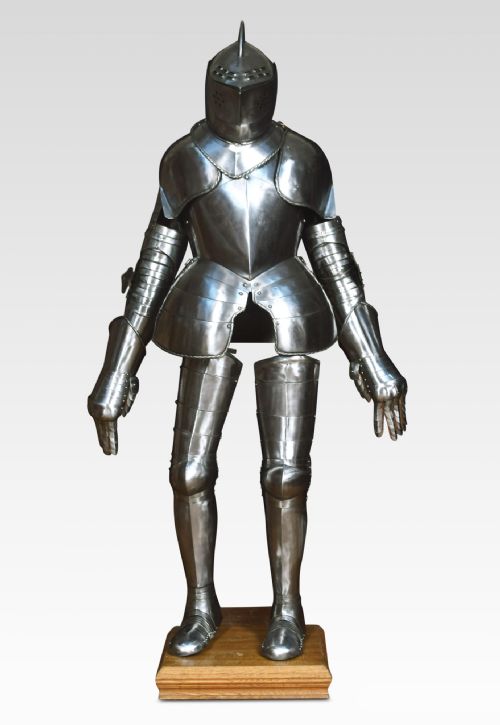
When searching for antique style armour, buyers encounter a mix of tangible metal objects and oil paintings depicting subjects outfitted in historical plate. The selection encompasses suits of armour, helmets, gauntlets, and daggers alongside oil paintings rendered in sixteenth, seventeenth, and eighteenth-century styles.
Most physical pieces present nineteenth-century revivals modelled on earlier centuries, while the painted works range from seventeenth-century originals to later nineteenth and early twentieth-century interpretations. Origins span British, French, Italian, and Indo-Persian workshops, reflecting varied regional approaches to historical martial aesthetics.
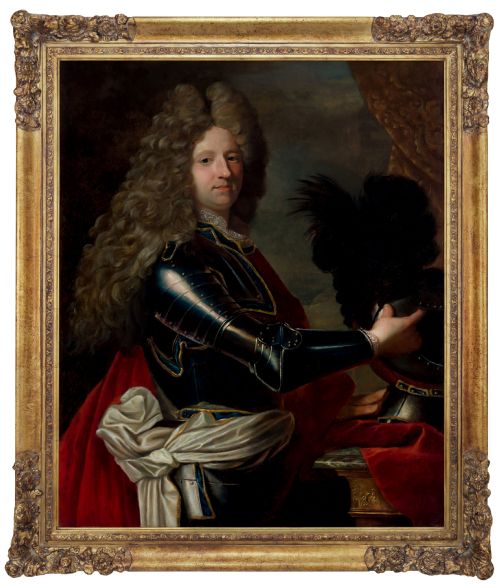
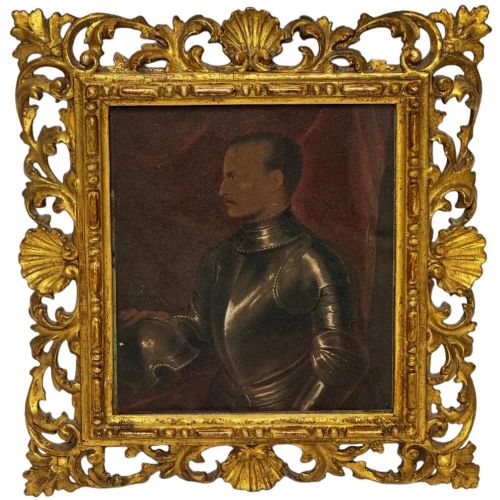
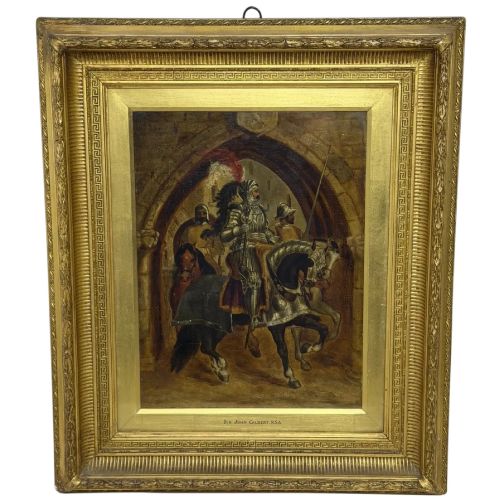
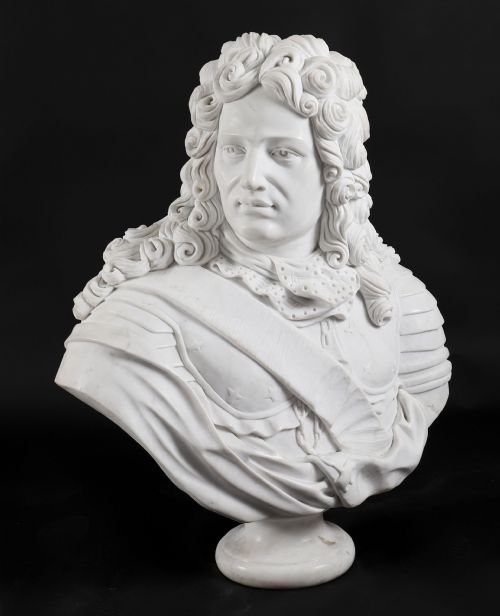
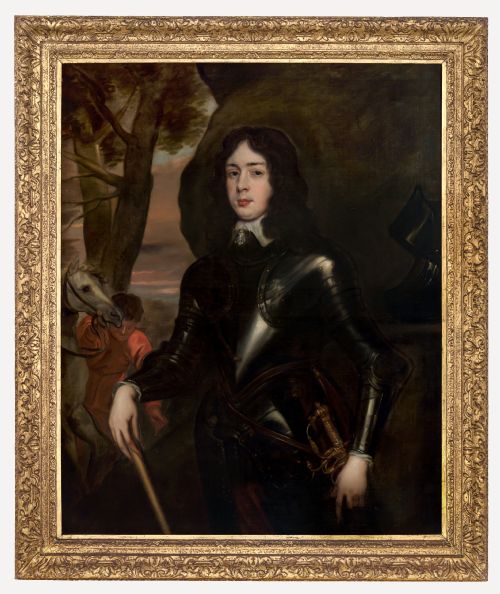
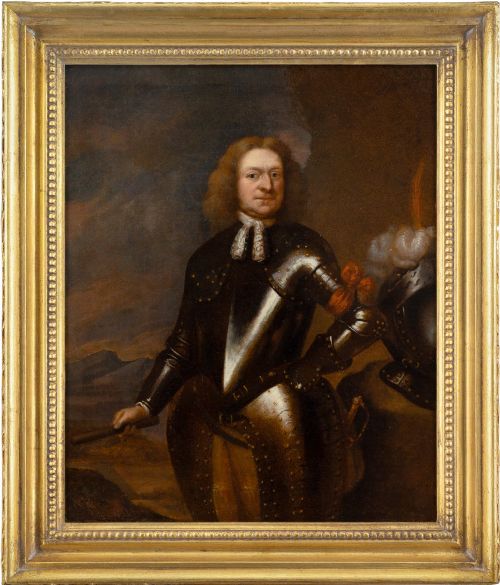
Subjects in the paintings typically include royals, officers, and gentlemen depicted in full plate or half armour, sometimes accompanied by horses or classical drapery. Buyers find both standalone defensive gear in iron and steel and canvas portraits capturing the distinct fashion of armed nobility.
Materials and construction methods
Physical armour pieces rely upon hand-beaten iron and steel, shaped to articulate around the human body as seen in nineteenth-century suits and gauntlets. Smiths forged and riveted these plates to mimic sixteenth and seventeenth-century battle gear.
Painted works utilise oil paint applied to canvas, often supported by wooden stretcher frames and occasionally framed in giltwood or gilt wood mouldings. Artists layered pigments to render the gleaming surfaces of steel breastplates and the rich textures of velvet cloaks.
Antique Style Armour Retail Price Guide 2026
Typical asking prices for style armour among the pieces listed under this phrase on Sellingantiques today, from the lower quarter to the upper quarter. They describe what is for sale here now, not the wider market.
Art styles represented on this page range from French Baroque and Italian Renaissance Revival to Victorian academic painting.
Assessing quality and execution
In metalwork, the weight of the iron or steel and the precision of the articulated joints determine the calibre of the piece. Superior examples display clean riveting and convincing historical form rather than loose construction or flat plates.
Sir Anthony van Dyck·Gian Paolo Pace·Sir John Gilbert·Joseph Vivienne·Nicolas De Largillière·Jean-Baptiste Santerre
The Antique Style Armour Glossary
- Plate armour
- Defensive metal covering made of interconnected iron or steel plates designed to protect the wearer. It replaced chainmail as metallurgy advanced during the medieval and Renaissance periods.
- Gauntlet
- A glove constructed from iron or steel plates designed to protect the hand and wrist. These items were worn both in combat and as part of formal military dress.
- Oil on canvas
- A painting medium where pigments are suspended in drying oils and applied to a stretched woven fabric surface. This combination dominated European portraiture from the Renaissance onwards.
- Baroque style
- An artistic movement characterised by grand scale, dramatic lighting, and rich detail. It heavily influenced seventeenth-century portraiture and decorative arts across Europe.
- Revival style
- The artistic practice of creating new works that imitate the aesthetics of a previous historical era. Nineteenth-century makers frequently adopted sixteenth and seventeenth-century military motifs.
Antique Style Armour: Frequently Asked Questions
How do I date a painted portrait in armour?
Dating relies upon examining the style of the brushwork, the preparation of the canvas, and the specific fashion of the sitter's clothing and armour.
Comparison with documented works by school followers or contemporary artists helps narrow the period of execution.
Where were nineteenth-century revival suits made?
Many nineteenth-century suits of armour emerged from specialised European metalworking centres catering to the Victorian demand for historical interior decoration.
These workshops drew inspiration from surviving sixteenth and seventeenth-century armouries in public and private collections.
How should I clean iron and steel armour?
Physical metal pieces require minimal intervention, usually limited to dusting with a soft, dry cloth and applying microcrystalline wax to prevent oxidation.
Water and household cleaners must be avoided to protect the metal surface from rust.
What is a Pesh Kabz dagger?
A Pesh Kabz is a traditional single-edged dagger originating from the Indo-Persian region, often featuring a reinforced T-section spine.
These blades were designed to pierce mail and heavy clothing during close combat.