




Antique Study Stand
An antique study stand brings traditional character and practical workspace to a room, offering everything from fitted writing desks to bronze sculptures.
Antique Study Stand
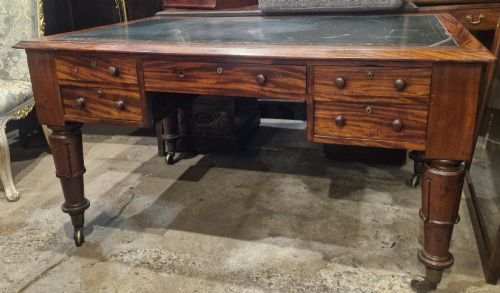
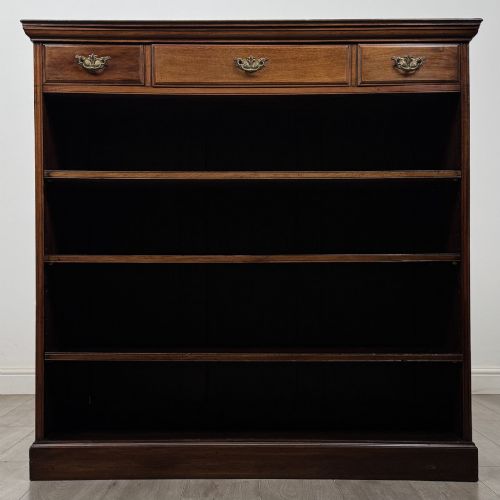
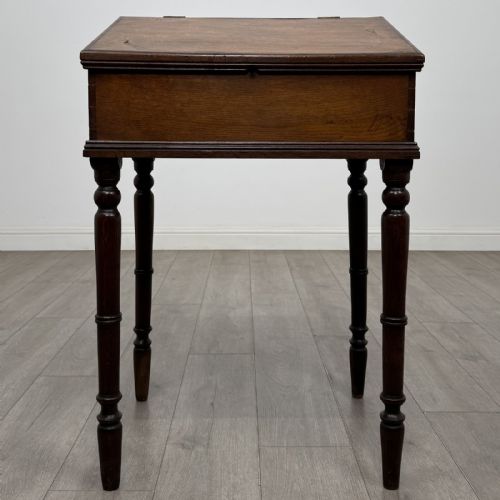
When searching for an antique study stand, buyers encounter a diverse selection of furniture, artwork, and desk accessories designed for writing, reading, and scholarly pursuits. The pieces range from substantial mahogany writing tables and oak bureaus to decorative bookends, terrestrial globes, and academic life study drawings.
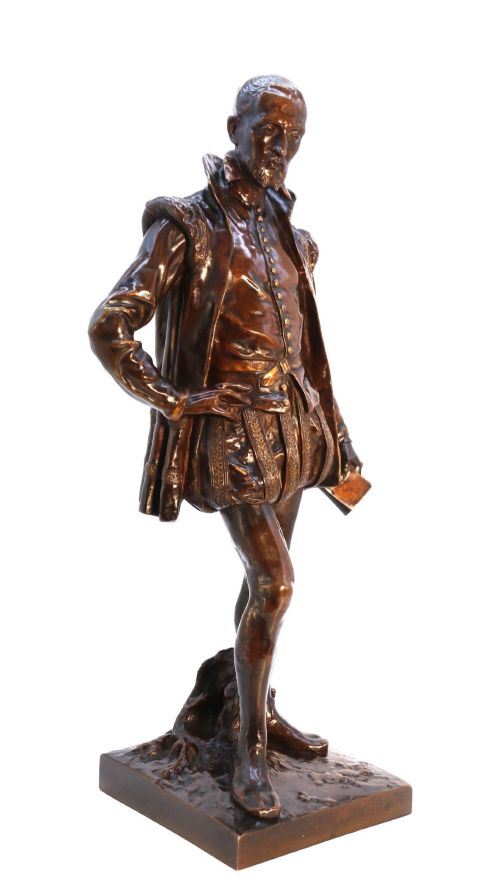
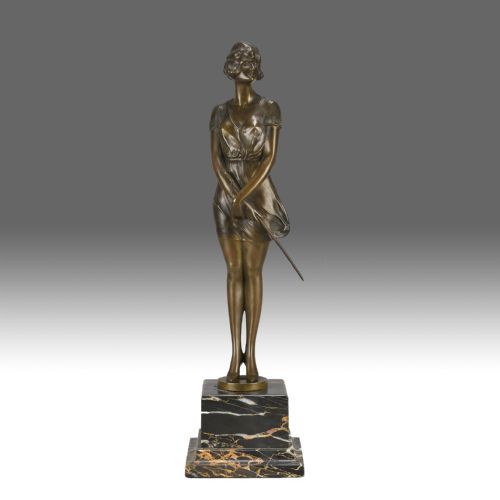
The selection on this page relies heavily on nineteenth-century and Georgian writing furniture alongside Edwardian oak pieces, matching the practical needs of traditional home offices and libraries. Alongside desks, one finds bronze figurative studies, carved wooden bookends, and framed drawings that reflect the scholarly aesthetics of period studies.
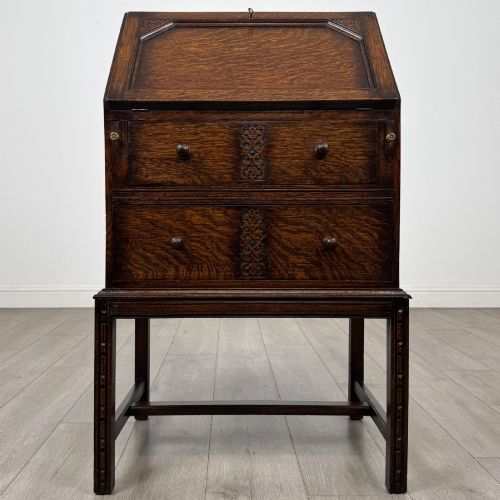
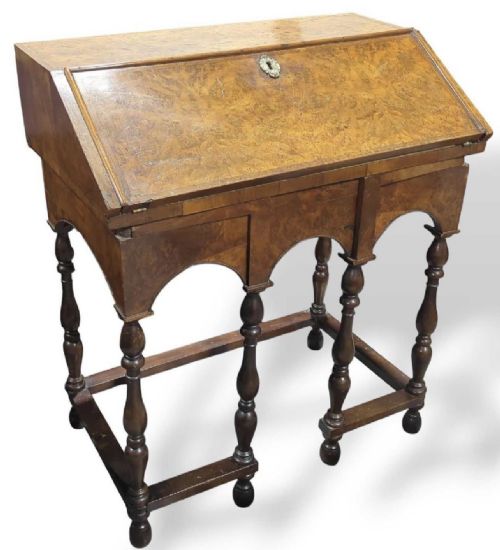
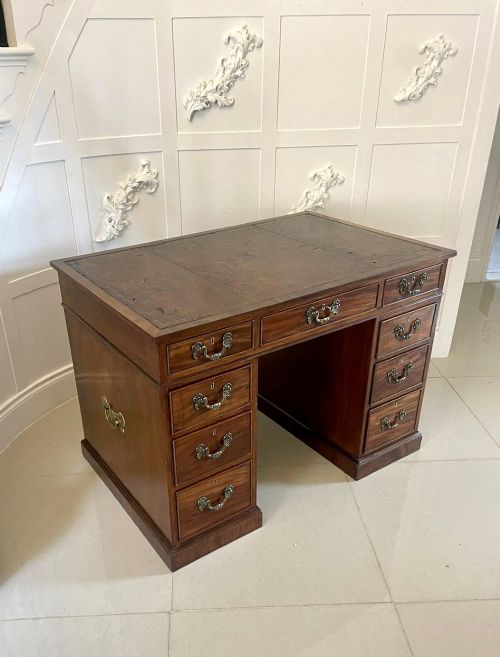
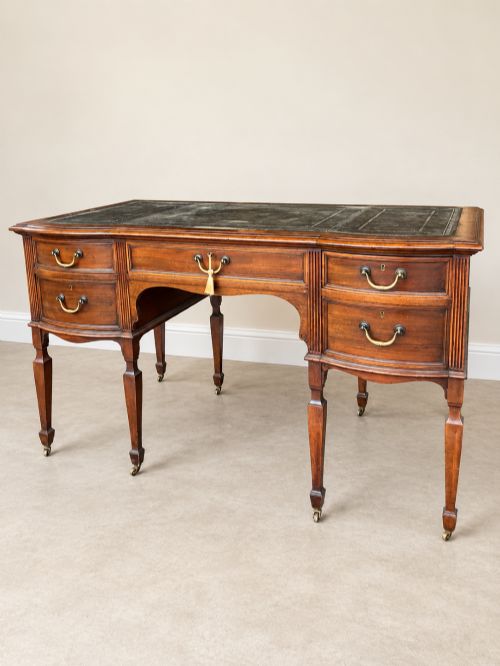
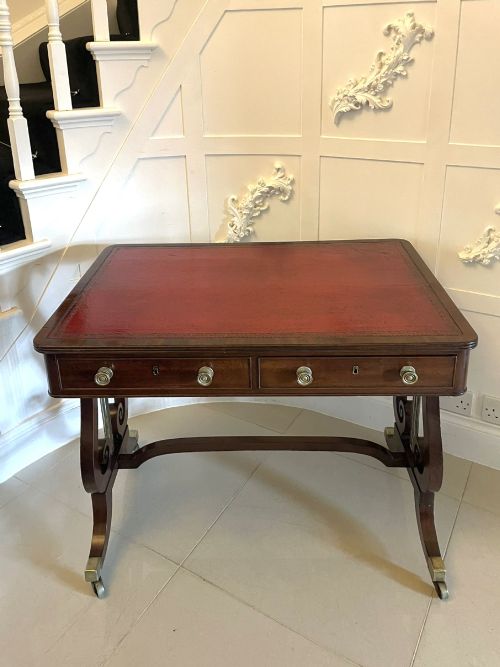
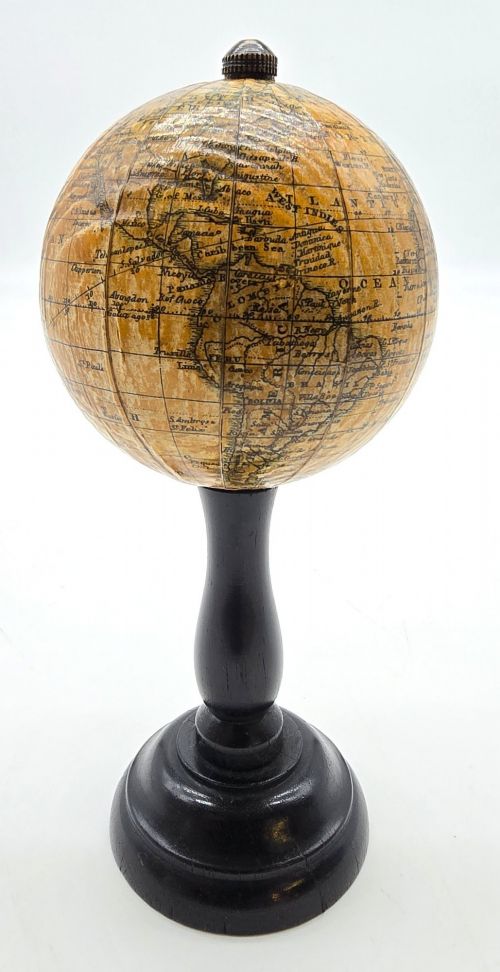
Desks and writing tables dominate the material evidence, often appearing in forms such as kneehole desks, free-standing library tables, and compact writing bureaus. These working surfaces are frequently accompanied by smaller decorative study objects, including miniature globes on stands and detailed animal carvings.
Materials and construction methods
Cabinet makers relied predominantly on dense hardwoods such as mahogany, oak, walnut, and satinwood to construct sturdy writing furniture and desks. These timbers were often polished to highlight natural grain patterns, occasionally incorporating inlaid details, brass hardware, and paw feet.
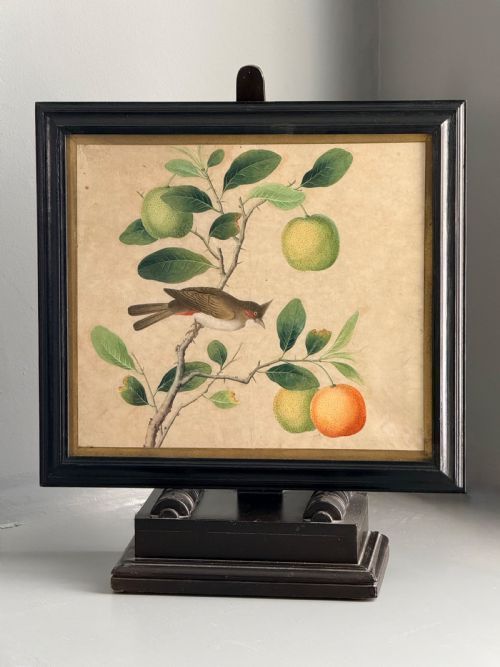
Sculptural and decorative items demonstrate specialised casting and carving techniques, utilising bronze, ormolu, and ebonised wood alongside hand-carved wooden details. Paper and pith paper serve as mediums for detailed academic drawings, gouache paintings, and terrestrial globes.
Antique Study Stand Retail Price Guide 2026
Typical asking prices for study stand among the pieces listed under this phrase on Sellingantiques today, from the lower quarter to the upper quarter. They describe what is for sale here now, not the wider market.
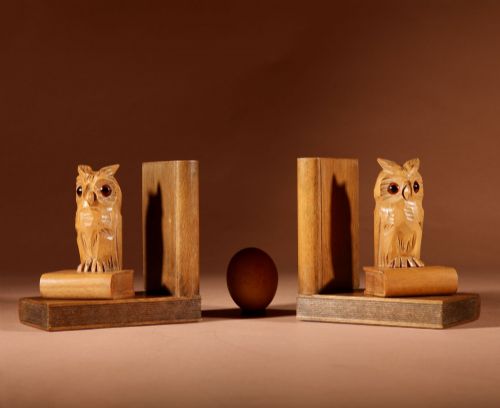
A pair of carved owls keeps watch over the library.
Distinctions in construction and finish
Quality in these study pieces often rests on the crispness of execution, whether in the precision of cabinet joinery on a writing bureau or the anatomical detail in an academic bronze study. Superior pieces demonstrate careful hand-finishing, well-preserved patination on timbers, and sophisticated proportions.
Materials and decorative flourishes also divide tiers of workmanship, with select items utilising fine veneers, ormolu mounts, and intricate marquetry rather than plain surfaces. The integration of functional compartments, such as fitted interior drawers within writing desks, indicates higher levels of craftsmanship.
Bruno Zach·Henry Arthur Roberts·Jean Jules Salmson·Edwards & Roberts
The Antique Study Stand Glossary
- Bureau
- A sloping writing desk, often fitted with internal pigeonholes and small drawers above a set of larger drawers or a stand. Early versions frequently rest on baluster supports or dedicated stands.
- Kneehole desk
- A compact desk featuring a central recessed space for the legs, flanked by pedestals of small drawers. This form allows a comfortable seated workspace.
- Ormolu
- Gilded bronze used for decorative mounts, handles, and desk set embellishments during the eighteenth and nineteenth centuries. It provides a bright metallic contrast against dark hardwoods.
- Pith paper
- A delicate painting medium prepared from the pith of the Tetrapanax papyrifer plant, utilised for detailed gouache artwork. It requires careful preservation behind glass.
- Academic study
- A drawing, painting, or sculpture created as a rigorous exercise in rendering the human form, typically depicting a live model. These works record traditional art training methods.
Antique Study Stand: Frequently Asked Questions
What defines a period writing desk?
A period writing desk is a functional workspace built during eras such as the Georgian, Victorian, or Edwardian periods, utilising traditional hardwoods like mahogany and oak. These pieces often feature hand-cut joinery, fitted interior compartments, and period-specific hardware.
Unlike modern flat-pack furniture, they were built by skilled cabinet makers to serve as the administrative centre of a household or library. Their construction reflects the domestic writing habits and architectural proportions of their time.
How do I care for antique wood furniture?
Maintaining antique wood involves keeping pieces away from direct sunlight and sudden temperature shifts that can cause timber to warp or split. Regular dusting with a soft, dry cloth preserves the finish without requiring heavy chemical polishes.
Applying a traditional beeswax occasionally helps nourish older mahogany, oak, or walnut surfaces. This gentle maintenance protects the natural patina built up over centuries of use.
Where were study globes placed?
Terrestrial and celestial globes were traditionally positioned on desks, tables, or dedicated floor stands within studies and libraries. They served both as practical navigational reference tools and as symbols of learning.
Smaller tabletop versions sat neatly on writing surfaces, while larger floor-standing models occupied corners of rooms. Their paper mâché and wood construction made them accessible educational objects for scholars.