


Antique Studded Armchair
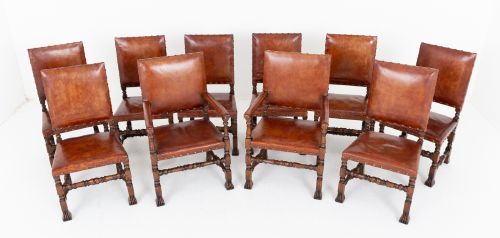
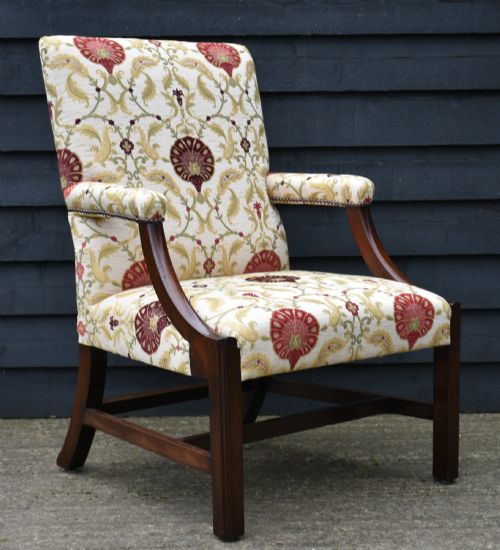
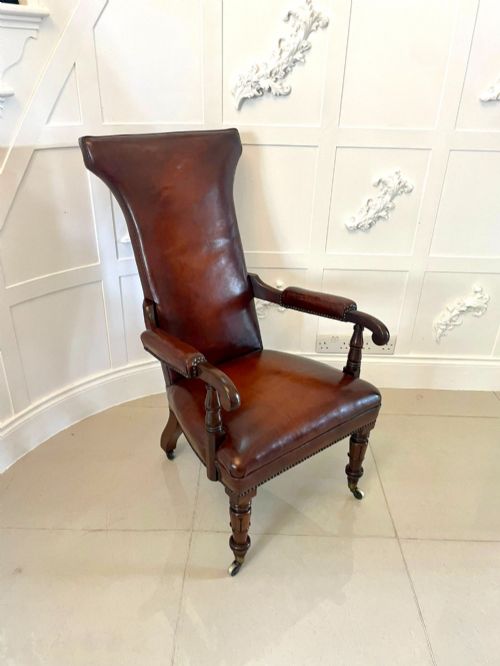
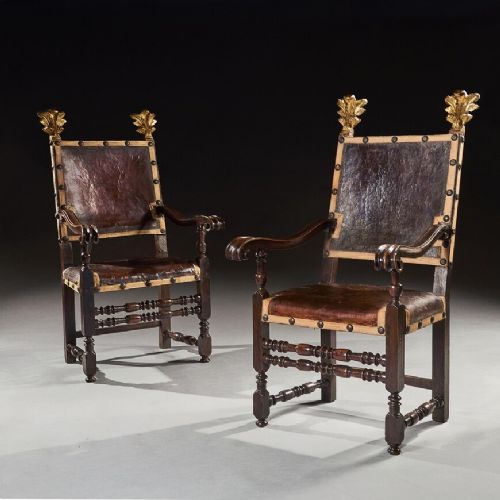
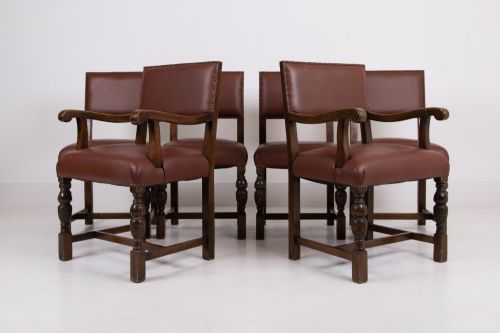
An antique studded armchair offers substantial comfort and distinct period presence, combining robust timber frames with hard-wearing leather upholstered using traditional metal tacks.
Antique Studded Armchair
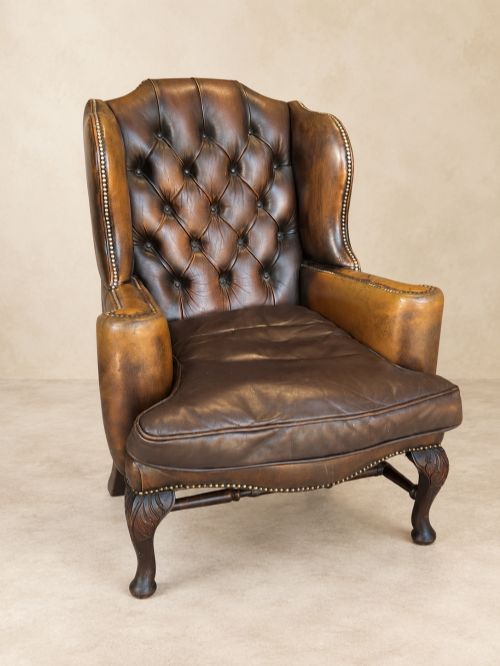
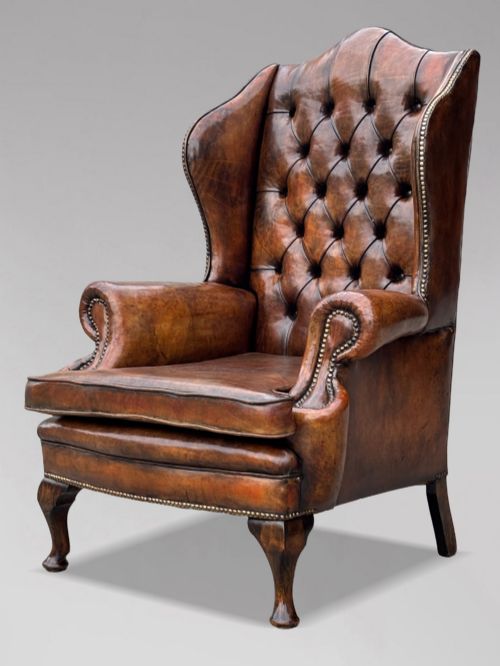
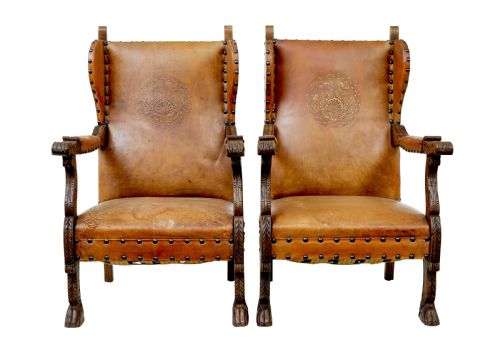
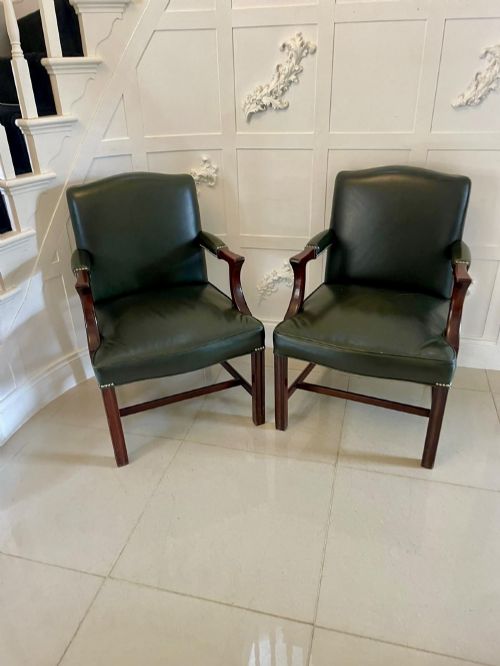
An antique studded armchair is a substantial seat designed for libraries, studies, and drawing rooms, typically defined by exposed upholstery tacks securing leather or fabric hides to a timber frame. Buyers searching for an antique studded armchair most frequently encounter Victorian, Edwardian, and Georgian examples upholstered in brown or tan leather.
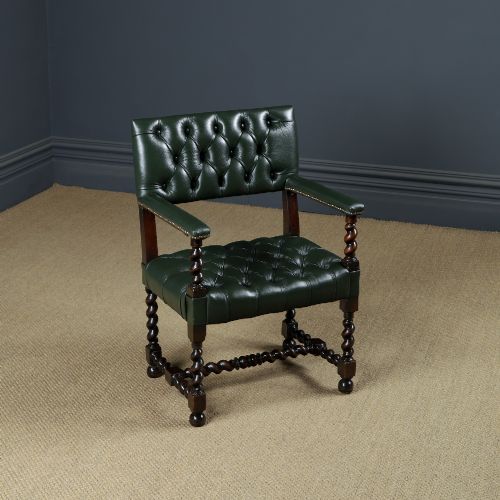
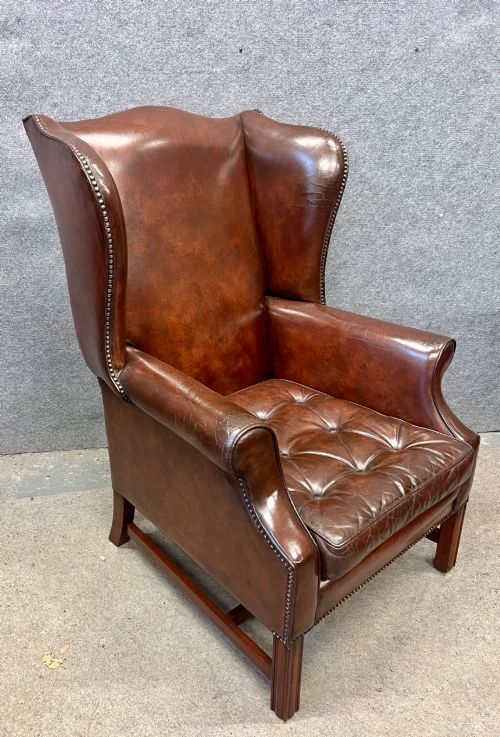
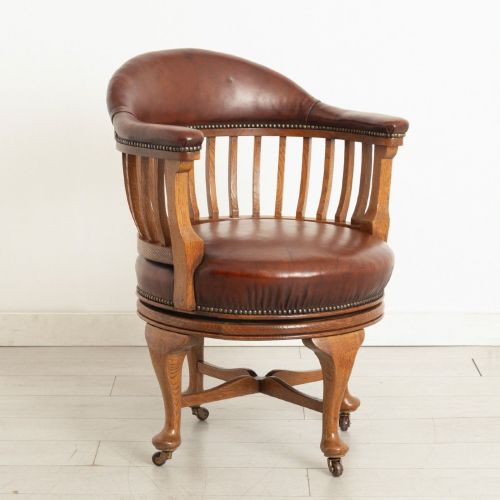
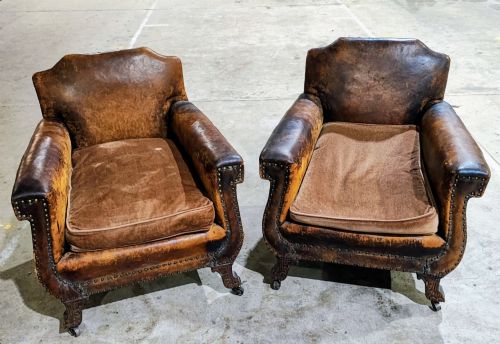
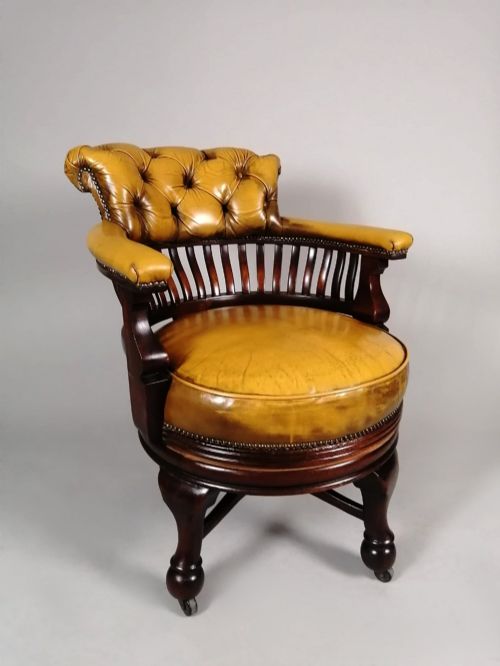
The form encompasses diverse seating variations from high-backed wing chairs and library armchairs to revolving desk chairs and club chairs. These seats served distinct domestic and professional functions, from fireside reading to daily desk work in offices and private libraries.
Origins span English workshops, Scottish schools, and continental makers, employing regional woods such as mahogany, oak, and walnut. The integration of brass studs provides both structural fastening and decorative outline to the upholstered contours.
Materials and construction methods
Frames are constructed from dense hardwoods like mahogany, oak, and walnut, joined using traditional cabinet-making techniques to support heavy daily use. Turnings, cabriole legs, and carved details are shaped directly from the solid timber components.
Upholstery relies on durable leather hides fixed firmly to the internal padding using individual brass or metal studs driven by hand. This methodical fastening secures the tension across button-backed panels, wing supports, and rolled armrests.
Antique Studded Armchair Retail Price Guide 2026
Typical asking prices for studded armchair among the pieces listed under this phrase on Sellingantiques today, from the lower quarter to the upper quarter. They describe what is for sale here now, not the wider market.
Listings feature timber frames in mahogany, oak, and walnut alongside upholstery in leather, velvet, and metal studs.
Distinctions in construction and finish
Quality separates through the integrity of the underlying timber frame and the depth of hand-carved detail on components such as blind fretwork or cabriole legs. Superior examples retain original framing timbers without replacement structural members.
The grade of the leather hide and the uniformity of the individual stud placement dictate the refinement of the finished piece. Hand-dyed English hides and traditional button-backed tufting represent higher tiers of craftsmanship.
The Antique Studded Armchair Glossary
- Gainsborough chair
- A wide, open-armed armchair originating in the mid-18th century, designed specifically for writing desks and libraries. These seats feature padded armrests and low sides.
- Wingback armchair
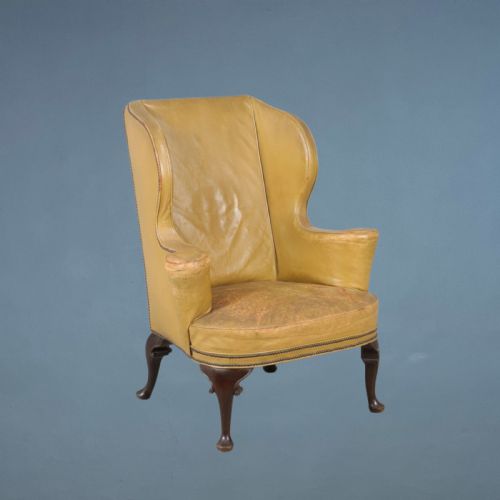
- A high-backed seat featuring protective side panels designed to shield the occupant from drafts. The wings transition downward into padded arms secured with decorative metal tacks.
- Button back
- An upholstery technique where leather or fabric is pulled tight and secured with recessed buttons arranged in a geometric diamond pattern. This method adds structural tension and visual depth.
- Carver chair
- An armchair matching a set of smaller dining chairs, traditionally positioned at the head of a dining table. They share matching stylistic details with their companion side chairs.
- Cabriole leg
- A furniture leg that curves outward in a convex arc before tapering inward in a concave sweep to a pad or claw foot. This form derives from classical furniture design.
Antique Studded Armchair: Frequently Asked Questions
Where were these armchairs used originally?
These armchairs served primarily in formal libraries, private studies, and drawing rooms as designated seating for reading or correspondence.
Revolving versions were placed beside partner desks in professional offices, while wingback variants stood near fireplaces to block cold drafts.
How do I identify a Georgian armchair?
Georgian armchairs exhibit specific structural markers such as mahogany frames, carved cabriole legs, and proportions suited for 18th-century writing desks.
Details like Chippendale blind carving and hand-dyed English hide upholstery help distinguish these earlier examples from later revival pieces.
What is the difference between a club chair and a wing chair?
A club chair provides low, deep seating with rounded armrests designed for relaxed lounging in smoking rooms or studies.
A wing chair incorporates a high back with side panels intended to retain heat and protect the sitter from draughts.
Are swivel desk chairs authentic to the nineteenth century?
Yes, revolving desk chairs featuring oak or mahogany frames and leather upholstery were widely produced during the Victorian and Edwardian eras.
Mechanisms allowed the seat to turn and adjust for office and library use while maintaining traditional studded leather detailing.