







Antique Street Sign
An antique street sign carries the grit and lettering of an earlier municipal age, offering a tangible piece of local history for the wall.
Antique Street Sign
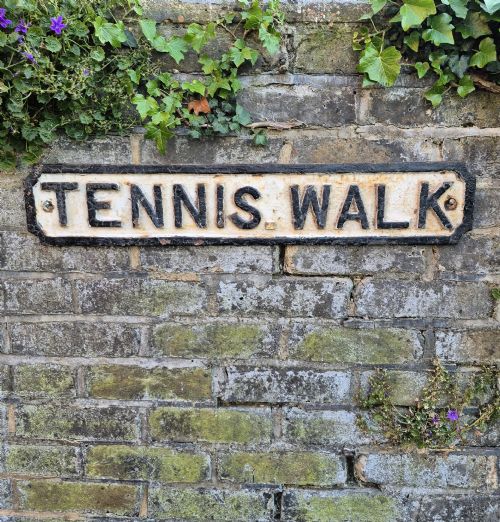
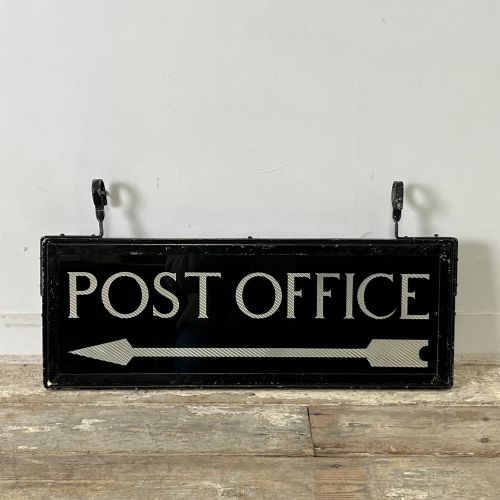
When you search for an antique street sign, you encounter cast iron markers, vitreous enamel plates, and glass panels that once guided pedestrians through Victorian and Edwardian thoroughfares. The pieces found here range from municipal street names and railway station directions to public telephone notices and advertising signs from the late nineteenth and early twentieth centuries.
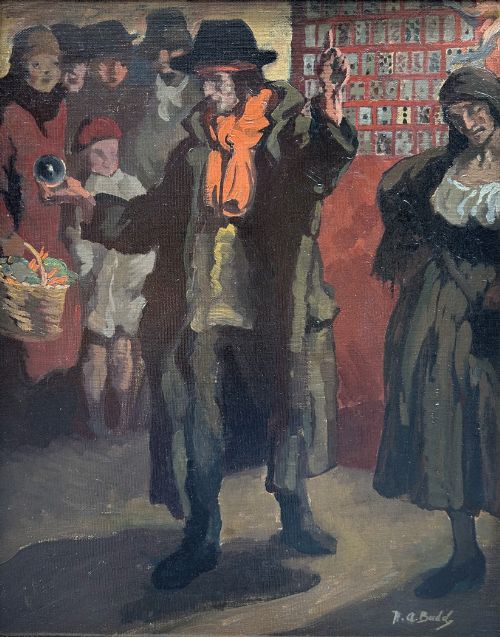
Beyond municipal metalwork, the selection frequently incorporates regional oil paintings and watercolours depicting historic townscapes, street scenes, and narrow yards from periods spanning the Victorian era through the 1930s. These painted interpretations sit alongside functional signage, together preserving the visual character of past urban and rural environments.
How they were made
Cast iron panels were produced by pouring molten metal into sand moulds, yielding raised lettering and borders that could be painted for legibility. Vitreous enamel signs fused powdered glass onto sheet iron at high temperatures, creating a hard, glossy surface capable of withstanding outdoor exposure.
Painted works utilised oil or watercolour on canvas, board, paper, or wooden panels, often framed to protect the delicate media. Wood and glass components relied on traditional carpentry and signwriting techniques, incorporating hand-painted lettering and reflective elements.
Antique Street Sign Retail Price Guide 2026
Typical asking prices for street sign among the pieces listed under this phrase on Sellingantiques today, from the lower quarter to the upper quarter. They describe what is for sale here now, not the wider market.
What varies in quality
The distinction between tiers rests upon the crispness of the casting, the durability of the enamel, and the precision of the hand-applied lettering or brushwork. Superior examples display clean typography, well-defined borders, and materials that have retained their original pigment without extensive modern intervention.
Works that exhibit masterly draughtsmanship in their painted townscapes or robust gauge in their metal plates command greater consideration than those with crude execution or structural compromise. Original mounts, authentic fixings, and legible municipal nomenclature further separate standard utilitarian objects from notable survivals.
The Antique Street Sign Glossary
- Vitreous Enamel
- A material made by fusing powdered glass to a metallic substrate through firing, producing a durable, glossy coloured finish. This technique protected outdoor metal signs from rust and weathering.
- Cast Iron
- An iron-carbon alloy poured into a mould to form rigid objects. It was widely used for heavy-duty street signs and directional markers.
- Gouache
- An opaque water-based paint characterised by heavier pigment mixed with a gum binder. It produces flat, vibrant areas of colour in works on paper.
- Vitriolite
- A brand of pigmented structural glass popular in the early twentieth century. It provided a smooth, shiny surface for architectural signage.
- Watercolour
- Painting method where finely ground pigments are suspended in a water-soluble binder. Artists applied it to paper to capture translucent washes of light on historic streetscapes.
Antique Street Sign: Frequently Asked Questions
How do I hang a heavy iron street sign?
Heavy cast iron pieces require direct anchoring into wall studs or masonry using appropriaterawl plugs and steel screws to support the weight safely.
Because these objects lack modern hanging brackets, professional framing or custom metal supports may be necessary to distribute the load evenly across the wall.
Can enamel signs be displayed outside?
While vitreous enamel was originally engineered for outdoor durability, surviving antique specimens often feature compromised edges and rusted iron cores that deteriorate further in damp conditions.
Protecting the metal from rain and extreme temperature shifts preserves the remaining glass surface and stops active corrosion from spreading.
How do I clean an antique enamel sign?
Gentle wiping with a soft cloth dampened in mild soapy water removes surface grime without abrading the glossy vitreous glass layer or the underlying painted letters.
Harsh chemical solvents and abrasive scouring pads must be avoided entirely, as they permanently dull the enamel and strip away original pigmented infill.
What is the difference between an enamel sign and a cast iron sign?
Cast iron signs rely on raised metal lettering cast directly into the plate, whereas enamel signs feature flat iron sheets coated in fused glass with screen-printed or stenciled designs.
Iron signs have physical dimension and weight from the casting process, while enamel plates offer smooth, glossy surfaces with vibrant multi-coloured imagery.