





Antique Storage Bag
An antique storage bag serves as a functional textile crafted by nomadic and tribal weavers across Central Asia, Persia, and the Caucasus.
Antique Storage Bag
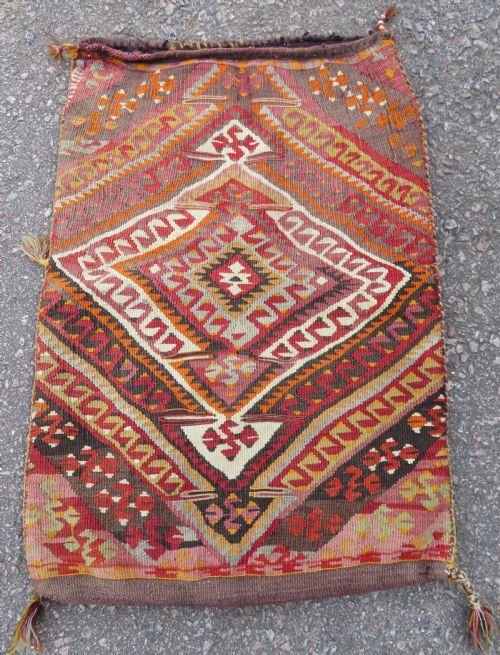
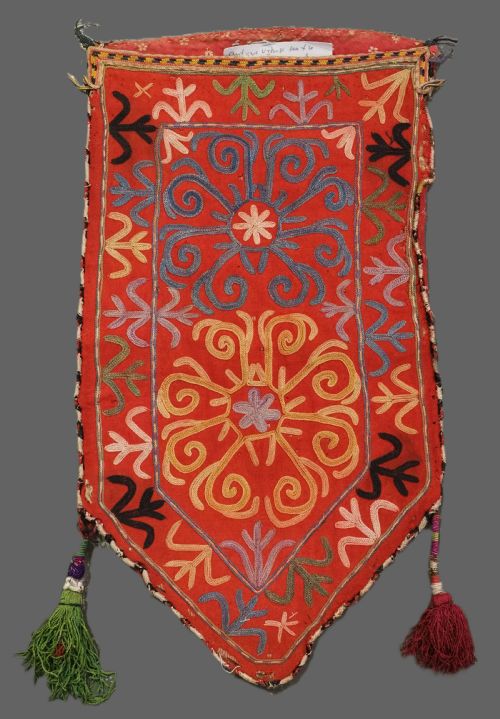
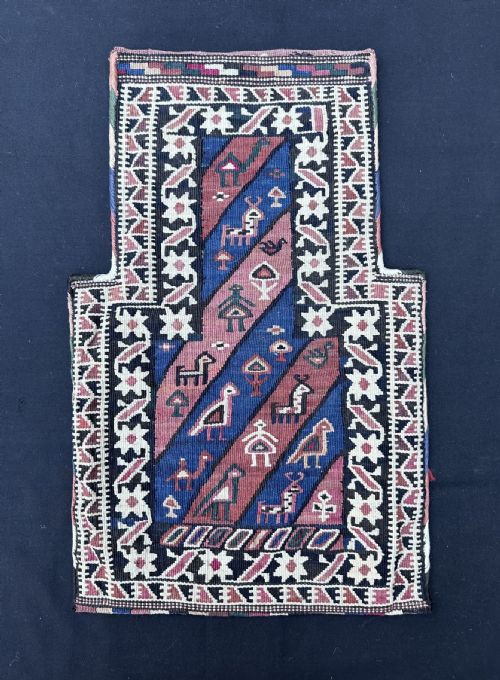
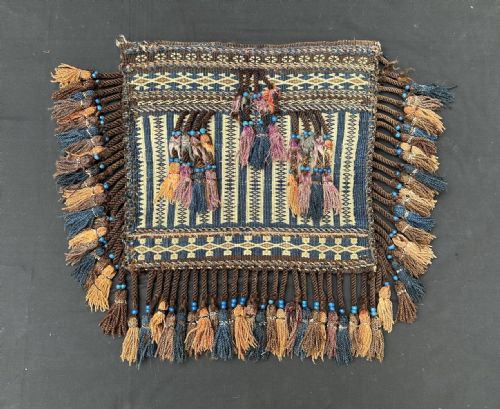
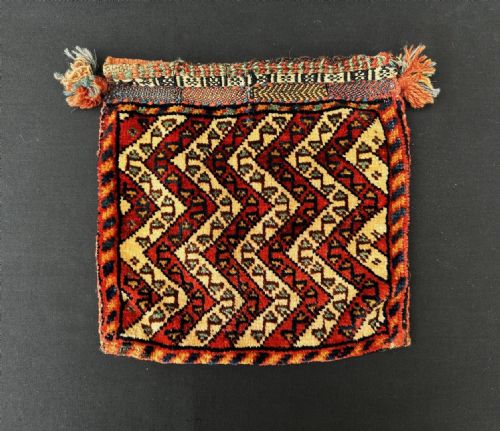
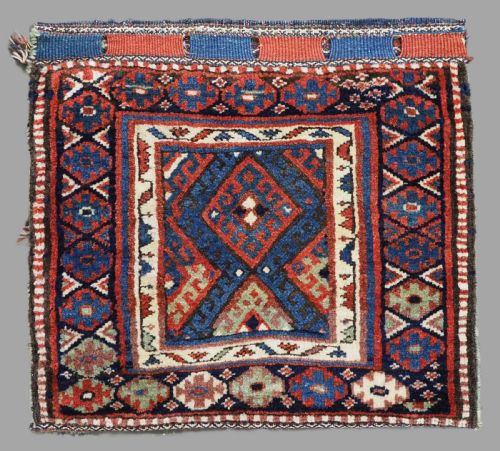
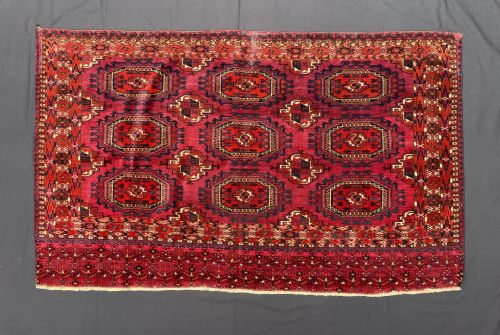
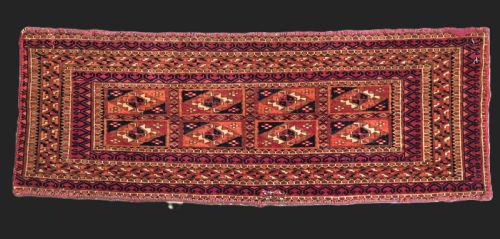
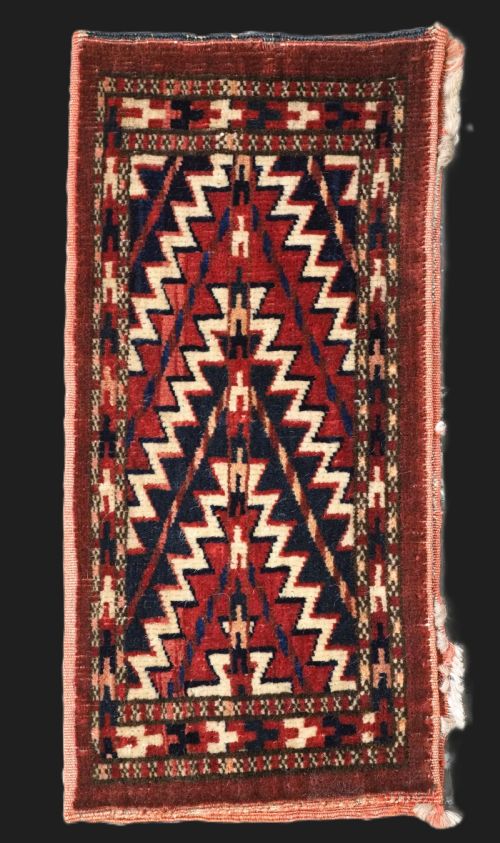
When searching for an antique storage bag, buyers encounter tribal and nomadic textiles originally utilised for domestic containment, transport, and tent organisation. These pieces encompass grain sacks, salt bags, spindle bags, and tent bags created by tribal groups including the Turkmen, Baluch, Kurdish, and Bakhtiari peoples.
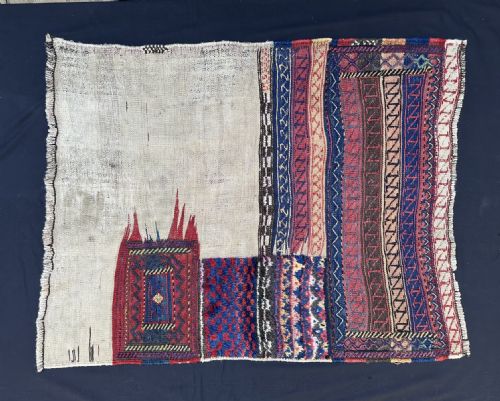
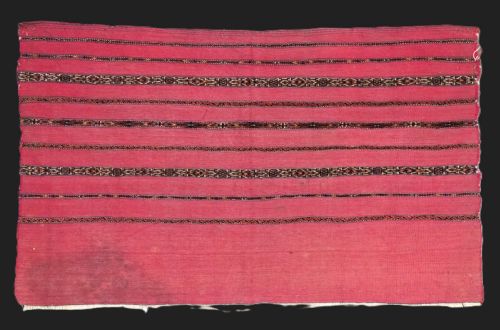
The items seen on this page range from complete containers featuring original plain weave backs to individual bag faces saved as decorative hangings. Forms such as the torba, chuval, and mafresh dominate the selection, originating from workshops and nomadic encampments spanning the mid-nineteenth century to the early twentieth century.
Materials and construction
These textiles rely primarily on hand-spun wool and dyed yarn, often enhanced with natural dyes derived from plants and minerals. Artisans frequently incorporated goat hair for structural durability along the edges and utilised silk highlights to accentuate specific motifs within the design.
Weaving techniques combine pile knotting and flatweave construction, yielding sturdy structures designed to endure rigorous daily use. Many examples incorporate glass beads or embroidered elements, particularly in pieces originating from Uzbek and Central Asian nomadic communities.
Antique Storage Bag Retail Price Guide 2026
Typical asking prices for storage bag among the pieces listed under this phrase on Sellingantiques today, from the lower quarter to the upper quarter. They describe what is for sale here now, not the wider market.
Listings span production dates from the mid-nineteenth century through the 1930s, featuring wool, cotton, and silk materials.
Determinants of quality
The standard of a piece depends heavily on the density of the weave and the precision of the knotting or flatweave structure. Finer knot counts and tightly packed foundation threads indicate greater labour investment and technical mastery by the weaver.
The vibrancy and depth of the natural dyes separate superior examples from standard ones, alongside the completeness of the object. Pieces retaining their original plain weave backs and hanging loops command greater interest than isolated bag faces.
The Antique Storage Bag Glossary
- Torba
- A small Turkmen storage bag traditionally used inside a tent for household goods. These rectangular pieces often display repeating gul motifs.
- Chuval
- A large Turkmen storage sack utilised for bedding and bulky possessions during migration. They frequently feature multiple rows of primary guls.
- Mafrash
- A rectangular storage bag or trapan face associated with Caucasian and Persian nomadic groups. These items typically form part of a pair used on pack animals.
- Gul
- A medallion motif repeated across tribal rugs and bags, often identifying specific clans or lineages. Different tribes utilise distinct geometric variations of this ornament.
- Plain weave
- A simple interlacing of warp and weft threads without pile, frequently forming the back panels of storage bags. This technique reduces weight and adds flexibility to the container.
Antique Storage Bag: Frequently Asked Questions
What were antique storage bags used for?
Nomadic tribes utilised these bags to store grain, salt, bedding, tent poles, and personal belongings within portable dwellings. Their sturdy construction protected contents from dust and moisture during transport on camels or horses.
Over time, many of these utilitarian containers transitioned into decorative domestic items. Today, collectors display them as wall hangings or lay them in low-traffic areas.
How do I identify a tribal origin?
Tribal attribution relies on specific structural characteristics, colour palettes, and repeating motif patterns unique to regional weavers. For example, Tekke and Yomut Turkmen groups employ distinct gul arrangements and specific red dye tones.
Examining the weave density and back panel construction provides further clues to regional manufacture. Different nomadic confederations maintained strict traditions in their geometric vocabulary.
Are complete bags better than bag faces?
Complete bags retaining their original plain weave backs offer a more authentic representation of the weaver's complete intended object. They show how the front decorative panel integrated with the functional rear structure.
Bag faces, however, are far more common because many containers wore unevenly or were separated over decades of use. Both forms remain collectible depending on condition and visual impact.
How should I clean a textile storage bag?
Gentle surface vacuuming with low suction helps remove embedded dust without damaging fragile wool fibres or loose threads. Avoid vigorous shaking or mechanical beating, which stresses old yarn foundations.
Professional textile conservators should handle any wet cleaning to prevent dye migration. Keeping the piece away from direct sunlight preserves the natural dyes.