






Antique Stoneware Figure
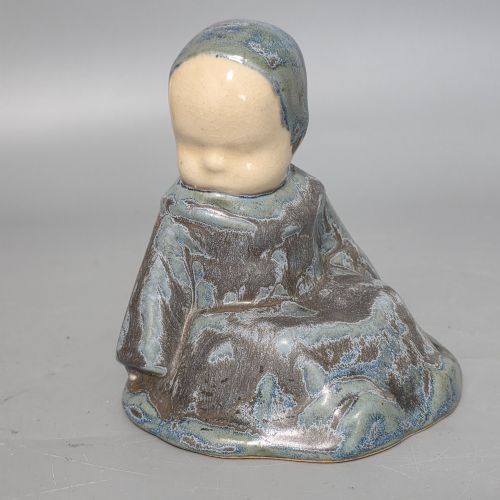
When you handle an antique stoneware figure, you meet weighty ceramics shaped into human, animal or mythical forms across diverse global traditions.
Antique Stoneware Figure
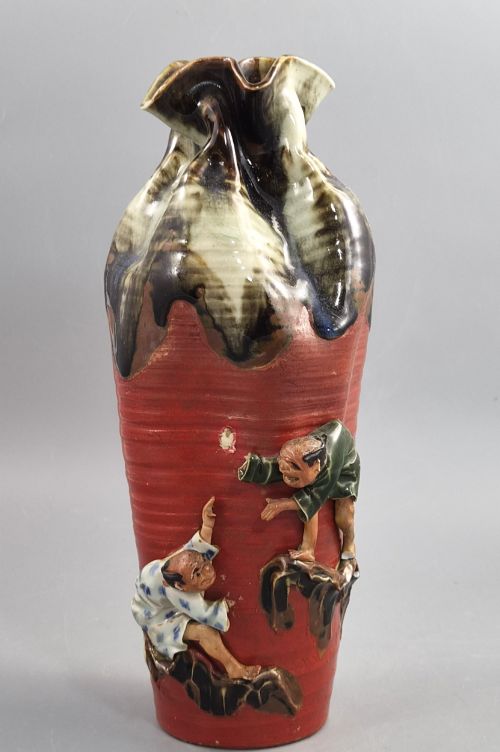
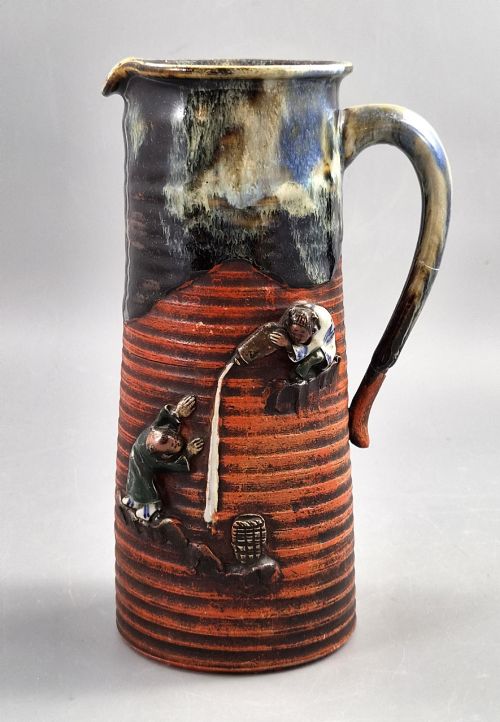
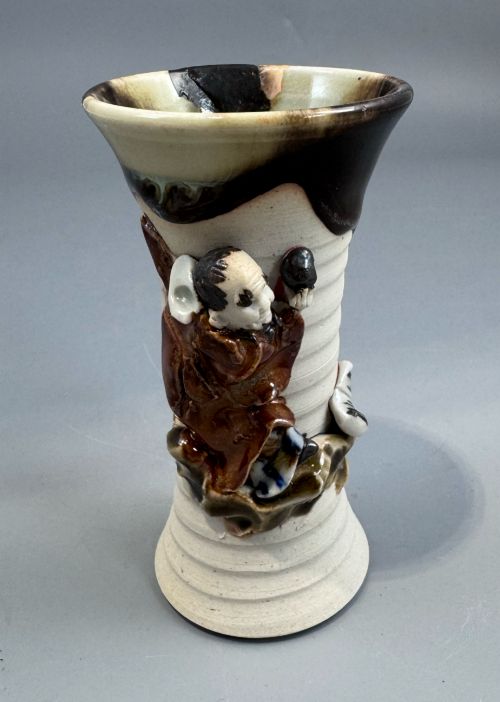
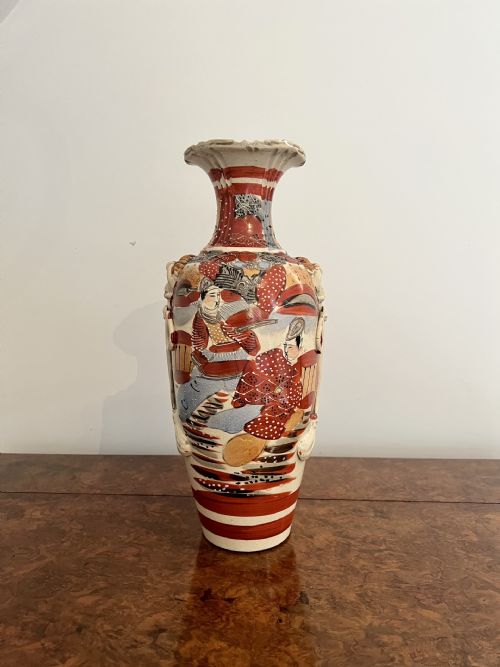
An antique stoneware figure brings together dense, vitrified ceramic bodies and sculptural forms, spanning Victorian Staffordshire dogs, Meiji period Japanese Sumida Gawa pieces with applied figures, and Chinese Shiwan pottery. You most frequently encounter Japanese Sumida Gawa vases and jars featuring modelled figures in relief, alongside Staffordshire animals and Asian religious or mythical representations from the nineteenth and early twentieth centuries.
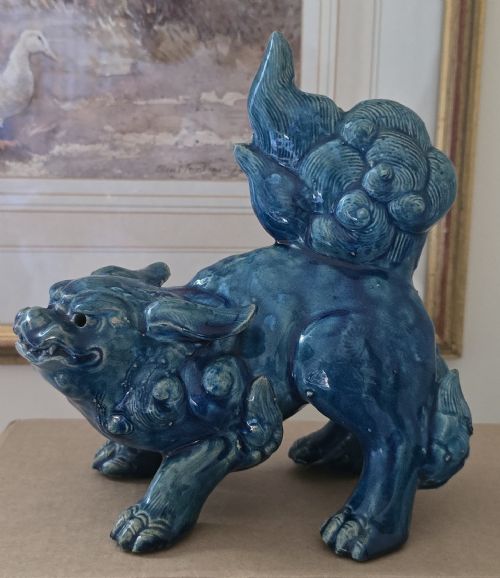
The selection ranges from Victorian Staffordshire spaniels and Wedgwood jasperware to Chinese Shiwan tiger and lion dog sculptures and complex Japanese turquoise-glazed Shishi figures. These objects bridge utilitarian forms like pitchers, jars, and vases with distinct sculptural figures, often incorporating modelled characters climbing across the exterior or forming the central focus of the vessel.
Materials and Technique
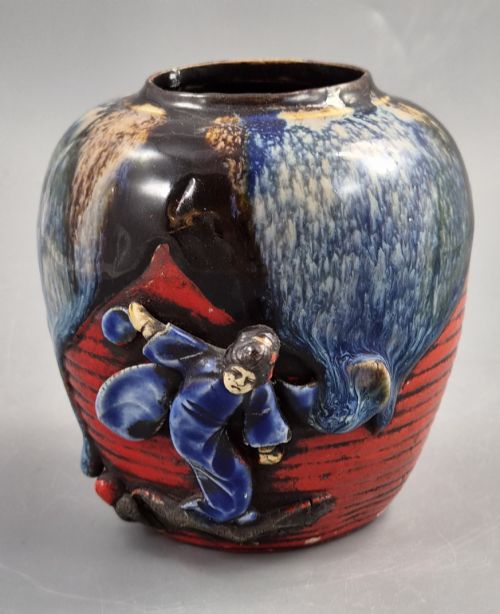
The makers utilised dense stoneware, terracotta, and earthenware bodies, frequently finishing the surfaces with fluid glazes such as flambe, turquoise, oxblood, and yellow tones. These ceramic bases underwent high-temperature firing to achieve durable, vitrified structures capable of holding rich, variable glaze colours.
Many works combine thrown or moulded vessel foundations with hand-modelled applied figures, as seen in the characteristic dripping glazes and relief characters of Sumida Gawa ware. Relief decoration in British traditions relied on crisp moulding techniques, whereas Asian works often display expressive hand-sculpting directly onto the ceramic surface before glazing.
Antique Stoneware Figure Retail Price Guide 2026
Typical asking prices for stoneware figure among the pieces listed under this phrase on Sellingantiques today, from the lower quarter to the upper quarter. They describe what is for sale here now, not the wider market.
Several figures caught mid-climb on Japanese vases appear entirely unfazed by the melting rivers of oxblood and turquoise glaze surrounding them.
Distinctions in Standard
Artisanal signature marks and attribution to known makers elevate certain works, separating standard production pieces from highly individual studio outputs. The complexity of the glaze effects, such as flaking, variation, and control in multi-toned finishes, further distinguishes masterworks from simpler factory iterations.
Berthe Savigny·Inoue Ryosai·Ishiguro Koko
The Antique Stoneware Figure Glossary
- Stoneware
- A robust, vitrified ceramic pottery fired at high temperatures until semi-vitreous and waterproof. It resists chipping better than earthenware and takes dense glazes effectively.
- Flambe glaze
- A streaked, variegated glaze created by chemical reduction during high-firing, producing pools of red, blue, and purple hues. It appears frequently on Asian vessels.
- Jasperware
- A fine-grained, unglazed stoneware developed by Josiah Wedgwood, characterised by contrasting applied white relief figures against a coloured background. It defines much nineteenth-century neoclassical British ceramics.
- Shiwan ware
- Chinese pottery produced in Guangdong province, known for expressive animal and human figures covered in thick, colourful, and richly textured glazes.
- Sumida Gawa ware
- Japanese art pottery originating from Tokyo, distinguished by heavy, melting glazes and modelled figures climbing across the exterior of vases and pitchers.
Antique Stoneware Figure: Frequently Asked Questions
What is an antique stoneware figure?
An antique stoneware figure is a ceramic sculpture or a vessel adorned with modelled human, animal, or mythical characters, fired at high temperatures using durable clay bodies.
These pieces encompass diverse regional traditions, from Japanese Sumida Gawa wares featuring applied figures to Victorian Staffordshire spaniels and Chinese Shiwan pottery.
How were Sumida Gawa figures made?
Makers threw or formed the vessel base on a wheel and then hand-modelled separate human or animal figures, attaching them directly to the exterior before applying dripping flambe or textured glazes.
The entire piece was then fired together, allowing the thick glazes to pool dramatically around the applied relief elements.
How do I date an antique figure?
Dating relies on stylistic markers, glaze chemistry, period characteristics, and occasionally impressed maker marks or signatures found on the base or body.
Nineteenth and early twentieth-century pieces often display specific manufacturing traits, such as the distinctive unglazed patches or signature plaques associated with Japanese and European workshops.
How should I display these ceramics?
Display these weighty pieces on stable, level surfaces away from heavy foot traffic to protect protruding applied figures and delicate handles from accidental knocks.
Ensure adequate lighting highlights the varied textures of the glazes and the fine details of the modelled relief work.