




Antique Stone Vessel
An antique stone vessel brings the weight of geological time and centuries of human carving into a room.
Antique Stone Vessel
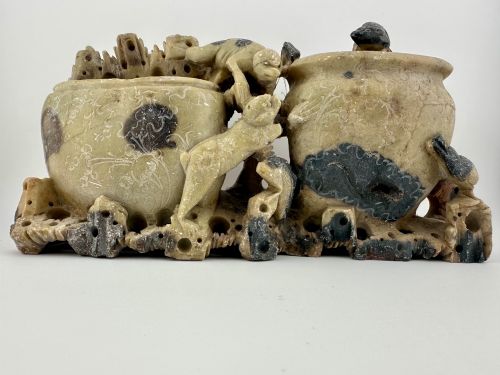
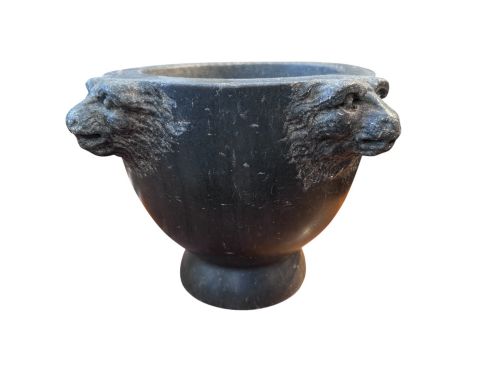
An antique stone vessel spans practical kitchenware and decorative ornament, drawing on materials from simple sandstone to rich marble and jade. When exploring an antique stone vessel, a buyer encounters everything from utilitarian mortars hewn in the seventeenth and eighteenth centuries to Neoclassical grand tour vases carved for nineteenth-century travellers.
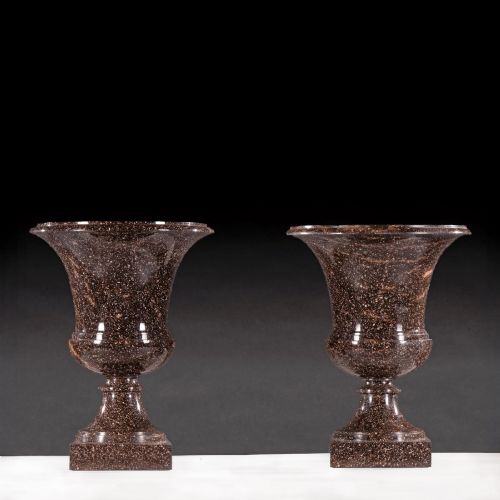
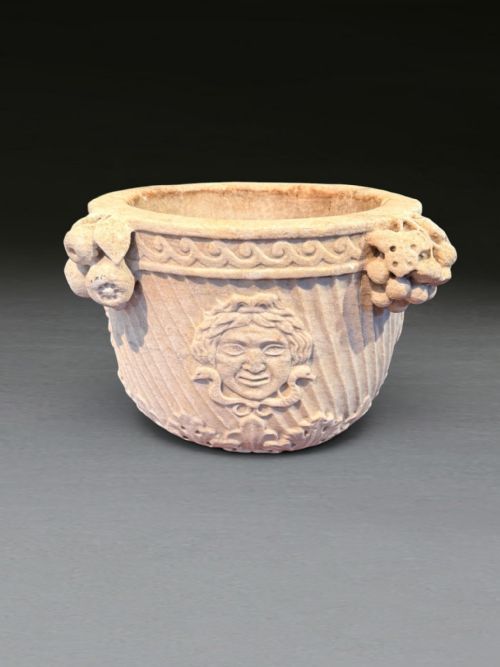
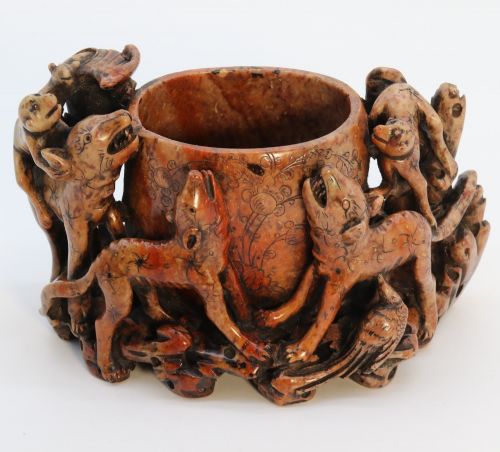
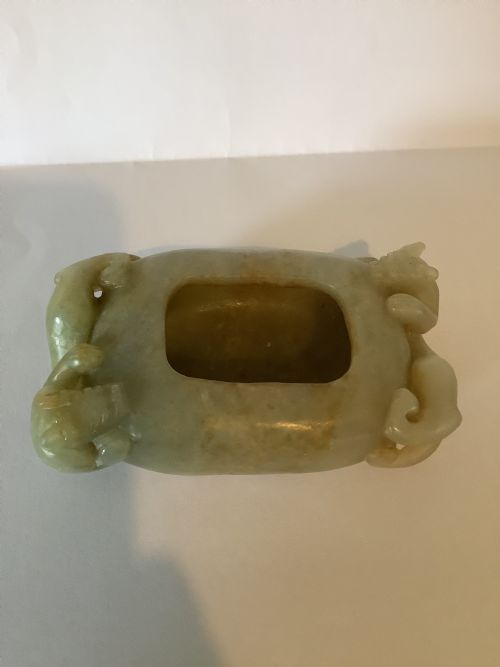
The most common forms on this page include heavy marble kitchen mortars and decorative nineteenth-century campana garden urns or classical vases. Pieces range from austere rustic country kitchenware to elaborate Italian Renaissance marbles and carved Chinese soapstone scholar accessories.
Origins stretch from European workshops in France, Italy, and Sweden to Asian carving centres, employing stones like alabaster, serpentine, basalt, and porphyry. Each object reflects the prevailing architectural taste of its era, whether the restrained lines of the Georgian period or the ornate ornamentation of the Victorian age.
Materials and construction
Makers shaped an antique stone vessel using hard materials such as granite, limestone, marble, and jade, often working entirely by hand with chisels, saws, and abrasive grinding pastes. Softer minerals like soapstone and alabaster allowed for intricate undercut foliage and figural relief, while dense basalts and porphyries demanded immense labour simply to hollow out the core.
Surface finish relies on mechanical abrasion rather than applied coatings, moving from coarse grit to fine stone polishing depending on whether the desired result was a matte rustic texture or a glossy neoclassical sheen. Some items integrate contrasting elements, combining carved stone bodies with cast gilt bronze mounts or champlevé enamel detailing.
Several stone vessels on offer began life grinding spices in rustic kitchens before retiring to display mantels as polished ornaments.
Judging quality in stone carving
Quality in an antique stone vessel rests upon the purity of the material and the precision of the carver's eye when interpreting natural veining and inclusions. Superior pieces exploit the unique flaws and colour shifts of the marble, alabaster, or jade to enhance the three-dimensional form rather than fighting the natural grain.
Proportion and wall thickness dictate the success of hollow forms, where lesser examples suffer from heavy, clumsy rims or clumsy bases that betray a lack of architectural understanding. The crispness of carved details - whether fluted columns on a campana urn or the delicate relief of a scholar brush washer - separates routine workshop output from masterwork carving.
The Antique Stone Vessel Glossary
- Campana urn
- A bell-shaped vessel with a flaring rim and a pedestal foot, heavily favoured during the Neoclassical and Regency periods. These forms mimic ancient Roman garden pottery.
- Pietra dura
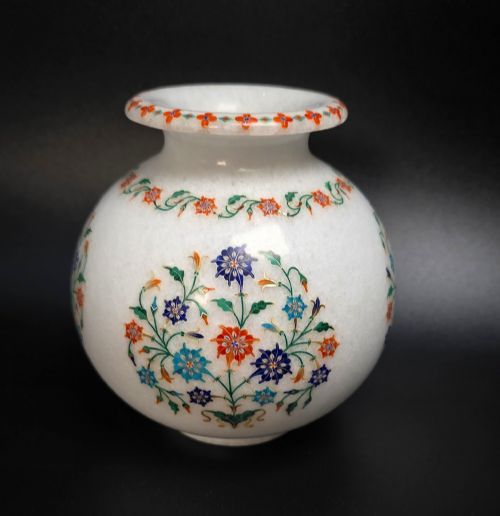
- An artistic technique of using inlaid cut and fitted polished coloured stones to create images. This method appears on marble vases from the Raj period.
- Mortar
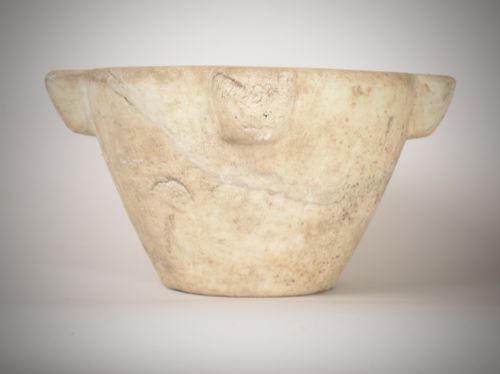
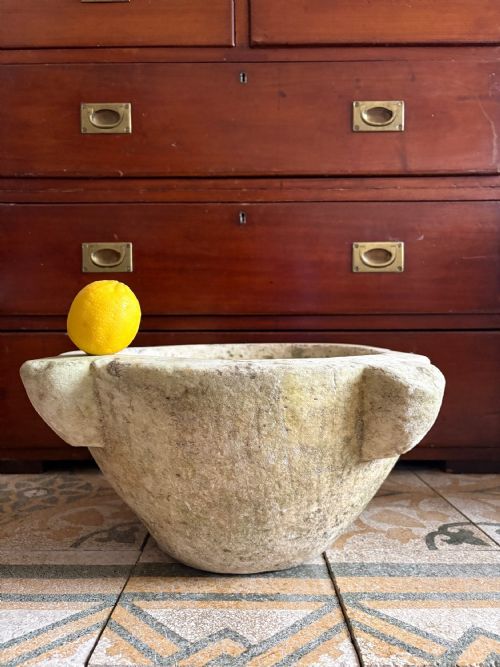
- A heavy bowl-shaped vessel used with a pestle for grinding materials in kitchen or apothecary settings. Eighteenth-century examples often display substantial stone walls and simple lug handles.
- Tazza
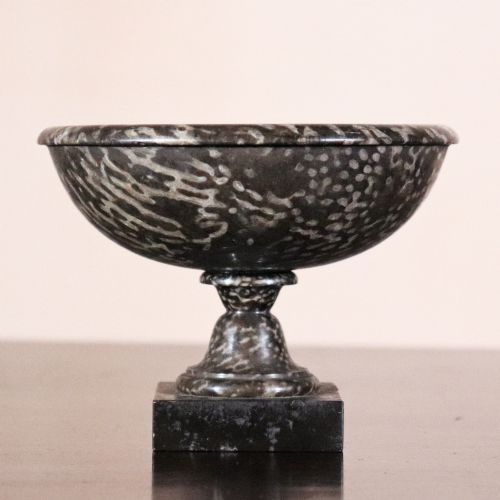
- A shallow saucer-like ornamental dish mounted on a stem and foot. They are frequently carved from decorative marbles like Ashford or malachite during the nineteenth century.
- Archaistic
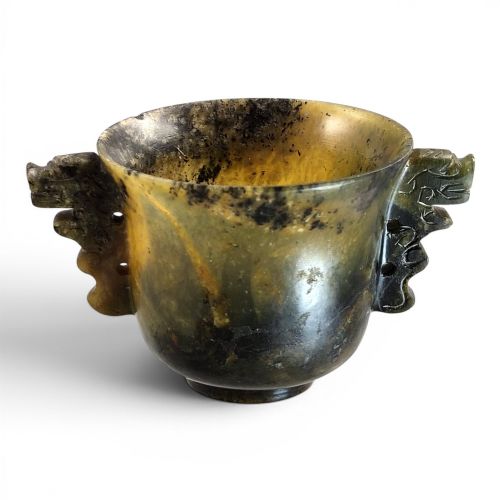
- A style in decorative arts that consciously imitates the forms and ornamentation of ancient dynasties. This term frequently describes Chinese jade and soapstone vessels.
Antique Stone Vessel: Frequently Asked Questions
Were these stone vessels used outdoors?
Many larger forms, particularly campana garden urns and oil jars, were explicitly designed to withstand external elements in courtyards or formal gardens. These items utilise weather-resistant stones like sandstone and hard limestone.
Interior items such as soapstone brush washers, jade cups, and alabaster vases belong strictly indoors. Exposure to frost and moisture will fracture softer stones and ruin polished finishes.
How can I tell the period of a marble mortar?
Early kitchen mortars from the seventeenth and eighteenth centuries typically display tool marks from hand chiselling and simpler, heavier proportions. Their surfaces show genuine wear from centuries of physical grinding.
Later nineteenth-century pieces often exhibit more mechanical turning marks on the interior and sharper exterior mouldings influenced by Neoclassical revival tastes.
What is Grand Tour marble?
Grand Tour marble objects are decorative vases, tazzas, and urns acquired by wealthy European travellers visiting Italy during the eighteenth and nineteenth centuries. They served as portable souvenirs of classical antiquity.
These pieces showcase prized geological specimens like serpentine, alabaster, and malachite, often carved by local workshops in Rome or Florence.