




Antique Stone Pot
An antique stone pot brings enduring weight and architectural presence to a garden or study.
Antique Stone Pot
When you search for an antique stone pot, you encounter an array of vessels designed for both horticulture and domestic use, spanning several centuries. The selections range from heavy garden planters and campana urns to delicate scholarly desk accessories like soapstone brush pots.
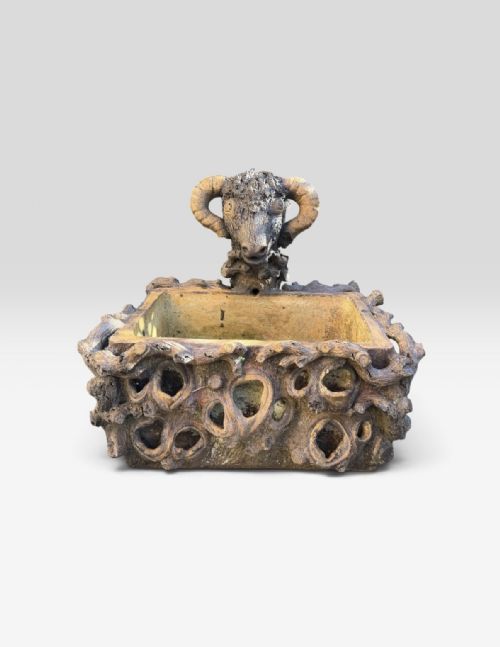
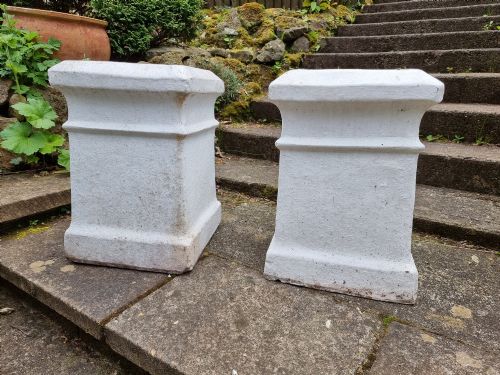
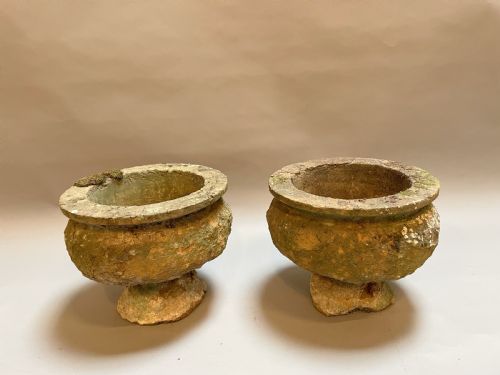
The pieces represented in this category draw from various eras, including Victorian garden ornaments, twentieth-century reconstituted stone troughs, and earlier carved marble or soft stone vessels. Garden forms predominate, often appearing in pairs designed to flank entrances or paths.
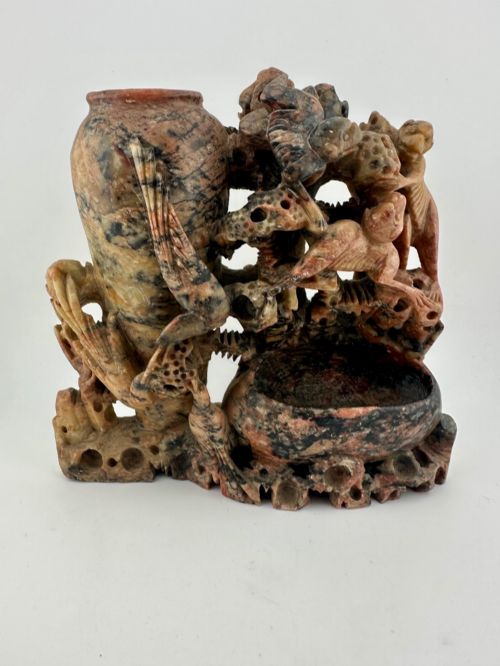
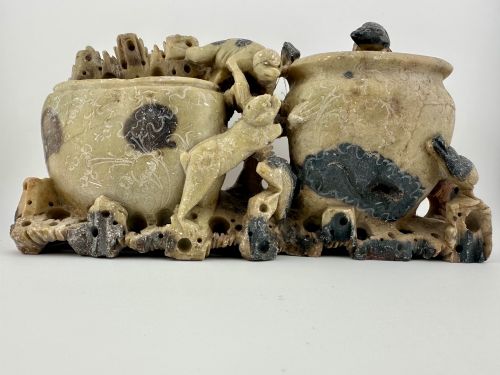
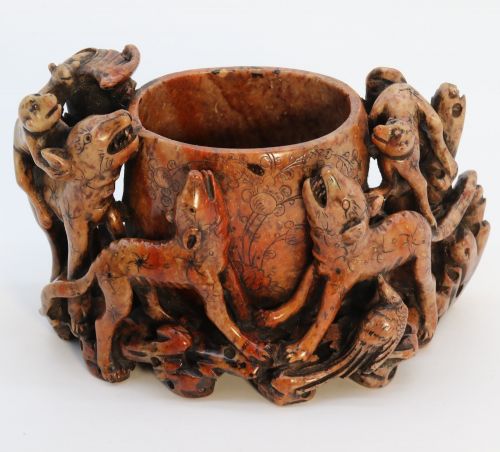
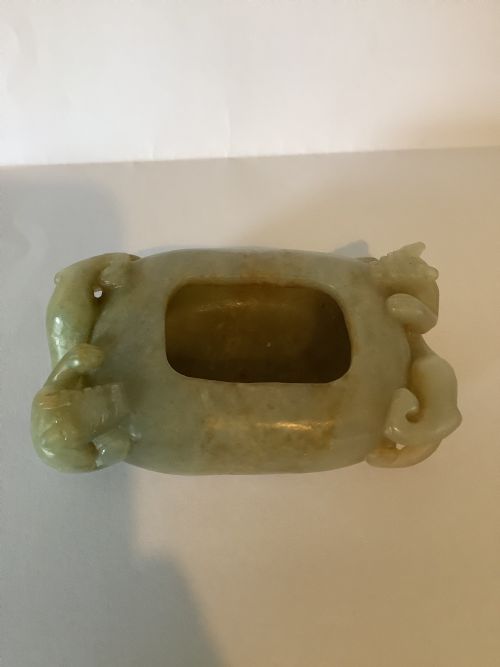
Indoor items also emerge within this grouping, notably Chinese carved soapstone and jade brush washers intended for a scholar's desk. This mix reflects how utility and ornament overlap across different cultural traditions in stonework.
Materials and construction
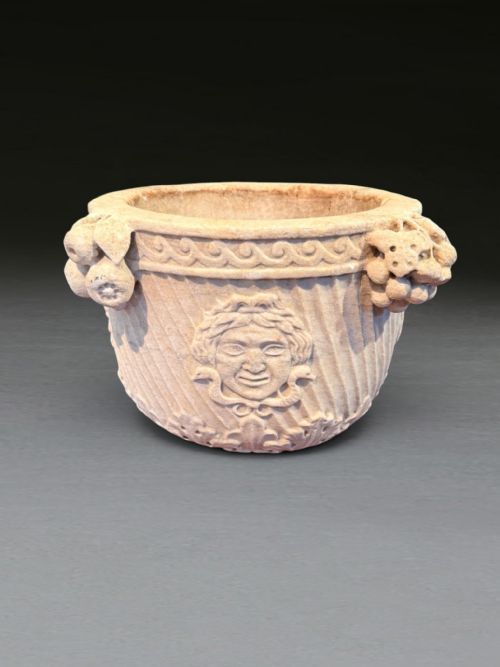
Makers utilised a variety of geological and manufactured materials, ranging from natural marbles and soft stones to terracotta and cast iron. Carved pieces rely on direct subtraction from solid blocks, evident in the detailed relief work on nineteenth-century urns and sixteenth-century Italian marble.
Other items employ moulded or reconstituted compositions, such as salt-glazed surfaces and cast stone mixtures designed to withstand outdoor weathering. Soapstone and jade objects receive meticulous hand-carving to produce smooth, tactile surfaces suitable for scholarly implements.
Antique Stone Pot Retail Price Guide 2026
Typical asking prices for stone pot among the pieces listed under this phrase on Sellingantiques today, from the lower quarter to the upper quarter. They describe what is for sale here now, not the wider market.
One extraordinary planter incorporates reclaimed stone salvaged directly from the Houses of Parliament after the Blitz in the nineteen-forties.
Distinctions in quality
Quality in these vessels rests upon the depth of the carving, the integrity of the material, and the natural character of the weathering. Superior garden urns display crisp, confident relief moulding and harmonious proportions that retain their balance even after decades of exposure to the elements.
For desk accessories and smaller vessels, the refinement of the stone carving and the absence of crude repairs determine the grade. Pieces fashioned from dense, finely grained stone or high-grade soapstone demonstrate superior craftsmanship compared to coarser, hastily finished utility items.
Andrew Handyside
The Antique Stone Pot Glossary
- Campana urn
- A bell-shaped garden vessel with an everted rim, widely produced in cast iron, terracotta, and stone during the nineteenth century. These classical forms usually sit upon a short pedestal base.
- Soapstone
- A talc-schist metamorphic rock prized by carvers for its soft, soapy texture and ease of manipulation. It appears frequently in Chinese scholar's desk objects such as brush pots and washers.
- Reconstituted stone
- A manufactured composite material made from crushed natural stone and a binder, cast in moulds to imitate carved masonry. It offers durability for garden planters while replicating traditional stone textures.
- Salt glaze
- A vitreous coating formed by throwing common salt into a kiln during high-temperature firing, creating a durable, glossy finish. This technique appears on specific Victorian garden vessels.
- Brush pot
- A cylindrical container used in East Asian traditions to hold writing brushes upright on a desk. They are carved from materials including soapstone, jade, and hardwoods.
Antique Stone Pot: Frequently Asked Questions
How do I clean an old stone pot?
Gentle washing with warm water and a soft brush preserves the accumulated patina and protects the surface crust. Avoid high-pressure washers or harsh chemical detergents that can erode soft stone or strip historical weathering.
Allow the vessel to dry naturally after cleaning. Leaving organic buildup undisturbed often enhances the visual character of outdoor garden pieces.
Can these garden urns stay outside in winter?
Most stone, cast iron, and reconstituted vessels tolerate cold weather, provided they do not hold stagnant water that freezes and expands. Elevating planters on small feet prevents moisture from trapping against the base.
For delicate marbles or porous soft stone, moving them under cover during severe frost prevents structural cracking. Proper drainage is essential for all outdoor planters throughout the year.
What is a campana urn?
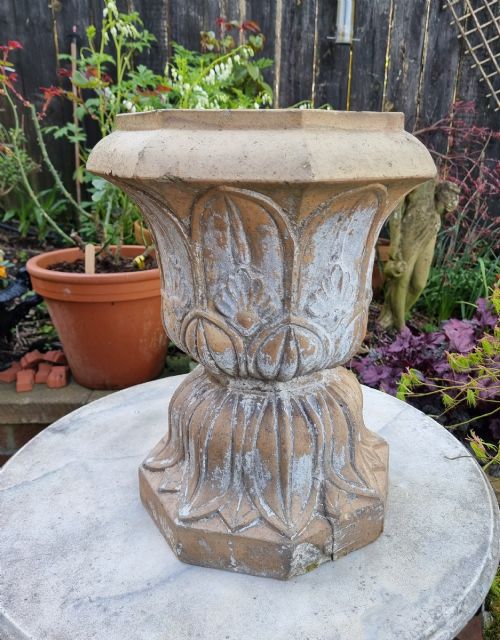
A campana urn is a traditional garden ornament shaped like an inverted bell, popularised during the nineteenth century. These pieces feature a flared rim and often rest on a square plinth or stepped base.
Victorian makers cast them in iron, terracotta, and stone to decorate grand lawns and formal terraces. Their classical silhouette remains a staple of period garden design.
How do I distinguish soapstone from jade?
Soapstone possesses a noticeably softer, waxier feel and can be scratched with a fingernail or metal point. Jade is an extremely hard mineral that resists scratching and feels cool and dense in the hand.
Scholar's objects utilise both materials, but their weight and surface resistance immediately set them apart. Visual examination under good light reveals the fibrous internal structure characteristic of jade.