





Antique Stone Objects
These antique stone objects are solid, carved items from the eighteenth and nineteenth centuries that bring genuine geological weight and historic character to a room.
Antique Stone Objects
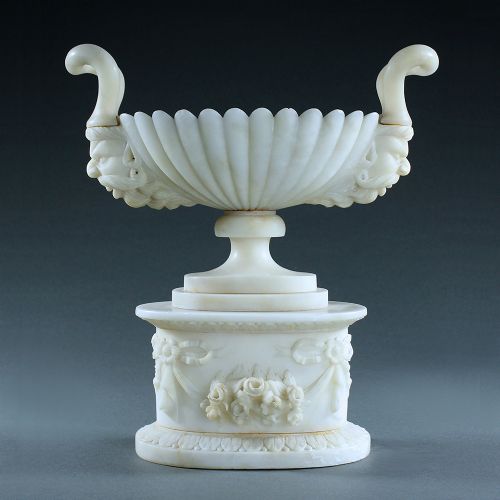
When you search for antique stone objects, you encounter a remarkably diverse range of items spanning domestic desk accessories, miniature sculptures, and decorative vessels. The pieces listed here draw primarily from nineteenth-century origins, alongside select eighteenth-century works and early twentieth-century examples.
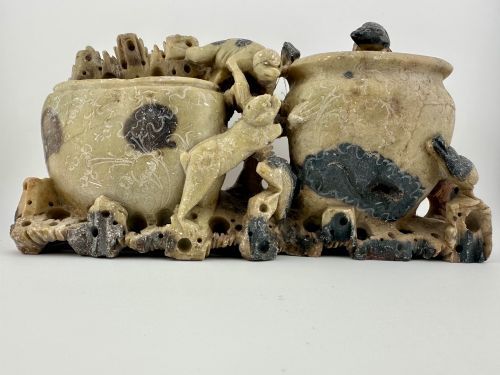
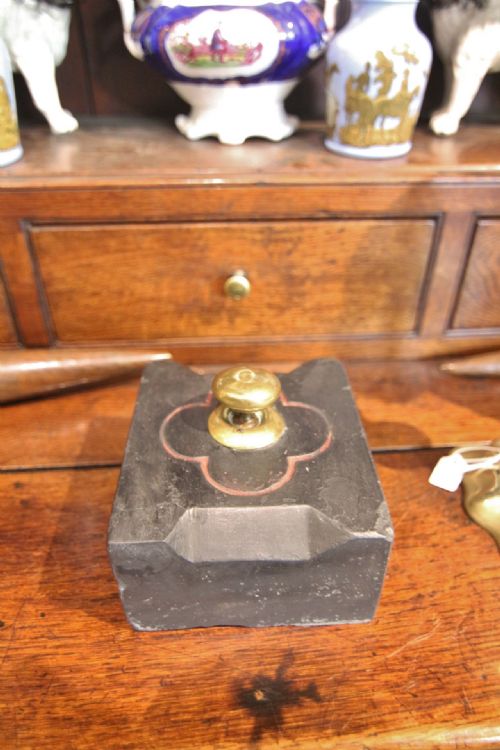
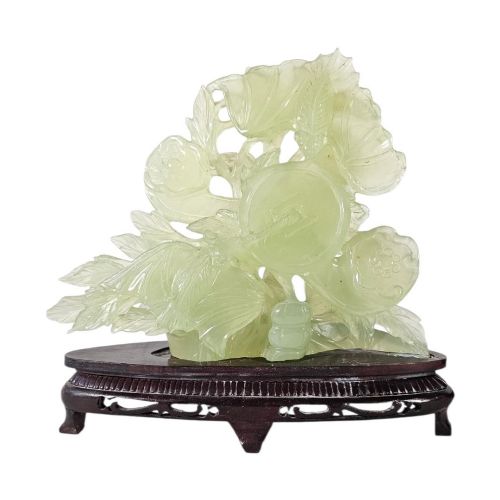
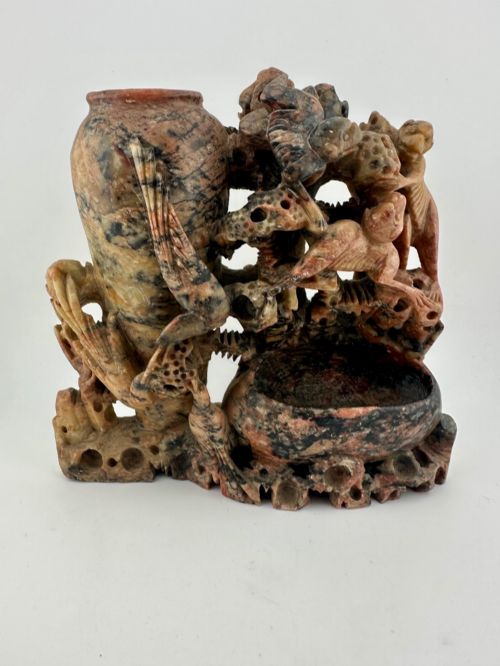
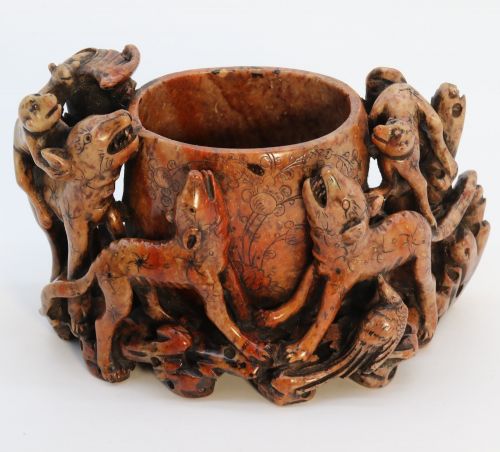
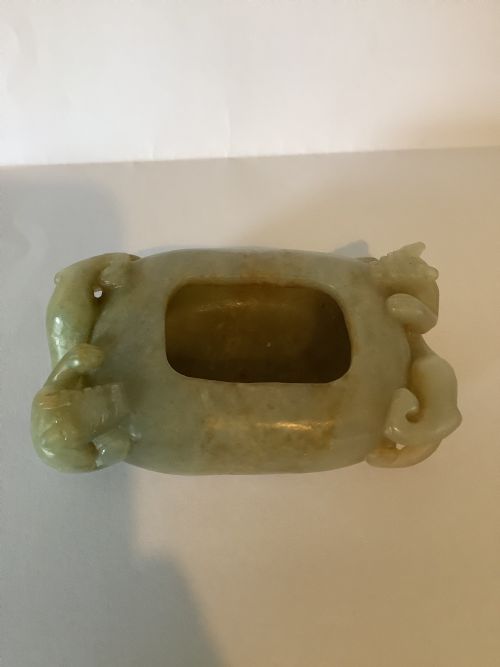
Chinese scholar's items dominate the selection, particularly soapstone and jade brush washers, brush pots, seals, and ink stone display sets. Alongside these Asian works, European examples appear in the form of Italian specimen marble pieces, Grand Tour marble chambersticks, and Scottish curling stones.
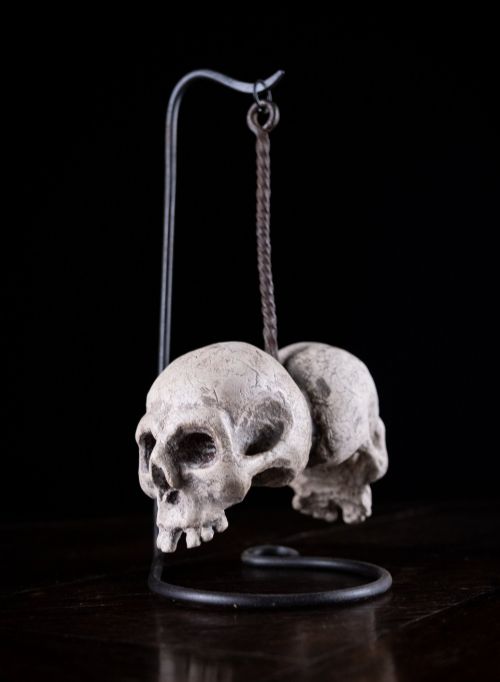
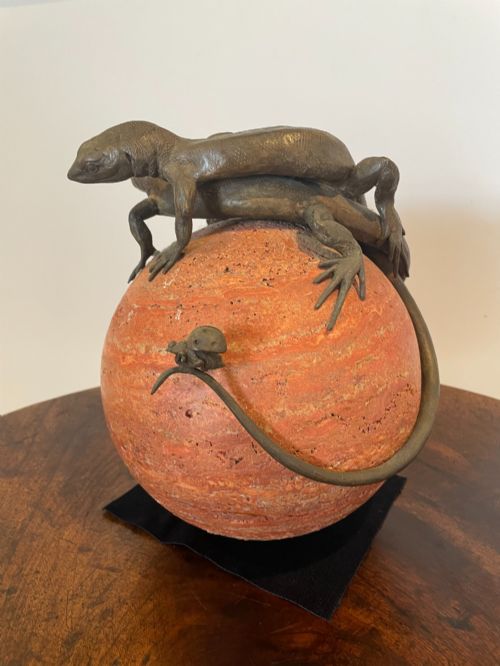
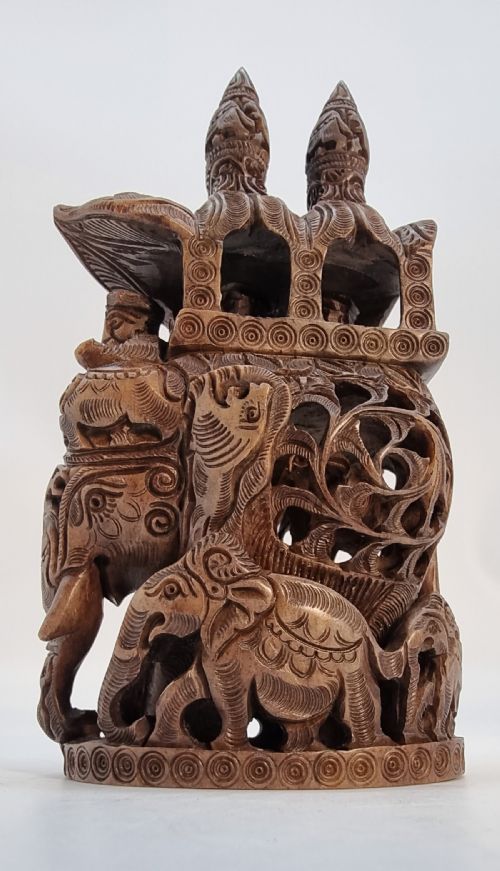
The forms vary widely from practical desk items like seals and etui cases to purely decorative sculptures of animals, fish, and portraits. Buyers most frequently meet soapstone and marble pieces, followed closely by jade carvings and specialised mineral objects.
How they were made
The materials recorded in these listings rely heavily on the natural properties of soapstone, steatite, jade, and various marbles, including black and specimen marble. Artisans shaped these dense minerals using hand-carving and polishing techniques suited to the hardness of each specific stone.
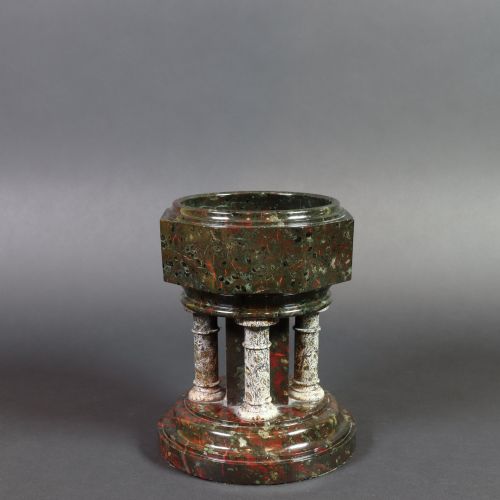
Certain objects incorporate mixed media, such as bronze mounts or gold mounts paired with green blood stone. Sculptural works and desk accessories demonstrate manual abrasion, incision, and detailed relief carving.
Antique Stone Objects Retail Price Guide 2026
Typical asking prices for stone objects among the pieces listed under this phrase on Sellingantiques today, from the lower quarter to the upper quarter. They describe what is for sale here now, not the wider market.
The listings here feature soapstone, marble, jade, and hard stone across nineteenth-century and earlier forms.
What varies in quality
The choice of raw material also dictates value, with well-chosen pale green and russet jade or finely variegated specimen marbles outperforming plain, uniform blocks. The harmony between the natural grain of the stone and the chosen form marks the superior items in this group.
The Antique Stone Objects Glossary
- Soapstone
- A talc-schist mineral that is soft and easily carved, frequently utilised for Chinese scholar's objects.
- Jade
- A tough, dense gemstone historically carved in China into miniature sculptures, brush washers, and incense burner bowls.
- Pietra Dura
- An Italian technique of inlaying cut and fitted polished coloured stones to create decorative designs.
- Grand Tour
- A nineteenth-century tradition where travellers collected classical souvenirs such as marble chambersticks and architectural models.
- Scholar's Desk Group
- Items associated with traditional Chinese literati, including brush pots, washers, seals, and ink stones.
Antique Stone Objects: Frequently Asked Questions
What is a brush washer used for?
A brush washer is a small vessel designed to hold water for cleaning calligraphy and painting brushes. Scholars used them on their desks alongside ink stones and brush pots.
In historic settings, these vessels were often carved from jade or soapstone with decorative motifs like dragons or fish integrated into the basin.
How do I care for antique stone items?
Antique stone objects require minimal maintenance, typically needing only a gentle dust with a soft, dry cloth. Avoid harsh chemical cleaners and abrasive cloths that can scratch softer minerals like soapstone.
Keep them away from direct sunlight and sudden temperature shifts to protect both the stone surface and any metal mounts.
What is an ink stone display set?
An ink stone display set is a collection centered around a specialised stone slab used for grinding solid ink sticks with water. These sets often include ornamental stones and matching accessories.
They reflect the traditional writing practices of Chinese scholars and are valued for both their utility and their decorative presentation.
How are soapstone carvings dated?
Dating soapstone carvings involves examining the tool marks, style of the carving, and any character marks or seals inscribed on the base. Stylistic cues often link pieces to specific periods like the Qing Dynasty or the Republic Period.
Material wear and the natural patina developed over decades also help indicate the age of an object.