


Antique Stone Necklace
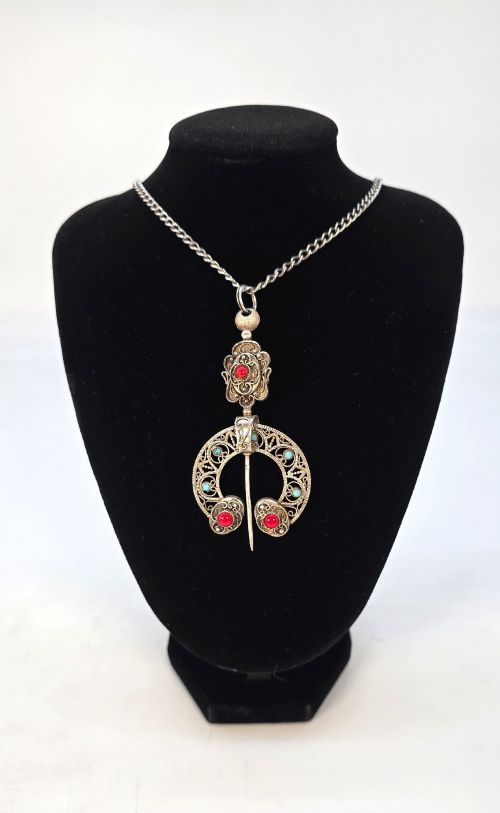
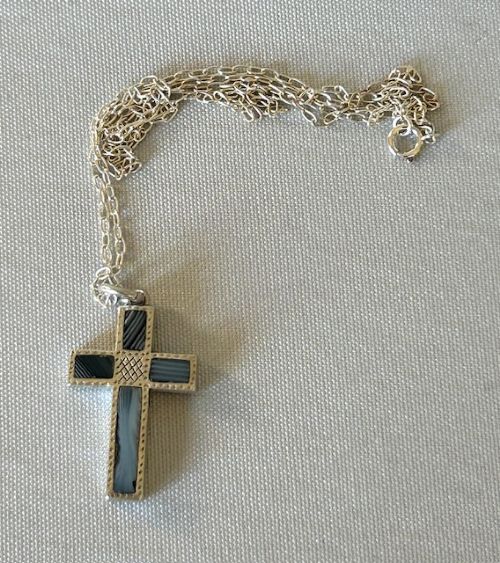
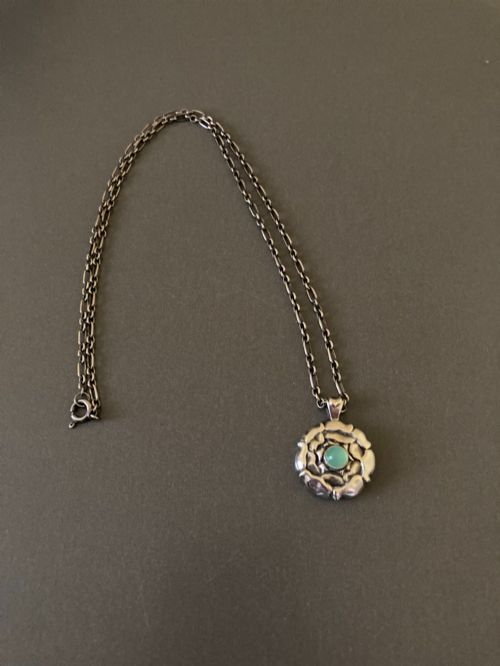
An antique stone necklace brings together centuries of carved gems and precious metals, offering wearable colour and historic craftsmanship.
Antique Stone Necklace
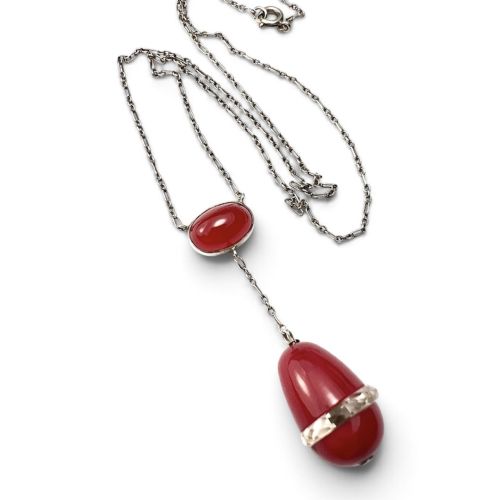
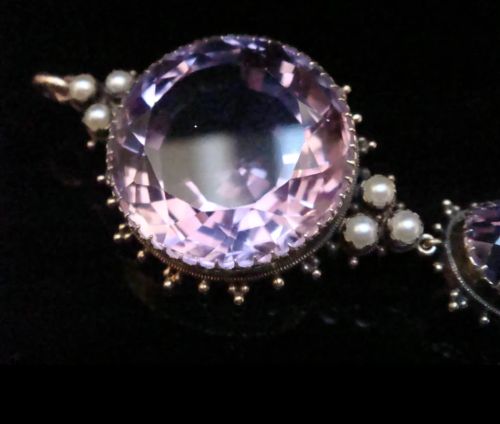
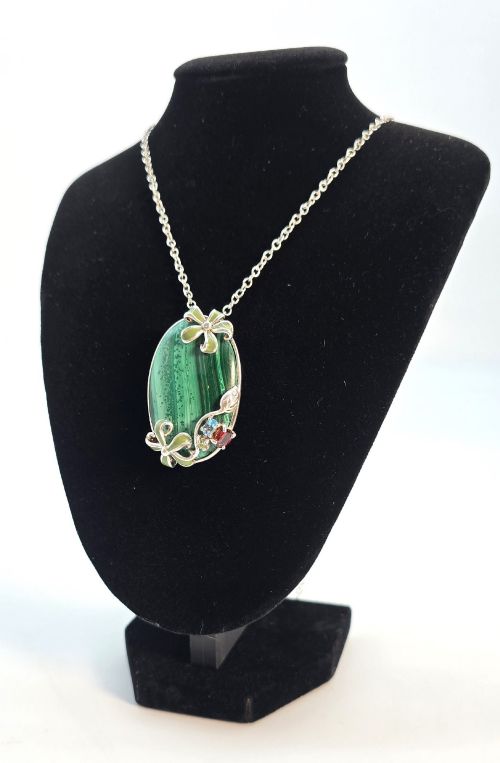
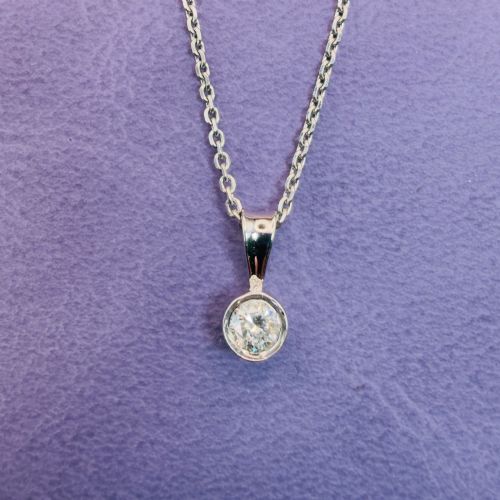
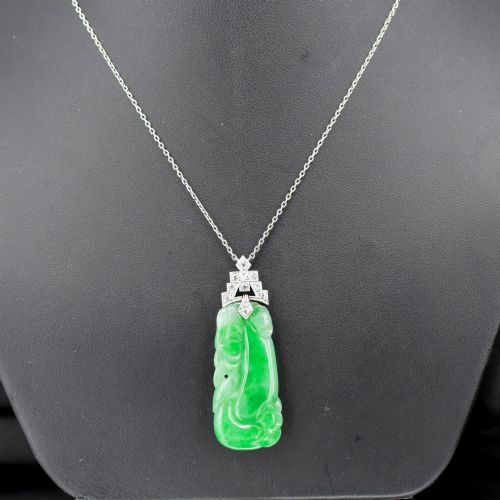
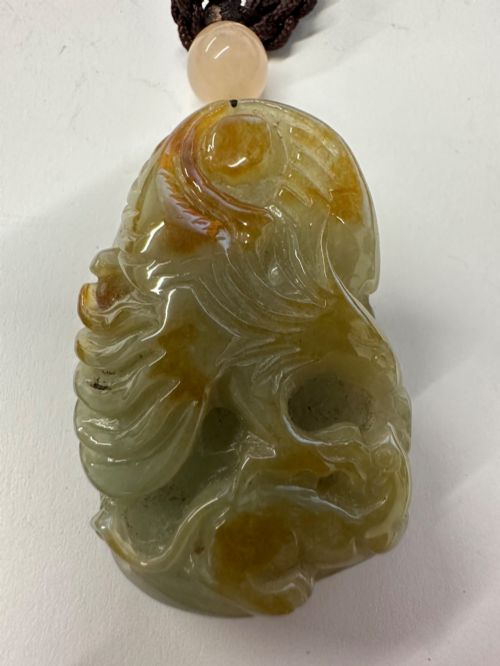
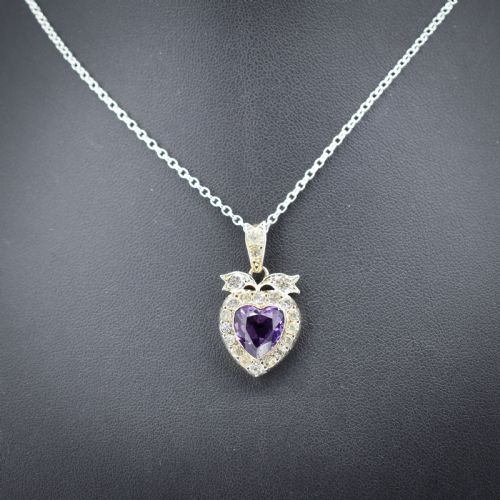
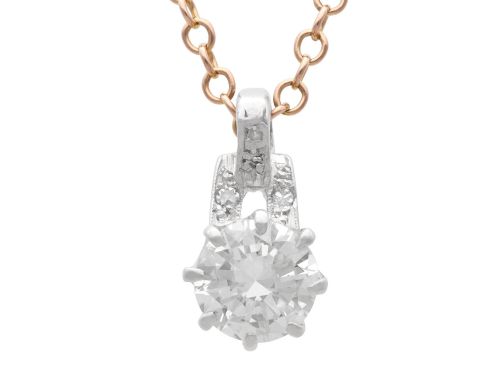
The materials range from deep purple amethysts and green peridots to turquoise, carnelian, lapis lazuli, and diamonds, mounted in yellow gold, rose gold, white gold, platinum, and silver. Pieces often incorporate seed pearls or paste stones alongside the primary minerals.
Originating largely from British and European workshops, these items reflect the dominant decorative movements of their decades, including the flowing lines of Art Nouveau and the geometric symmetry of the 1920s and 1930s.
How they were made
Goldsmiths and silversmiths shaped 9ct gold, 15ct gold, 18ct gold, platinum, and silver by hand, using techniques like wire twisting for fringe drops and bezel settings for stones. Amethysts, garnets, zircons, and opals were cut in shapes suited to the period, from cabochons to faceted drops.
Artisans integrated seed pearls and enamel work to accent the central mineral stones, fastening pendants to chains with delicate loops and clasps.
Antique Stone Necklace Retail Price Guide 2026
Typical asking prices for stone necklace among the pieces listed under this phrase on Sellingantiques today, from the lower quarter to the upper quarter. They describe what is for sale here now, not the wider market.
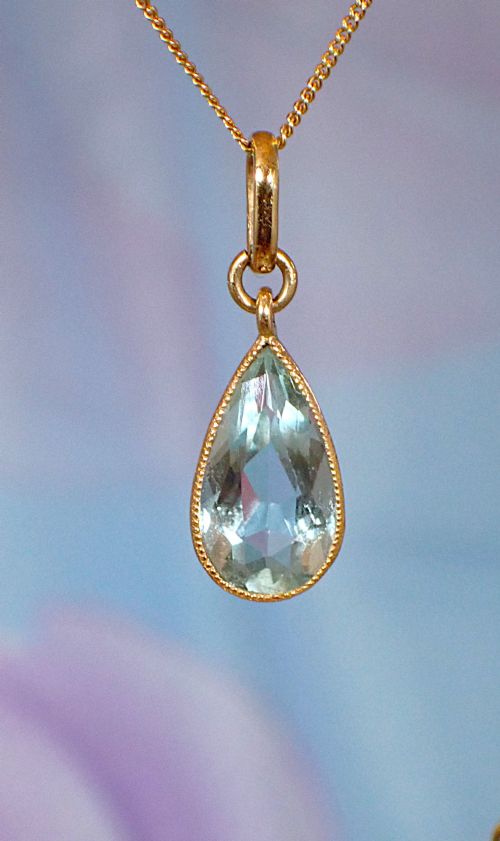
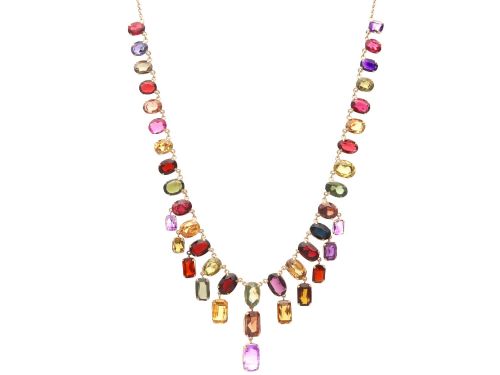
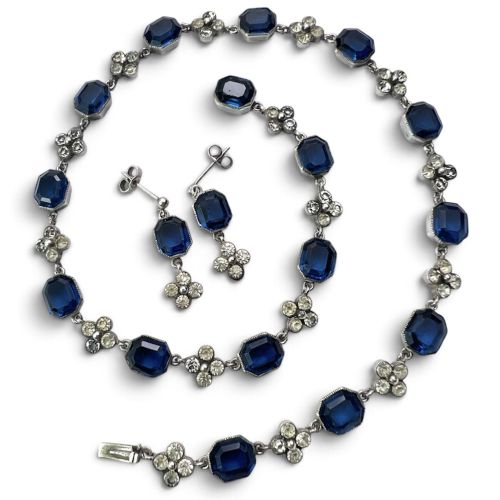
Listings feature items spanning the Victorian, Edwardian, and Art Deco periods, utilising amethysts, garnets, opals, and diamonds set in gold and silver.
What varies in quality
Quality rests in the depth of colour and clarity of the stones, the weight and purity of the gold or silver mount, and the intricacy of the metalwork. Hand-finished fringe settings and balanced proportions distinguish finer examples from standard production.
The integration of secondary gems like seed pearls and diamonds alongside the main stone demonstrates the level of care taken by the maker.
S. Blanckensee & Son
The Antique Stone Necklace Glossary
- Fringe necklace
- A necklace design featuring hanging drops or pendants suspended at regular intervals along the length of the chain. These drops often showcase graduated stones.
- Lavalier
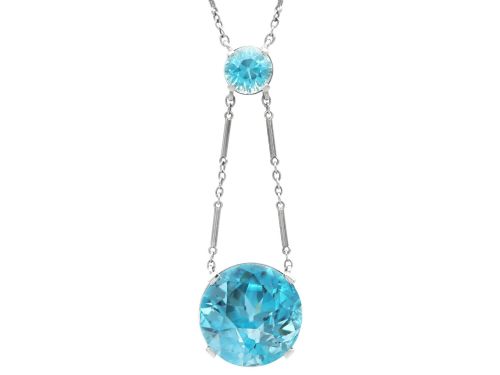
- A necklace style featuring a central pendant suspended from a smaller drop or chain section, popular during the Edwardian period. It typically draws the eye downward with an asymmetrical or flowing drop.
- Paste
- Hand-cut and polished lead glass used to imitate gemstones in historic jewellery. It was often backed with coloured foil to enhance its brilliance.
- Cabochon
- A gemstone shaped and polished with a smooth, rounded surface rather than faceted edges. This cut is common for opals, garnets, and moonstones.
- Negligee necklace
- A necklace featuring two unequal pendants hanging from a central connector, which emerged during the Edwardian era. It offers a delicate, elongated silhouette.
Antique Stone Necklace: Frequently Asked Questions
How do I wear an antique stone necklace safely?
Pair your necklace with garments that feature simple necklines to let the pendant or fringe design remain the focal point. Avoid wearing delicate pieces during active physical tasks.
Store each necklace flat or hung individually in a lined box to prevent chains from tangling and stones from scratching against other items.
How do I clean a stone necklace?
Use a soft, dry cloth to gently wipe away surface dust from the metal and stones after wearing. Avoid harsh chemical dips, ultrasonic cleaners, or hot water, particularly for porous minerals like opals and pearls.
Take the piece to a specialist jeweller if it requires deeper cleaning or if the stone settings loosen over time.
How can I tell Victorian from Edwardian styles?
Victorian pieces often feature robust goldwork, deep garnet or amethyst stones, and sentimental motifs like lockets or fobs. The metal tends to have a warmer yellow or rose tone.
Edwardian designs favour lighter platinum and white gold settings, delicate seed pearls, and airy openwork lace patterns inspired by garlands and ribbons.