



Antique Stone Mosaic
Antique stone mosaic brings together hard marbles and coloured minerals into dense, tactile pictures and furniture tops that collectors prize for their intricate craft.
Antique Stone Mosaic
When you search for antique stone mosaic, you encounter works built from hard minerals, marbles, and lapidary specimens assembled into decorative panels, functional boxes, and tables. These items reflect the Grand Tour travels of the nineteenth century, bringing classical motifs and Italian craftsmanship into British homes.
The pieces on this page span the nineteenth century, including Victorian interpretations and specific Italian imports. You will find small jewellery caskets alongside large centre tables and decorative obelisks.
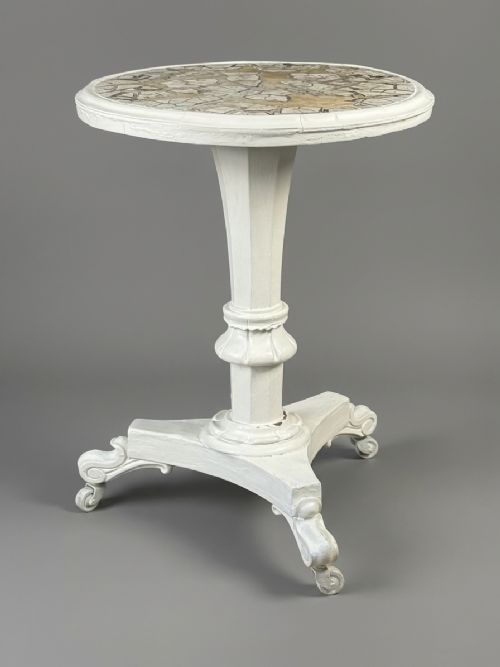
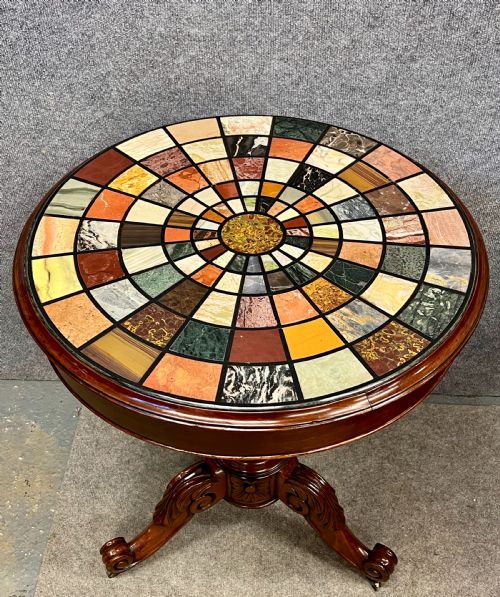
Framed wall panels and heavy specimen marble tables dominate the forms, often utilising black marble bases to set off colourful inlaid stones. Every object relies on precise stone-cutting to form pictorial scenes or geometric patterns.
How they were made
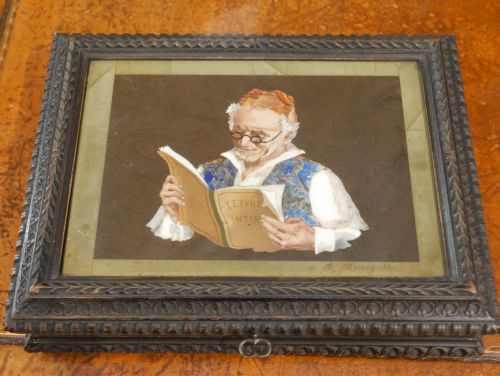
Maker workshops cut hard stones, marble, malachite, jasper, and slate into thin sections to form detailed pictorial and geometric surfaces. Artisans embedded these precise tesserae into a solid stone or ebonised wood matrix.
Makers often mounted these inlaid panels into ormolu frames, jewellery caskets, or table tops. The assembly frequently involved pairing black marble or slate backgrounds with brightly coloured mineral inlays to heighten the visual contrast.
Antique Stone Mosaic Retail Price Guide 2026
Typical asking prices for stone mosaic among the pieces listed under this phrase on Sellingantiques today, from the lower quarter to the upper quarter. They describe what is for sale here now, not the wider market.
The listings span the nineteenth century, concentrating heavily on Victorian and Grand Tour productions utilising marble, malachite, and slate.
What varies in quality
The precision of the stone joints dictates the standard of the piece, as tight, seamless fitting between adjacent minerals requires exceptional lapidary skill. Gaps filled with excessive cement or mastic indicate a less accomplished hand.
The selection and variety of geological specimens elevate certain examples above standard decorative wares. Using diverse stones like malachite and jasper to depict natural subjects demonstrates a higher level of ambition.
The Antique Stone Mosaic Glossary
- Pietra Dura
- An Italian mosaic technique using precision-cut hardstones fitted together to create pictorial scenes. This method defines many nineteenth-century Italian and Florentine decorative objects.
- Grand Tour
- A cultural journey undertaken by wealthy nineteenth-century travellers across Europe, acquiring local crafts like specimen marble tables and mosaic panels. These souvenirs form the core of this collecting category.
- Ashford Marble
- A dark limestone from Derbyshire used for Victorian inlay work and decorative obelisks. It mimics black marble and accepts colourful floral stone inlays.
- Ormolu
- Gilded bronze mounts applied to furniture, boxes, and caskets. Makers used these metal accents to frame and protect stone mosaic panels.
- Specimen Marble
- Marbles and hardstones gathered from various classical sites and assembled into tabletops or paperweights. Each coloured section records a different geological origin.
Antique Stone Mosaic: Frequently Asked Questions
What is pietra dura?
Pietra dura is a lapidary technique where hard stones are sliced and fitted closely together to form pictorial designs. Artisans polish the assembled surface until it reads as a continuous stone painting.
This method appears frequently on nineteenth-century Italian boxes, panels, and tables. The stones used include marbles, malachite, and jasper.
How do I date these pieces?
Dating relies on stylistic clues, materials, and structural context associated with the nineteenth century. Victorian and Grand Tour examples often carry specific regional markers from Italian workshops.
Examine the mounting hardware, backing woods, and the type of marble used for the base. Ormolu mounts and ebonised wood frames help narrow down the decade of production.
Where were these items made?
Production centred largely in Italy, particularly Florence, where lapidary workshops supplied tourists on the Grand Tour. British centres like Derbyshire also produced distinct regional variants using local stone.
Italian pieces often feature pictorial scenes or intricate floral panels, while British work frequently utilises Ashford marble for candlesticks and obelisks.
How should I care for stone mosaic?
Keep stone mosaic surfaces away from direct sunlight and sudden temperature shifts to protect the underlying adhesives. Dust the intricate joints gently with a dry, soft cloth.
Avoid using liquid cleaners or polishes that might seep between the fitted stone tesserae. Professional conservation is necessary if any of the tiny stone sections become loose.