



Antique Stone Inlay
Antique stone inlay brings together hardstones, marble and precious minerals into tables, clocks and desk pieces made to catch the light.
Antique Stone Inlay
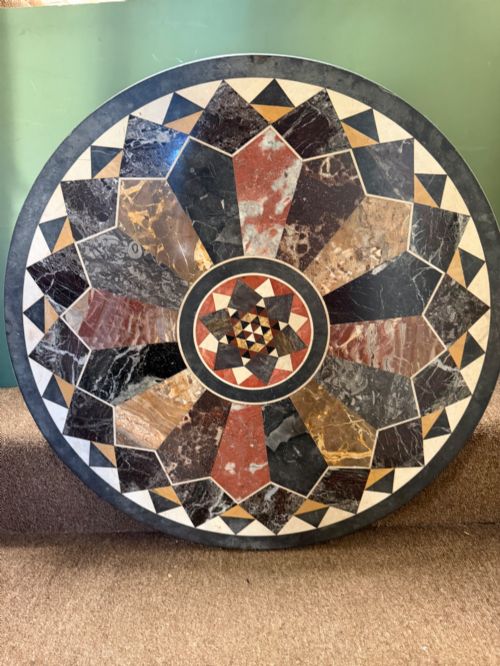
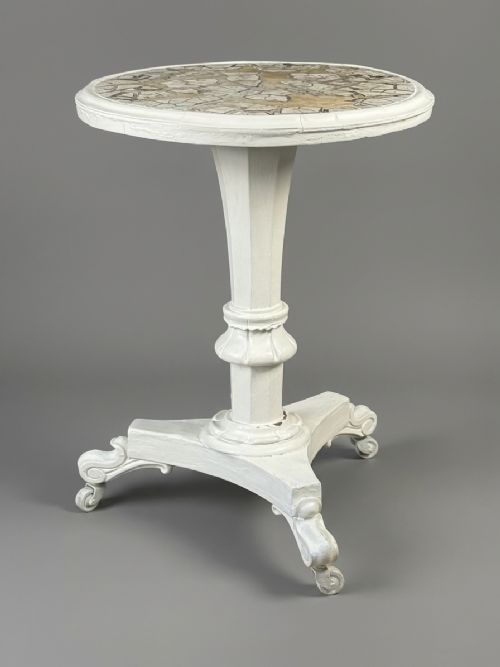
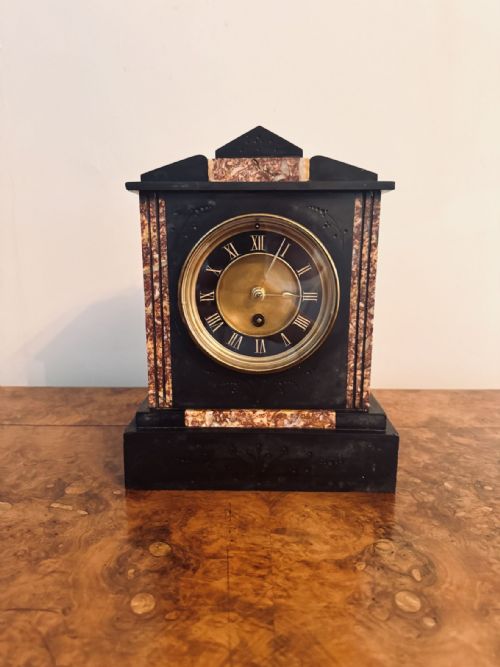
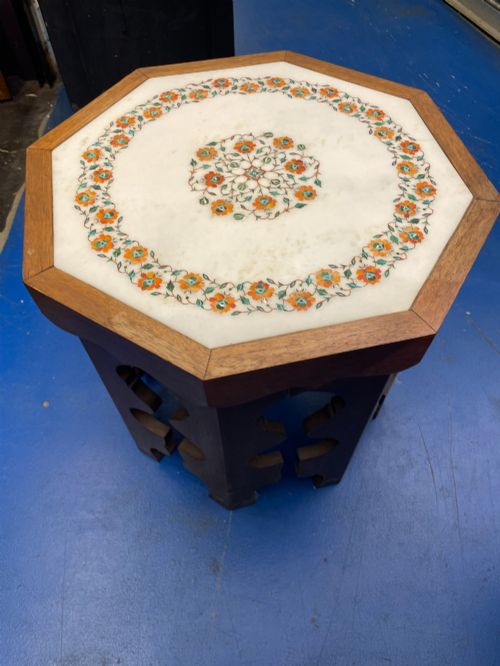
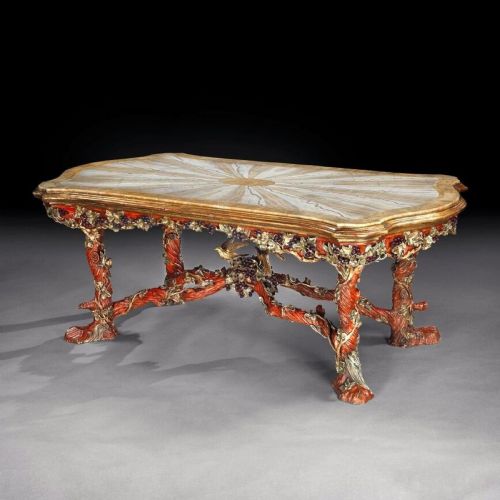
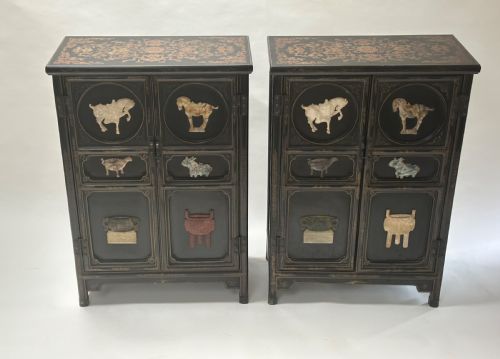
When you search for antique stone inlay, you encounter surfaces composed of marble, slate and black marble fitted with malachite, lapis lazuli, agate and quartz. The pieces range from small paperweights and trinket boxes to mantel clocks, occasional tables and large side cabinets.
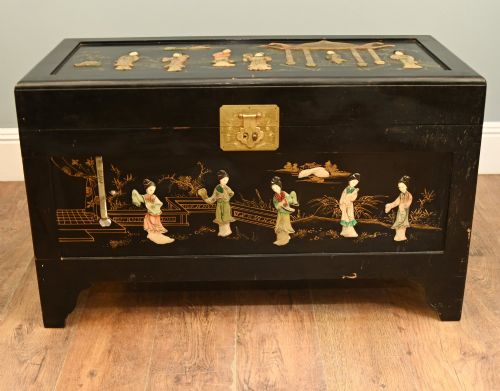
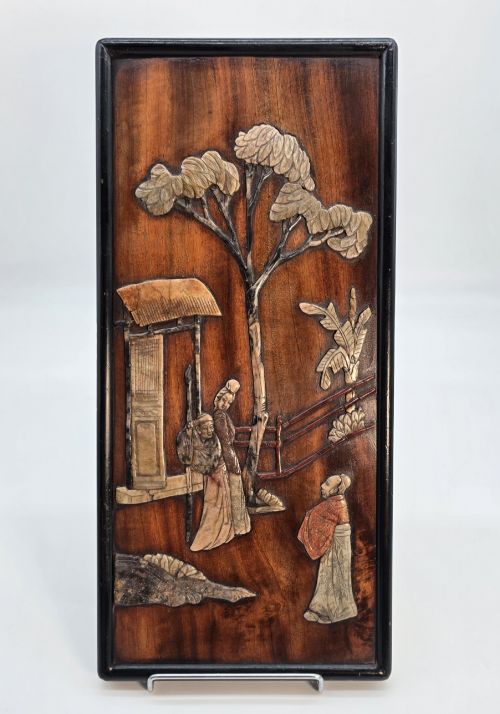
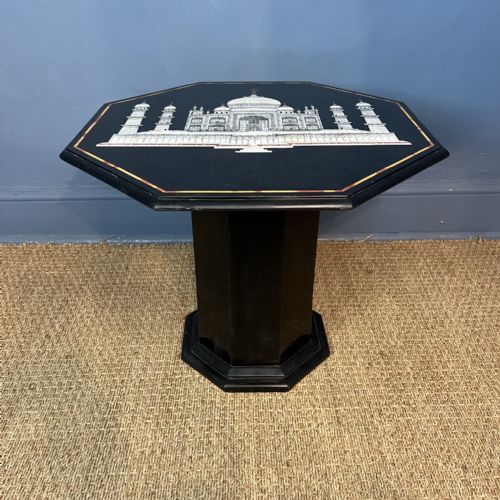
You are most likely to meet Italian pietra dura panels and Victorian marble pieces created during the nineteenth century, alongside Grand Tour souvenirs and Anglo-Indian or Chinese works incorporating mother-of-pearl and hardstones.
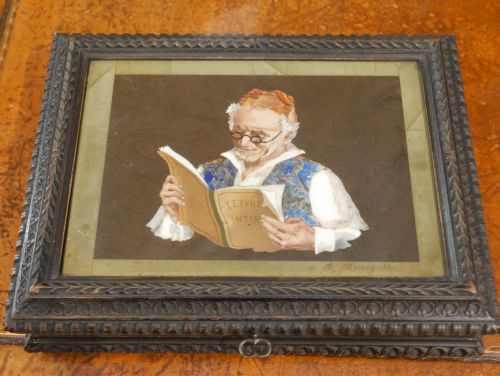
Table tops, inkstands and wall art dominate the forms, each utilising precision-cut mineral slices arranged in geometric patterns or pictorial compositions of flora and fauna.
Materials and construction
The foundation structures rely on heavy bases of black marble, Siena marble, ashford marble or ebonised wood, carved and polished to a mirror finish. Artisans channelled these solid stone grounds to recess thin sections of contrasting coloured minerals.
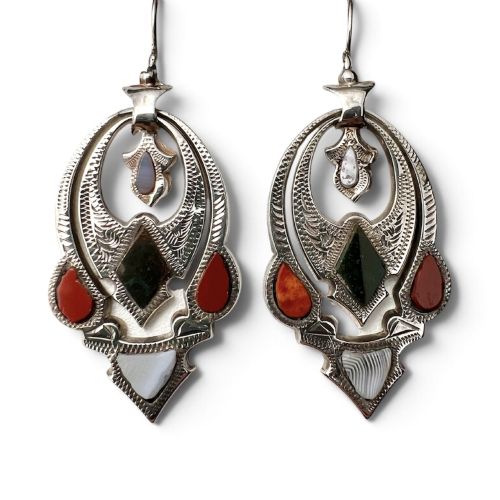
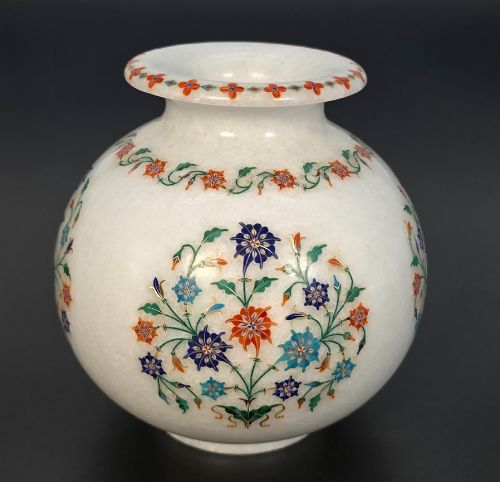
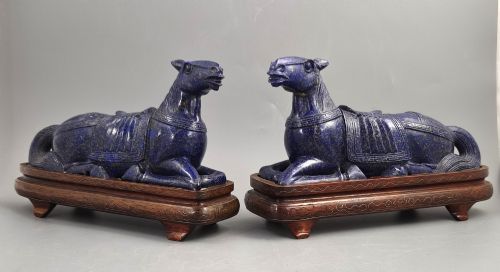
Inlayers employed malachite, lapis lazuli, rose quartz and various specimen marbles, cutting each stone section by hand to fit flush into the bed. Silver mounts, brass frames, alabaster and bronze components often secure or edge the assembled mineral panels.
Antique Stone Inlay Retail Price Guide 2026
Typical asking prices for stone inlay among the pieces listed under this phrase on Sellingantiques today, from the lower quarter to the upper quarter. They describe what is for sale here now, not the wider market.
Stone inlay tables let you own a slice of geological history arranged by someone who spent hours filing rock edges with sand and water.
Assessing quality in stone inlay
The distinction between ordinary and superior pieces rests entirely upon the precision of the stone joints and the variety of mineral specimens utilised. Top-tier works exhibit microscopic mortar lines between individual tesserae, where the hand-cut stones meet so tightly that the surface reads as a single continuous painting.
Lower grades depend on thicker plaster grouting to mask wider gaps between the inlaid elements. The choice of raw materials also dictates standing, with rich deposits of lapis lazuli, malachite and fine pictorial marble marking out the ambitious productions of Florentine and Victorian workshops.
Woodley family
The Antique Stone Inlay Glossary
- Pietra dura
- An Italian term for the technique of inlaying cut and polished coloured stones into a base to create pictorial or geometric designs. It translates literally as hard stone.
- Ashford marble
- A Derbyshire limestone, mostly black, inlaid with coloured minerals in geometric or floral motifs. It gained great popularity during the Victorian era for obelisks and desk items.
- Specimen marble
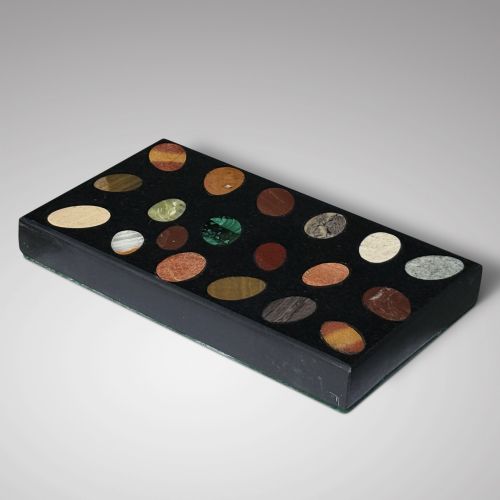
- Marble collected from various international quarries and assembled to display a range of geological colours and patterns. These were popular on Grand Tour tables and paperweights.
- Tesserae
- The individual small cut pieces of stone or mineral fitted together to form the mosaic pattern of an inlay. Their uniformity indicates the skill of the lapidary.
Antique Stone Inlay: Frequently Asked Questions
How do I clean antique stone inlay?
Dust surfaces gently with a soft, dry cloth without applying water or modern chemical cleaners. Moisture can seep into fine joints and degrade old adhesives.
Polish the marble or slate surrounds occasionally with a neutral wax if the stone appears dry, but keep polish away from unsealed mineral inlays.
Are these pieces waterproof?
Antique stone inlay surfaces are not waterproof and suffer damage if exposed to standing liquids or damp environments. Inkstands and boxes often feature delicate mineral veneers that lift when wet.
Keep these objects away from windows with direct sunlight and high humidity to protect the integrity of the stone beds.
Where were these items made?
Production centred largely around workshops in Florence, Italy, alongside English centres in Derbyshire and various regional European ateliers. Grand Tour travellers brought many items back from Italy during the nineteenth century.
Asian export workshops in China and India also produced distinct traditions using lapis lazuli, mother-of-pearl and marble.
How do I date a stone inlay piece?
Dating relies on the base material, the framing style and the mechanical fixings used on the reverse or interior. Victorian pieces often use heavy black marble and specific brass fittings, while Italian Grand Tour items feature distinct specimen marble palettes.
Compare the bevel edges and wood types on boxes and tables to establish the manufacturing period.