

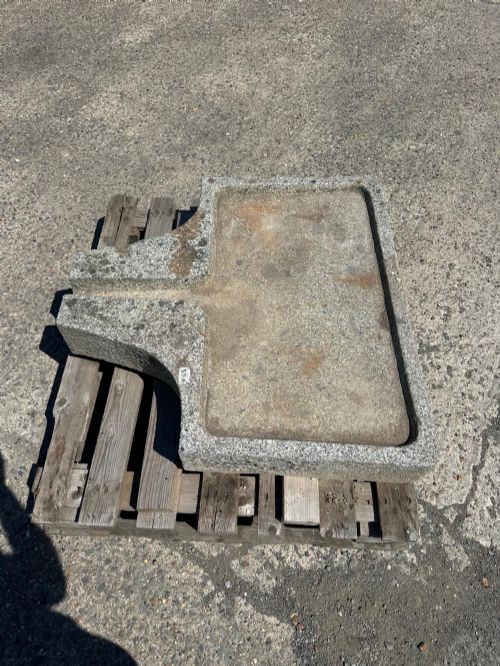
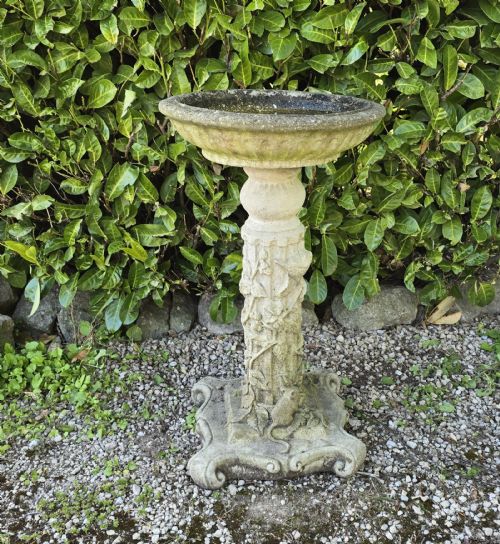



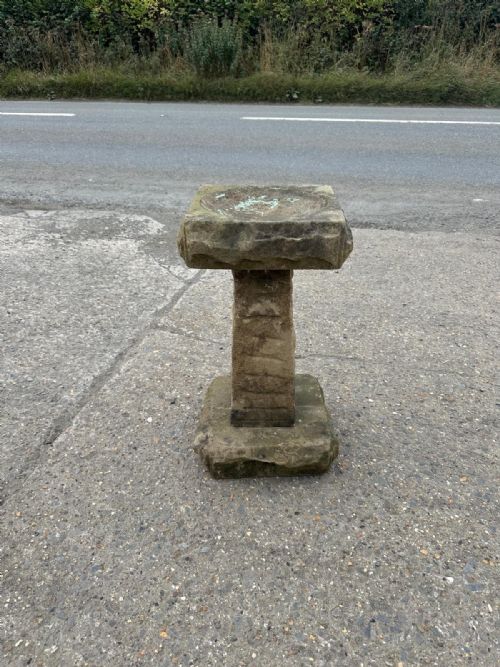
Antique Stone Garden Feature
An antique stone garden feature brings permanence to a border, weathering through decades in sandstone, granite or limestone.
Antique Stone Garden Feature
An antique stone garden feature encompasses architectural salvage, bird baths, planters, and functional items like staddle stones and millstones for outdoor spaces. The selection ranges from robust 18th-century granite and sandstone pieces to Edwardian cast stone and later mid-century garden ornaments.
What varies in quality
The quality of an antique stone garden feature rests in the integrity of the material, the depth of hand-carving, and the honesty of the weathering. Natural geological variations in granite, sandstone, and Purbeck stone mean each block ages with distinct character.
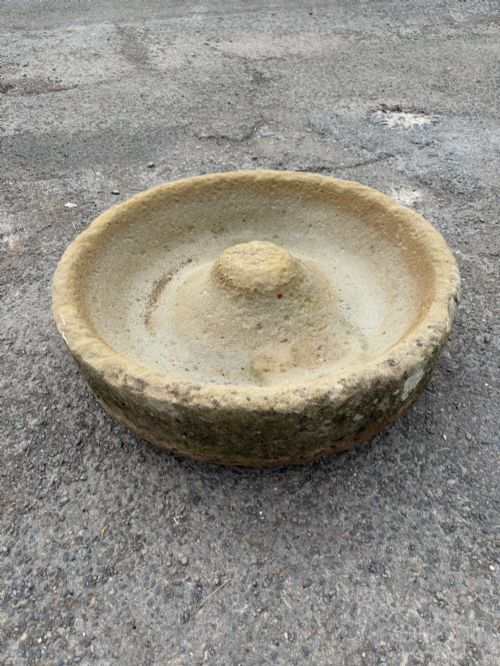
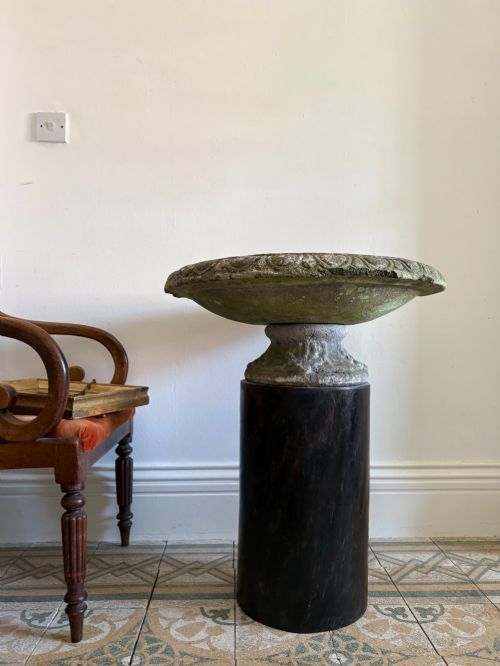
Proportion and form separate utilitarian agricultural items, such as grindstones and staddle stones, from decorative architectural pieces like neoclassical birdbaths and marble cisterns. Surface patination, including genuine moss and lichen growth, reflects the length of time exposed to the elements.
Antique Stone Garden Feature Retail Price Guide 2026
Typical asking prices for stone garden feature among the pieces listed under this phrase on Sellingantiques today, from the lower quarter to the upper quarter. They describe what is for sale here now, not the wider market.
Listings feature items spanning the eighteenth century through to the 1950s, utilising granite, sandstone, limestone, marble, and cast stone.
The Antique Stone Garden Feature Glossary
- Staddle stone
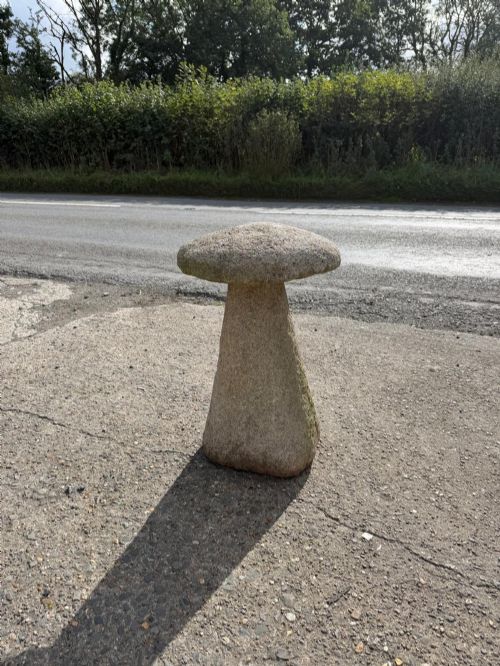
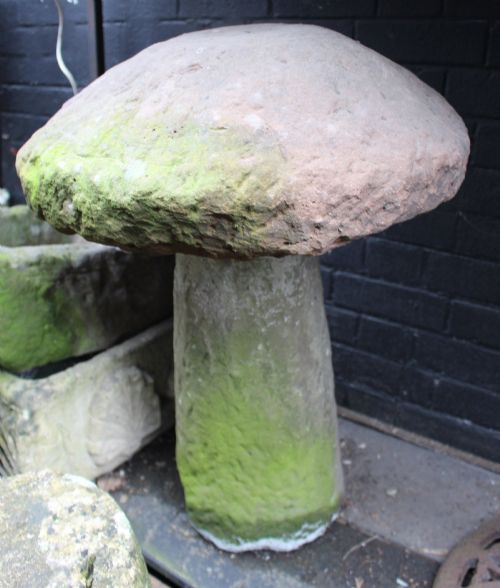
- A mushroom-shaped support block formerly used to elevate granaries and barns off the damp ground. They are carved from granite, sandstone, or limestone.
- Cast stone
- A refined building product manufactured from aggregate and cementitious binders to emulate natural cut stone. It gained popularity during the Edwardian period for ornamental garden items.
- Architectural salvage
- Building elements and decorative ornaments recovered from older structures and estates. This category includes cisterns, altars, and large ornamental crowns.
- Purbeck stone
- A fossiliferous limestone quarried on the Isle of Purbeck in Dorset. It exhibits distinctive shell fragments and takes a fine texture when worked.
Antique Stone Garden Feature: Frequently Asked Questions
How do I clean an antique stone bird bath?
Gentle washing with water and a soft bristle brush removes loose dirt while preserving the aged surface. Aggressive scrubbing or chemical cleaners damage delicate stone and strip away desirable moss and lichen.
Allow the stone to dry naturally after cleaning. Avoid pressure washers, which pit softer materials like sandstone and cast stone.
Can staddle stones stay outside in winter?
Granite, sandstone, and hard limestone staddle stones withstand frost and freezing temperatures without protection. Their dense composition resists moisture penetration and subsequent cracking during winter months.
Softer cast stone or porous limestone items benefit from being raised off wet winter ground or covered during severe freezes.
How do I date a stone garden ornament?
Tool marks, material composition, and style provide the primary clues for dating garden stone. Hand-chiselled granite and sandstone typically point towards eighteenth or nineteenth-century vernacular production.
Edwardian and later twentieth-century pieces often utilise cast stone or reconstituted materials with neoclassical revival motifs. Natural weathering provides a general indication of exposure rather than a precise manufacture date.