




Antique Stone Charm
These antique stone charm selections bring together carved minerals, precious metals, and historical periods for your collection.
Antique Stone Charm
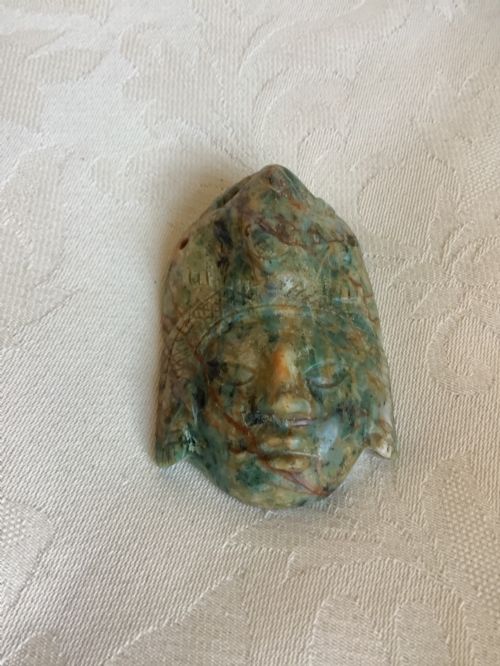
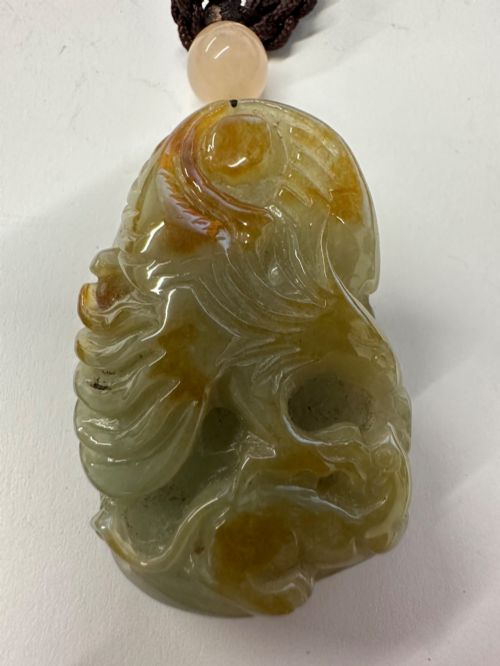
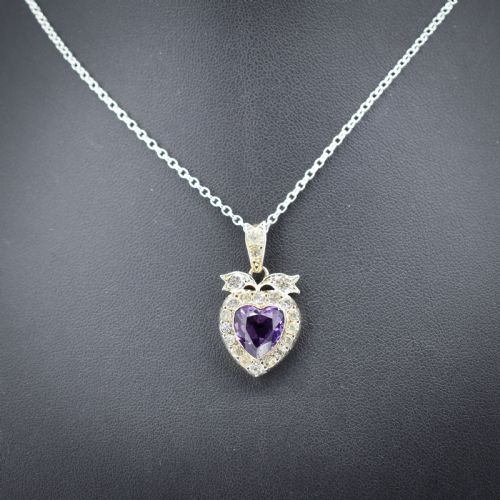
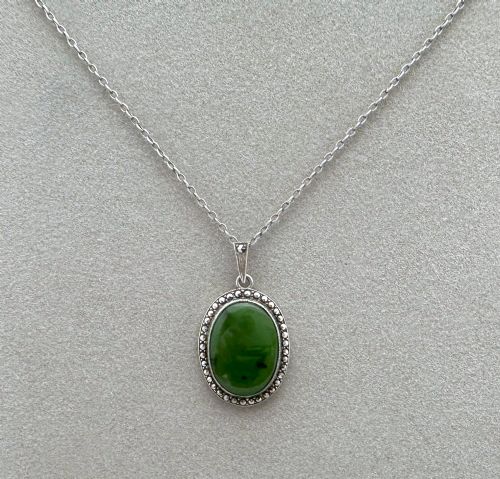
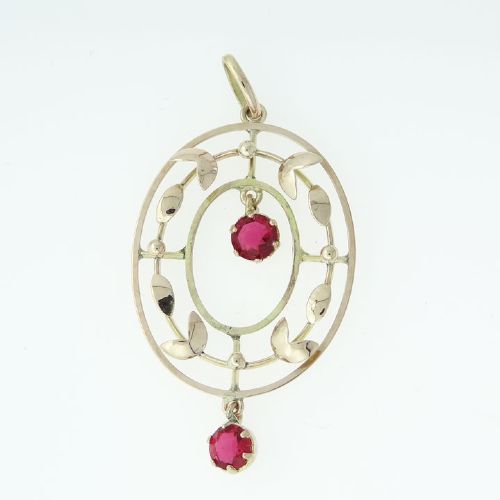
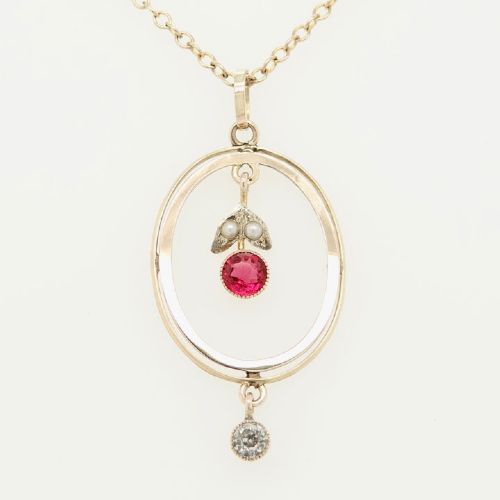
An antique stone charm incorporates natural minerals, gems, and lapidary work into wearable pendants, fobs, and pocket watch keys. You encounter pieces spanning the Georgian, Victorian, Edwardian, and Art Deco eras, alongside mid-century examples.
Pendants and watch keys dominate the current offerings, often displaying detailed metalwork alongside the central stone. The pieces reflect design movements from classic fine jewellery to Art Nouveau and Art Deco aesthetics.
Materials and construction
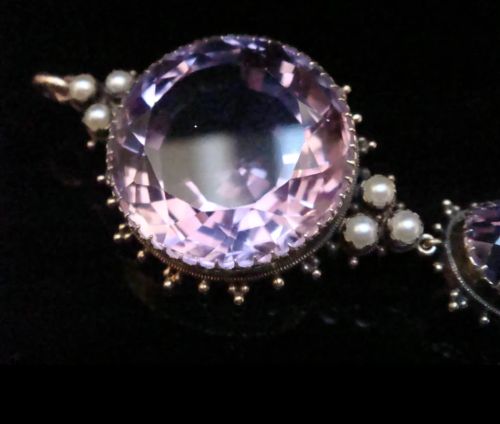
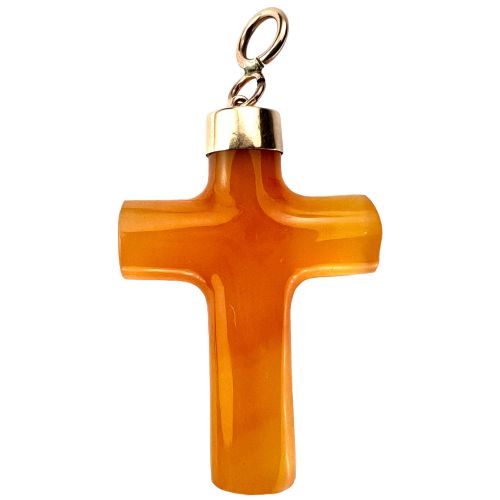
Goldsmiths and silversmiths utilised 9ct gold, 15ct gold, 18ct gold, and sterling silver to set hardstones and gems. Stones like carnelian, agate, bloodstone, and amethyst were shaped into cabochons, carved seals, and faceted drops.
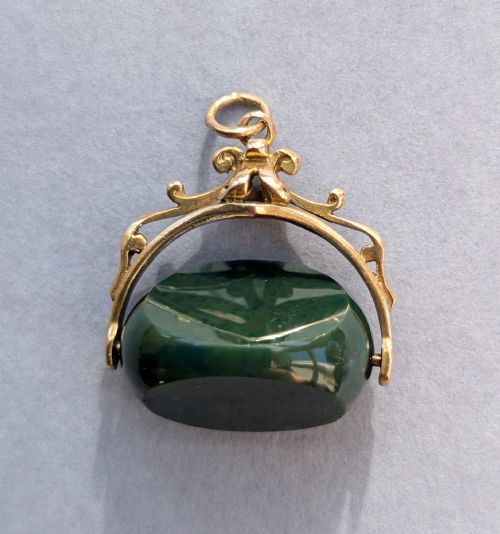
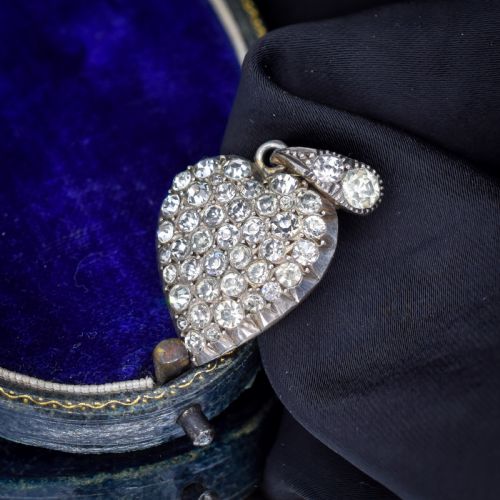
Craftsmen incorporated seed pearls, paste, and diamonds as secondary accents within silver and gold settings. Techniques range from filigree wirework in Art Nouveau pieces to swivel mounts on Georgian and Victorian fobs.
Antique Stone Charm Retail Price Guide 2026
Typical asking prices for stone charm among the pieces listed under this phrase on Sellingantiques today, from the lower quarter to the upper quarter. They describe what is for sale here now, not the wider market.
Distinctions in quality
Quality rests upon the depth of lapidary work in the stone and the integrity of the precious metal mount. Hand-carved details on hardstones like agate and carnelian demonstrate superior craftsmanship compared to simpler polished cabochons.
The sophistication of the metal setting elevates a piece, particularly when filigree or multi-coloured gold varieties are employed. Original matched components, such as swivel mechanisms on fobs, preserve the integrity of the design.
The Antique Stone Charm Glossary
- Fob
- A short chain or pendant attached to a pocket watch. These often incorporate carved stones or swivel seals.
- Paste
- Hand-cut glass used in historic jewellery to imitate gemstones. It displays high refraction and careful foil backing in antique pieces.
- Cabochon
- A gemstone shaped and polished with a smooth, convex surface rather than faceted. This cut suits stones with internal patterns like moonstone or carnelian.
- T Bar
- A crossbar attached to a pocket watch chain, designed to anchor the chain through a buttonhole.
- Jugendstil
- The continental European variant of Art Nouveau. It manifests in flowing organic metalwork and naturalistic stone settings.
Antique Stone Charm: Frequently Asked Questions
What is an antique stone charm?
An antique stone charm is a small decorative item fashioned from minerals and precious metals, designed to be worn on a chain or carried on a pocket watch.
These pieces include watch keys, swivel fobs, and carved pendants dating from the Georgian period through to the mid-century era.
How were watch keys used?
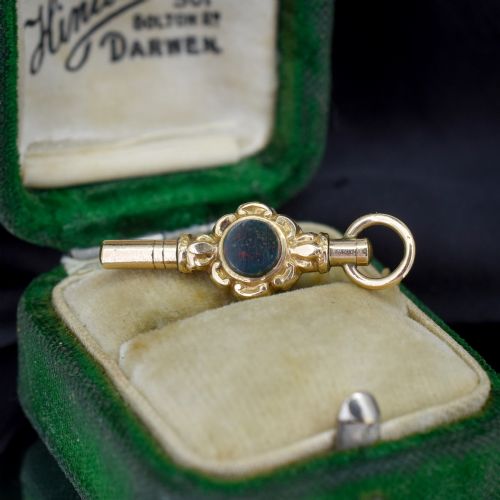
Watch keys served the mechanical purpose of winding pocket watches before keyless stem-winding mechanisms became standard.
Craftsmen set hardstones like bloodstone and carnelian into the handles, allowing the key to double as a decorative pendant or seal.
How do I date a stone pendant?
Dating relies upon the style of the metalwork, the choice of materials, and the mounting techniques used by the jeweller.
Georgian pieces often feature closed-back settings and foiled stones, while Victorian items introduce distinct gold carat marks and revivalist motifs.
Can I wear these charms on a necklace?
Most pieces feature original jump rings, loops, or swivel bails that attach directly to modern or period chains.
Watch keys and fobs transition easily into necklace pendants when paired with a compatible silver or gold chain.