



Antique Stone Bowl
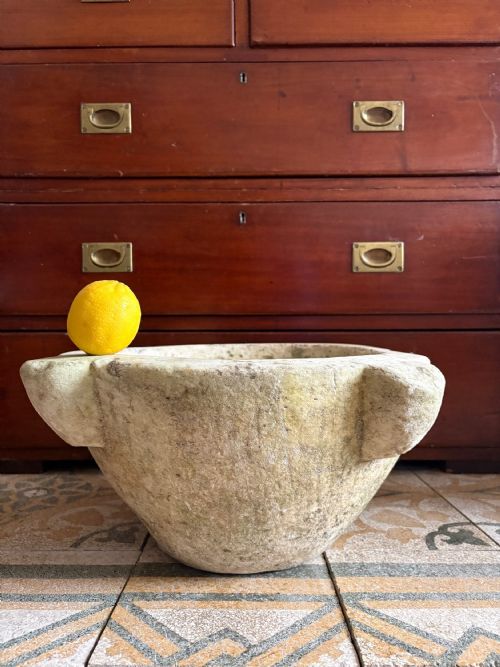
An antique stone bowl brings geological weight and tactile permanence into a room, spanning rustic kitchen mortars, grand tour marble tazze and translucent alabaster lighting.
Antique Stone Bowl
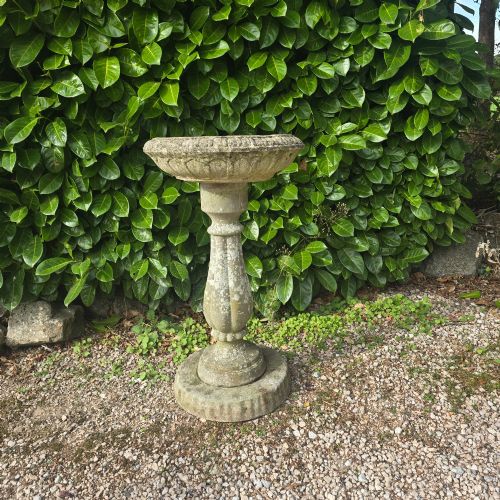
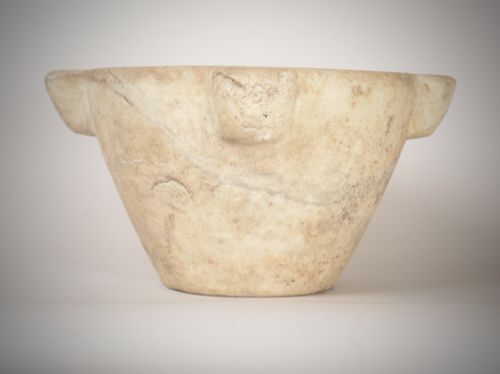
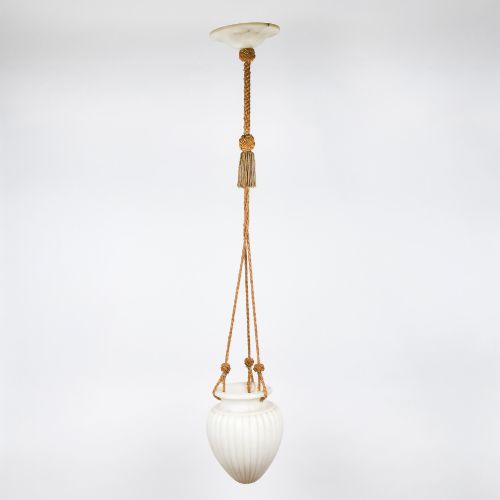
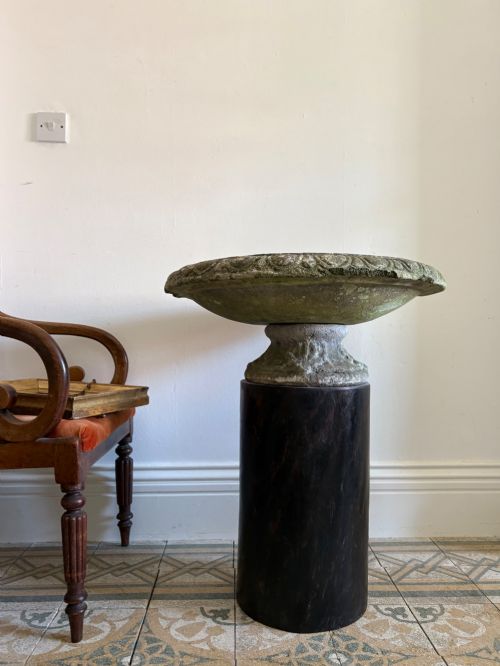
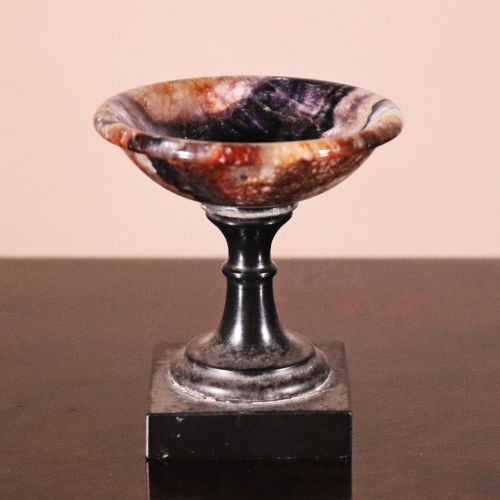
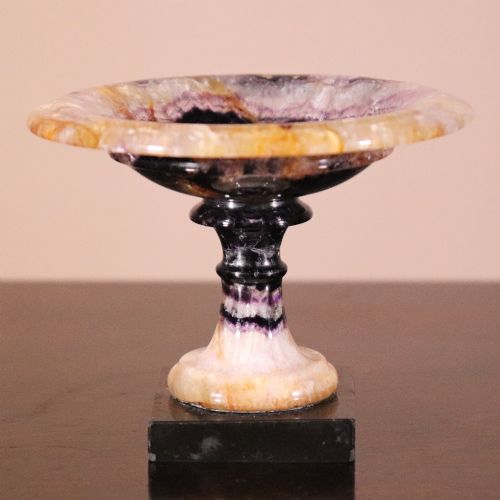
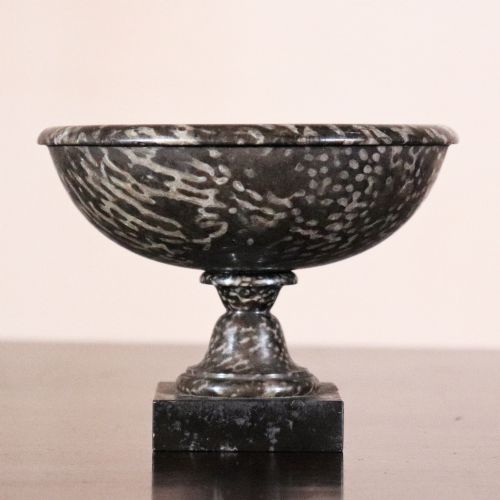
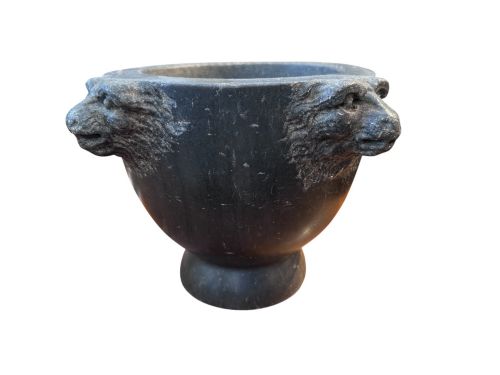
Alongside working mortars, this category encompasses decorative display vessels such as nineteenth century neoclassical tazza forms, Grand Tour souvenirs in variegated marbles like Blue John or Ashford coral, and hanging ceiling lights carved from pale translucent alabaster. Garden ornaments including cast stone birdbaths and weathered planters also populate this grouping alongside small desktop curiosities fashioned from banded agate and green onyx.
The versions most commonly met on this page range from heavy eighteenth century marble mortars to nineteenth century decorative tazza bowls on pedestal bases and early twentieth century alabaster pendant dishes. Stylistic influences span neoclassical revivalism, rustic country utility and Art Deco lighting designs, drawing upon materials sourced from Italian quarries, French workshops and domestic stone yards.
How they were made
The construction of an antique stone bowl relies upon subtractive masonry techniques, where skilled hands shaped dense natural materials using chisels, gouges and abrasive sands. Heavy kitchen mortars and garden birdbaths typically started as solid chunks of granite, limestone or cast stone, chipped and hollowed out on a lathe or by mallet and chisel to create thick, durable walls designed to withstand daily impact.
Fine decorative tazze and miniature vessels utilised softer, highly figured stones such as alabaster, onyx, malachite and specialised marbles, which allowed for intricate turning, fluting and pedestal mounting. Artisans frequently combined these carved stone bodies with cast or gilt bronze ormolu mounts, champlevé enamel, brass collars and fabric cords to transform geological specimens into refined interior furnishings and hanging light fixtures.
Antique Stone Bowl Retail Price Guide 2026
Typical asking prices for stone bowl among the pieces listed under this phrase on Sellingantiques today, from the lower quarter to the upper quarter. They describe what is for sale here now, not the wider market.
Listings feature items carved from natural stone, alabaster, marble, basalt and reconstituted cast stone spanning the seventeenth to the twentieth century.
What varies in quality
Quality in these vessels rests upon the geological character of the material itself and the precision of the carver's execution. Superior pieces display lively, highly figured natural veining, symmetrical turning, and crisp architectural detail in the mouldings or handles, whereas lesser examples rely on dull, uniform grey stone with sluggish hand-finishing.
The integrity of the form separates standard utilitarian kitchenware from ambitious cabinet pieces, seen in the thinness and translucency achieved in carved alabaster dishes or the exact proportions of a classical tazza base. Secondary mounts also dictate standard, where finely chased gilt bronze or brass ormolu elevates a simple marble dish into a work of decorative art.
R E Stone
The Antique Stone Bowl Glossary
- Tazza
- A shallow bowl or cup mounted on a stem and foot, commonly carved from decorative marbles or alabaster during the nineteenth century.
- Mortar
- A heavy, thick-walled bowl used with a pestle for crushing and grinding substances, frequently turned from solid white marble or basalt.
- Alabaster
- A fine-grained, translucent stone utilised for carved pendant lights and decorative vessels throughout the nineteenth and early twentieth centuries.
- Pietra dura
- An artistic technique of inlaying cut and fitted slices of coloured stones to create pictorial or geometric designs on marble plaques and dishes.
Antique Stone Bowl: Frequently Asked Questions
How were old stone mortars used?
Kitchen mortars served as heavy-duty workstations for apothecary work, grinding dry spices, crushing seeds and pounding wet ingredients for household cooking. Their thick walls and dense mineral composition ensured the bowl remained stable during rigorous pestle work.
Over centuries of domestic service, these vessels acquired natural interior staining and surface wear from active use in provincial kitchens and apothecary shops. Today, their utilitarian solidity makes them popular for countertop display or herb storage.
What is a Grand Tour tazza?
Grand Tour tazze were souvenir items purchased by wealthy travellers touring European cultural centres, particularly Rome and Florence, during the eighteenth and nineteenth centuries. Craftsmen carved these small pedestal dishes from exotic marbles to replicate classical antiquities seen abroad.
These pieces allowed collectors to bring classical architectural motifs and geological specimens back to British country houses. They were typically displayed on tables or mantelpieces as symbols of education and refined taste.
How do I clean an alabaster bowl?
Alabaster is a relatively soft and porous gypsum-based mineral that dissolves easily in water and absorbs stains upon contact. Maintenance requires only dry dusting with a soft, clean cloth to preserve the delicate surface sheen and translucent quality.
Moisture and chemical cleaners must be avoided entirely to prevent permanent pitting or discoloration of the stone. For hanging alabaster bowl lights, gently wipe the exterior while suspended without using liquid polishes.
How can I date a marble bowl?
Dating relies heavily on observing the tool marks left behind during manufacture, the stylistic context of the object's form, and the mineral type. Eighteenth-century mortars often show heavy hand-chiselled exterior facets and substantial, irregular wall thickness resulting from manual lathe work.
Nineteenth-century decorative items tend toward precise neoclassical symmetry, mechanical turning marks, and sophisticated mineral selections like Sienna marble or malachite. Twentieth-century pieces frequently align with Art Deco lighting designs or mass-produced garden stone casting.