






Antique Stitched Panel
An antique stitched panel brings together centuries of hand embroidery, needlework samplers and wall hangings crafted in silk, wool and cotton.
Antique Stitched Panel
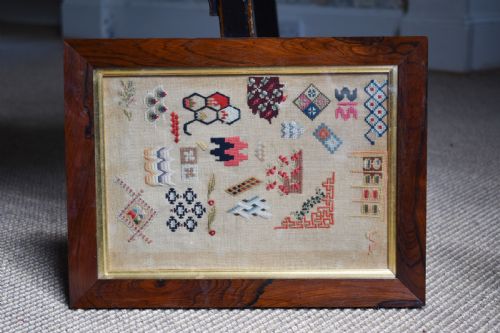
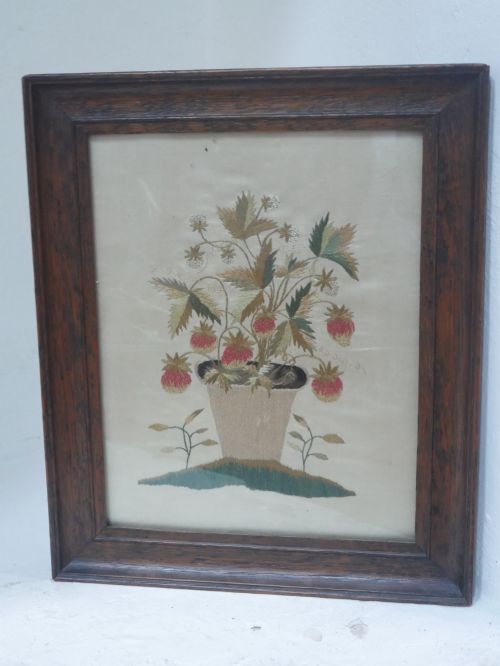
When you search for an antique stitched panel, you encounter textile art ranging from early Georgian samplers to Central Asian Suzanis and tribal wall hangings. These pieces span the eighteenth, nineteenth and early twentieth centuries, recording domestic needlework, alphabets and intricate folk motifs.
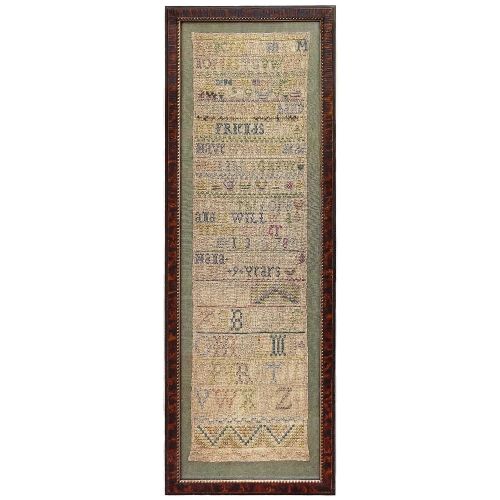
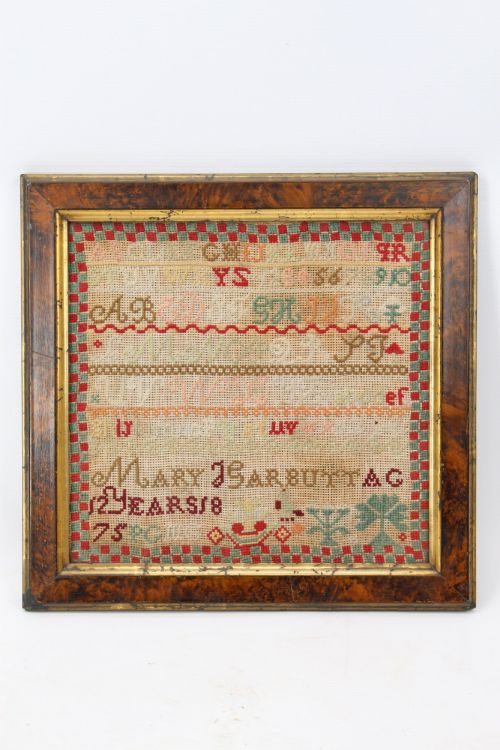
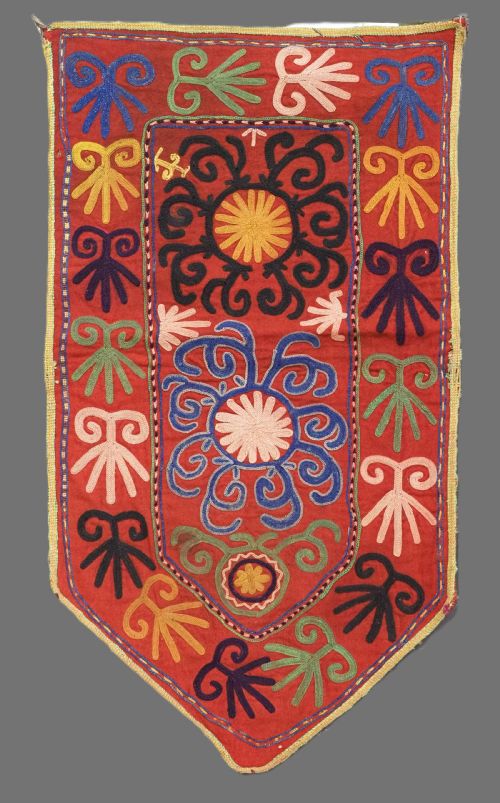
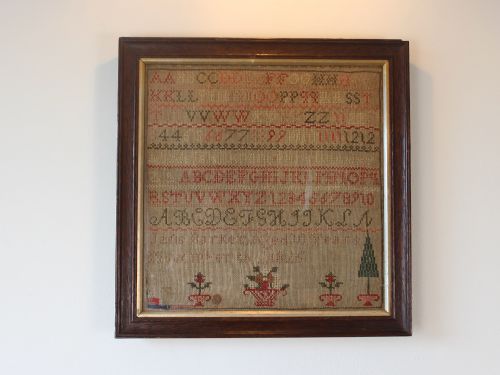
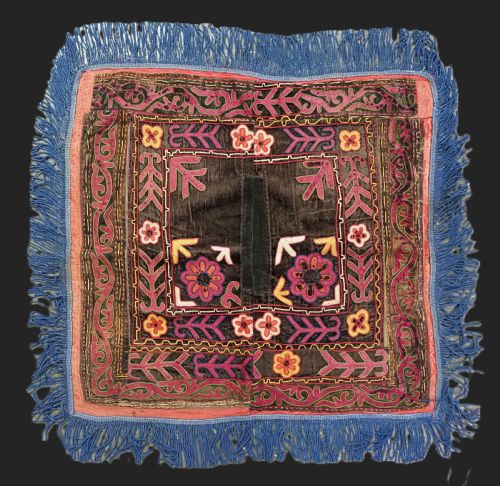
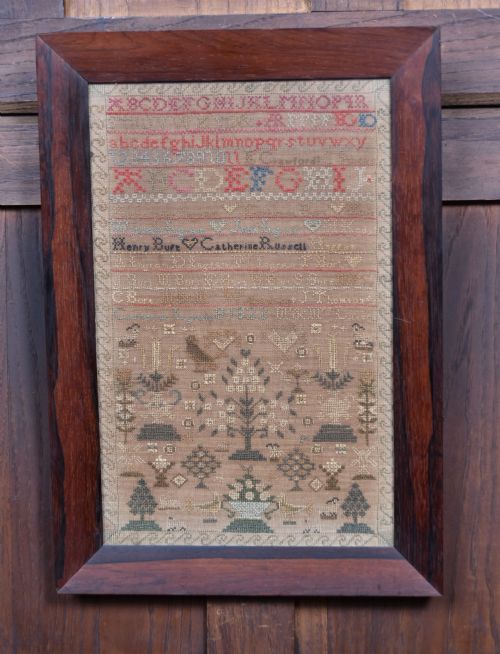
The domestic needlework sampler forms a large part of what appears here, often worked by young makers such as Mary J Garbutt or Margaret Ann Blackow. Alongside these British educational and decorative samplers, regional embroideries from Persia and Uzbekistan emerge, including Rasht panels and Lakai tribe ilgiches.
Wall hangings and framed textile panels dominate the formats, preserved behind glass in original wooden frames or displayed as fabric grounds. Their origins stretch from Scottish classrooms to Central Asian workshops, each textile carrying the specific stitches and materials of its maker's region.
Materials and construction
Makers stitched using silk, wool, cotton and thread upon foundations of linen, cotton and felt. Silk thread provides the vibrant sheen seen on Persian Rasht embroideries and Uzbek Suzanis, whilst wool and cotton threads build the dense alphabets of nineteenth-century samplers.
Antique Stitched Panel Retail Price Guide 2026
Typical asking prices for stitched panel among the pieces listed under this phrase on Sellingantiques today, from the lower quarter to the upper quarter. They describe what is for sale here now, not the wider market.
Listings span the eighteenth century to the twentieth century, combining British samplers with Central Asian tribal textiles and Persian Rasht embroideries.
What separates quality
The precision of the stitchwork and the complexity of the design determine the standing of an antique stitched panel. Early samplers with accomplished pictorial elements or detailed alphabets demonstrate higher technical control than simpler exercises.
Condition of the threads and the integrity of the ground fabric dictate longevity, whilst retention of original wooden frames adds to the historical wholeness of the piece. Vibrant survival of silk colours on felt or linen grounds indicates careful past preservation.
The Antique Stitched Panel Glossary
- Sampler
- A piece of needlework produced as a demonstration or test of skill in various stitches. These frequently display alphabets, numbers, verses and small motifs.
- Suzani
- A large embroidered tribal wall hanging originating from Tajikistan, Uzbekistan and other Central Asian regions. They are typically worked in silk thread on a cotton or linen ground.
- Berlin Work
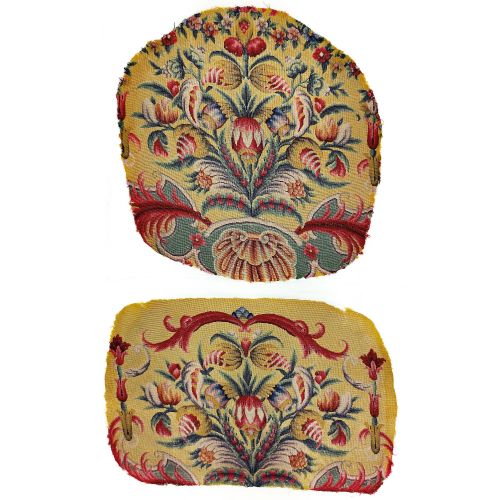
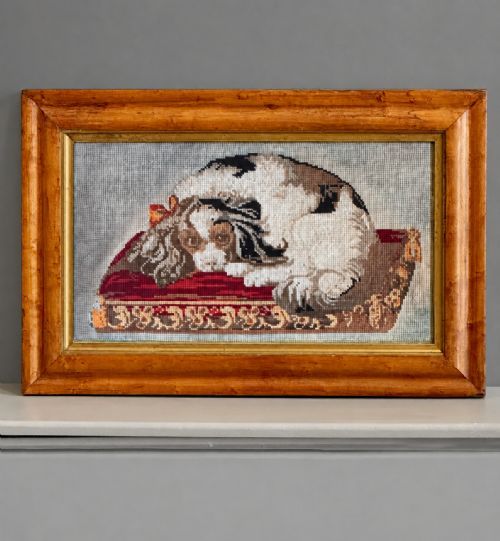
- A style of needlepoint embroidery popular during the nineteenth century that used brightly coloured wool threads. It was charted on grid paper, leading to geometric and pictorial precision.
- Ilgich
- A type of dowry embroidery or wall hanging produced by Central Asian tribes such as the Lakai. These panels feature bold geometric patterns and vibrant silk appliques.
- Rasht Embroidery
- A traditional Persian textile technique involving inlaid felt pieces decorated with fine chain-stitch embroidery. Silk threads are worked onto wool or felt grounds to create intricate floral medallions.
Antique Stitched Panel: Frequently Asked Questions
How are antique samplers dated?
Many samplers include embroidered dates and the maker's age or name directly within the textile composition. Stylistic clues such as alphabet styles, frame types and thread materials help narrow down pieces lacking a direct date.
Examinations of the reverse side and fabric weave provide further context regarding whether a piece originates from the Georgian or Victorian eras.
Where were Suzanis hung?
Central Asian Suzanis served as wall hangings and decorative coverings within nomadic and urban homes. They formed part of traditional dowries and were displayed during significant family celebrations.
Their large formats provided insulation and colour to interior living spaces across Uzbekistan and neighbouring regions.
How should I care for a stitched panel?
Protect antique textiles from direct sunlight to prevent the fading of silk, wool and cotton threads. Displaying them away from moisture and heat sources maintains the integrity of the original fabric ground.
Framed pieces under glass benefit from sealed backs to keep out dust while allowing the textile to breathe.
What is Berlin work?
Berlin work refers to a needlepoint embroidery style that emerged in nineteenth-century Germany and spread widely across Britain. It used square-ruled paper patterns and vibrant wool threads to produce symmetrical floral and animal designs.
Such panels are easily recognised by their bright palette and dense canvas stitches.