





Antique Stitched Art
Antique stitched art spans needlework samplers and embroidered wall hangings created across the eighteenth and nineteenth centuries.
Antique Stitched Art
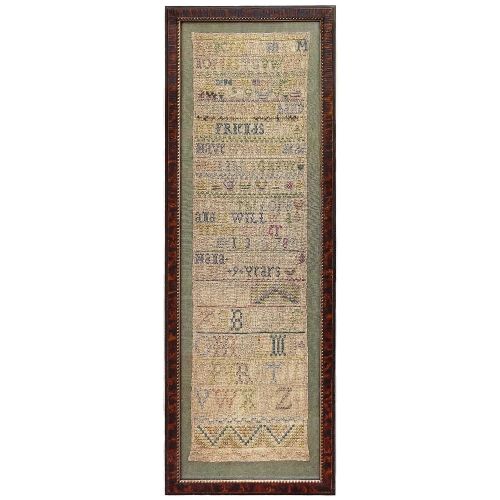
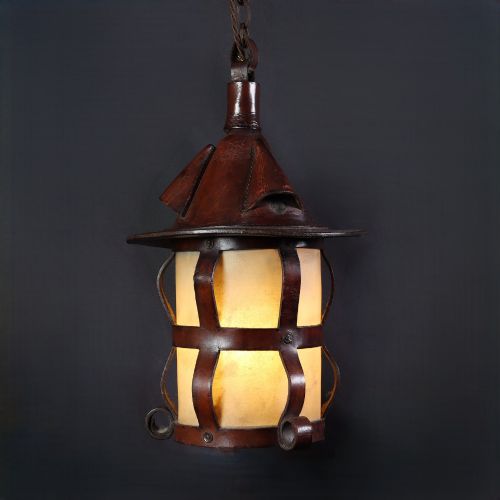
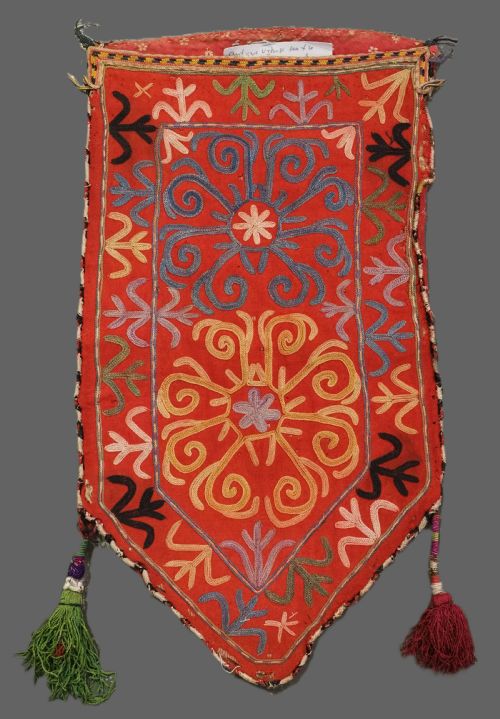
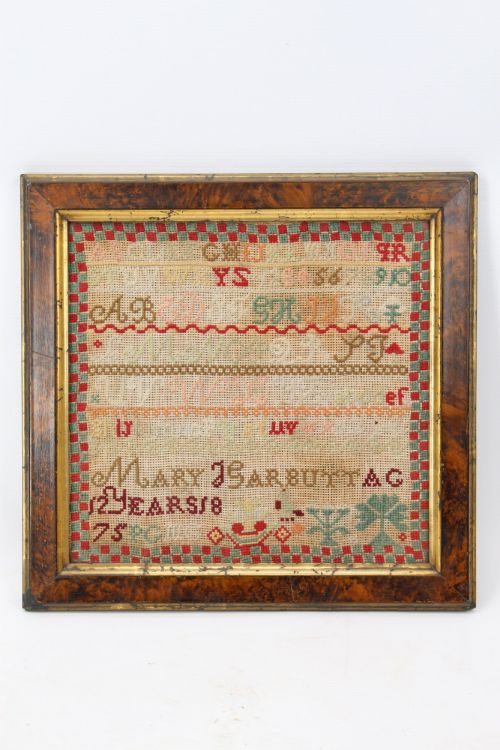
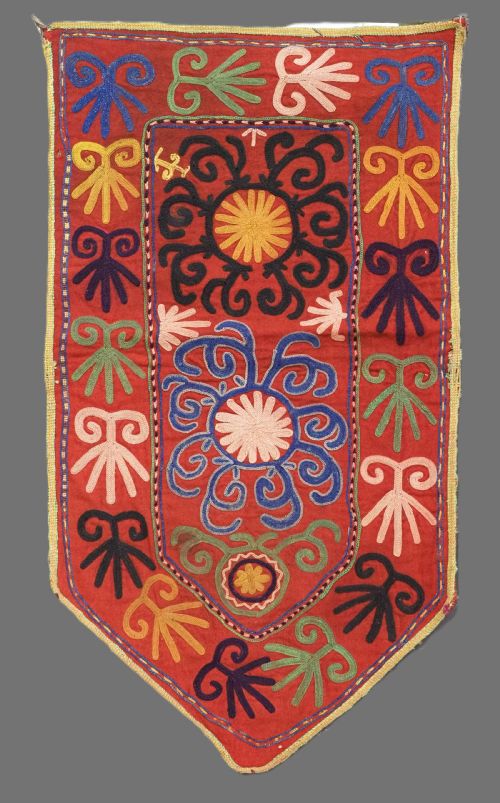
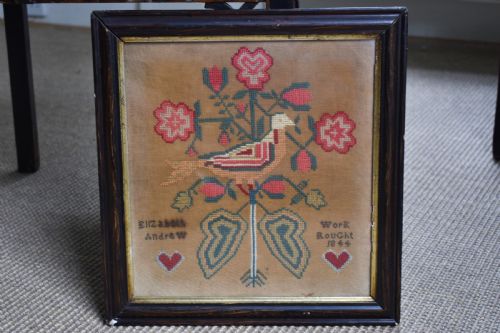
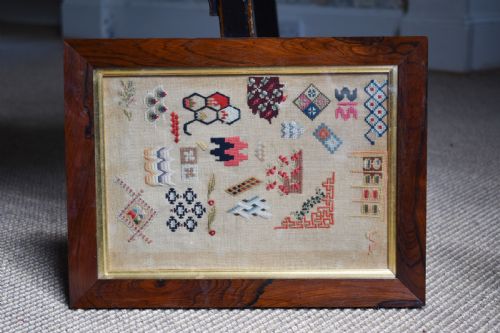
Antique stitched art encompasses needlework samplers, framed textiles, and wall hangings produced during the Georgian, Victorian, and Arts and Crafts periods. These pieces range from schoolgirl alphabet exercises to elaborate pictorial works and Central Asian tribal embroideries.
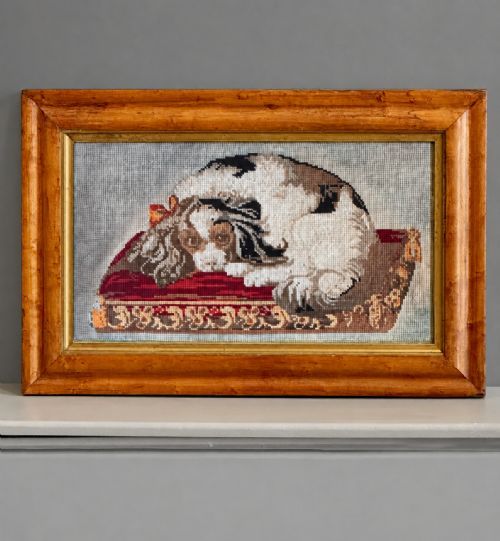
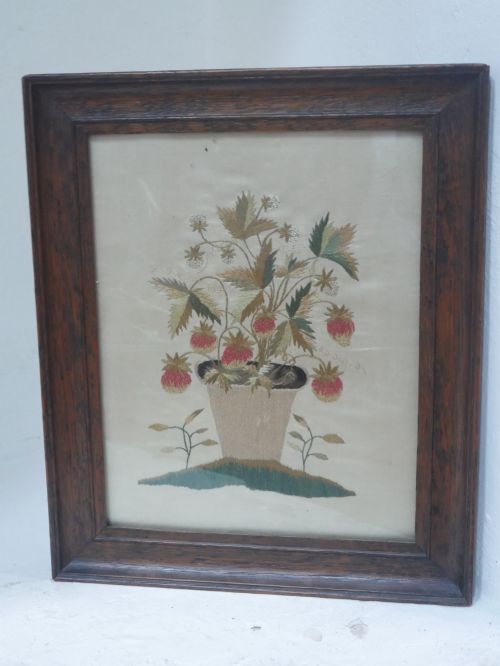
Framed panels dominate the offerings, utilising original timber surrounds like burr maple to house wool work, silk thread compositions, and Berlin work depictions.
Materials and construction methods
The base grounds rely predominantly on woven linen and cotton, providing a stable foundation for intricate thread work. Silk thread and wool yarn supply the texture and colour for pictorial elements, alphabets, and botanical motifs.
Techniques range from standard cross stitch and long stitch on samplers to felt applique and complex embroidery found on Central Asian tribal pieces. Many works integrate multiple thread types to build depth and contrast across the textile surface.
Antique Stitched Art Retail Price Guide 2026
Typical asking prices for stitched art among the pieces listed under this phrase on Sellingantiques today, from the lower quarter to the upper quarter. They describe what is for sale here now, not the wider market.
Listings span the eighteenth, nineteenth, and early twentieth centuries, incorporating Georgian samplers, Victorian needlework, and Arts and Crafts textiles.
Factors determining quality
Quality rests on the precision of the needlework and the complexity of the design layout. Finer samplers demonstrate consistent tension, balanced colour distribution, and well-executed lettering alongside pictorial scenes.
The survival of original framing, particularly burr maple or period moulded wood, enhances the integrity of framed textiles. Condition of the ground fabric and stability of the historic threads also dictate the standing of individual pieces.
The Antique Stitched Art Glossary
- Sampler
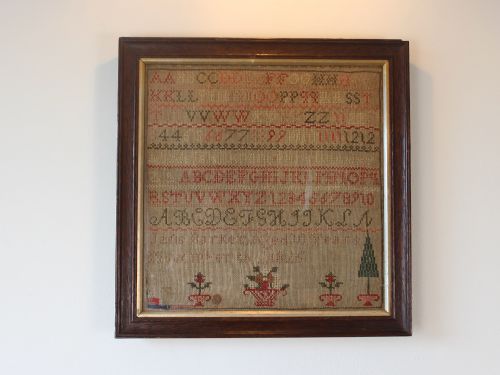
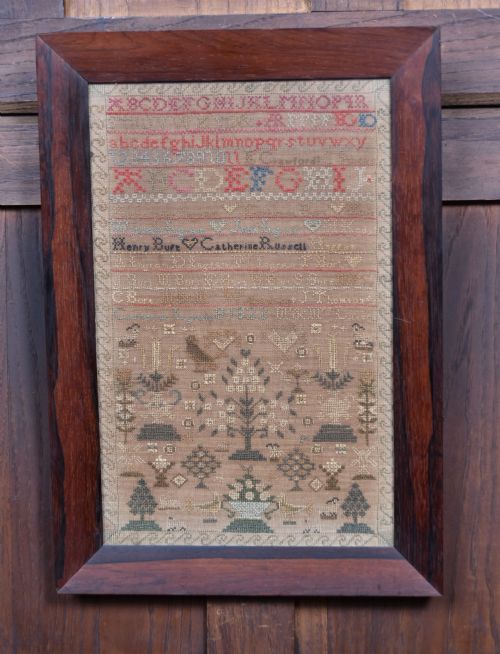
- A piece of needlework produced to demonstrate proficiency in various stitches and alphabets. These often include the maker name, age, and date.
- Berlin work
- A type of coloured needlepoint charted on squared paper popular during the nineteenth century. It frequently utilised wool on a canvas ground.
- Suzani
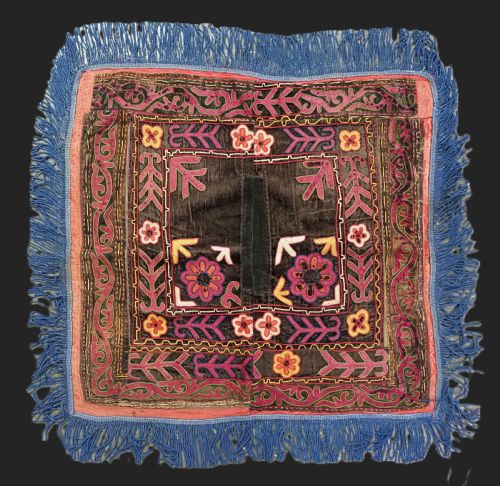
- A large embroidered tribal textile originating from Central Asia, typically featuring silk thread stitched onto a cotton ground in floral or geometric designs.
- Ilgich
- A Central Asian dowry embroidery piece used as a wall hanging. These often display double faced work from the Lakai tribe.
- Long stitch
- An embroidery technique where stitches span a greater distance across the ground fabric to form smooth pictorial lines or shading.
Antique Stitched Art: Frequently Asked Questions
What is a needlework sampler?
A needlework sampler is a historic textile created by a stitcher to practice and display various embroidery stitches, motifs, and alphabets.
They frequently record the creator name, age, and completion date, offering a documented record of domestic education.
How are antique textiles framed?
Historic needlework pieces are typically mounted behind glass within timber frames, often utilising original mouldings such as burr maple.
Proper framing protects the delicate silk and wool threads from dust and environmental degradation while maintaining period context.
What is an Uzbek Suzani?
An Uzbek Suzani is a decorative embroidered panel originating from Central Asia, stitched with silk threads on cotton grounds.
These large textiles traditionally functioned as dowry items and display bold floral or geometric compositions.
How do I care for antique stitched art?
Antique stitched art requires placement away from direct sunlight to prevent fading of historic silk and wool threads.
Maintaining stable indoor humidity levels protects both the textile fibres and the original wooden frames from warping.