
Antique Still Life Artwork
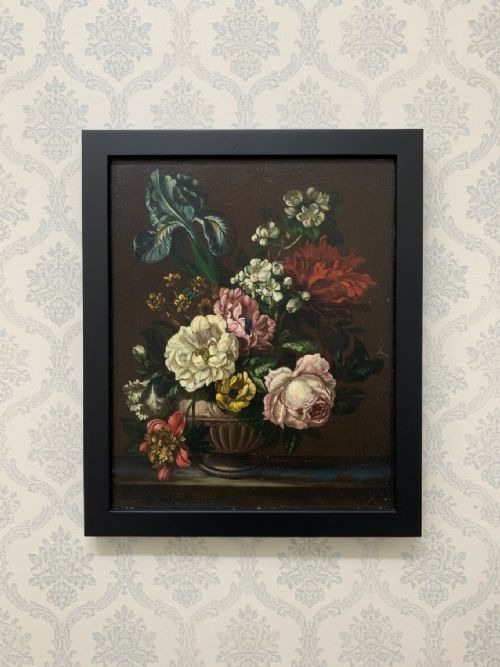
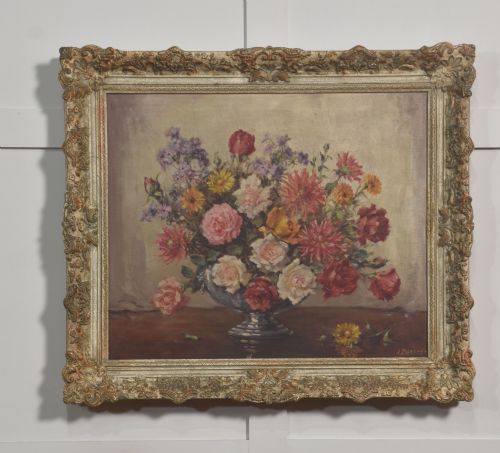
These antique still life artwork pieces capture centuries of observed fruit, game and flora painted across canvas and panel.
Antique Still Life Artwork
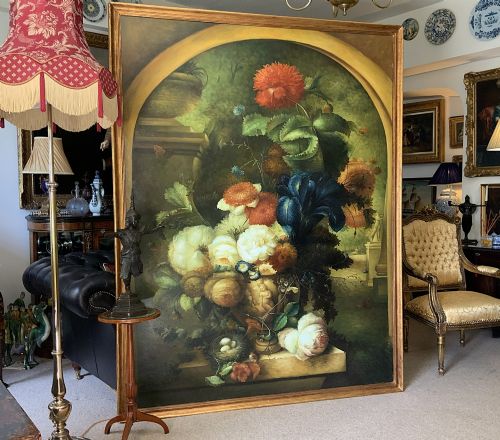
When searching for antique still life artwork, a buyer encounters painted representations of inanimate objects, game, flowers and provisions spanning the seventeenth century through to the mid twentieth century. These works range from small domestic watercolours to monumental Dutch style floral arrangements and grand larder scenes.
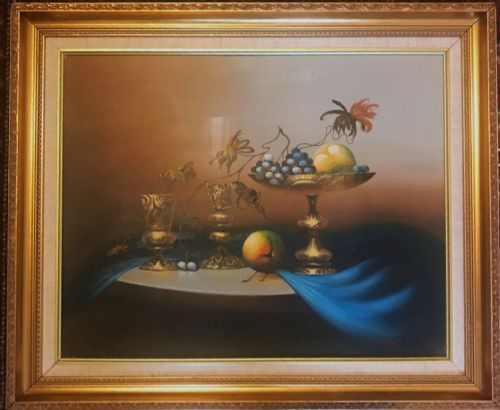
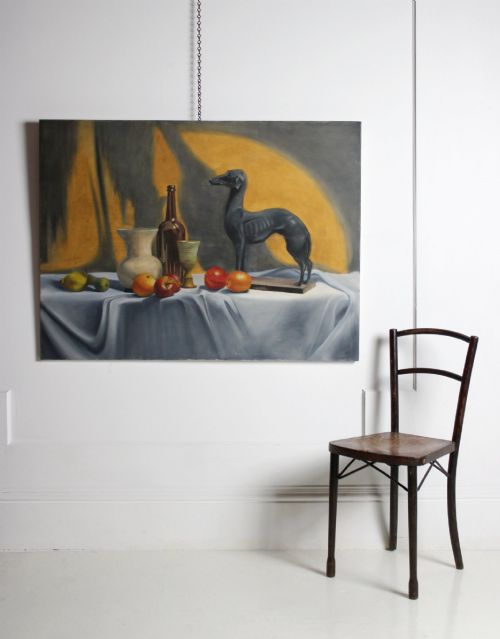
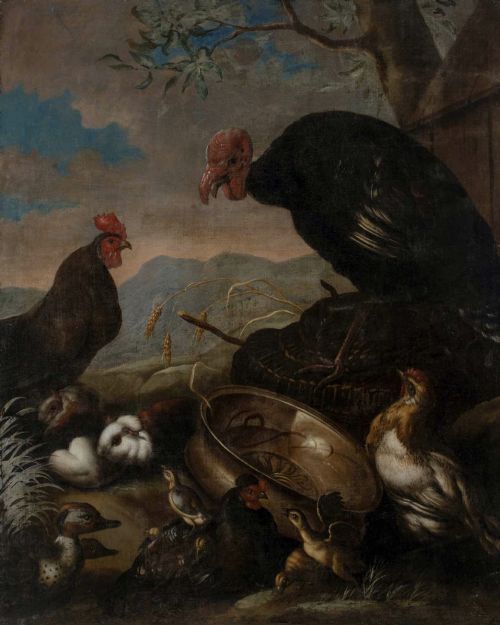
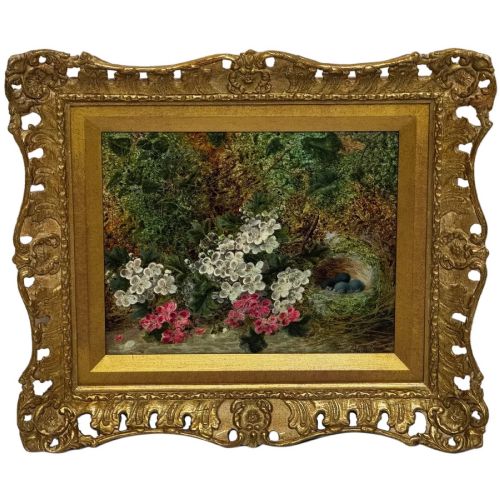
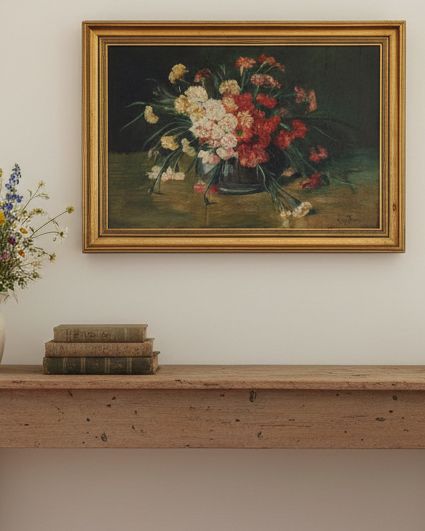
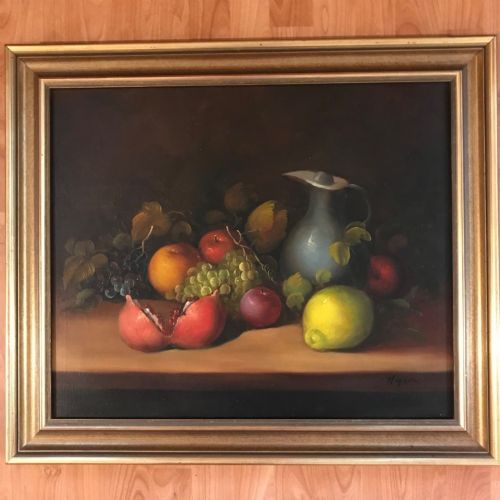
The versions most likely to be met on this page include nineteenth century oil paintings of fruit and bird nests, early twentieth century impressionist floral studies, and regional school works from British, French, Dutch and Italian artists. The subjects vary from simple baskets of carnations and roses to complex compositions featuring fish, lobsters and game fowl.
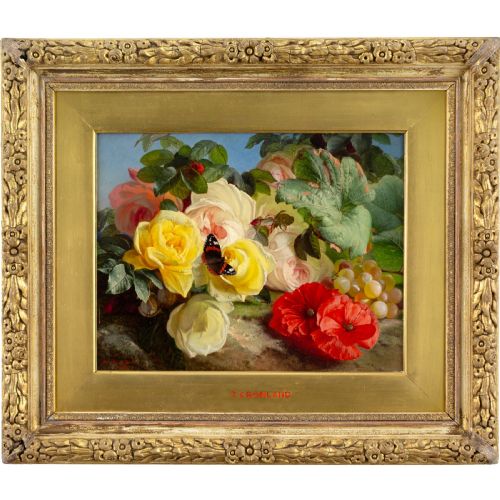
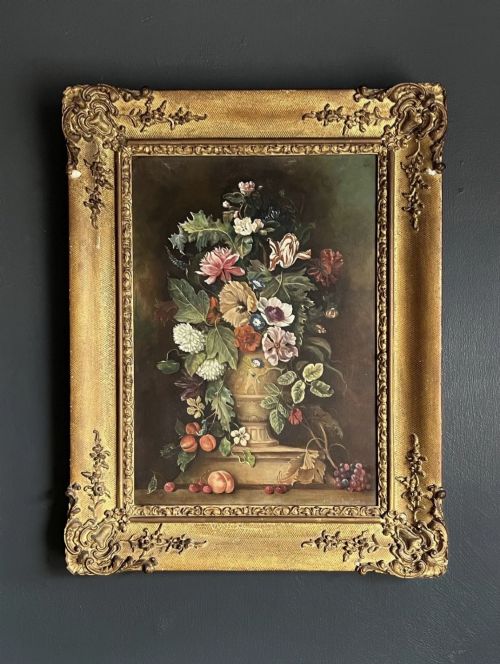
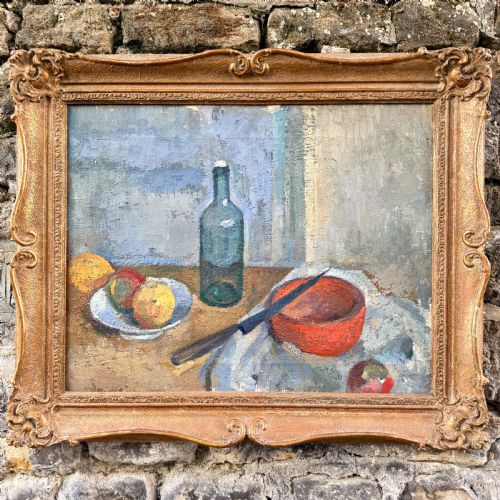
Compositions frequently draw on historical traditions, including Dutch Golden Age floral arrangements, Flemish baroque compositions and trompe l'oeil realism. These pieces appear on canvas, wood panel, board and paper, often housed within their original gilt gesso frames.
How They Were Made
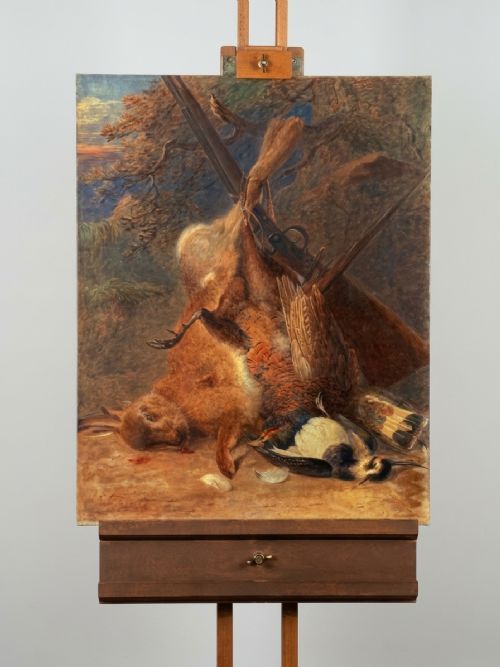
The primary support materials recorded in the evidence are canvas, wood panel, board and paper, upon which artists applied oil paint, watercolour, bodycolour or pastel. Oil paintings on stretched canvas or wooden panels allowed for rich blending and deep layering of tones, particularly in depicting the glossy skins of fruit and the soft feathers of game.
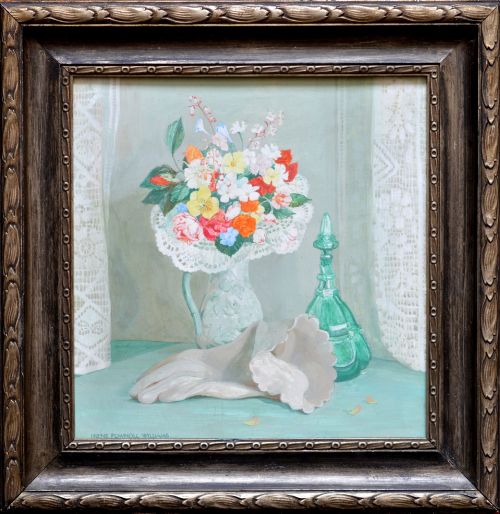
Watercolour and bodycolour works on paper offer a different execution, utilising opaque and translucent washes to capture fine botanical details in floral and fruit studies. Many of these paintings are framed in wood adorned with gold leaf, giltwood, or gilt gesso, providing an ornate architectural boundary to the canvas.
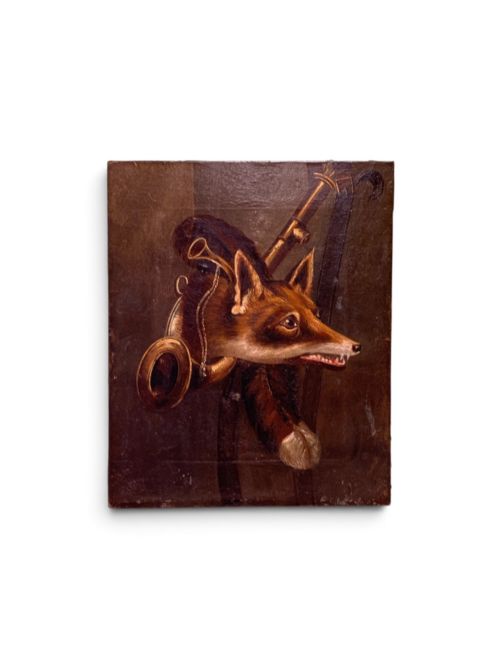
Hares, foxes, lobsters, and songbirds frequently share tabletop and larder compositions with otherwise delicate arrangements of roses and spring blossoms.
What Varies in Quality
Quality in these works rests upon the precision of the draftsmanship, the handling of light and shadow, and the naturalism achieved in rendering textures such as fur, feathers, petals and glass. Master painters control focal depth and tonal harmony to create convincing three dimensional space on a flat surface.
The integrity of the physical object also dictates standing, including the preservation of the original paint surface without extensive overpainting, and the survival of the period frame, such as a carved gilt gesso mount that complements the era of the canvas.
Angelo Maria Crivelli·Oliver Clare·Konstantin Stoitzner·Edward Ladell·Michelangelo Meucci·Gaspar Peeter Verbruggen·William Henry Ward·Else Preußner·Edwin Steele·Arthur Dudley·John Sherrin·William Thomas Wood·Vincent Clare
The Antique Still Life Artwork Glossary
- Canvas
- A heavy woven fabric stretched across a wooden frame to serve as a foundation for oil painting. It provides a textured surface that holds layered pigment.
- Gilt gesso
- A plaster based material applied to wooden frames and coated with gold leaf or metallic paint. It is often moulded into decorative relief patterns suited to the period.
- Bodycolour
- Water soluble paint mixed with a white pigment to make it opaque rather than transparent. This technique allows for solid highlights in watercolour works.
- Trompe l'oeil
- An artistic technique that uses realistic imagery to create the optical illusion that the depicted objects exist in three dimensions. It translates as to deceive the eye.
- Panel
- A flat piece of wood used as a painting support instead of canvas. Wooden panels were common in earlier centuries for their stable, rigid painting surfaces.
Antique Still Life Artwork: Frequently Asked Questions
What subjects are common in antique still life artwork?
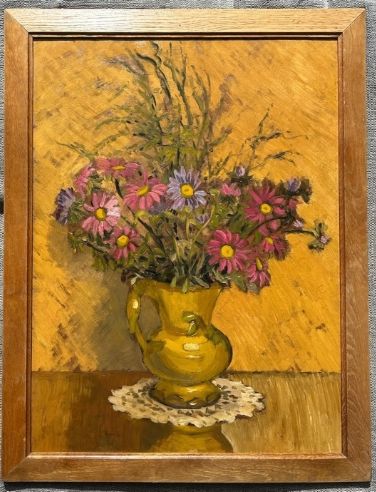
These works frequently depict arrangements of flowers, wicker baskets filled with fruit, dead game such as hare and fowl, and marine life like fish and lobsters.
Artists also painted domestic items including candlesticks, biscuits, and glassware arranged on tabletops or within architectural larder settings.
How do I identify the period of a painting?
Dating relies on stylistic clues, framing techniques, signatures, and the type of support material used, such as heavy wooden panels or specific canvas weaves.
Historical costume, floral fashion, and recorded artist biographical dates further narrow down the decade or century of creation.
Where were these pieces created?
The inventory includes works from various European traditions, with distinct French, Dutch, Italian, Austrian, and British schools represented across the centuries.
Each regional school developed particular approaches to colour, light, and subject matter, such as the grand floral displays associated with Dutch styles.
How should I care for an oil painting?
Display paintings away from direct sunlight and dramatic fluctuations in temperature and humidity to protect the canvas and wooden stretcher frames.
Dust surfaces gently with a soft, dry brush and avoid liquid cleaners or chemical solvents on the paint layer or antique framing.