



Antique Stick Bucket
An antique stick bucket keeps hallway floors dry while bringing tactile warmth and metal gleam to the entrance.
Antique Stick Bucket
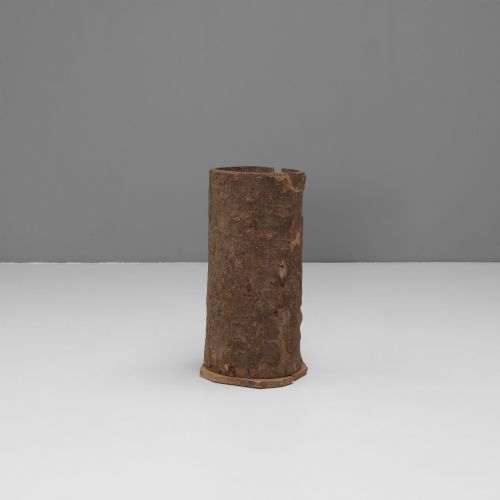
An antique stick bucket serves as a practical vessel for umbrellas and walking sticks, combining everyday utility with period character. Buyers searching for an antique stick bucket encounter a range of sturdy hallway containers fashioned from timber and metal.
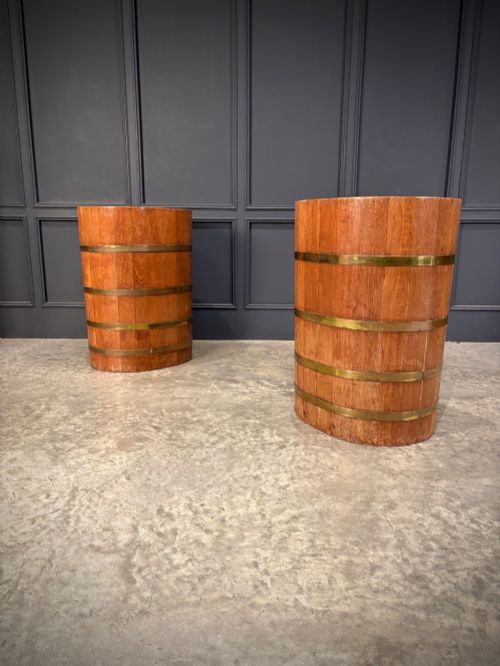
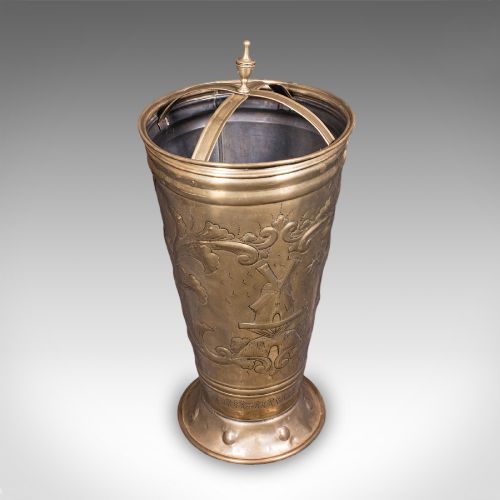
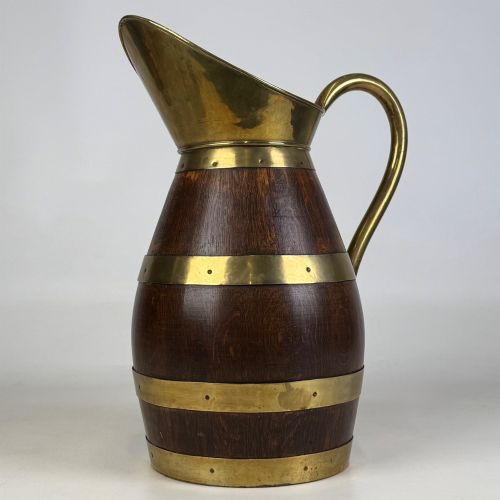
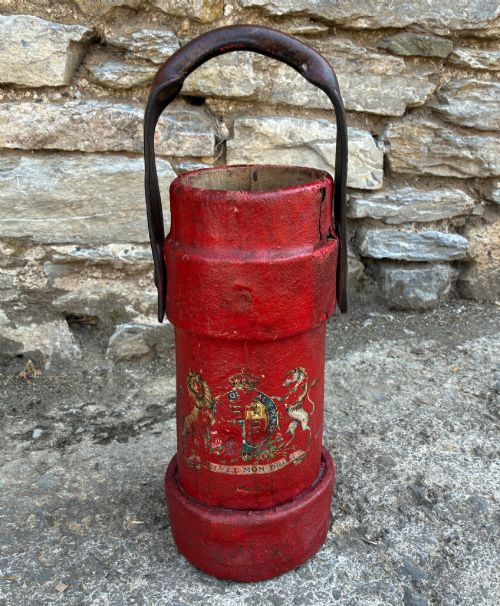
Most examples found here date from the Victorian and Edwardian eras, spanning the mid-nineteenth century through to the early decades of the twentieth century. These pieces include coopered wooden barrels, brass-bound vessels, and repurposed military shell carriers.
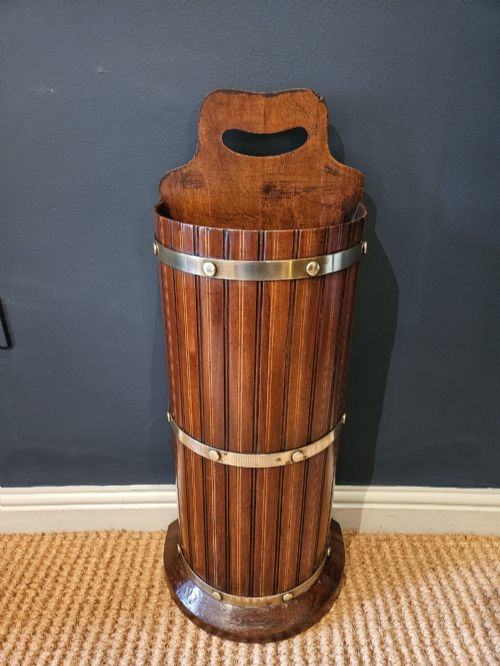
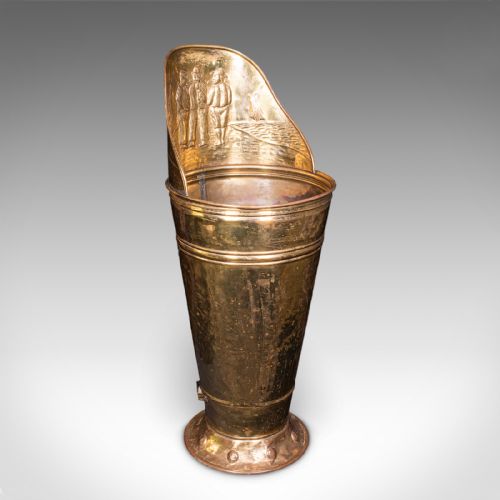
Forms vary from oval oak tubs with umbrella loops to cylindrical copper buckets and leather baskets. Each piece reflects the domestic and military storage needs of its period, designed to handle wet weather with robust construction.
How they were made
Traditional cooperage methods define the wooden examples, where skilled makers joined shaped staves of oak with tight-fitting metal bands. These brass or iron hoops held the staves securely together to contain moisture without leaking.
Metal vessels utilise sheet brass and copper, often joined with visible rivets and finished with sturdy carrying handles. Leather pieces employ heavy-hides stitched and structured to hold heavy walking gear.
Materials such as iron, log, and wood provide the foundational strength required for daily domestic use in country houses and town halls.
Antique Stick Bucket Retail Price Guide 2026
Typical asking prices for stick bucket among the pieces listed under this phrase on Sellingantiques today, from the lower quarter to the upper quarter. They describe what is for sale here now, not the wider market.
Listings feature oak, brass, copper, and leather materials across Victorian, Edwardian, and mid-twentieth-century periods.
What varies in quality
The standard of timber selection and the precision of the cooper's jointing set finer pieces apart from utilitarian items. Tight, uniform staves and heavy-gauge brass banding indicate superior craftsmanship.
Original surface patination and the integrity of internal linings determine the overall desirability of metal and leather examples. Pieces retaining original handles and mountings offer greater historical completeness.
The Antique Stick Bucket Glossary
- Coopered
- Constructed from wooden staves bound together with hoops, similar to traditional barrel-making techniques. This method ensured watertight strength for holding wet umbrellas.
- Cordite
- A type of smokeless propellant used in military ammunition during the late nineteenth and early twentieth centuries. Brass containers originally built for this explosive material were frequently repurposed as stick buckets.
- Patina
- The deep surface sheen and mellowing developed through decades of handling, polishing, and natural ageing. It indicates genuine age and use.
- Stave
- One of the narrow shaped blocks of wood fitted together vertically to form the body of a barrel or bucket. The quality of the staveing dictates the vessel's durability.
Antique Stick Bucket: Frequently Asked Questions
What is an antique stick bucket?
An antique stick bucket is a utilitarian hallway container designed to hold walking sticks, canes, and umbrellas. These vessels protect floors from dripping water while adding traditional presence to an entryway.
They appear in various forms, including coopered oak barrels, brass-bound tubs, and leather shell carriers. Most date from the Victorian and Edwardian periods.
How do I use a stick bucket?
Place the bucket in a hallway, porch, or boot room where family members and guests drop off wet umbrellas and walking sticks. Ensure the interior can handle residual moisture from rain-soaked items.
Many period metal and lined wooden buckets accommodate damp items safely, though placing a small tray inside can protect antique timber bases from standing water.
How do I care for leather stick buckets?
Leather buckets require gentle cleaning with a soft, dry cloth to remove dust and maintain the hide's natural flexibility. Avoid placing them in direct sunlight or near heat sources, which can dry out the leather.
Treating the surface with appropriate leather balms periodically helps preserve the material without altering its historic appearance.
How do I date an oak stick bucket?
Examine the construction methods, the type of metal banding, and the overall style of the timber framing. Victorian and Edwardian examples often feature hand-planed staves and distinct brass or iron fixtures.
Makers frequently utilised copper rivets and traditional dovetail or coopered joints characteristic of nineteenth-century workshop practices.