






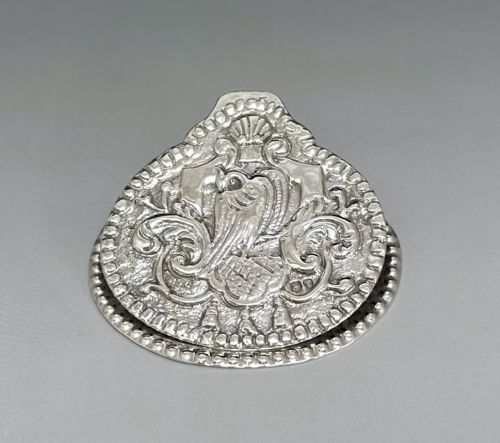

Antique Sterling Silver Stationery
Antique sterling silver stationery items bring refined craftsmanship to the desk, offering practical writing accessories crafted from precious metals and fine materials.
Antique Sterling Silver Stationery
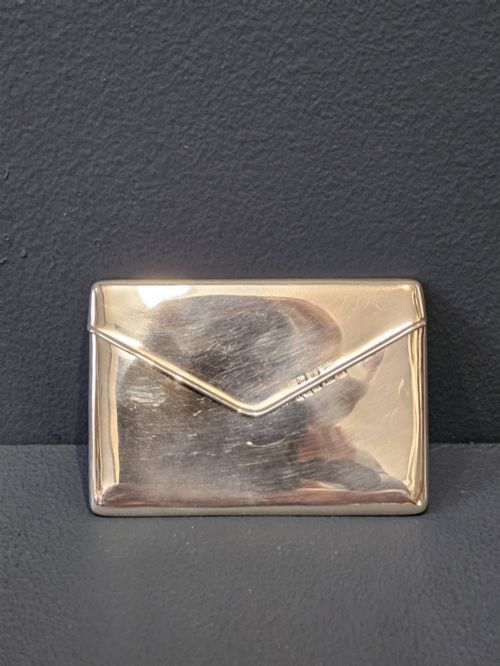
When you search for antique sterling silver stationery, you encounter a specialised selection of desk accessories designed for correspondence and writing tasks. These items span Victorian, Edwardian, and Art Deco periods, capturing the functional elegance of domestic and professional writing spaces.
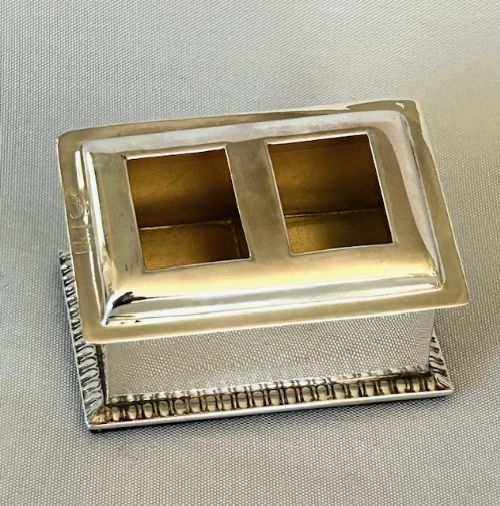
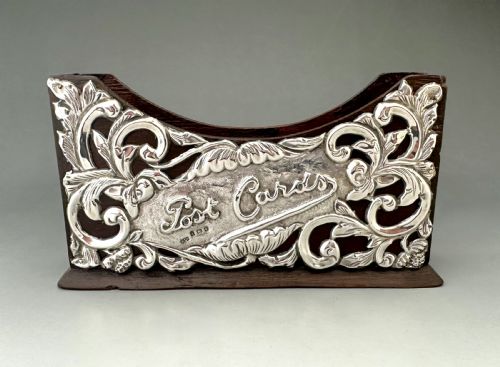
The objects on this page include letter openers, letter racks, stamp boxes, blotters, desk clips, and writing boxes. Most pieces date from the late nineteenth century through to the mid-twentieth century, reflecting the detailed administrative habits of past eras.
Materials and methods of construction
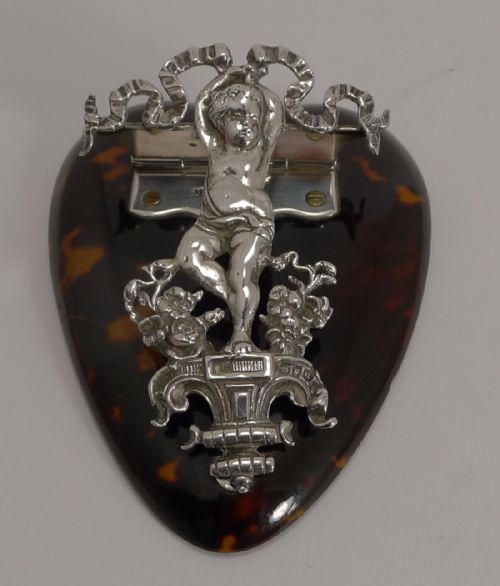
The pieces combine sterling silver mounts and fronts with supportive organic materials such as tortoiseshell, leather, mother of pearl, and hardwood. Artisans utilised silver stamping, engraving, and piercing techniques to create decorative motifs ranging from novelty butterflies to classic scrollwork.
Makers integrated glass and amber elements alongside Guilloche enamel and paper components to complete functional desk accessories. Structural frames relied on sturdy hinges, wooden cores, and fitted metal brackets to ensure durability during daily writing routines.
Antique Sterling Silver Stationery Retail Price Guide 2026
Typical asking prices for sterling silver stationery among the pieces listed under this phrase on Sellingantiques today, from the lower quarter to the upper quarter. They describe what is for sale here now, not the wider market.
The listings show materials including sterling silver, tortoiseshell, leather, hardwood, mother of pearl, amber glass, and guilloche enamel across Victorian and Art Deco forms.
Distinctions in quality and execution
Quality separates standard production items from exceptional workshop pieces through the crispness of the silver chasing and the integration of secondary materials like tortoiseshell and enamel. The precision of hinge action and the weight of the sterling silver determine the structural integrity of desk clips and stationery boxes.
The finesse of hand-engraved details and the clarity of hallmarks indicate the level of craftsmanship applied by the maker. Pieces featuring novelty designs or combination materials demonstrate higher artistic ambition than plain utilitarian forms.
Tiffany and Co
The Antique Sterling Silver Stationery Glossary
- Sterling silver
- A silver alloy containing 92.5 percent pure silver and 7.5 percent other metals, usually copper, ensuring durability for desk objects.
- Guilloche enamel
- A decorative technique where intricate geometric patterns are mechanically engraved beneath a translucent layer of coloured enamel.
- Desk clip
- A spring-loaded or hinged metal clip mounted on a base, utilised for holding letters and papers securely on a desktop.
- Stationery box
- A tabletop cabinet or folding case fitted with compartments specifically designed to organise writing paper, envelopes, and cards.
Antique Sterling Silver Stationery: Frequently Asked Questions
How were stationery boxes used?
Stationery boxes sat upon writing desks to keep letter paper, envelopes, and cards neatly sorted and protected from dust and light.
Lidded folders and upright racks allowed writers to access correspondence materials quickly during daily correspondence.
How do I identify Edwardian pieces?
Edwardian stationery items, produced between the late Victorian period and the First World War, often feature lighter designs and specific hallmarks.
They frequently incorporate tortoiseshell mounts, delicate silver pierced work, and refined Edwardian styling.
How should I care for tortoiseshell?
Tortoiseshell requires gentle handling and protection from direct sunlight and extreme temperature fluctuations to prevent warping or cracking.
Dusting with a soft cloth maintains the polished surface alongside the sterling silver mounts.