

Antique Sterling Silver Portrait
Antique sterling silver portrait pieces are principally photograph frames and smaller decorative items that display likenesses.
Antique Sterling Silver Portrait
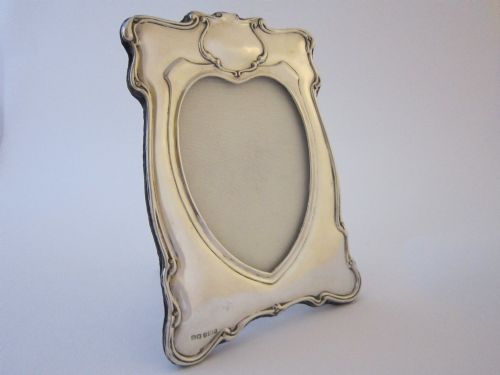
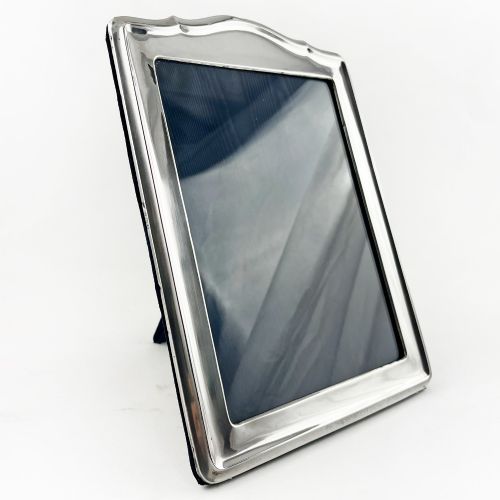
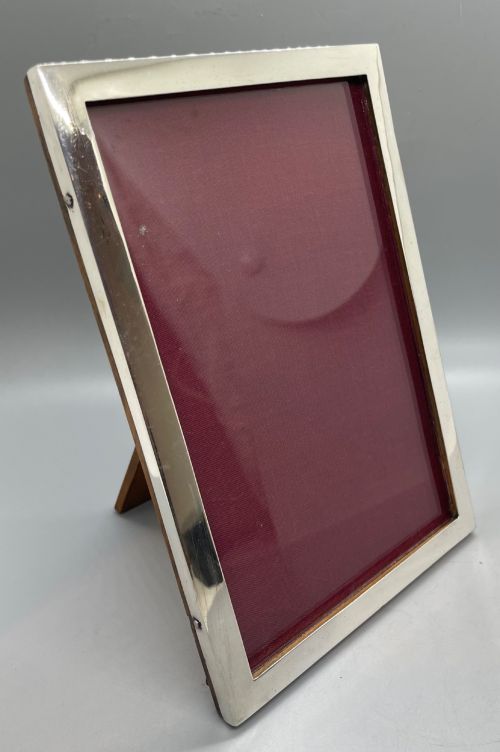
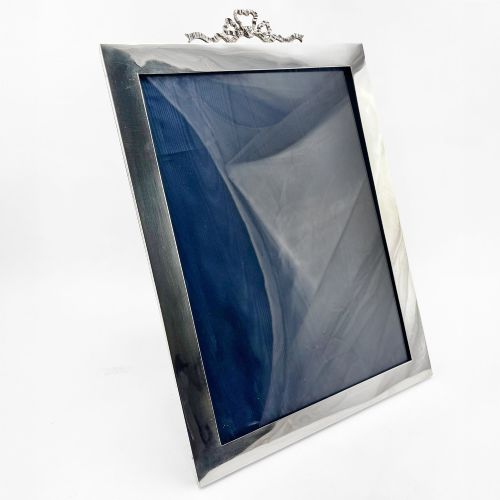
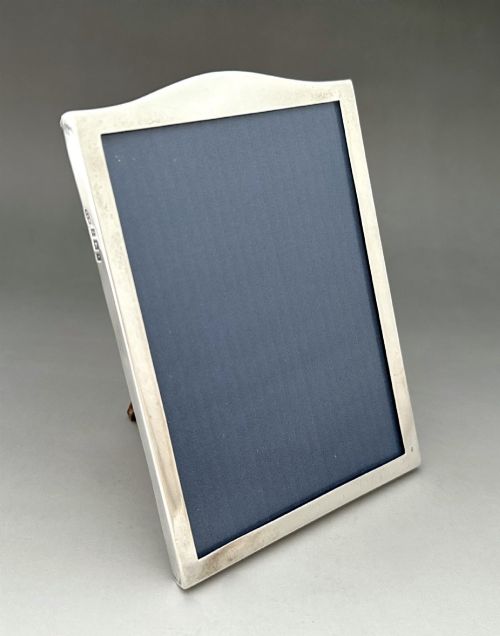
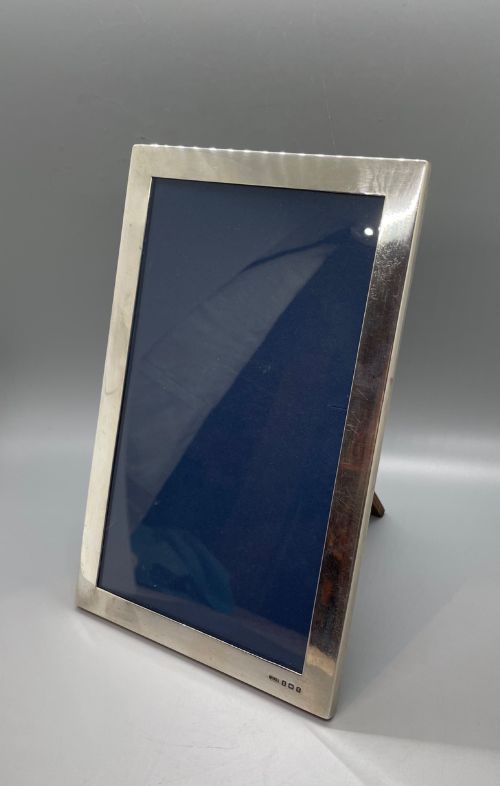
An antique sterling silver portrait piece on this page is most commonly a photograph frame designed to hold a likeness of a person. These items span periods from the late Victorian era through the Edwardian period and into the reign of George V.
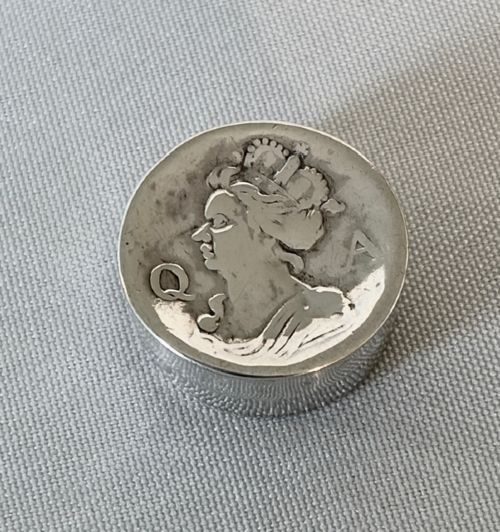
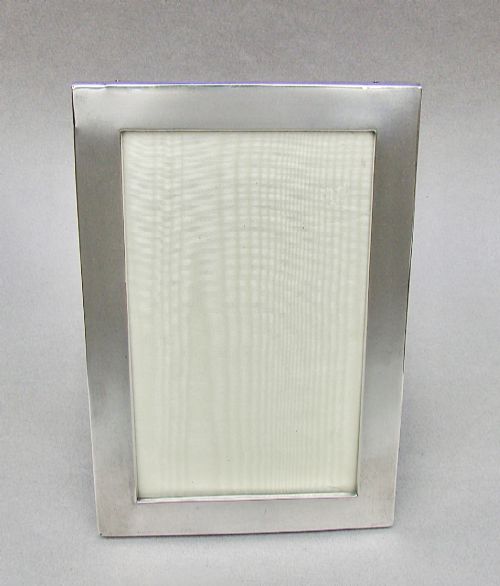
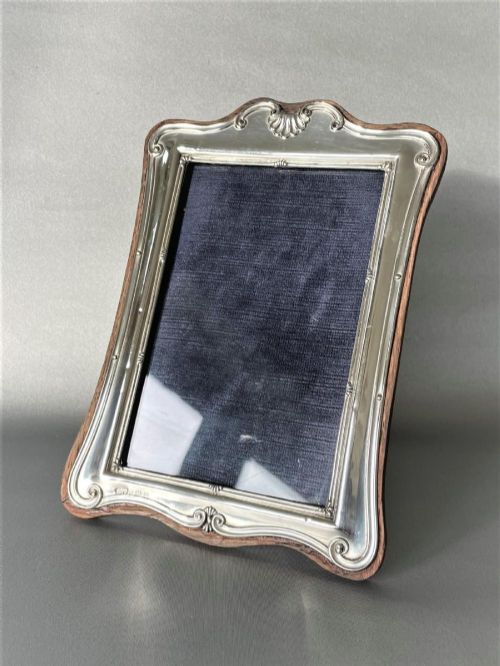
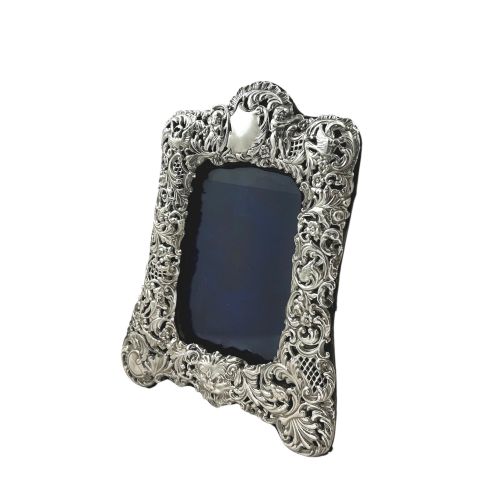
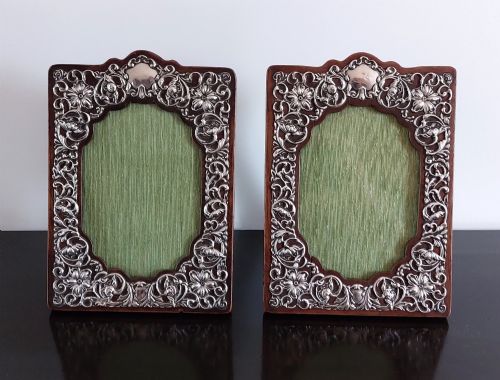
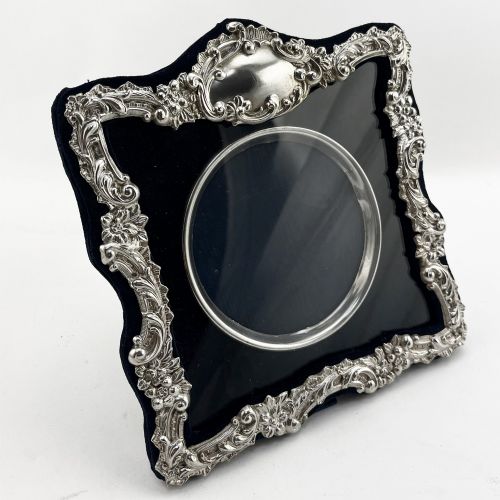
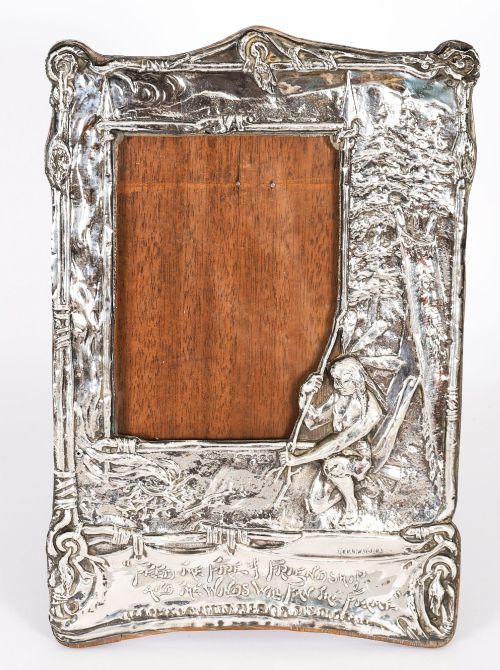
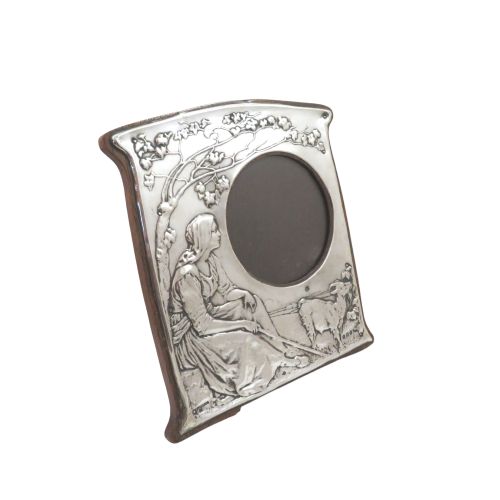
The forms range from simple plain surrounds to elaborate designs incorporating motifs such as hearts, butterflies, and figures like Reynolds Angels. Alongside large and small frames, the selection includes related personal items such as patch boxes, vesta cases, and brooches.
Makers and assay offices from cities like Birmingham, Chester, and Sheffield stamp their marks upon these silver objects. Buyers encounter both landscape and portrait orientations, often backed with wood and lined with fabric or velvet.
How they were made
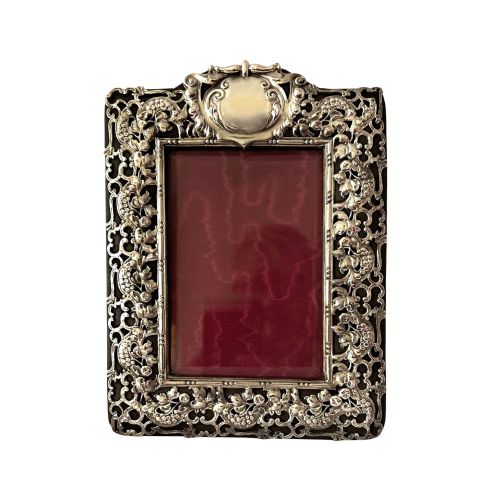
The primary material used for the structural front of these portrait items is sterling silver, paired with internal wooden supports and covered at the back with materials like velvet, silk, or fabric to protect surfaces. Glass protects the photographic image or painted portrait within the frame.
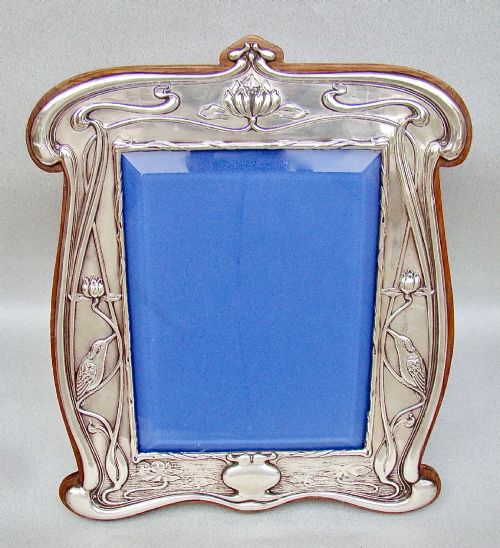
Artisans employed techniques including repoussé, embossing, and piercing to achieve the flowing lines typical of Art Nouveau designs or the structured symmetry of Edwardian and George V pieces. Enamel work and hand-painting appear on specific items such as brooches and vesta cases, adding colour to the silver.
Antique Sterling Silver Portrait Retail Price Guide 2026
Typical asking prices for sterling silver portrait among the pieces listed under this phrase on Sellingantiques today, from the lower quarter to the upper quarter. They describe what is for sale here now, not the wider market.
Listings feature sterling silver combined with enamel, glass, wood, and velvet across Edwardian and George V periods.
What varies in quality
The distinction between standard production items and finer pieces lies in the crispness of the chased or embossed metalwork and the complexity of the design. Makers who specialised in luxury goods produced frames with heavier gauge silver and more intricate figural motifs.
Quality also shows in the retention of original structural components, such as the easel backs made of wood and covered in velvet or silk. Well-preserved hallmarks and distinct maker stamps indicate the origin and integrity of the silver.
William Neale and Sons·Saunders and Shepherd·Mappin and Webb·William Comyns·William Hutton and Sons·W I Broadway and Co
The Antique Sterling Silver Portrait Glossary
- Sterling silver
- An alloy of silver containing 92.5 percent pure silver and 7.5 percent other metals, usually copper, to add durability. This standard is marked with the lion passant on British pieces.
- Assay office
- An official body that tested the purity of precious metals and stamped them with a town mark. Common locations include Birmingham, Chester, and Sheffield.
- Repoussé
- A metalworking technique where the artisan hammers the silver from the reverse side to form a raised design in relief on the front. It is frequently seen on Art Nouveau frames.
- Vesta case
- A small pocket box with a hinged lid used for holding matches, often decorated with enamel or silver engraving. They date across the Victorian and Edwardian periods.
- Hallmark
- A series of official marks stamped on precious metals showing the maker, assay office, standard of purity, and year of assay.
Antique Sterling Silver Portrait: Frequently Asked Questions
What periods do these silver portrait frames come from?
The pieces span the late nineteenth and early twentieth centuries, covering Victorian, Edwardian, and George V eras.
Most items date specifically from the peak manufacturing decades between 1890 and 1920.
How do I know a frame is sterling silver?
British sterling silver items feature official hallmarks stamped directly onto the metal surface.
These marks typically include a standard mark such as a lion passant, an assay office mark, and a date letter.
What materials are used for the backs of the frames?
Makers constructed the structural backing using wood to provide rigidity and support for the display easel.
This wood is traditionally covered with velvet, silk, or fabric to create a finished texture.
Are all the frames designed for portraits?
While the majority function as photograph frames in both portrait and landscape orientations, the selection also includes related items.
Other silver portrait pieces take the form of hand-painted enamel brooches and decorative patch boxes.