

Antique Sterling Serviette Holder
An antique sterling serviette holder is a practical silver ring designed to identify table napkins at family meals, spanning periods from Victorian to mid-century modern.
Antique Sterling Serviette Holder
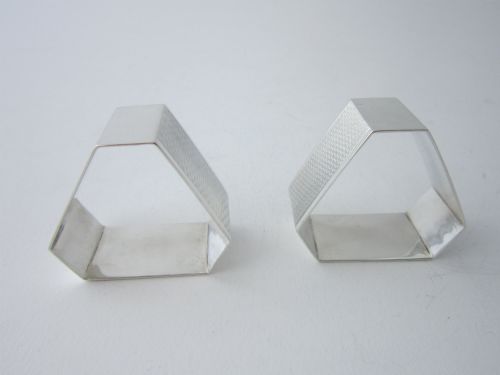
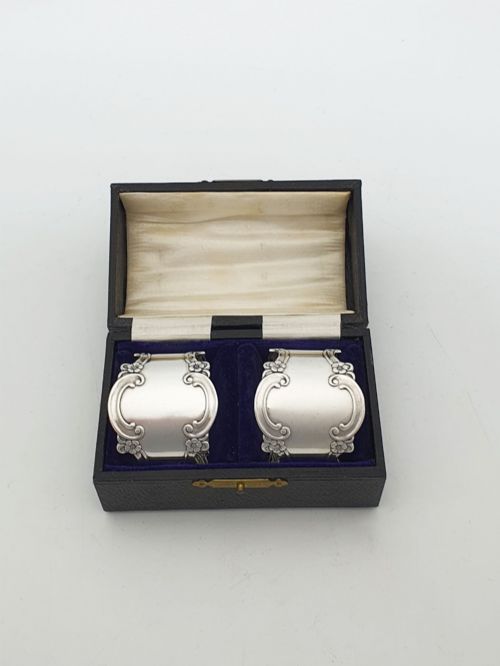
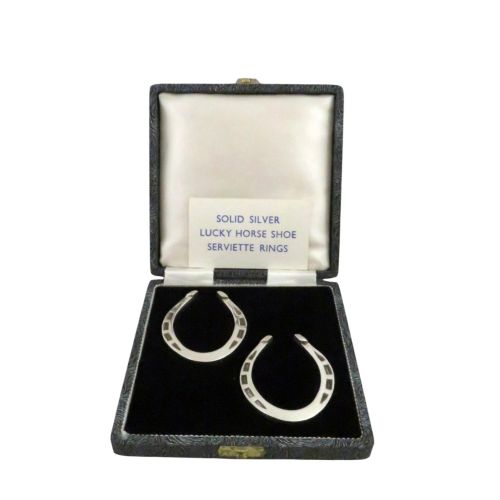
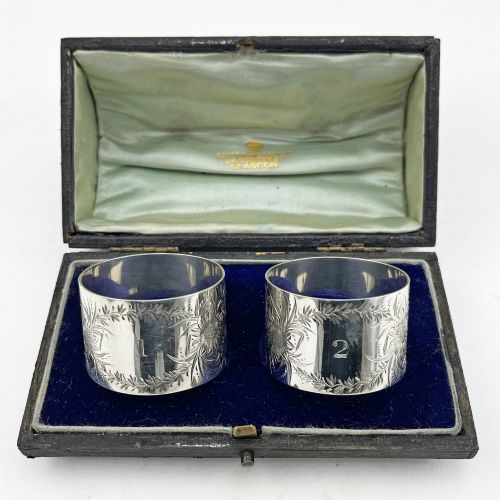
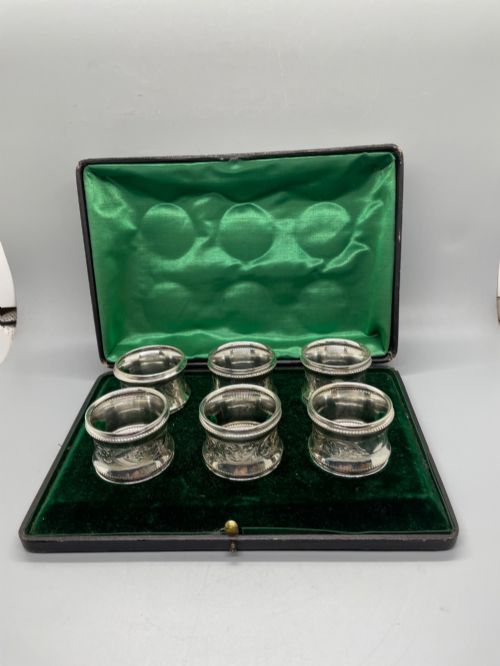
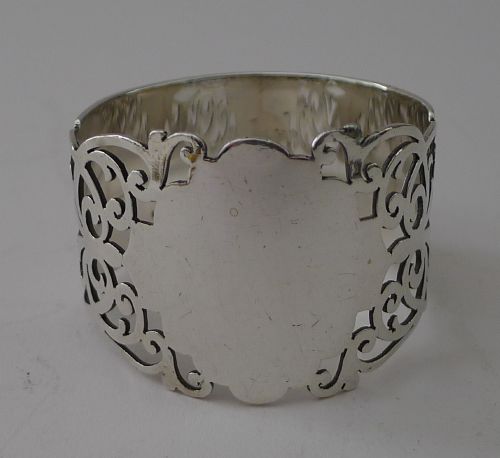
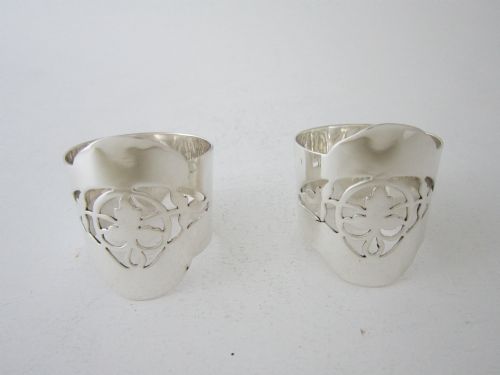
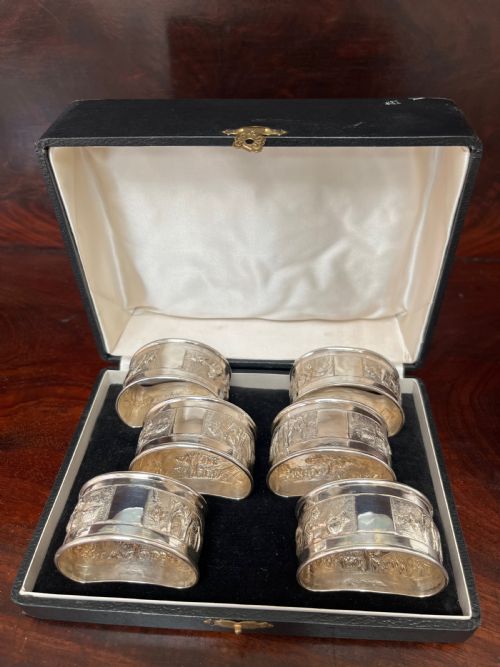
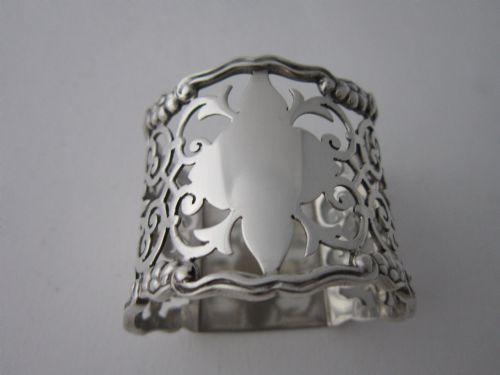
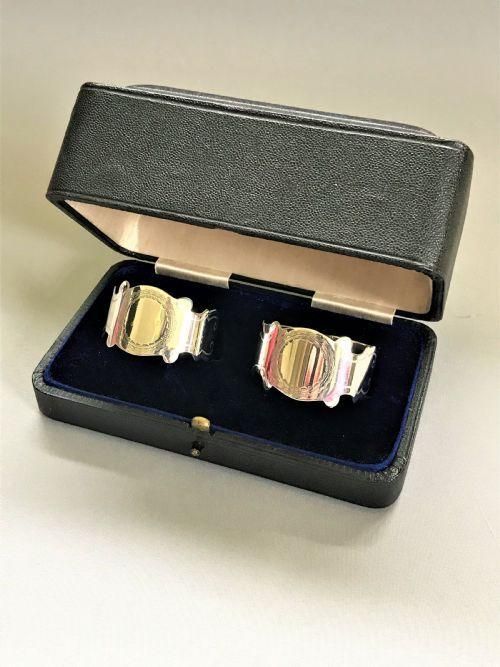
An antique sterling serviette holder, commonly known as a napkin ring, appears in forms ranging from single heavy pieces to matched pairs and cased sets of six. The listings show considerable variety in origin, spanning the Victorian era through Edwardian, George V, George VI, and mid-century modern periods.
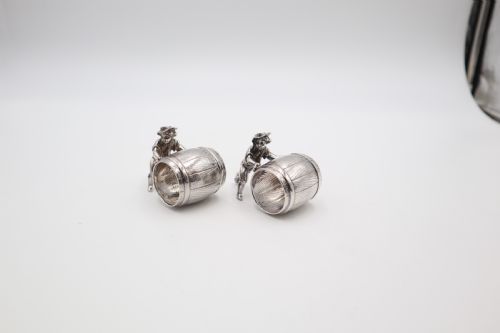
Buyers will most frequently encounter solid sterling silver examples originating from English assay offices, particularly Birmingham and London. These range from plain circular bands to decorative novelties, aesthetic designs, and cased sets housed in velvet, silk, or leatherette boxes.
Materials and construction
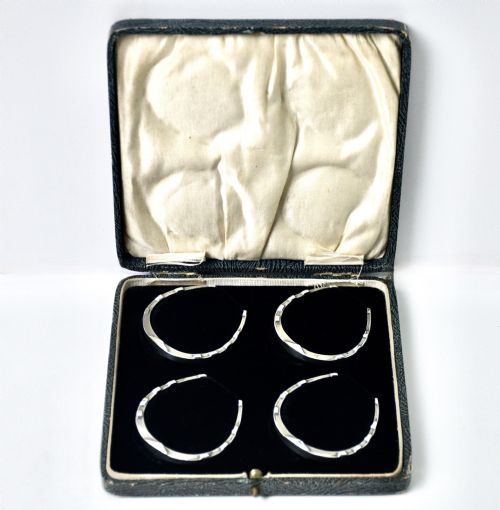
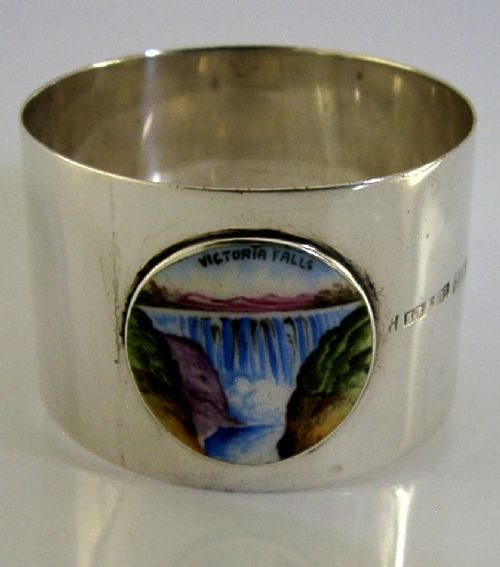
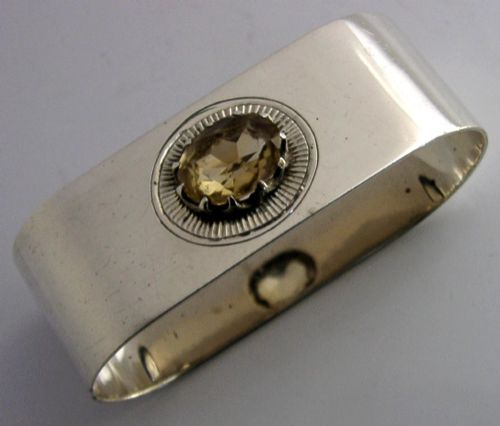
Silversmiths constructed these pieces using solid sterling silver, frequently shaping them into heavy bands or forming novelty shapes such as belts and horseshoes. Certain pieces incorporate additional decorative elements like enamel, citrine, and agate set directly into the silver.
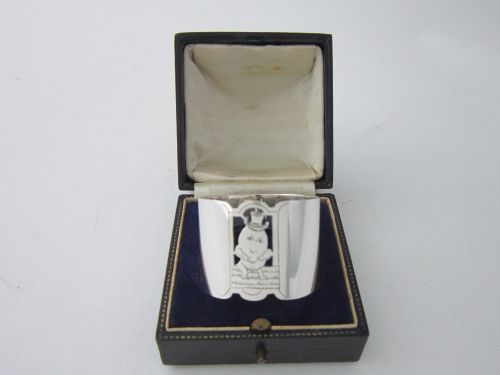
Cased presentation sets typically include custom-fitted interiors lined with materials such as velvet or silk, housed within protective leatherette outer boxes. Individual rings often display hallmarks stamped directly into the silver to denote the assay office, town, and year of manufacture.
Antique Sterling Serviette Holder Retail Price Guide 2026
Typical asking prices for sterling serviette holder among the pieces listed under this phrase on Sellingantiques today, from the lower quarter to the upper quarter. They describe what is for sale here now, not the wider market.
Materials extend beyond plain silver to include enamel, citrine, agate, velvet, silk, and leatherette.
What separates the fine examples
Quality in these pieces rests upon the weight of the silver and the crispness of the original hallmarks and chased decoration. Heavier gauges of silver retain their structural integrity and shape far better through decades of handling and polishing.
The presence of original fitted presentation cases and specialised ornamentation, such as guilloche enamel or hardstones like agate and citrine, distinguishes exceptional works from standard utilitarian examples.
R. E. Stone·C. T. Burrows and Sons·Liberty and Co·David Andersen·Henry Wilkinson
The Antique Sterling Serviette Holder Glossary
- Sterling silver
- A silver alloy containing 92.5 percent pure silver and 7.5 percent other metals, usually copper, chosen for durability. This is the standard metal composition found across the majority of these listings.
- Hallmark
- An official stamp applied to precious metals indicating the standard of purity, the assay office, and the date letter. English pieces commonly display these marks directly on the exterior or interior band.
- Assay office
- A body charged with testing the purity of precious metals and stamping them with official marks. Towns such as Birmingham and London are frequently recorded in the evidence.
- Guilloche
- A decorative technique in which a precise, intricate pattern is mechanically engraved into metal beneath a translucent layer of enamel. This method appears on specific coloured pieces from the early twentieth century.
- Cased set
- A matched group of items sold together within a fitted protective box lined with fabric. These sets often include six rings arranged securely for dining presentation.
Antique Sterling Serviette Holder: Frequently Asked Questions
What is an antique sterling serviette holder used for?
These silver rings served to distinguish individual cloth napkins between family meals or dinner party courses.
Placed beside each setting, they kept household linens organised and assigned to the correct user.
How do I know the date of my serviette holder?
British silver incorporates formal hallmarks that include a specific date letter corresponding to the year it was tested at an assay office.
Matching these stamped letters against official assay records reveals the exact year of manufacture.
Were these items sold individually or in sets?
Silversmiths produced both single heavy pieces and matched pairs, alongside larger cased sets typically containing six rings.
Sets often included fitted presentation boxes lined with silk or velvet for formal dining storage.
What styles are common among these silver pieces?
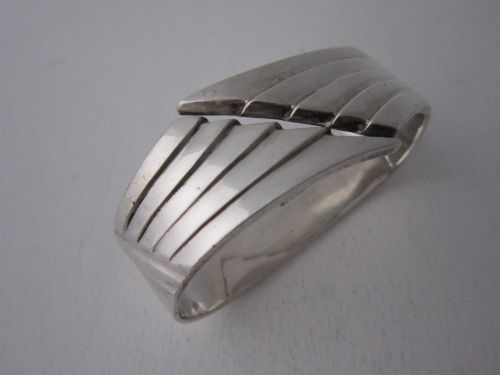
The designs range from plain Victorian bands to Edwardian novelties and later geometric Art Deco and mid-century forms.
Some examples feature specialised details like belt motifs, horseshoe shapes, or applied enamel and gemstones.