



Antique Sterling Serveware
Antique sterling serveware comprises solid silver tableware pieces designed for passing and portioning at table, offering lasting utility and traditional craftsmanship.
Antique Sterling Serveware
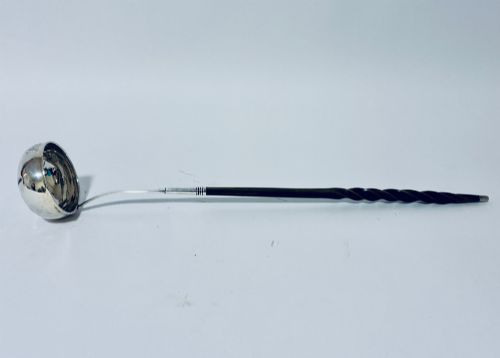
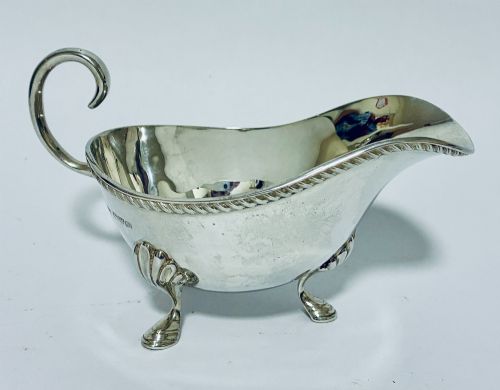
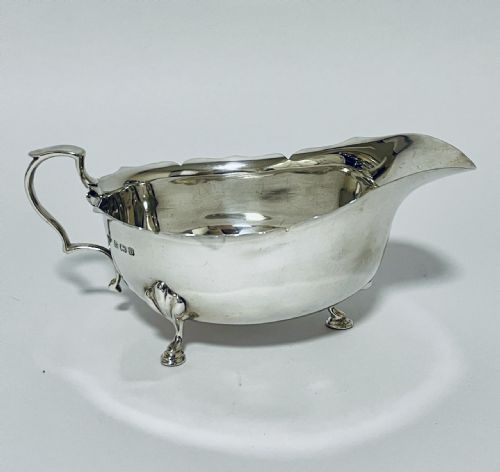
Antique sterling serveware encompasses functional table pieces such as sauce boats, fish slices, ladles, and toast racks produced across the Georgian, Victorian, and Edwardian periods. Buyers searching for antique sterling serveware encounter objects forged for formal dining, ranging from early eighteenth-century sauce tureens to mid-twentieth-century sauce boats.
Materials and construction methods
Items in this category rely predominantly on solid sterling silver, shaped through traditional smithing techniques such as raising, casting, and hammering. Selected pieces combine silver with cut crystal components, particularly in salad services and pitchers.
Silversmiths employed detailed chasing, piercing, and engraving to ornament handles and bowls, applying techniques appropriate to each period from Rococo-influenced Georgian pieces to cleaner Edwardian execution.
Antique Sterling Serveware Retail Price Guide 2026
Typical asking prices for sterling serveware among the pieces listed under this phrase on Sellingantiques today, from the lower quarter to the upper quarter. They describe what is for sale here now, not the wider market.
A solitary wishbone toast rack stands ready to hold your morning toast aloft with avian enthusiasm.
Judging quality in silver service pieces
Quality rests upon the weight of the metal, the crispness of the maker's marks, and the integrity of the original form without thinning from excessive polishing. Superior pieces maintain balanced proportions and secure joints where handles meet bowls or blades.
The refinement of hand-worked detailing distinguishes standard utility items from masterwork production. Crisp chasing and well-defined cast mounts demonstrate superior workshop standards.
Martin Hall & Co·Roberts & Belk·Tiffany & Co·Walker And Hall·William Grundy
The Antique Sterling Serveware Glossary
- Sterling silver
- A silver alloy containing 92.5 percent pure silver and 7.5 percent other metals, usually copper, ensuring durability for functional tableware. This standard forms the baseline for the objects listed on this page.
- Sauce boat
- A small open vessel with a lip and handle, designed for serving gravies or sauces at the dining table. Georgian and Victorian examples often feature three feet and matching stands.
- Toast rack
- A metal framework with vertical dividers designed to hold slices of toast upright at breakfast. These items appeared in various configurations during the Georgian and Edwardian eras.
- Fish slice
- A wide, flat server often pierced or engraved, created specifically for portioning fish at formal meals. George IV and Victorian makers produced substantial silver examples.
- Sauce tureen
- A covered vessel used for holding and keeping sauces warm during service. Eighteenth-century versions display sophisticated classical or Rococo styling.
Antique Sterling Serveware: Frequently Asked Questions
What is sterling serveware?
Sterling serveware includes functional dining table implements made from solid silver, such as ladles, sauce boats, and servers.
These pieces were created to assist with the distribution of food during formal meals.
How do I clean antique silver?
Antique silver requires gentle cleaning with a specialist silver cloth or non-abrasive polish to preserve the metal and any engraved details.
Frequent washing in harsh detergents should be avoided to protect the finish.
Are these pieces safe for food?
Solid silver is non-toxic and traditionally used for food service, making these items suitable for modern dining use.
Proper washing after use prevents tarnishing from food acids.
How do I date silver serveware?
Dating relies upon British hallmarking systems stamped directly onto the metal, which indicate the assay office, year letter, and maker's mark.
Stylistic elements like Rococo curves or Edwardian proportions also help confirm the period.