

Antique Sterling Photo Holder
These antique sterling photo holder pieces preserve family portraits and menu cards with the solid weight and bright polish of silver.
Antique Sterling Photo Holder
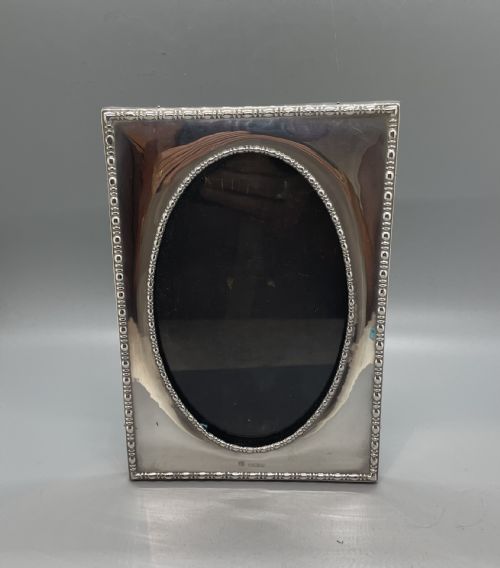
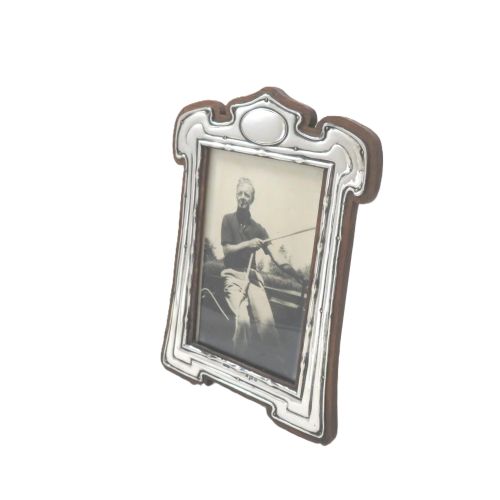
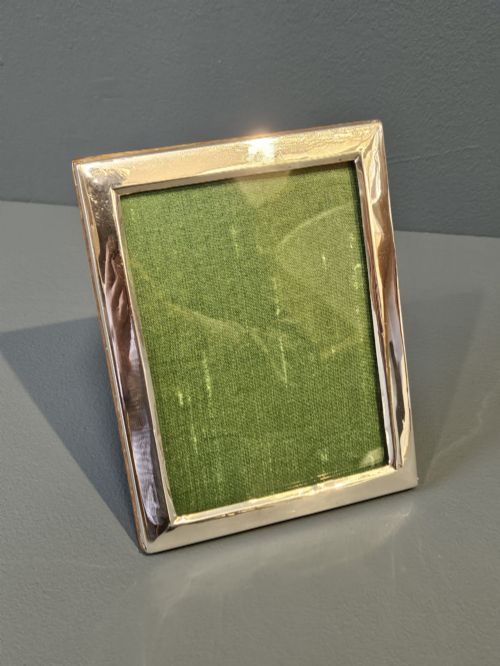
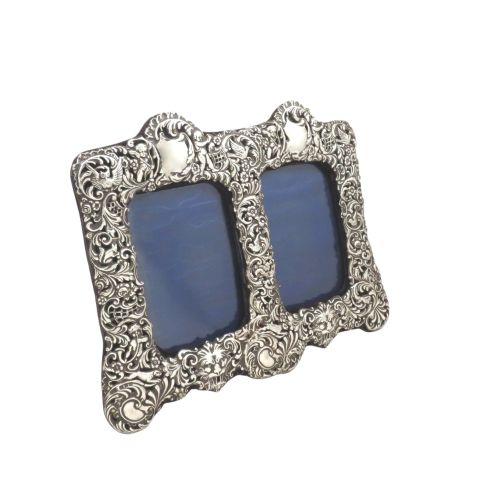
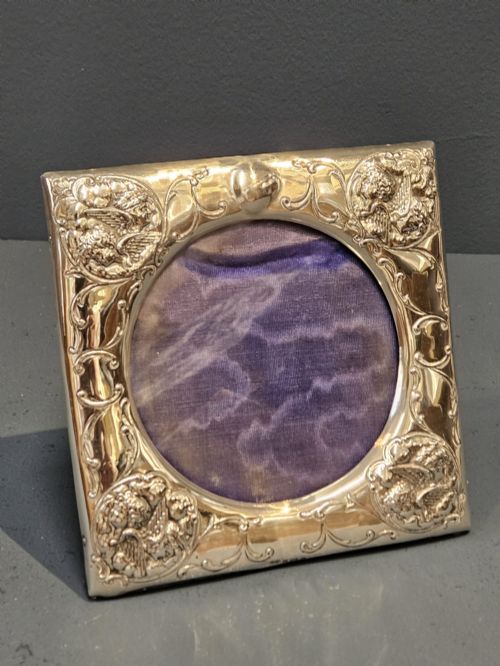
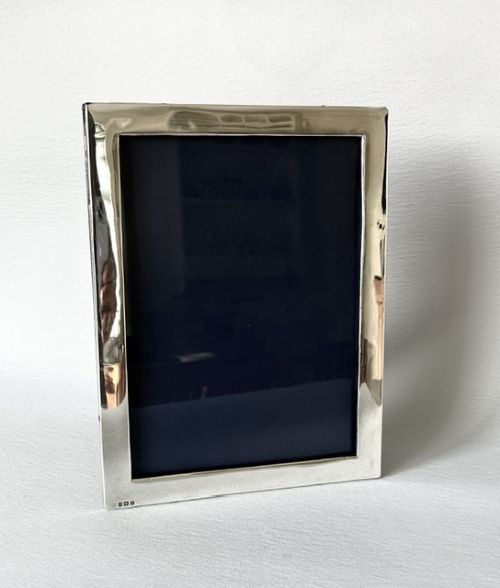
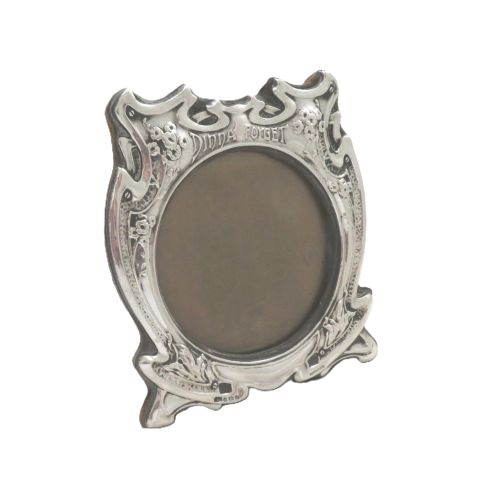
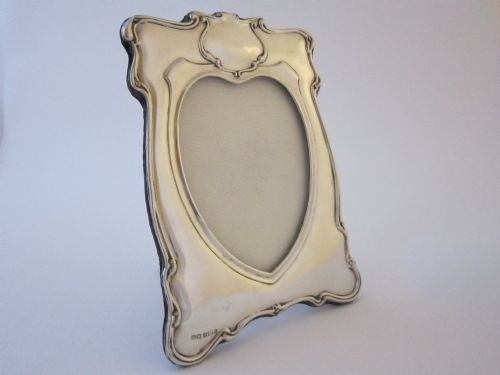
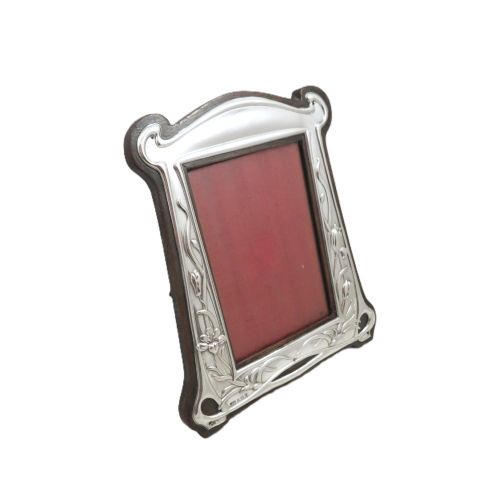
An antique sterling photo holder encompasses picture frames, photo frames, and menu holders produced across the Victorian, Edwardian, and Art Deco periods. The selection here leans heavily towards Edwardian and George V sterling silver examples made in Birmingham or Sheffield, alongside occasional Victorian and mid-century items.
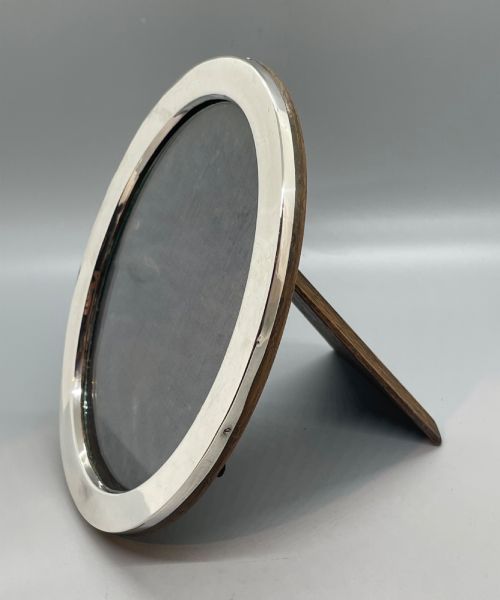
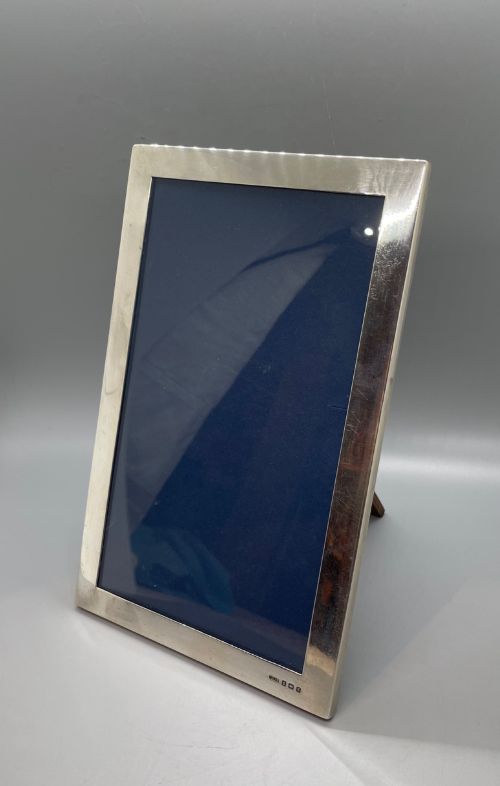
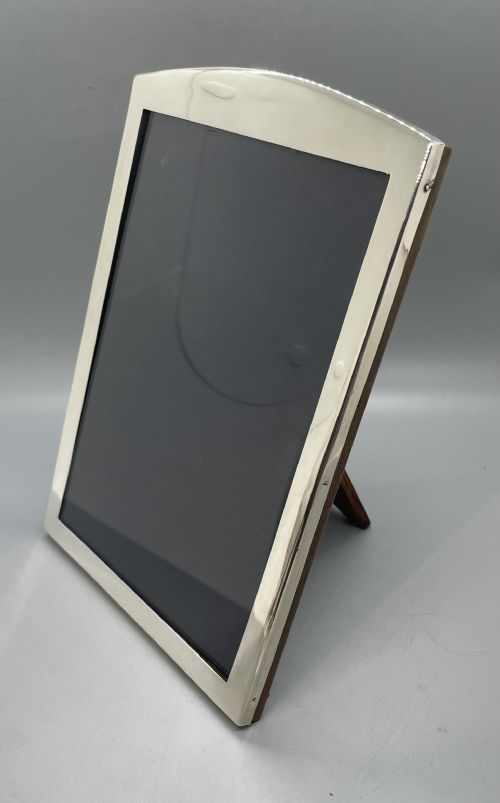
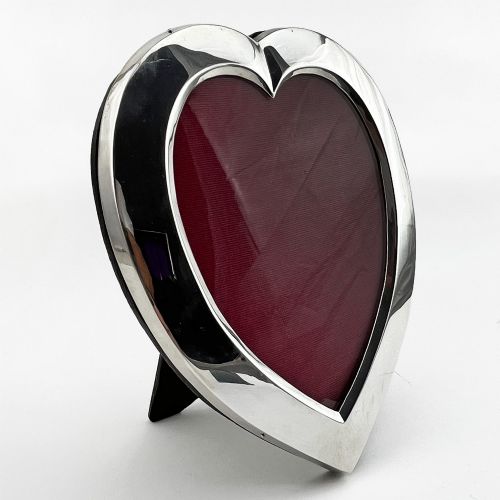
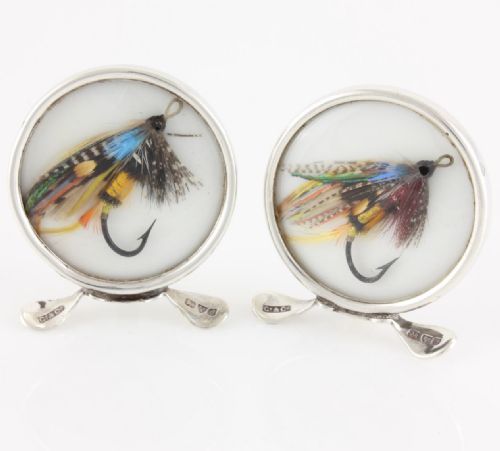
Makers shaped these items into rectangular, oval, heart-shaped, and double configurations designed to sit on a desk or dressing table. Alongside standard portrait orientations, domestic settings also welcomed specialised pieces such as fly fishing menu card holders and buckle-style designs.
The objects served to display family memories, watercolours, or dinner menus within domestic interiors. Their survival depends on the durability of the sterling silver front plates paired with supportive wooden or leather backs and easel stands.
How they were made
Silversmiths constructed these items using sterling silver sheet, which they embossed, engraved, engine-turned, or planished to create decorative borders. Makers often integrated motifs like Reynolds Angels, floral patterns, or Art Nouveau whiplash lines directly into the metal surface.
The silver front mounts were fitted over structural frames of wood or fabric, backed by materials such as black leather, velvet, and glass to protect the inserted paper or photograph. Many pieces incorporated hinged silver easel struts secured to the reverse for tabletop display.
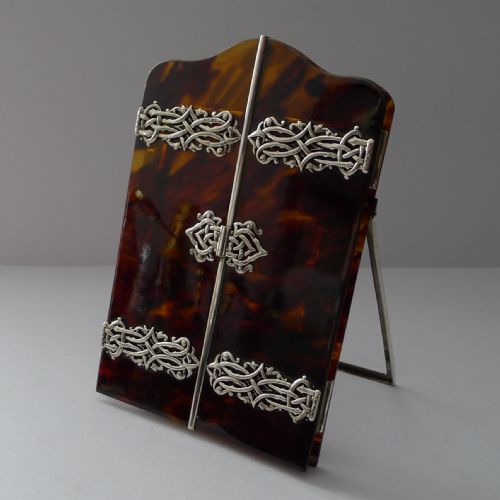
Listings feature items spanning the Victorian era through the 1960s, executed in sterling silver, tortoiseshell, velvet, and glass.
What varies in quality
Quality rests in the crispness of the chased or embossed decoration and the gauge of the sterling silver sheet. Thicker silver retains its structural integrity and resists denting along the delicate outer borders better than thinner alternatives.
The integrity of the original backing materials, glass, and easel mechanism dictates the preservation state of each item. Pieces retaining their original stamped maker marks, assay office stamps, and intact leather or wooden backs hold greater historical completeness.
William Comyns·Grey and Co·Mappin Bros·Syner and Beddoes·Henry Matthews·Deakin and Francis
The Antique Sterling Photo Holder Glossary
- Sterling silver
- An alloy comprising standard proportions of silver and other metals to ensure durability in domestic objects. It bears assay office marks to guarantee purity.
- Hallmark
- A group of official stamps impressed into the metal indicating the maker, assay office, and year of manufacture. These marks confirm the provenance of British silver.
- Engine-turned
- A decorative technique involving precise geometric patterns cut mechanically into the metal surface. It creates a textured background that catches the light.
- Planished
- A surface finish achieved by hammering the silver with a polished round-faced hammer to produce subtle facets. This method imparts a hand-worked texture across the metal.
- Easel back
- A hinged prop attached to the reverse of the frame allowing it to stand upright on a flat surface. It is commonly covered in leather, fabric, or velvet.
Antique Sterling Photo Holder: Frequently Asked Questions
How do I date an antique silver frame?
Dating relies upon the assay office marks and date letters stamped directly into the sterling silver border. These official marks record the exact year and town of manufacture.
Stylistic indicators such as Art Nouveau whiplash curves or geometric Art Deco lines also point towards specific decades like the 1900s or 1920s.
What is the difference between a picture frame and a photo holder?
Makers designed these terms interchangeably to describe domestic display items for paper items, though smaller versions often accommodated calling cards or menus.
Photographic formats standardise the aperture shapes, distinguishing portrait windows from landscape formats and double-hinged companion pieces.
How do I clean antique sterling silver frames?
Maintenance requires a soft cloth and a gentle, non-abrasive silver polish applied lightly to avoid rubbing away delicate embossed or engraved details.
Care must be taken around the original glass, velvet, or leather backing to prevent moisture damage to the historical components.
Are the easel backs usually original?
Many pieces retain their original wooden or leather-covered struts, though replacements occur frequently due to the fragile nature of nineteenth-century hinges.
Examining the fixings helps determine whether the backing materials match the age of the silver front mount.