





Antique Sterling Photo Display
These antique sterling photo display pieces bring enduring elegance to any room, offering a tactile way to showcase cherished memories.
Antique Sterling Photo Display
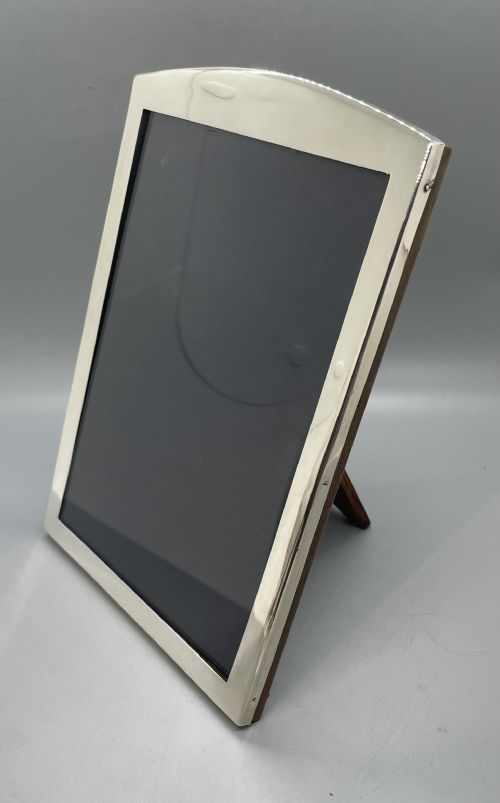
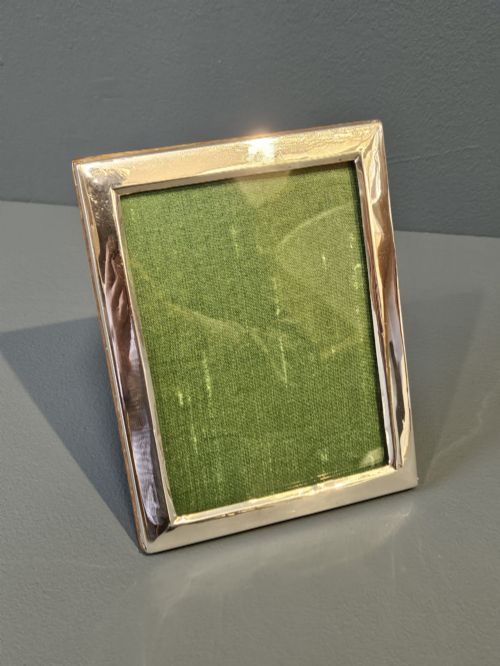
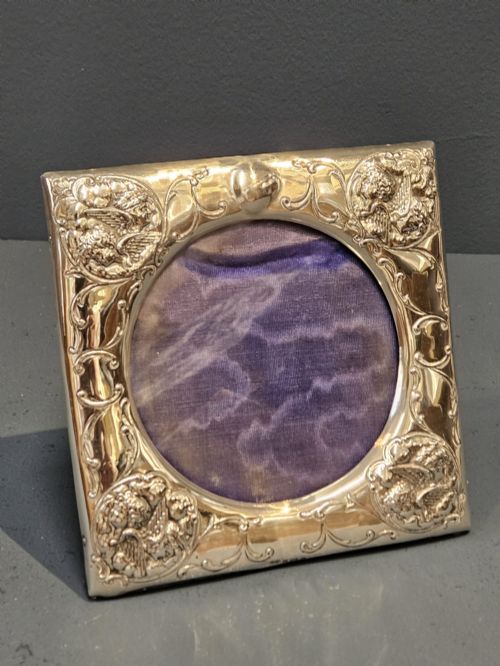
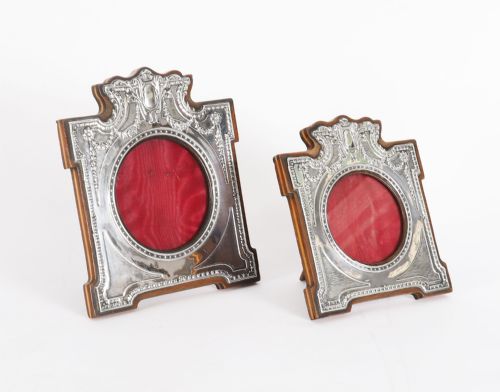
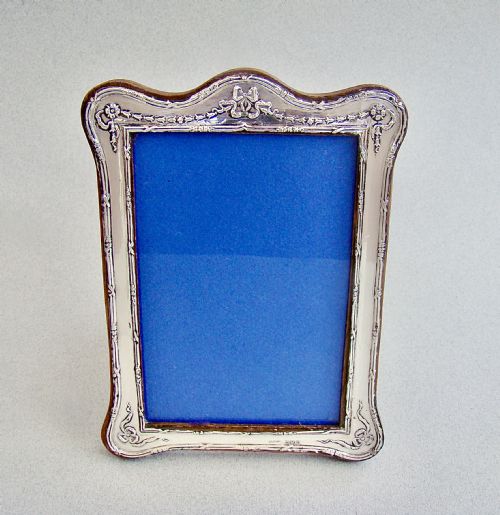
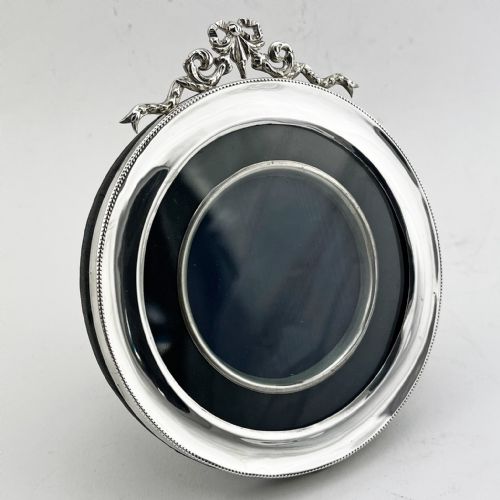
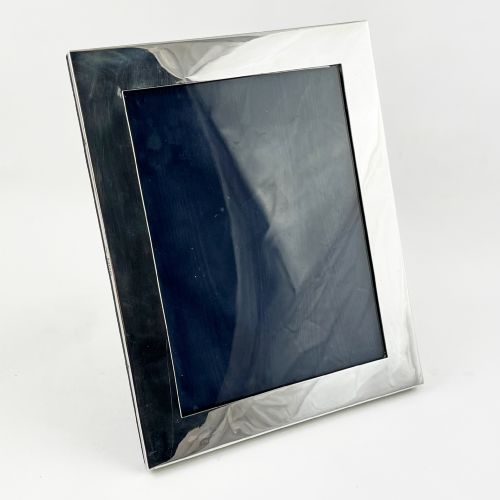
You are most likely to meet rectangular or round designs featuring decorative borders made from silver. Many examples incorporate materials like wood, glass, velvet, and fabric to support the structure and protect the image within.
The aesthetic of these items often reflects popular design movements of their time, including Art Nouveau, Neoclassical Revival, and Art Deco. Such frames serve both a functional purpose in domestic interiors and a decorative role as mantlepiece ornaments.
Materials and construction
The construction of these items relies on sterling silver mounted over structural elements like oak or other wood types to provide rigidity. Artisans frequently utilised techniques such as embossing, engraving, and planishing to pattern the metal borders.
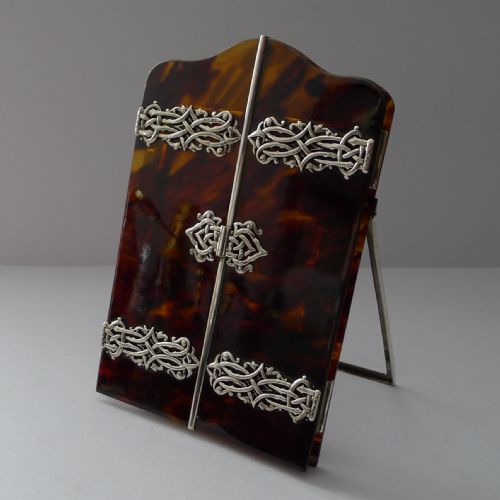
Backings were typically finished with materials like black leather, blue velvet, or fabric to secure the photograph safely inside. Speciality pieces also integrated natural elements like tortoiseshell beneath or alongside the silver mounts.
Listings feature items spanning the Victorian, Edwardian, and George V eras, incorporating wood, glass, velvet, and tortoiseshell.
Assessing quality and craftsmanship
The distinction between standard examples and finer pieces often rests on the depth and complexity of the metalwork. Hand-embossed floral borders and detailed engraved patterns require greater skill than plain surfaces.
The choice of supplementary materials also influences the overall standard of the piece. Frames that incorporate genuine tortoiseshell or well-preserved velvet and leather backings demonstrate a higher tier of original manufacture.
Mappin Bros·W.I.Broadway & Co·William Comyns
The Antique Sterling Photo Display Glossary
- Sterling silver
- A standard alloy consisting of silver and other metals, usually copper, to increase durability while maintaining a bright lustre. It forms the primary metal shell of these frames.
- Planished
- A surface finish achieved by hammering the metal with a smooth round-headed tool to create subtle, uniform facets. This technique gives the silver a tactile, hand-worked texture.
- Tortoiseshell
- A decorative material sourced from the shell of certain turtle species, valued for its mottled amber and brown patterns. It provides a rich contrast when paired with silver mounts.
- Embossed
- A technique where the metal is raised from the reverse side using hammers and punches to create a three-dimensional design on the front. Floral motifs are frequently rendered this way.
- George V
- A period spanning the early twentieth century defined by specific hallmarks and stylistic transitions between Edwardian elegance and Art Deco geometric forms.
Antique Sterling Photo Display: Frequently Asked Questions
What periods do these frames come from?
These items originate predominantly from the Victorian, Edwardian, and George V eras spanning the late nineteenth and early twentieth centuries.
Specific assay marks often help pinpoint the exact year and city of manufacture, such as Birmingham offices.
How were these frames used originally?
People placed them on desks, dressing tables, and mantelpieces to display portraits of family members and loved ones.
Their sturdy wooden or leather backs and easel stands allowed them to remain upright on domestic surfaces.
What materials accompany the silver?
Makers frequently paired sterling silver mounts with glass fronts to protect photographs from dust and handling.
Internal structures relied on wood or oak, while the reverse sides featured fabric, black leather, or velvet.
How do I care for antique silver frames?
Gentle cleaning with a soft cloth helps maintain the shine of the sterling silver without damaging embossed details.
Harsh chemical dips should be avoided to preserve any original patination and the integrity of backing materials.