
Antique Sterling Napkin Holders
Antique sterling napkin holders are small silver table items designed to hold dinner linen, offering utility and traditional craft for the dining table.
Antique Sterling Napkin Holders
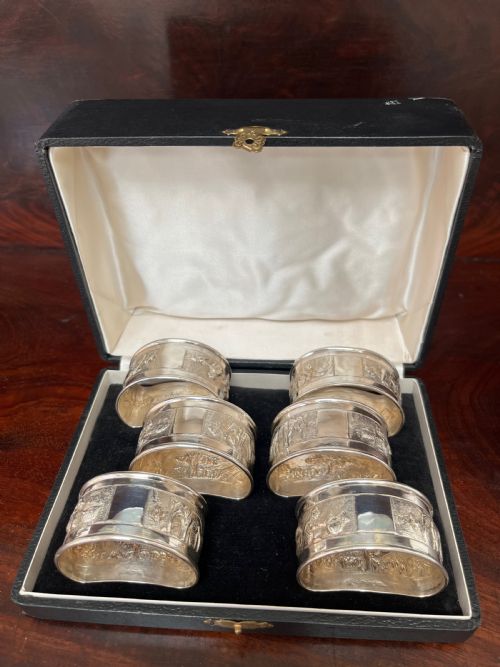
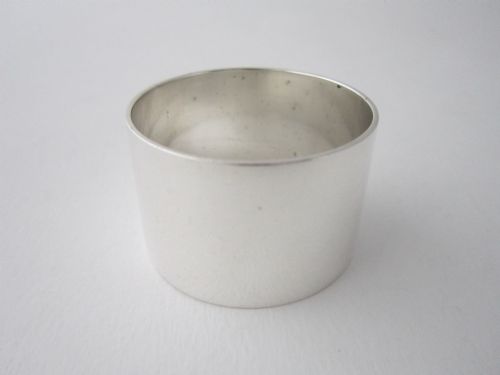
Antique sterling napkin holders appear predominantly as single rings, matched pairs, or larger cased sets designed for formal dining. Collectors encounter these pieces chiefly from the Victorian, Edwardian, and George V periods, spanning the late nineteenth century through the interwar years.
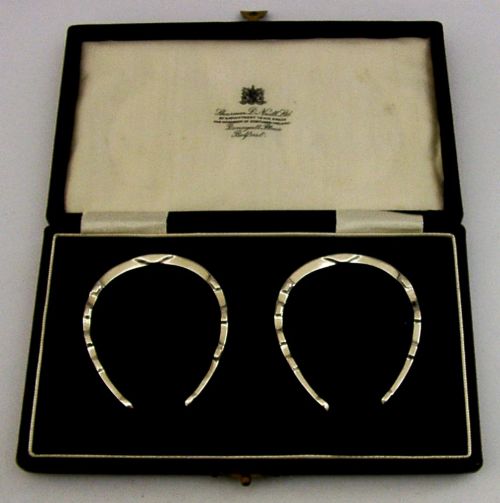
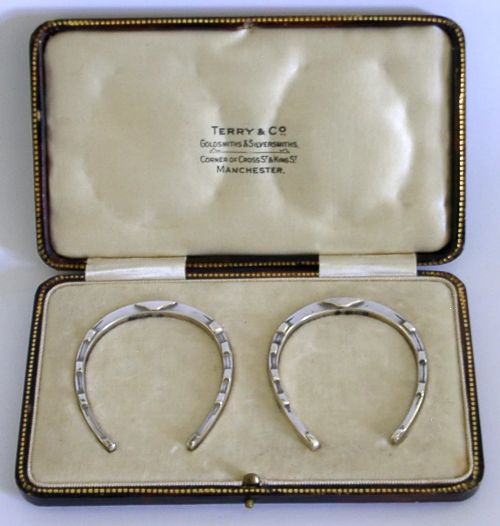
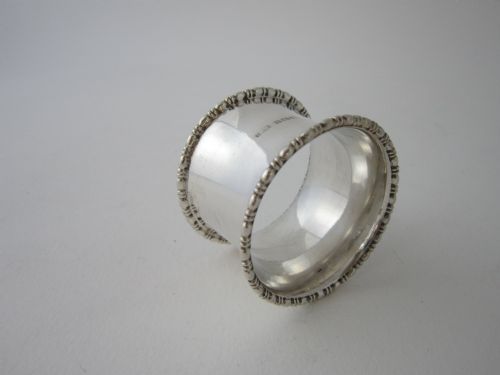
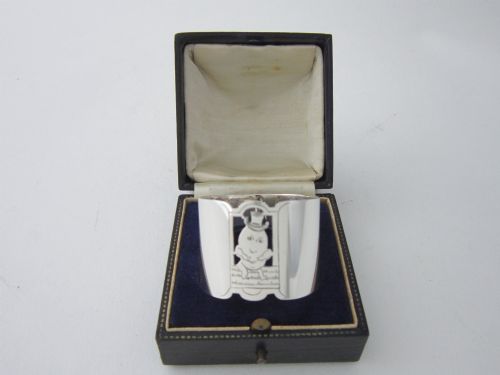
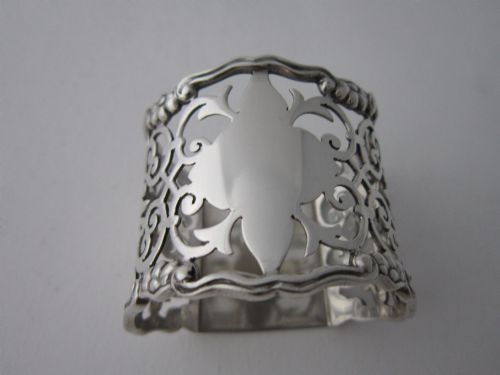
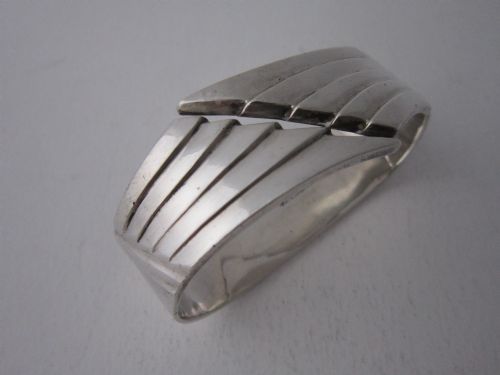
Designs range from plain polished cylinders to specific thematic motifs such as horseshoes, belt buckles, and shield shapes. Variations also include clips that attach directly to the table edge or fold over linen.
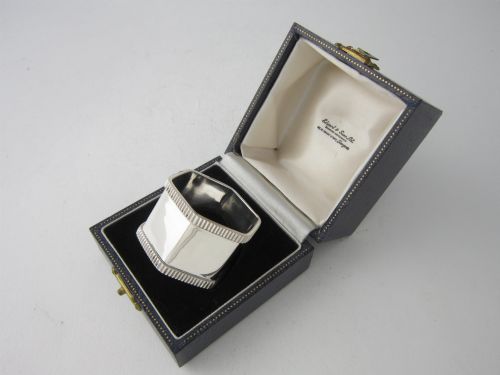
Many survive alongside their original presentation boxes lined with silk, velvet, or leatherette, preserving the domestic context of their initial purchase.
Materials and construction
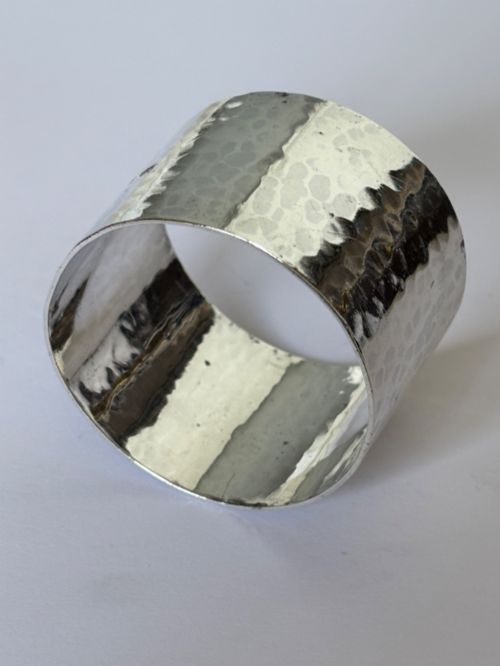
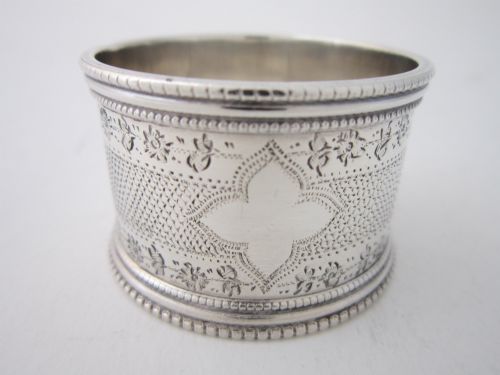
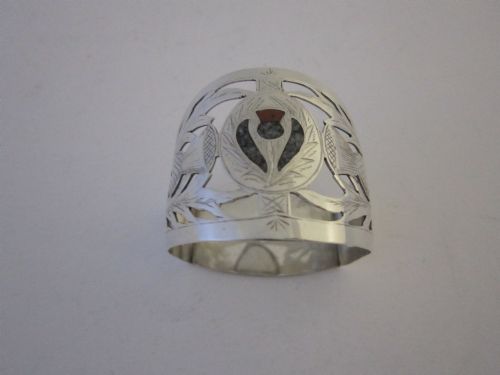
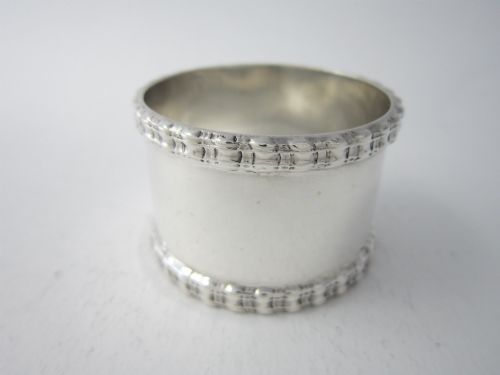
Construction relies primarily on solid sterling silver, shaped through pressing, rolling, and soldering techniques to form durable cylindrical bands or structural clips. Surface decoration is often achieved through hand hammering, engraving, or applied enamel work.
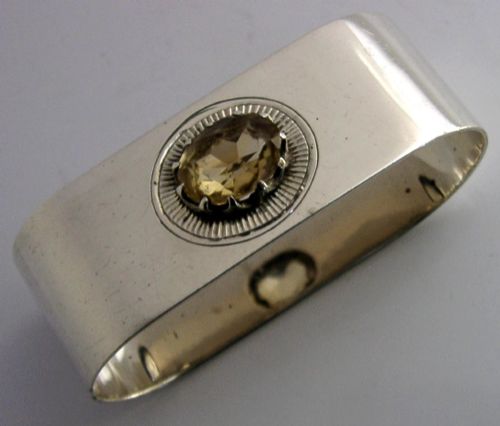
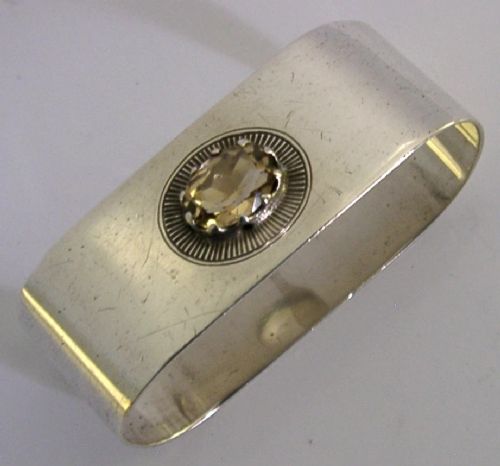
Select examples incorporate gemstones such as citrine or semi-precious panels like agate, set directly into the silver framework. Presentation cases utilise outer coverings of leather or leatherette to protect the metal within.
Horseshoe-shaped silver rings bring a touch of stable-yard luck directly to the dining table.
Judging execution
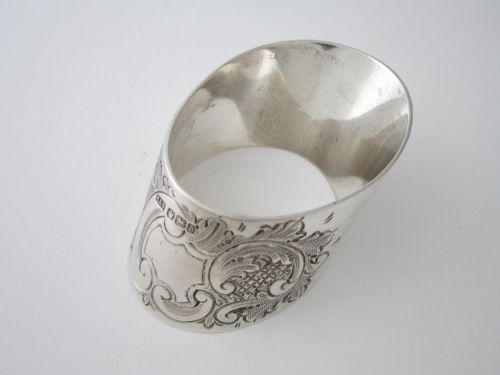
Quality rests upon the crispness of the silversmith's workmanship, evident in clean solder seams, deep hallmarking, and well-defined hand-hammered textures or engraving. Pieces executed by notable retail houses or specific makers display superior weight and refined proportions.
The integrity of supplementary materials also influences the piece, seen in the survival of intact velvet linings within original fitted cases and the secure setting of stones like citrine or agate.
Albert Edward Jones·C.T. Burrows and Sons·Tiffany and Co·Liberty and Co·Mappin and Webb·Cartier
The Antique Sterling Napkin Holders Glossary
- Sterling silver
- A silver alloy containing 92.5 percent pure silver by mass, with the remainder consisting of other metals like copper for added strength. This standard is indicated by specific British hallmarks.
- Hallmark
- An official stamp applied to precious metals in Britain to guarantee the purity of the metal, the assay office, and the year of production. These marks allow precise dating of the silver.
- Citrine
- A yellow variety of quartz occasionally set into the body of silver tablewares. It provides a distinct splash of colour against polished metal.
- Enamel
- A glassy substance fused to the surface of metal through firing for decoration. It adds vibrant colour details to geometric or floral designs.
- Toast rack
- A small table frame used to hold slices of toast upright, sharing periods and silver-working techniques with napkin hardware.
Antique Sterling Napkin Holders: Frequently Asked Questions
How are antique napkin rings dated?
Dating relies upon the system of British hallmarking stamped directly onto the silver. These assay marks denote the specific office, metal standard, and date letter.
Additional clues come from the overall style, such as Victorian scrollwork or Art Deco geometric lines.
What is the difference between rings and clips?
Rings are closed bands that encircle a rolled napkin to keep it tidy at the place setting. Clips use a spring or tension mechanism to secure the linen without forming a complete loop.
Both serve the same domestic purpose during formal meals.
Were these items sold in sets?
Many pieces were produced as matched pairs for couples or assembled into larger sets of four or six for family dining. These often survive in fitted presentation boxes.
Single items were also common for individual use or christening gifts.
How should sterling silver be cleaned?
Silver requires gentle wiping with a specialised microfibre cloth to remove tarnishing without wearing away fine engravings or hallmarks. Abrasive polishes should be avoided to preserve the original surface.
Proper storage in dry, acid-free conditions limits future tarnish accumulation.