




Antique Sterling Knife
An antique sterling knife brings tangible weight to a desk or dining table, spanning delicate butter spreaders to substantial desk accessories.
Antique Sterling Knife
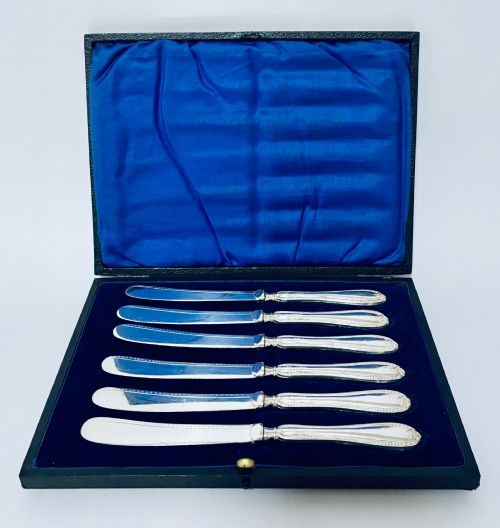
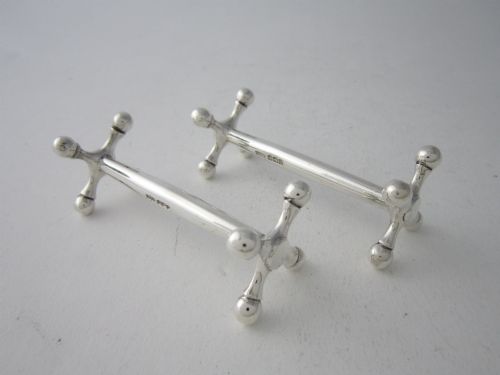
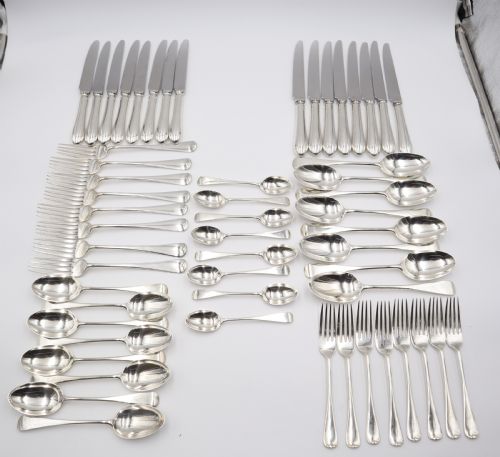
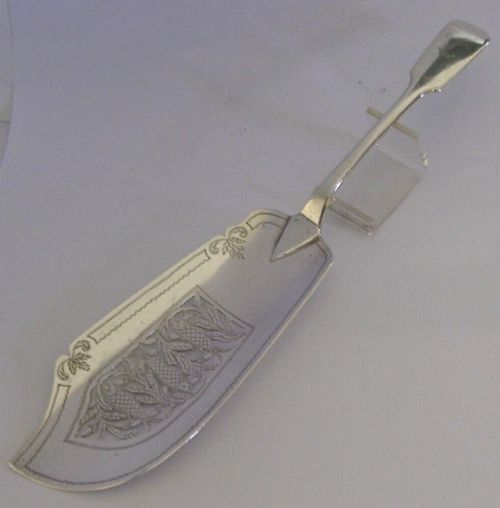
An antique sterling knife encompasses functional tableware, desk accessories, and personal implements originating across the Victorian, Edwardian, Georgian, and twentieth-century periods. The listings display diverse forms including butter knives, fruit knives, letter openers, and serving cutlery, frequently paired with fitted cases, velvet, silk, or leather.
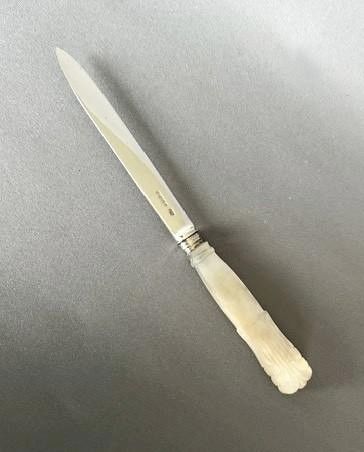
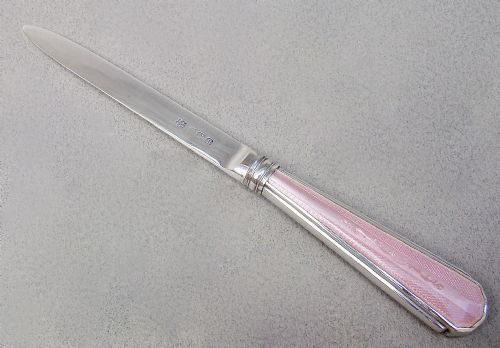
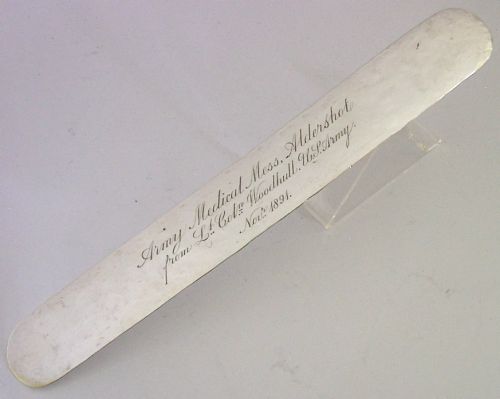
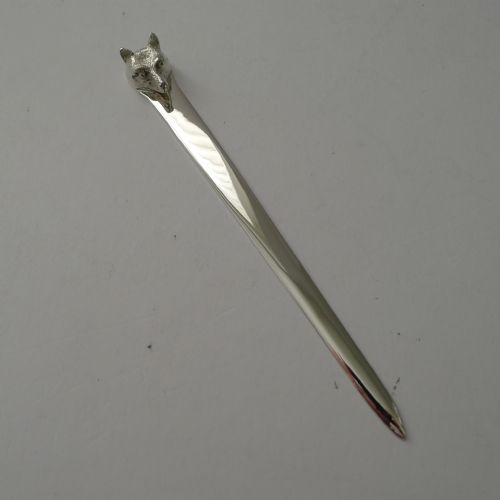
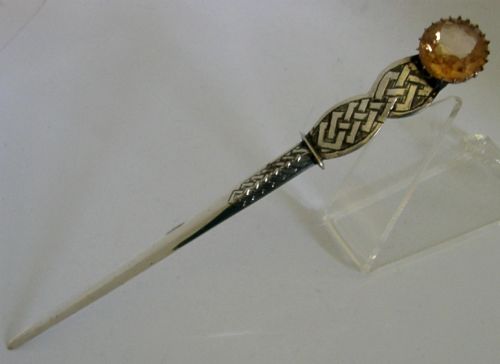
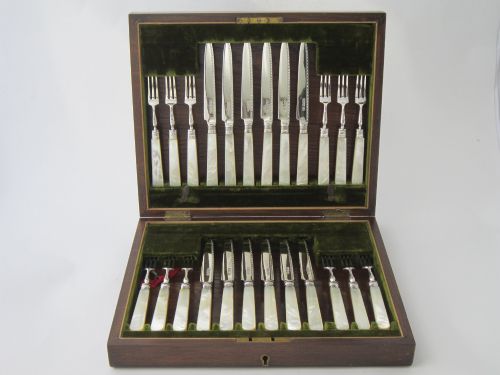
Tableware versions appear primarily as sets of butter knives or dessert sets featuring handles of silver or mother of pearl. Desk varieties manifest as letter openers and paper knives, sometimes incorporating novelty figures, animal motifs, or enamel work.
The materials span sterling silver, silver, steel, stainless steel, mother of pearl, leather, velvet, and silk. Pieces emerge from notable makers and silversmiths operating in Birmingham, London, Sheffield, Chester, and Glasgow.
Materials and Technique
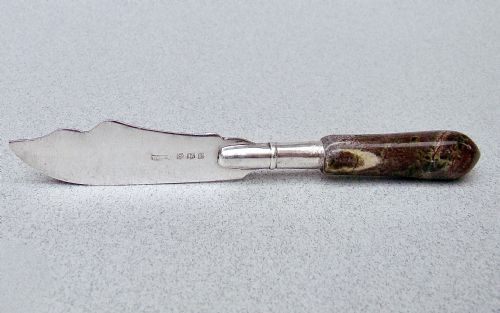
Makers combined sterling silver with steel, stainless steel, or mother of pearl to construct blades and handles suited to each specific task. Fruit knives and pocket implements frequently utilise mother of pearl scales alongside silver blades, while table cutlery combines silver handles with steel or silver-plated working ends.
Specialised items incorporate decorative techniques such as guilloché enamel, cast silver blades, and hand-engraved crests or patterns. Desk openers and novelty pieces demonstrate detailed casting, incorporating hardstones like agate or citrine into the precious metal mountings.
Antique Sterling Knife Retail Price Guide 2026
Typical asking prices for sterling knife among the pieces listed under this phrase on Sellingantiques today, from the lower quarter to the upper quarter. They describe what is for sale here now, not the wider market.
The listings span the Georgian, Victorian, Edwardian, and mid-century periods, utilising sterling silver, mother of pearl, velvet, silk, and leather.
Distinctions in Execution
The hierarchy of quality rests upon the crispness of the maker's mark, the integrity of the joins between handle and blade, and the sophistication of any decorative elements like enamel or hand-chased engraving. Substantial gauge silver and balanced weight signal superior manufacturing standards.
Provenance and completeness also dictate distinction, particularly when pieces retain original fitted presentation cases lined in silk or velvet, or belong to matched multi-piece sets by known makers.
The Barker Brothers·Georg Jensen·Asprey And Co·William Graeme·A Barrett Piccadilly
The Antique Sterling Knife Glossary
- Sterling silver
- A silver alloy containing 92.5 percent pure silver and 7.5 percent other metals, usually copper, ensuring durability for cutlery. This standard is denoted by specific hallmarks on British silver.
- Hallmark
- An official stamp or series of stamps applied to precious metals in Britain, indicating the maker, assay office, standard of purity, and year of assay.
- Mother of pearl
- The iridescent internal layer of pearl oyster shells, utilised traditionally for knife handles and small decorative scales due to its smooth texture.
- Guilloché enamel
- A decorative technique where a precise geometric pattern is機械 engraved into metal and covered with translucent enamel layers.
- Letter opener
- A flat, knife-like implement designed for slitting envelopes, often styled as a paper knife or combined with novelty handles.
Antique Sterling Knife: Frequently Asked Questions
Can I use antique silver cutlery daily?
Sterling silver utensils function well for daily dining if hand washed promptly after use. Acidic foods like citrus or vinegar should not be left on silver or steel blades for extended periods.
Avoid putting antique cutlery into mechanical dishwashers, as harsh detergents and high heat will pit the metal and loosen handles.
What is the difference between a butter knife and a fruit knife?
Butter knives feature blunt, rounded blades designed to spread rather than slice, often found in matched sets of six or housed in fitted presentation boxes with dishes.
Fruit knives typically possess pointed, folding, or cast silver blades meant for cutting acidic fruits without reacting adversely with the juice.
How are periods identified on silver items?
Assay office letters and date marks stamped directly into the sterling silver provide exact chronological placement. Style characteristics like Art Deco geometry or Victorian ornamentation offer initial visual clues before checking hallmarks.
Consulting historical records of registered maker's marks narrows down the decade of production when date letters appear unclear or worn.