
Antique Sterling Frame
An antique sterling frame brings domestic portraiture into focus through the weight of precious metal and the distinct hand of late nineteenth and early twentieth century silversmiths.
Antique Sterling Frame
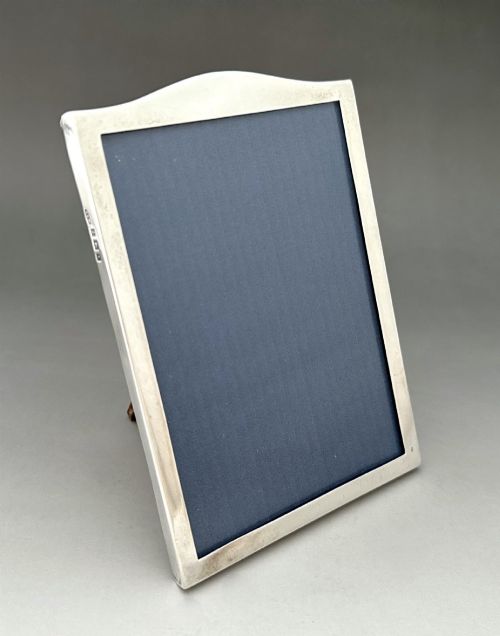
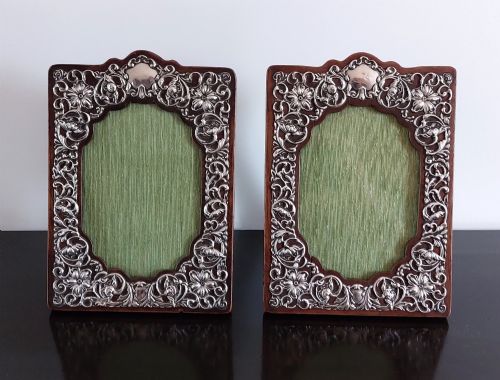
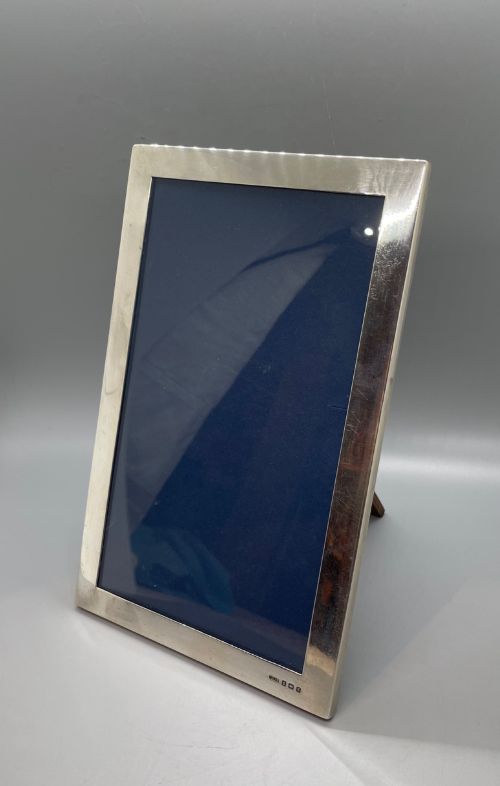
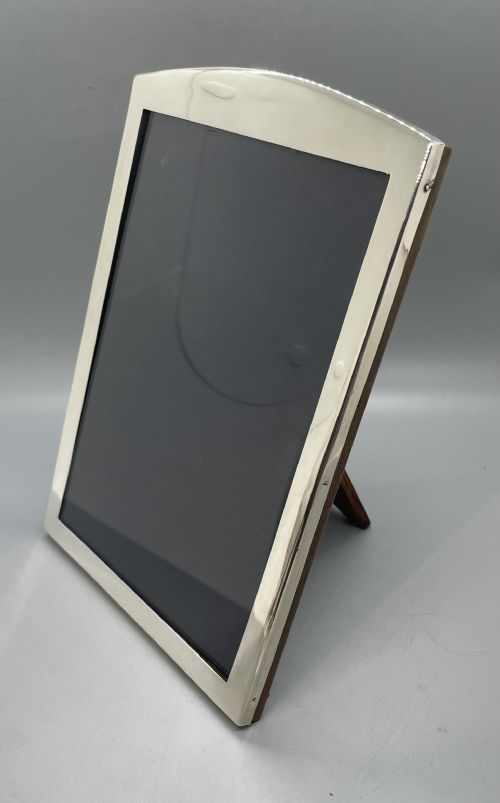
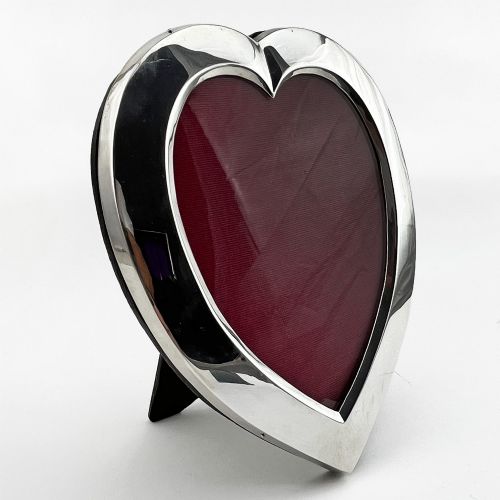
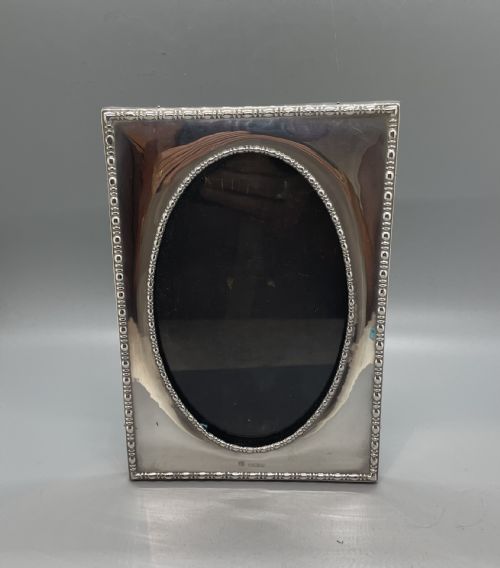
When searching for an antique sterling frame, buyers encounter household accessories designed to display cabinet photographs, portraits and family keepsakes on desks and mantelpieces. The selections recorded here span the late Victorian, Edwardian and George V periods, alongside Art Nouveau and Art Deco interpretations.
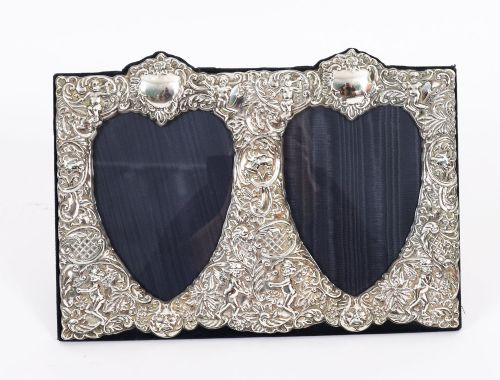
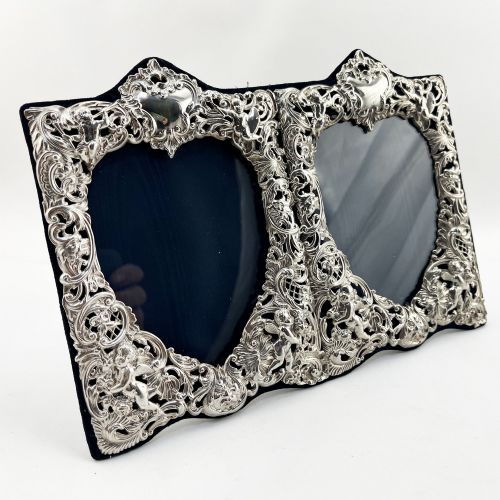
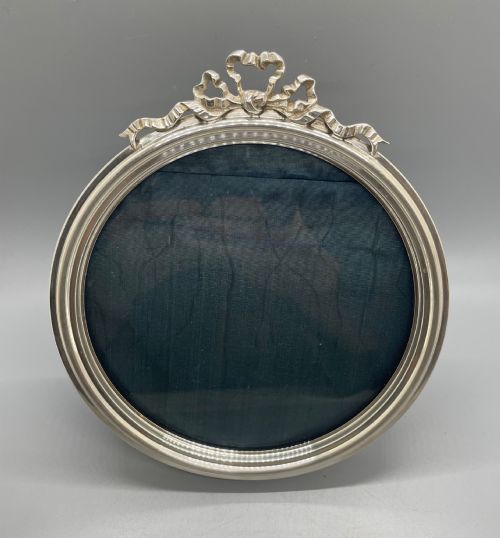
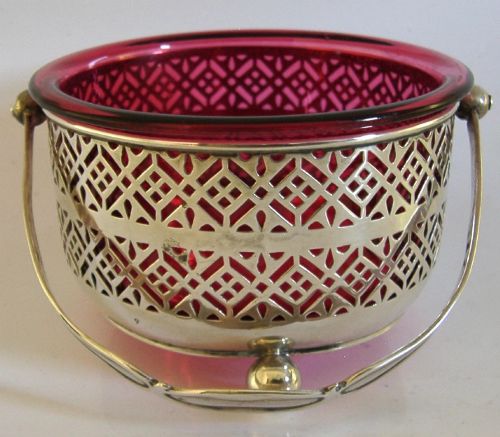
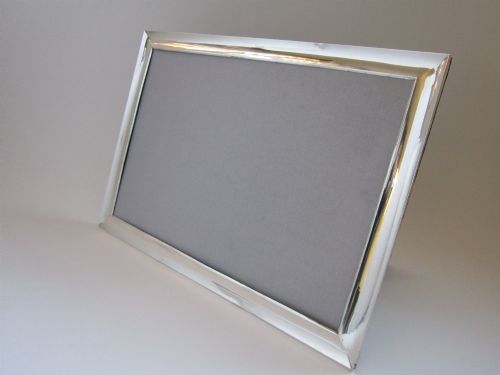
Most examples met on this page take rectangular formats in portrait or landscape orientation, though heart-shaped pieces, circular designs and double or triple folding formats also appear. Alongside dedicated photograph frames, related tableware items such as sugar baskets and table mirrors surface within the broader material record.
Makers utilised sterling silver alongside supportive backings of wood, velvet and fabric to give structure to these decorative objects. Domestic metalwork from these decades often displays hallmarks from assay offices in Birmingham, Sheffield and London, recording the exact year of production.
Materials and Construction
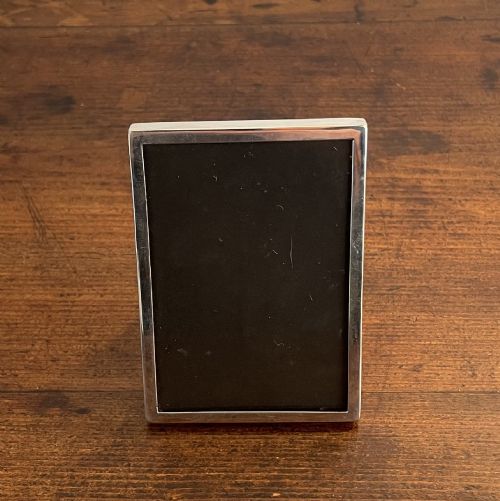
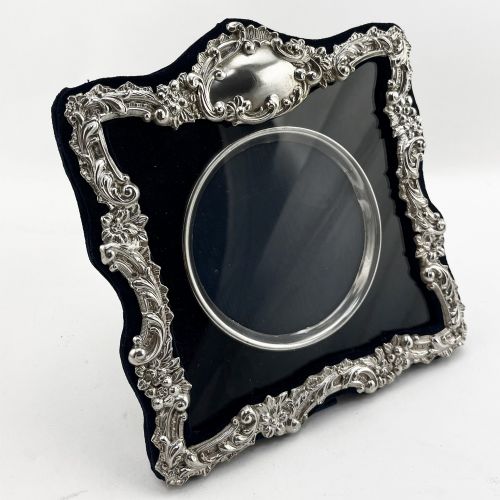
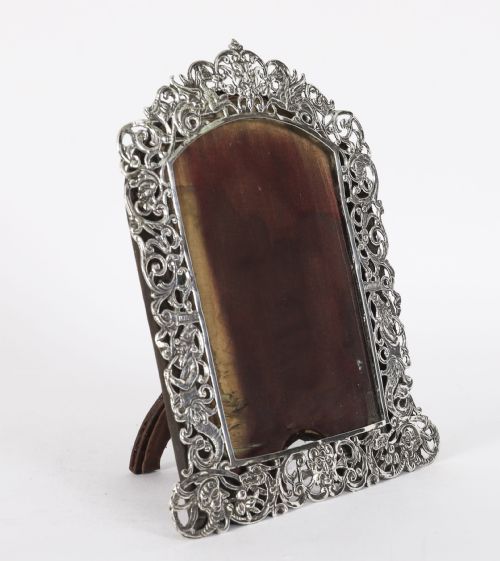
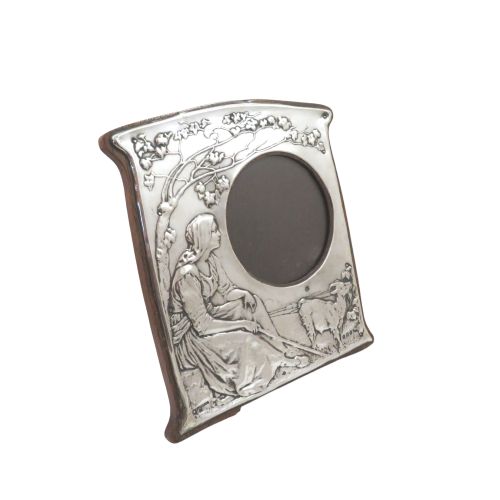
Silversmiths constructed these frames using sheet sterling silver, which was often pressed, stamped or cast into decorative borders featuring floral motifs, cherubs, scrolls or sweeping organic lines typical of the Art Nouveau style. More restrained pieces relied on clean geometric borders or planished surfaces characteristic of Arts and Crafts workshops.
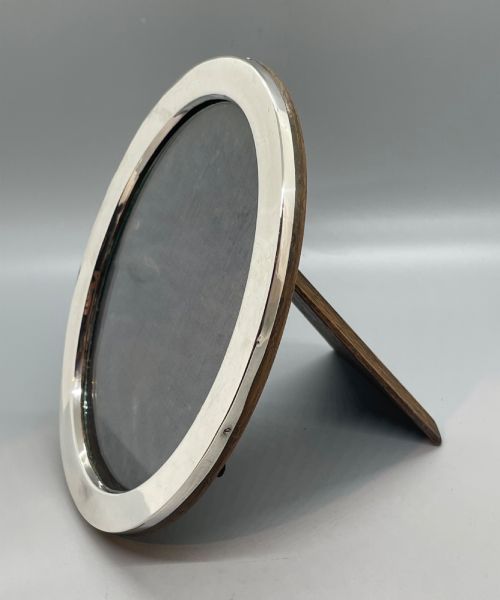
The silver front was then mounted onto a rigid wooden backing, frequently covered in plush velvet or fabric to protect the reverse and give the piece sufficient weight to stand upright. A hinged silver or metal strut attached to the back allowed the frame to prop securely on flat surfaces.
Specialised techniques such as enamel work, repoussé embossing and hand engraving added surface texture and colour to the metal borders. Makers incorporated glass panels across the aperture to protect the paper photographs held within.
Listings demonstrate that domestic silver production peaked during the Victorian and Edwardian eras, with Birmingham emerging as a primary manufacturing hub.
Distinguishing Quality in Silver Frames
Quality in an antique sterling frame rests upon the crispness of the chasing and the depth of the metal pressing, where sharply defined motifs indicate superior tooling. Subtleties in hand engraving and the integration of specialised materials like enamel or tortoiseshell separate standard production pieces from finer studio work.
The structural integrity of the wooden backing and the original velvet covering contribute significantly to the overall preservation of the object. Robust hinges on the easel strut and intact original glass panes maintain the usability and completeness of the piece.
The clarity and legibility of the assay office hallmarks provide a clear indication of provenance and maker attribution. Pieces bearing marks from notable designers or specialist workshops command attention for their documented heritage.
Rosenthal, Jacob and Co·William Comyns·William Hutton and sons·John Collard Vickery·Mappin Bros·W.I.Broadway and Co·William Burwash·Joseph Gloster Ltd·Henry Matthews·Liberty and Co
The Antique Sterling Frame Glossary
- Sterling silver
- A silver alloy containing 92.5 percent pure silver by mass, with the remainder composed of other metals to increase durability. This standard is verified by official assay office hallmarks.
- Hallmark
- A series of official marks stamped onto precious metal items in Britain, indicating the maker, purity standard, assay office and year of manufacture. These symbols provide the primary evidence for dating an antique piece.
- Strut
- The hinged support attached to the back of a frame that allows it to stand upright on a table or desk. Original struts often feature matching velvet or leather coverings.
- Repoussé
- A metalworking technique where the silversmith hammers the metal from the reverse side to form raised decorative designs in relief on the front. This method was widely used on floral and figural frames.
- Art Nouveau
- An international style of art and design that flourished between eighteen ninety and nineteen ten, characterised by undulating asymmetrical lines, whiplash curves and stylised natural motifs such as flowers, insects and hair.
Antique Sterling Frame: Frequently Asked Questions
How do I date a silver photo frame?
Dating relies primarily on the assay office hallmarks stamped directly onto the silver border. These official marks include a date letter corresponding to a specific year and city.
Stylistic indicators such as Art Nouveau curves or Edwardian floral embossing also help narrow down the period of manufacture when hallmarks are worn.
Can I clean tarnished antique sterling frames?
Light tarnish can be reduced using a soft microfiber cloth and a mild, non-abrasive silver polish formulated for antiques. Care must be taken around fabric backings and inset glass panels.
Aggressive cleaning should be avoided to preserve the subtle patination and historic character built up over decades.
Were these frames made for standard photo sizes?
Many historical frames were produced to accommodate standard cabinet card photographs and cartes de visite common in the late nineteenth and early twentieth centuries. Dimensions often vary significantly as bespoke sizes were frequently commissioned.
Checking the internal aperture measurements ensures modern photographs fit without requiring trimming.
How should I display a heavy silver frame?
Silver frames with wooden and velvet backings are best placed on stable flat surfaces out of direct sunlight to protect both the metal and the internal backing materials. The easel strut should be adjusted gently to prevent strain on the historical hinge mechanism.
Rotational placement helps prevent uneven environmental exposure over time.