




Antique Sterling Coin Case
An antique sterling coin case is a pocket receptacle for currency, prized for crisp silver hallmarks and tight spring hinges.
Antique Sterling Coin Case
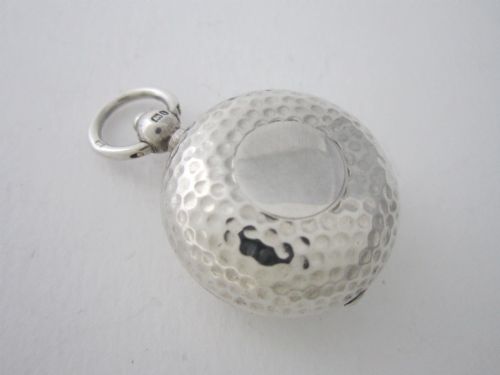
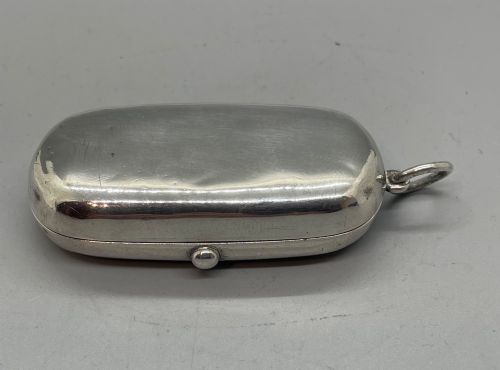
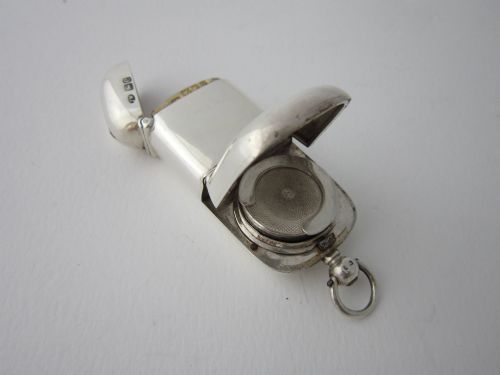
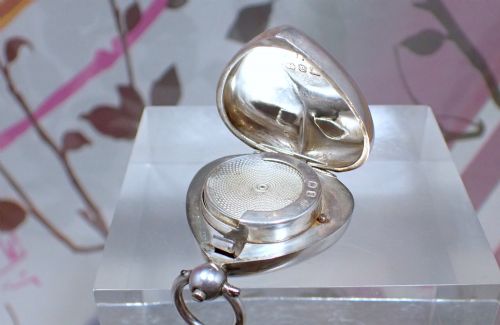
When you search for an antique sterling coin case, you encounter pocketable silver vessels designed to hold sovereigns or half-sovereigns securely. The version you are most likely to meet on this page is the Edwardian or Victorian sovereign case, often shaped as a round hinged locket or a double compartment holder.
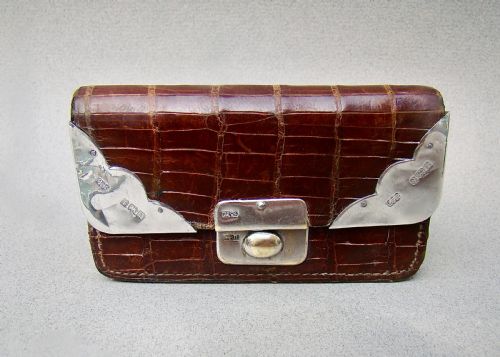
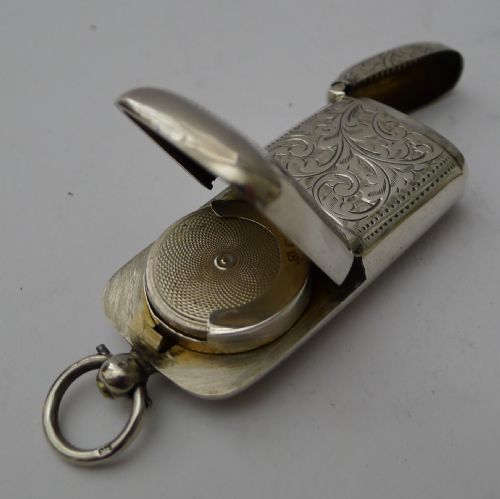
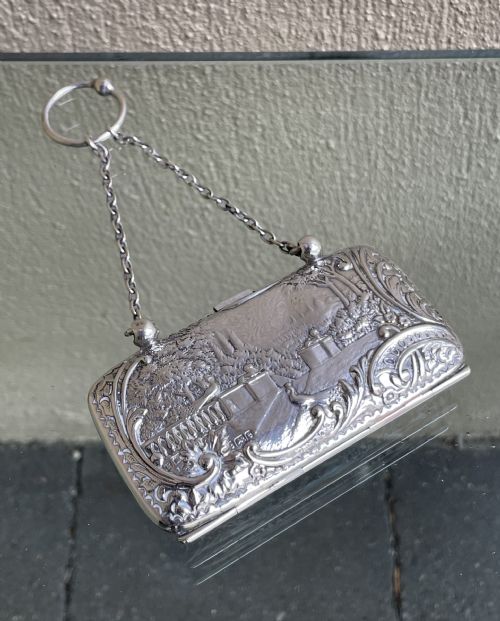
Makers also combined these coin receptacles with vesta cases for matches or attached them to leather purses and crocodile skin pouches. Pieces from this selection span the Victorian, Edwardian, and George V periods, originating primarily from Birmingham and London assay offices.
The forms range from heart-shaped single holders to heavy combination pieces housing coins and matches side by side. These small accessories reflect the daily cash transactions of the late nineteenth and early twentieth centuries.
How they were made
Silversmiths constructed these cases using sterling silver sheet, shaped by pressing or spinning and joined with sturdy hinges and internal spring clips. The metalwork frequently displays polished finishes alongside engraved foliate scrolls or plain surfaces.
Many examples incorporate fitted leather, crocodile leather, or silk linings within silver mounts and frames. Birmingham and London makers struck each piece with date letters, standard marks, and maker initials to certify the metal purity.
Some Victorian cases were shaped as puffed hearts, ensuring that romantic sentiments stayed close to loose change.
What varies in quality
The distinction between tiers rests upon the precision of the spring mechanism and the crispness of the engraved decoration. Superior examples retain a snap closure that shuts firmly, while lesser specimens show loose hinges or worn exterior ornament.
Weight and gauge of the sterling silver plate also separate standard production from heavier, robustly constructed pieces. The integration of secondary materials like crocodile skin or silk further elevates the complexity of the object.
Charles Penny Brown·Aaron Lufkin Dennison·Henry Charles Freeman·Wright and Davies·Ludwig Krumm
The Antique Sterling Coin Case Glossary
- Sovereign case
- A small silver container proportioned precisely to hold gold sovereign or half-sovereign coins. These pieces often feature internal spring clips to prevent the coins from rattling.
- Vesta case
- A pocket box designed to hold matches, frequently combined with sovereign holders in single dual-purpose accessories. They include a striking grooved base on the exterior.
- Hallmark
- Official stamps struck into the sterling silver indicating the assay office, metal standard, and year of manufacture. Birmingham and London marks appear frequently on these items.
- Assay office
- The statutory body responsible for testing precious metals and applying official marks. Pieces on this page commonly bear marks from the Birmingham and London offices.
Antique Sterling Coin Case: Frequently Asked Questions
What fits inside an antique sovereign case?
These cases were manufactured specifically to hold British gold sovereign and half-sovereign coins securely in individual spring clips.
Today, collectors use them to store similar sized historical coins or small keepsakes while appreciating the original pocket utility.
How do I date a silver coin case?
Dating relies on the legible sterling silver hallmarks stamped into the metal, which include specific assay office symbols and annual date letters.
By cross-referencing these punch marks with known silversmith registry records, the exact year of manufacture in Birmingham or London becomes clear.
What is a combination vesta and coin case?
A combination piece integrates a sovereign coin holder with a separate compartment for matches, known as a vesta, within one housing.
These dual-purpose accessories allowed Victorians and Edwardians to carry both smoking requisites and currency in a single pocketable silver item.
Were these cases worn or carried in pockets?
Owners slipped smaller sovereign holders into waistcoat pockets or attached them to watch chains and chatelaines for daily use.
Larger variations incorporating leather purses or crocodile skin were dropped into handbags or carried independently by ladies and gentlemen.