



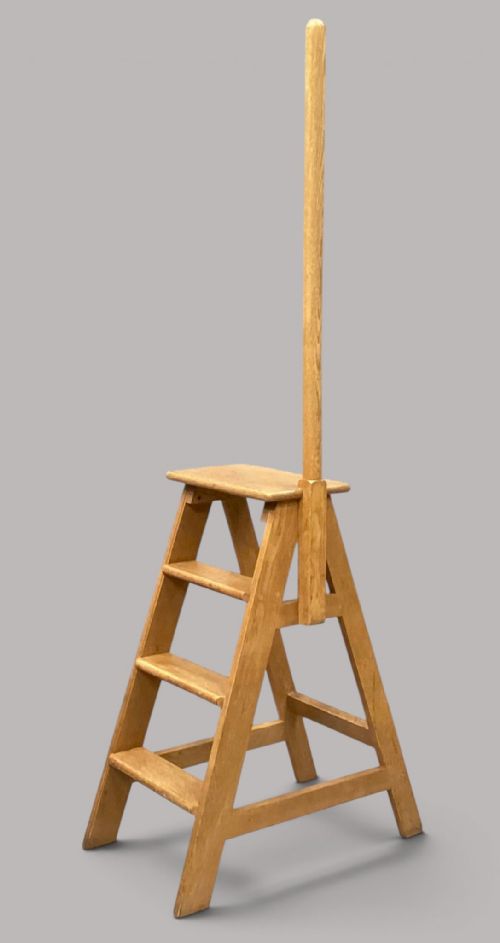


Antique Stepped Bookcase
An antique stepped bookcase brings architectural depth and practical storage to a room, offering graduated shelves or internal tiers that showcase a collection.
Antique Stepped Bookcase
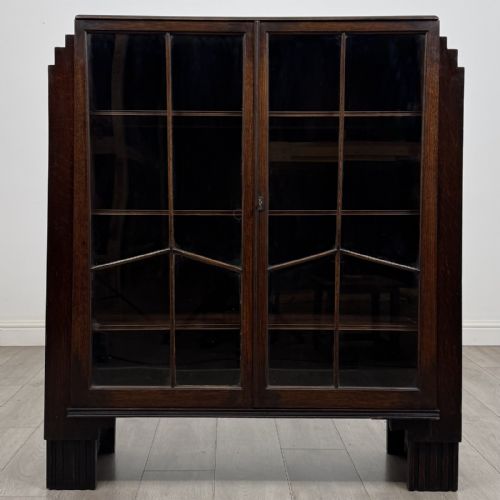
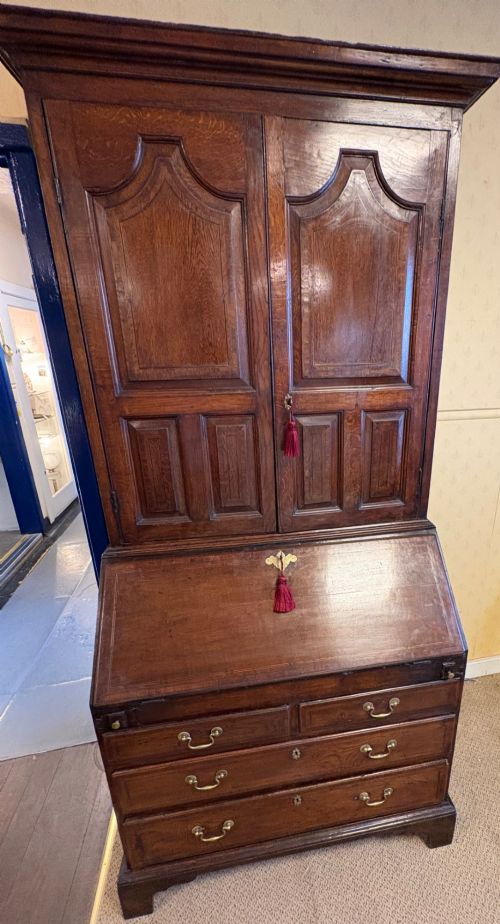
An antique stepped bookcase spans multiple periods and forms, ranging from Georgian bureau bookcases with stepped interiors to Victorian open bookcases and waterfall designs. Pieces originate from diverse traditions, including early twentieth-century Chinese display cabinets and Scandinavian painted items.
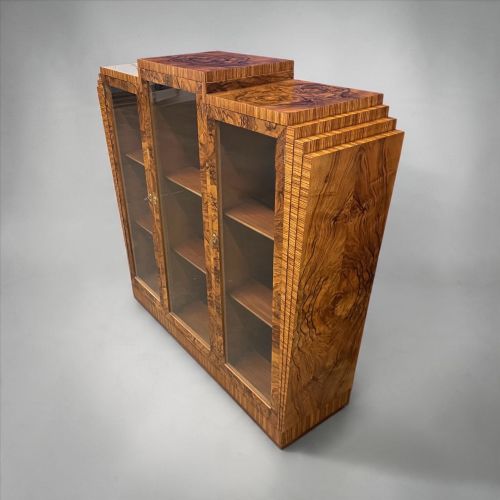
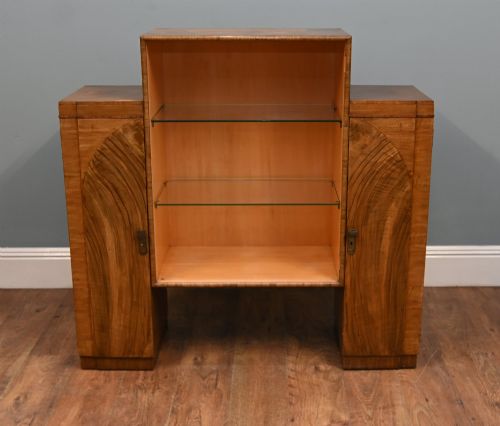
The version most commonly met on this page combines functional book storage with tiered display surfaces, utilising materials such as oak, walnut, and mahogany. These items serve equally as working library fixtures and decorative display cabinets for the home.
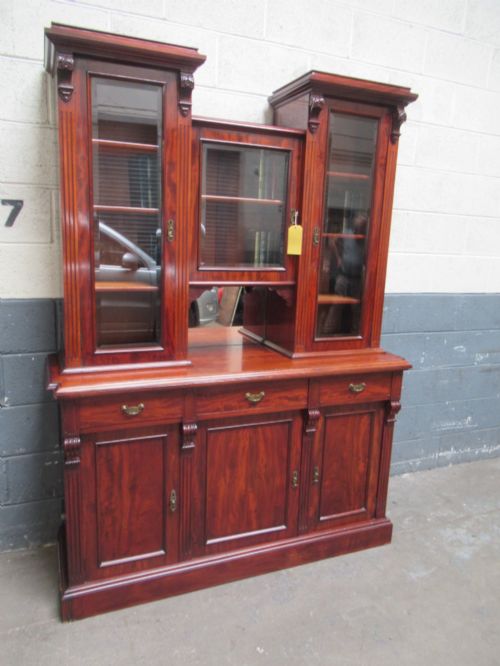
Makers across the nineteenth and twentieth centuries adapted the stepped format to suit changing domestic interiors, incorporating glass doors, leather accents, and brass hardware. Each variation reflects the prevailing style of its decade, from Georgian restraint to Art Deco geometry.
How they were made
Carpenters constructed these pieces from solid hardwoods and decorative veneers, selecting figured walnut, burr walnut, oak, and mahogany for their rich grain patterns. Secondary timbers provided internal support for heavy shelving and tiered compartments.
Joinery techniques relied on traditional framing and dovetailing to ensure stability across stepped tiers and bureau interiors. Glass panels, brass fittings, and leather inserts completed the construction of glazed cabinets and library steps.
Antique Stepped Bookcase Retail Price Guide 2026
Typical asking prices for stepped bookcase among the pieces listed under this phrase on Sellingantiques today, from the lower quarter to the upper quarter. They describe what is for sale here now, not the wider market.
Listings feature pieces spanning the eighteenth, nineteenth, and twentieth centuries, constructed in oak, mahogany, walnut, and hardwood.
What varies in quality
Quality rests on the selection of timber veneers and the precision of the joinery within internal stepped compartments. Finer examples display carefully matched grain across drawer fronts and tier edges, whereas simpler pieces utilise plain boards.
The sophistication of the hardware and secondary materials distinguishes workshop standards, seen in the choice of brass fittings, leather writing surfaces, and glazed door frames. The integration of painted finishes or intricate waterfall tiers also marks the distinction between standard utility and finer craftsmanship.
The Antique Stepped Bookcase Glossary
- Stepped interior
- An internal arrangement of pigeonholes and small drawers arranged in ascending tiers within a bureau bookcase. This feature provides structured storage for papers and correspondence.
- Bureau bookcase
- A dual-purpose piece combining a sloping writing desk with upper bookshelf storage. The fall-front opens to reveal the writing surface and internal compartments.
- Waterfall bookcase
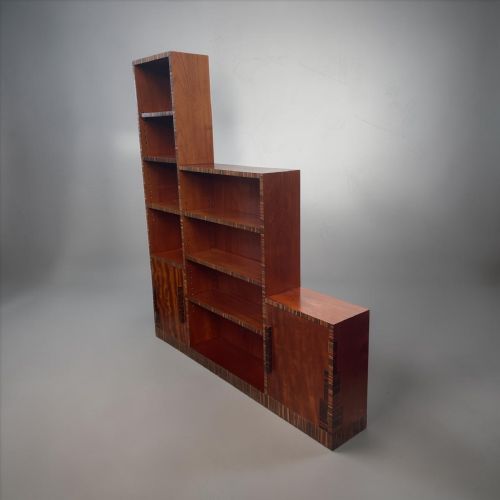
- A shelving unit with receding tiers that step back from bottom to top. The profile resembles the cascading steps of a waterfall.
- Open bookcase
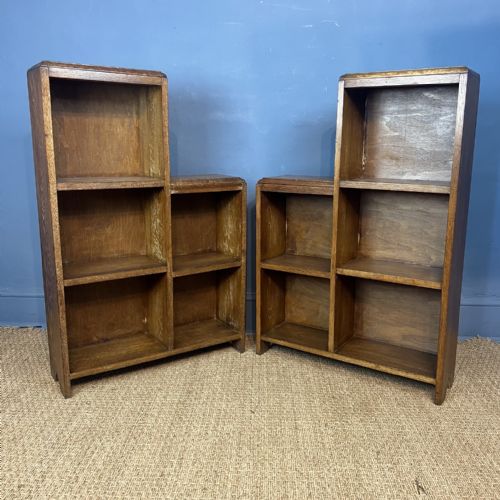
- A shelving unit without doors, designed for easy access to volumes. These pieces typically feature fixed or adjustable wooden shelves.
- Burr walnut
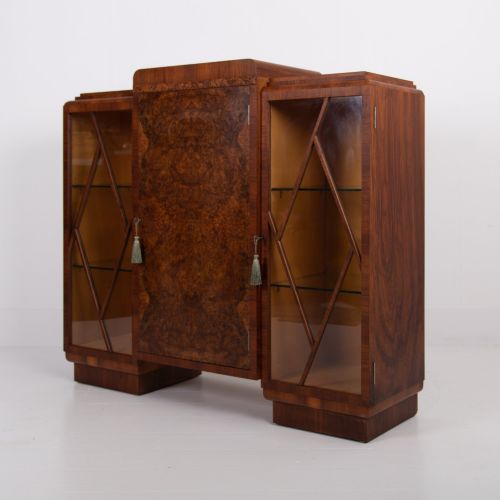
- A veneer sliced from the gnarly growth of a walnut tree, prized for its swirling grain patterns. Cabinetmakers used it on prominent exterior surfaces to create decorative impact.
Antique Stepped Bookcase: Frequently Asked Questions
What is a stepped bookcase?
A stepped bookcase is a shelving unit or bureau featuring graduated tiers, either in the receding profile of the shelves themselves or within the internal compartments of a writing desk.
These pieces provide tiered display surfaces and structured storage, adapting the traditional bookcase format for enhanced visual depth.
How were antique bookcases used?
Antique bookcases served primarily for the storage and protection of bound volumes in private libraries, drawing rooms, and studies. Bureau variants also provided a fold-down writing surface for correspondence and record-keeping.
Display cabinet versions accommodated porcelain and curiosities behind glass panels, keeping dust away from delicate collections while maintaining visibility.
How do I style an antique bookcase?
An antique bookcase works well as the focal point of a study or living room, housing collections of books, ceramics, and decorative objects. Mixing heights and textures on the shelves creates a balanced display.
Placing the piece against a neutral wall allows the grain of walnut, oak, or mahogany to stand out. Ensuring adequate clearance around the stepped profile preserves its architectural lines.
How do I identify the period?
Period identification relies on observing the prevailing style, timber choice, and construction methods associated with specific decades. Georgian and Victorian pieces exhibit traditional joinery and classical proportions, while Art Deco items feature geometric symmetry and figured walnut veneers.
Auxiliary details such as brass hardware, painted finishes, and glass quality further assist in dating the piece to eras like the nineteenth or early twentieth century.