
Antique Steel Watch
An antique steel watch carries the mechanical precision and utilitarian design of eras ranging from Georgian fob seals to mid-century military wristwatches.
Antique Steel Watch
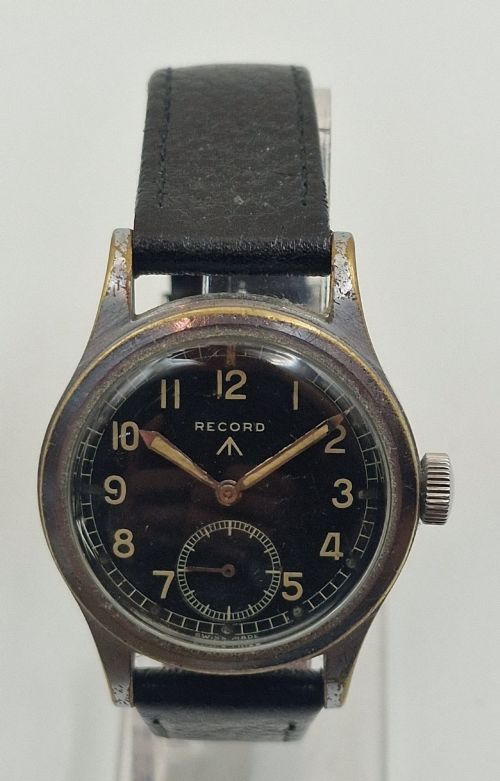
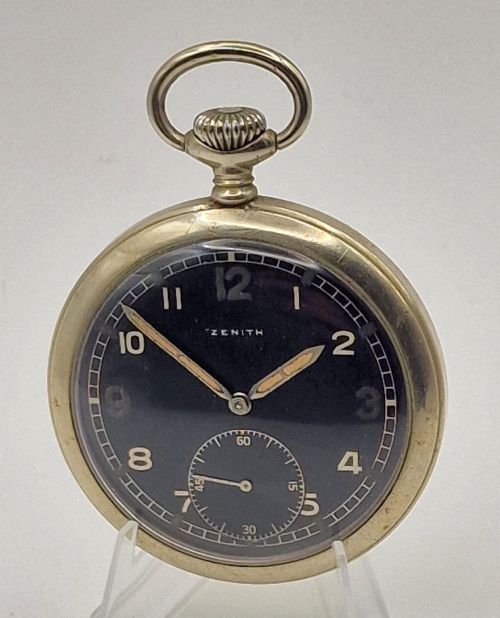
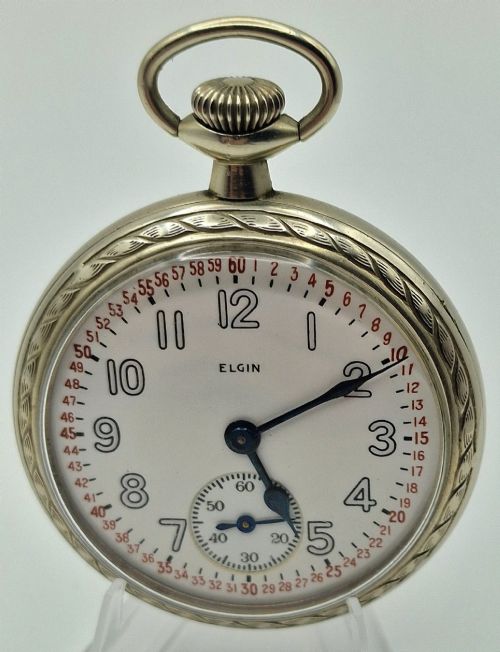
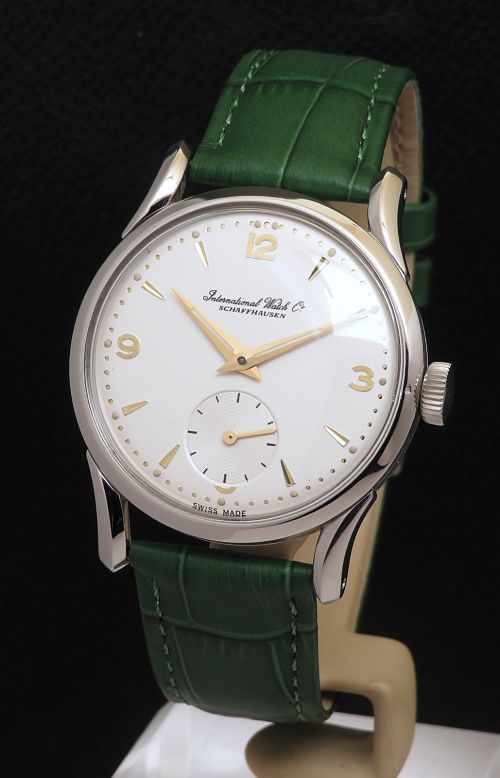
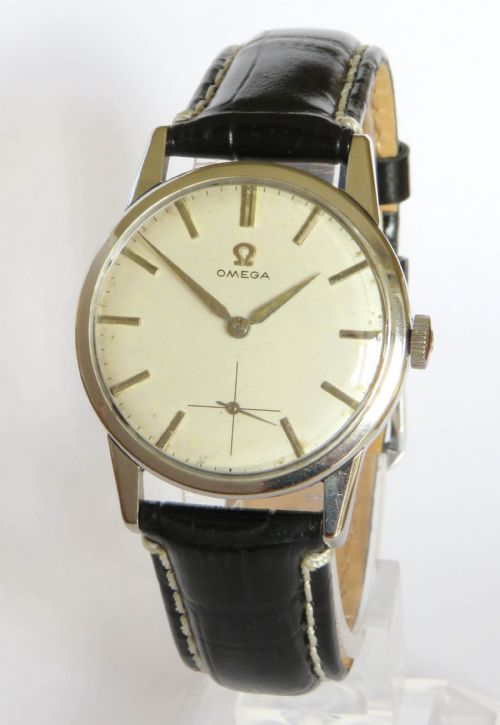
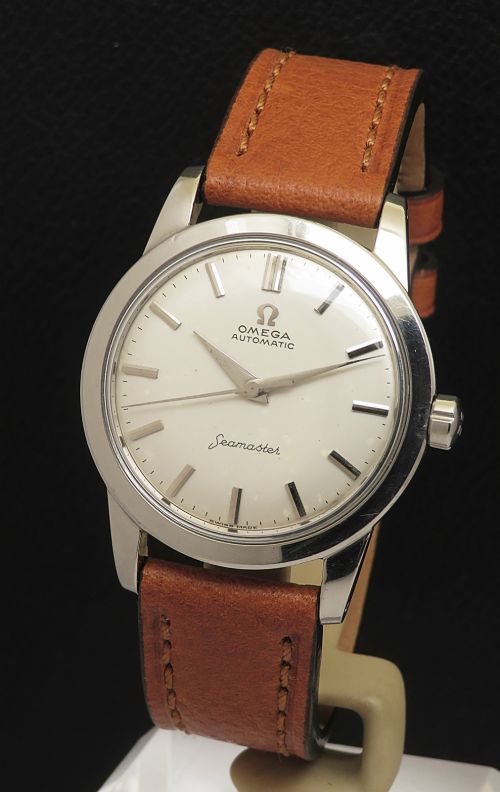
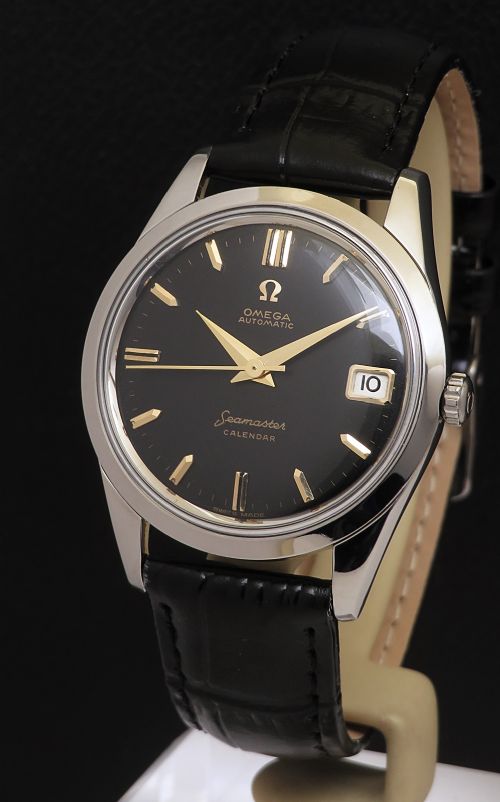
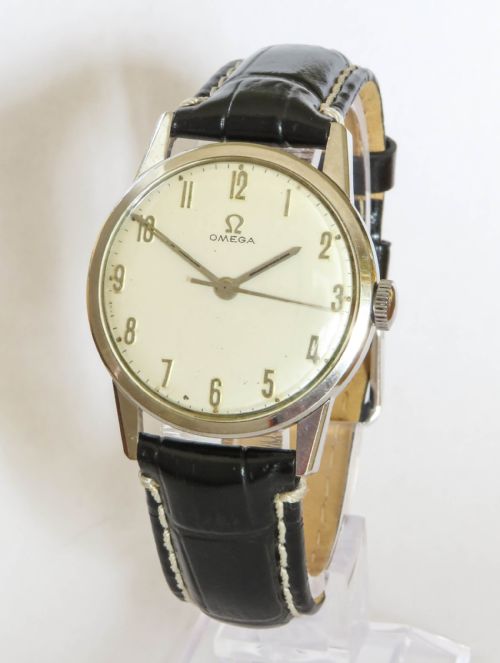
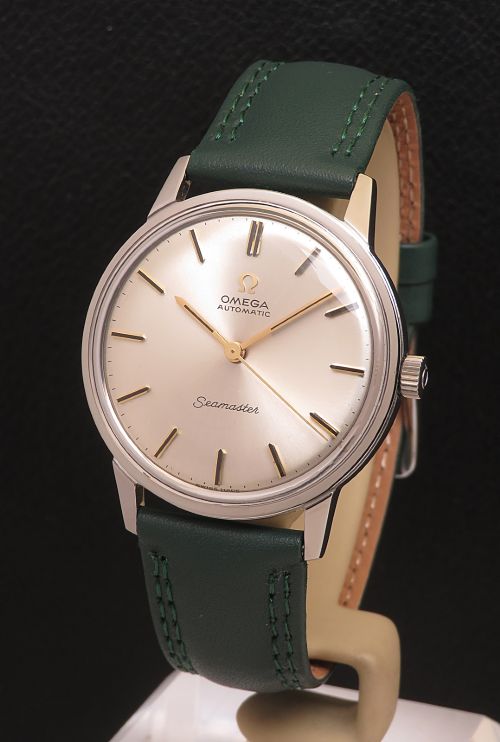
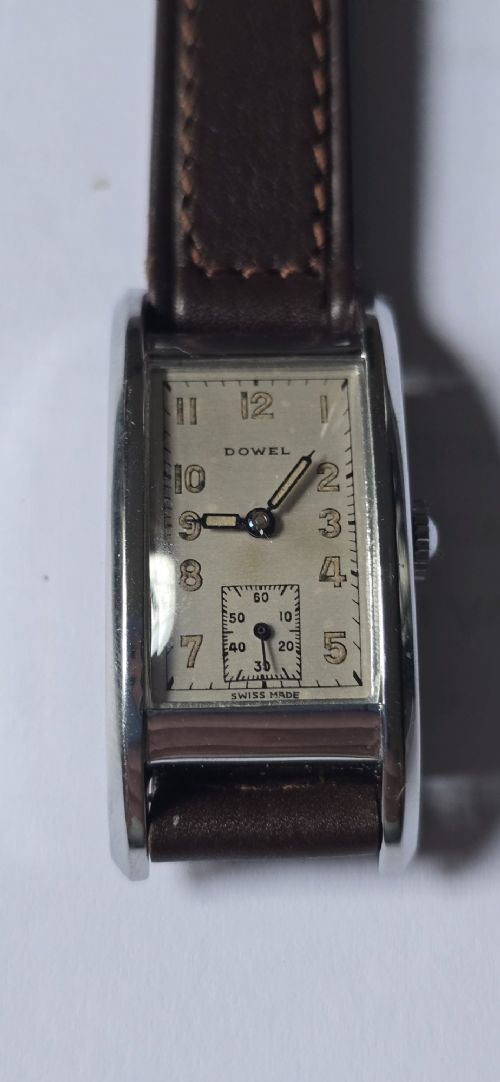
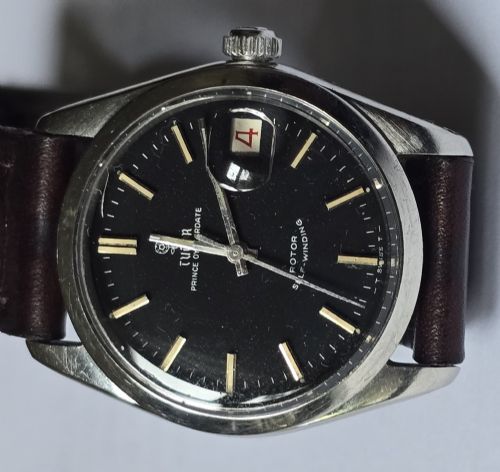
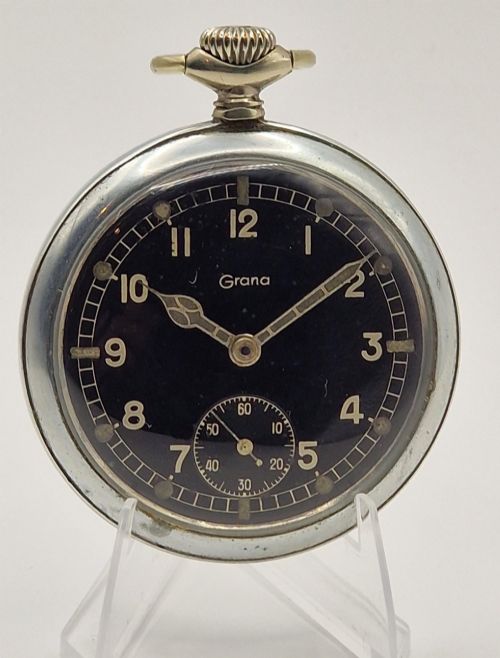
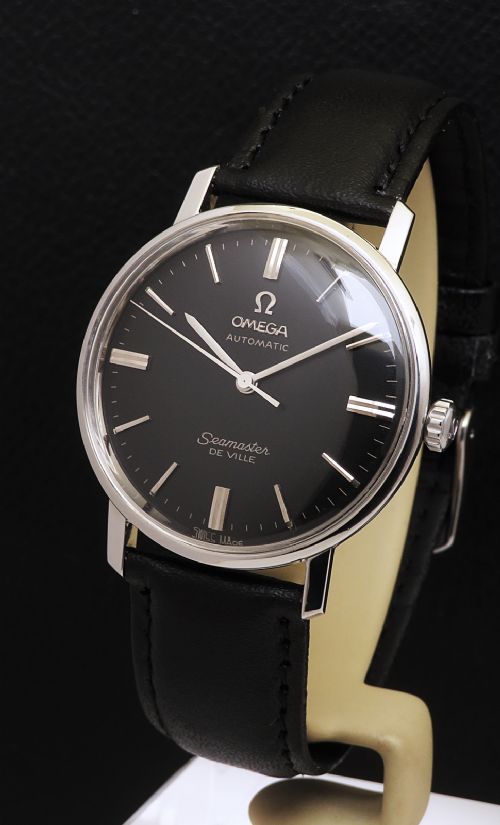
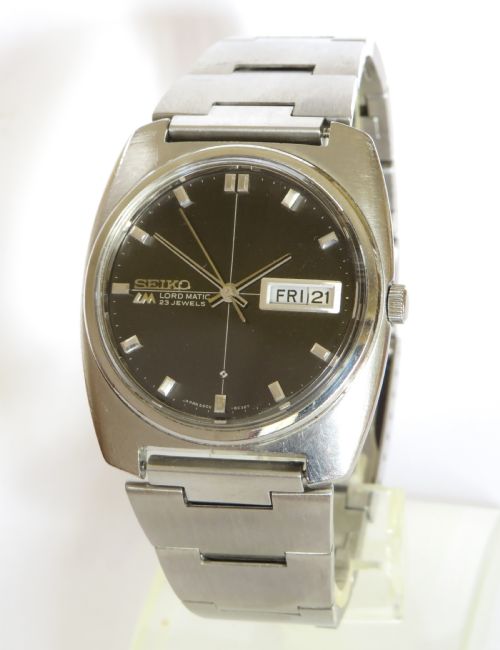
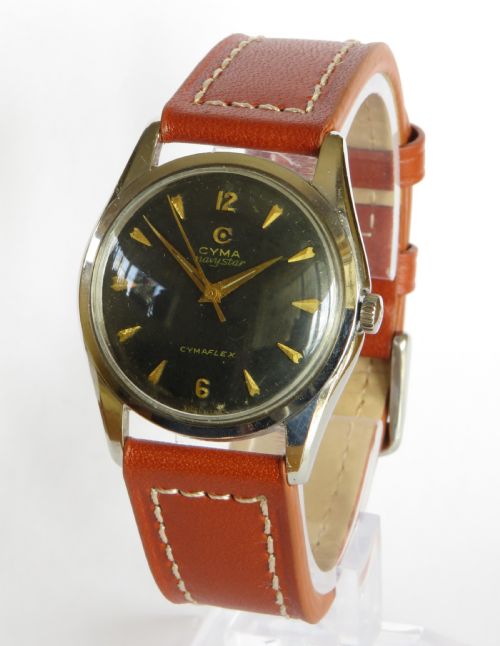
When searching for an antique steel watch, buyers encounter a diverse array of timepieces spanning pocket watches, robust military wristwatches, and mid-century automatic dress models. The selection heavily reflects mid-century military issues and civilian wristwatches from the 1940s, 1950s, and 1960s, alongside earlier pocket watches and cut steel Georgian pieces.
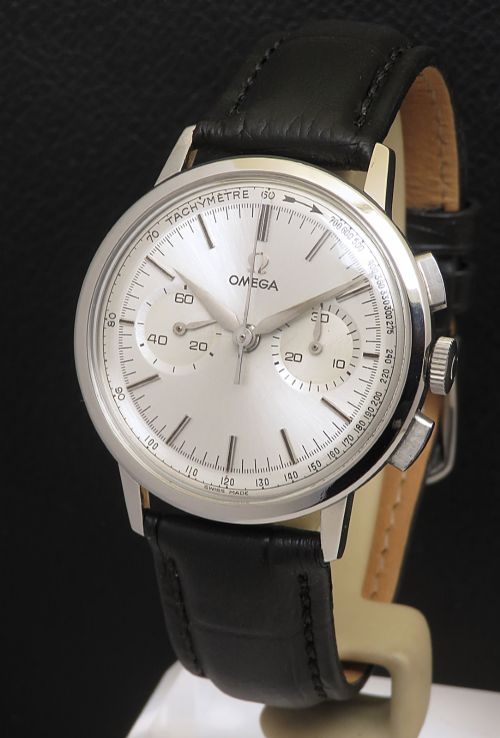
The assortment includes specialised pieces such as aviator chronographs, deck watches, and travel clocks alongside standard wristwatches and pocket watches. Formats range from large goliath pocket watches to tank-shaped wrist models and specialised British and Swedish military issue items.
Materials and construction
Cases utilise stainless steel, chrome, nickel, gun metal, and occasionally cut steel, paired with protective glass or acrylic crystals over enamelled or metal dials. Leather straps frequently secure wristwatches, while pocket watches often connect to chains made of matching metals.
Movements rely on mechanical ingenuity, encompassing manual wind calibres, automatic self-winding mechanisms, and chronograph complications. Military and utility pieces prioritized legibility and robust steel housings to withstand demanding field conditions.
Some pocket watches grew so large they needed their own leather travel houses just to survive the journey.
Assessing craftsmanship and condition
Distinctions in quality often rest on the originality of components, the preservation of the dial, and the mechanical fidelity of the movement. Pieces with unpolished steel cases and well-maintained historical calibres command greater appreciation among collectors.
The historical provenance of military issues, such as specific service markings or association with documented regiments, adds significant depth to a watch. Craftsmanship is further evident in the fineness of the movement finishing and the crispness of dial printing.
Record·Zenith·Elgin·Grana·Montilier·Omega·Cyma·Bulova·Festina·Gruen·Hamilton·Hahn Landeron·Longines·Venus·Octo·Kered·Enicar·Eterna·Girard Perregaux·Dogma Prima·Tissot·Ebel
The Antique Steel Watch Glossary
- Calibre
- The specific internal movement design and manufacture of a watch. This designation helps identify the exact mechanism housed within the steel case.
- Chronograph
- A watch equipped with a stopwatch function alongside standard timekeeping displays. These mechanisms require intricate gearing within the movement.
- Goliath pocket watch
- An exceptionally large pocket watch popular during the late nineteenth and early twentieth centuries. They frequently resided in travel cases or on desk stands.
- Manual wind
- A mechanical watch requiring regular hand-rotation of the crown to tension the mainspring. Unlike automatic pieces, they lack a weighted rotor.
- Cut steel
- Small facets of steel individually riveted to a backing plate to catch the light. This technique appears on Georgian fob seals and decorative accessories.
Antique Steel Watch: Frequently Asked Questions
How do I wind a manual antique steel watch?
Gently rotate the crown clockwise between your thumb and forefinger until you feel gentle resistance. Stop immediately at that point to avoid over-winding and straining the internal spring.
Make this a daily habit at a consistent time to maintain steady tension and accurate timekeeping throughout the day.
Can I wear an antique steel watch daily?
Many steel watches from the mid-century were built for robust daily wear and military service. However, older pieces lack modern waterproof seals and shock protection.
Exercise caution around water, dust, and heavy impacts to preserve the delicate historical movement inside the metal case.
What does dirty dozen mean on military watches?
The term refers to a group of twelve specific watch manufacturers contracted by the British Ministry of Defence during the Second World War. These rugged timepieces met strict military specifications for reliability and legibility.
Collectors prize these pieces for their standardised black dials, luminous markers, and broad arrow property marks on the steel case backs.
How do I date an antique steel watch?
Dating involves examining serial numbers on the movement or inside the case back against maker-specific production ledgers. Stylistic clues such as dial typography, hand shapes, and case geometry also offer clear chronological indicators.
Comparing the internal calibre markings often provides the most accurate year of manufacture.