


Antique Steel Blade Sword
An antique steel blade sword represents centuries of edged craftsmanship, offering collectors both military history and concealed personal defence implements.
Antique Steel Blade Sword
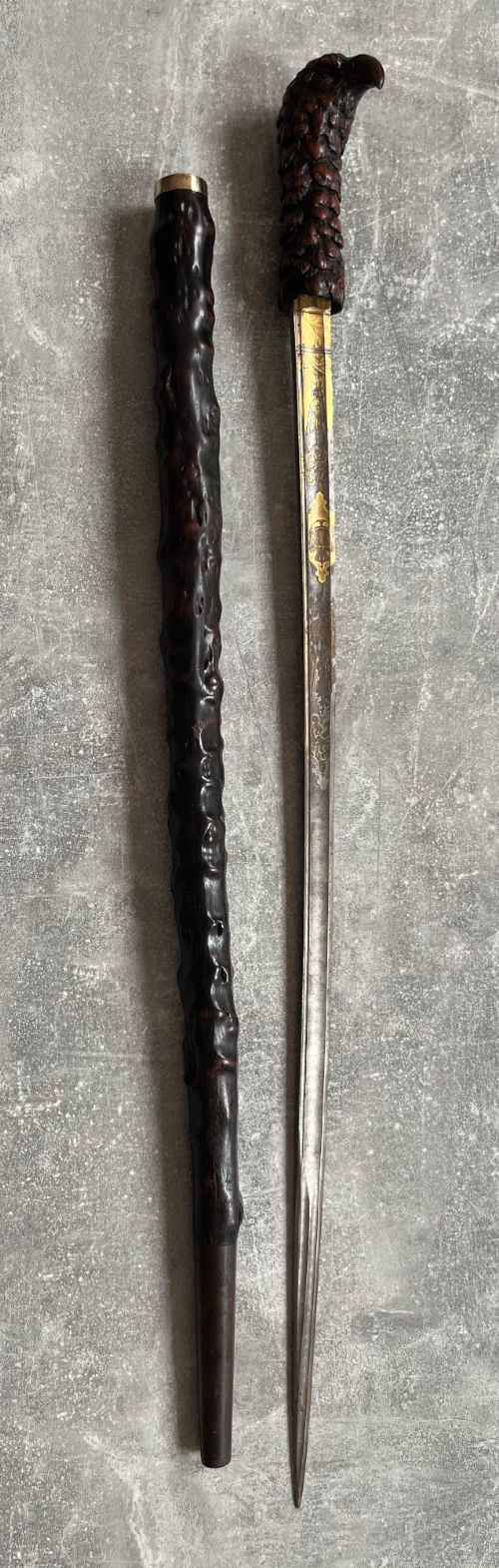
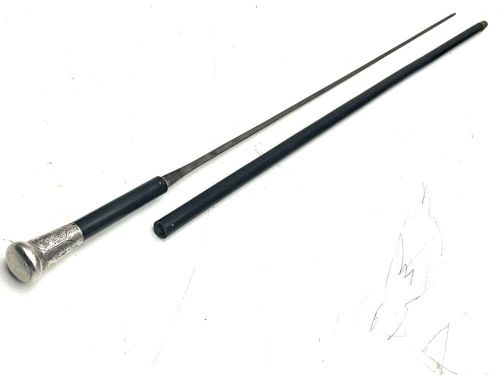
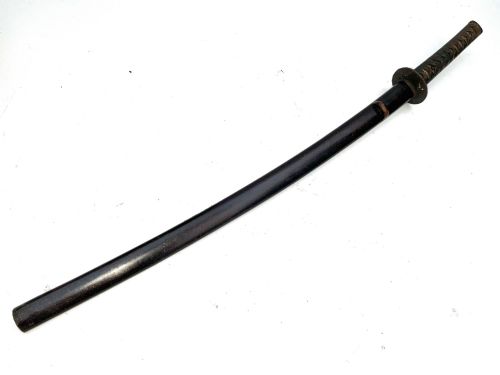
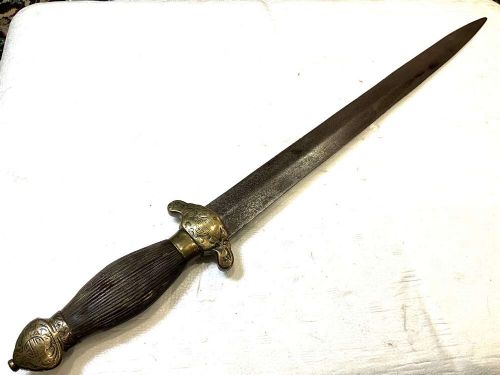
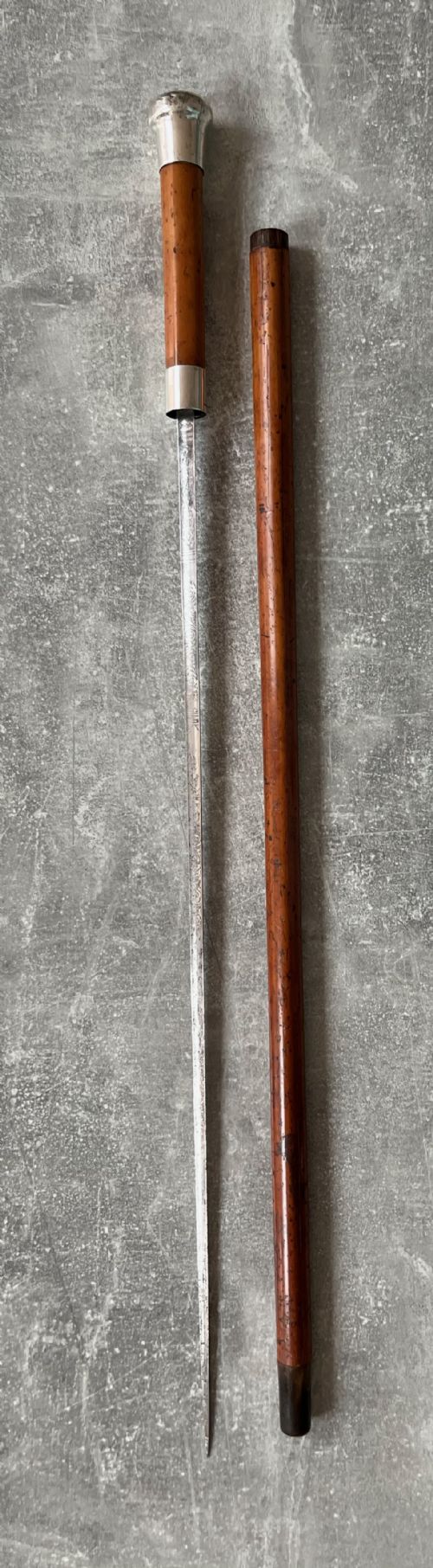
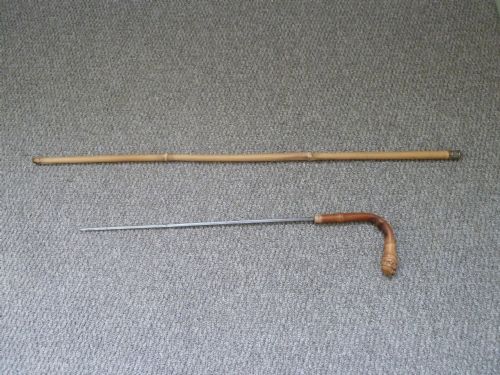
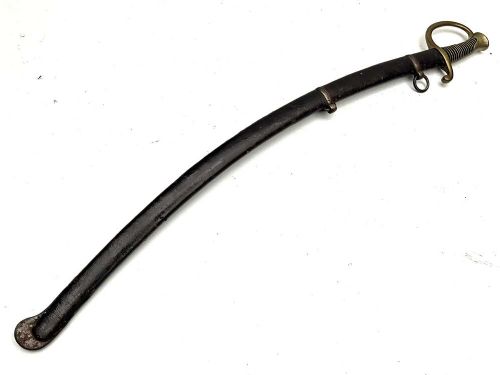
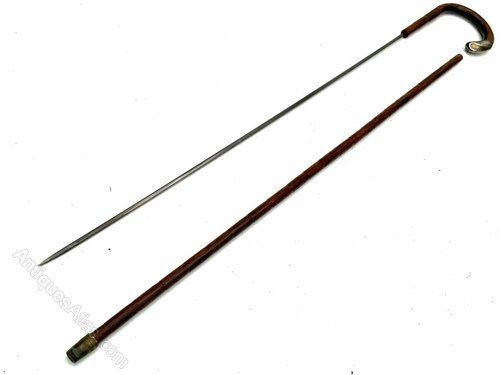
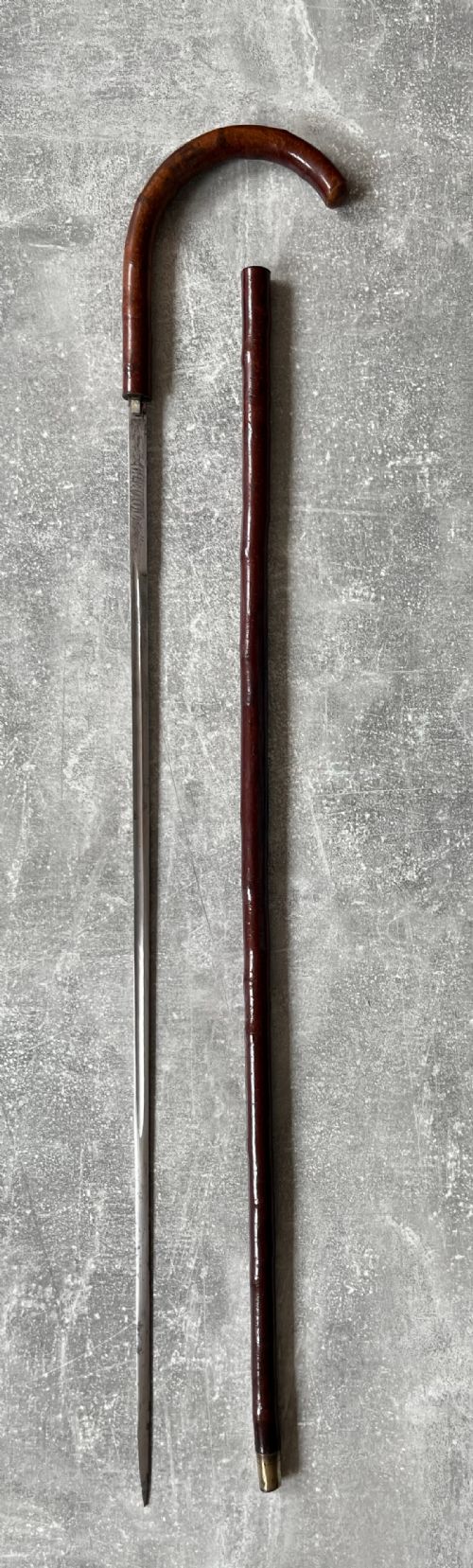
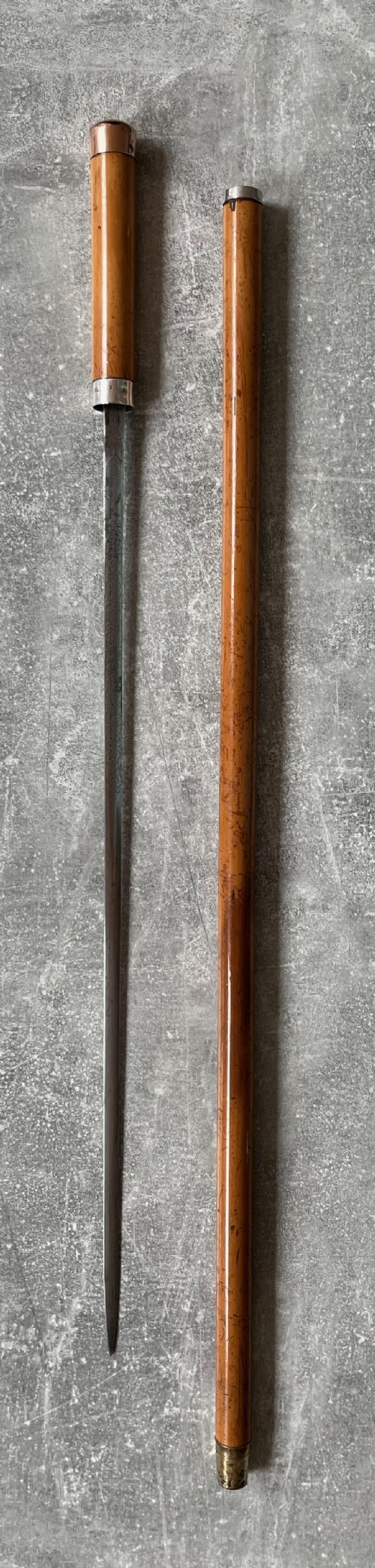
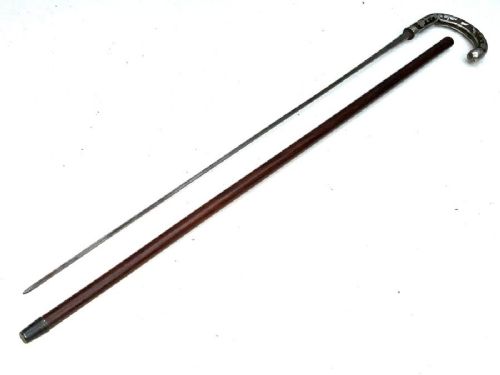
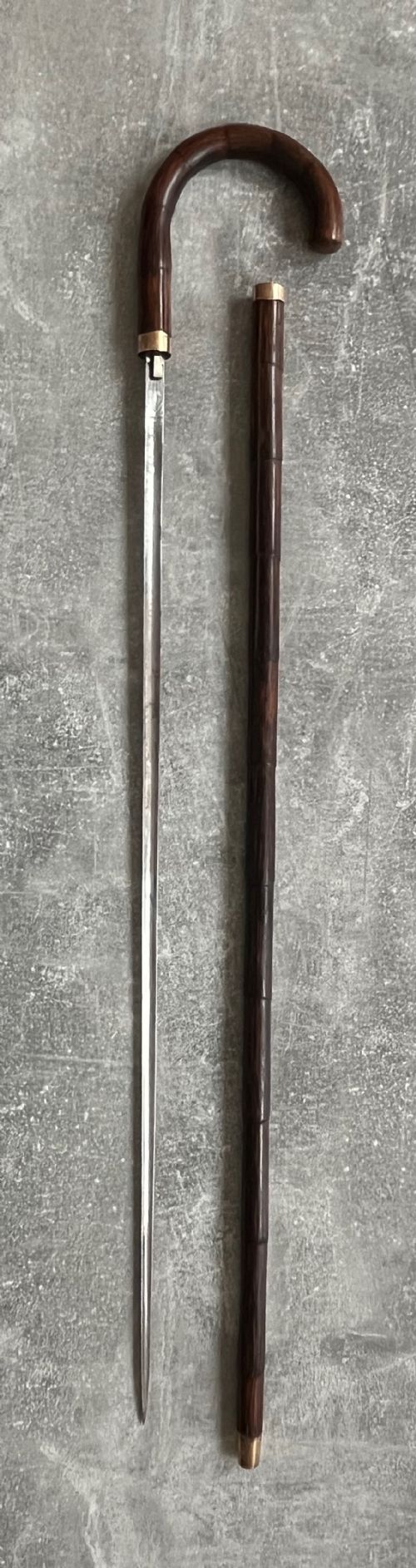
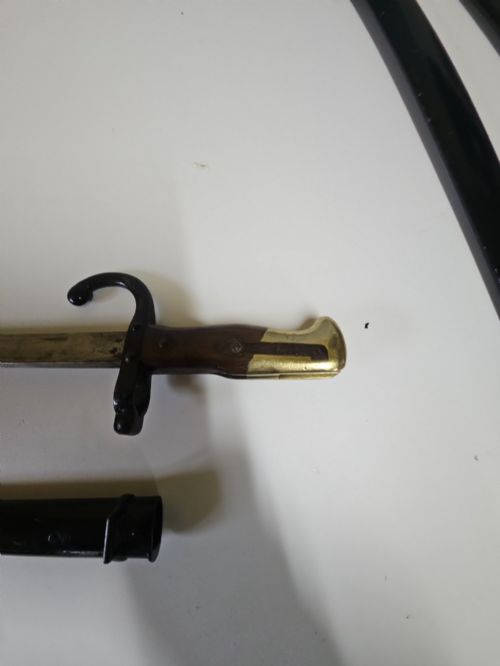
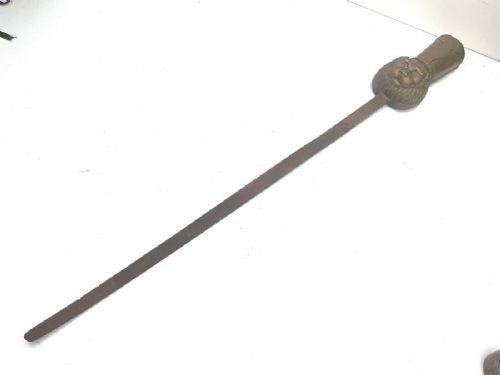
The antique steel blade sword category encompasses diverse edged weapons, ranging from military cavalry sabres and bayonets to Asian forms like the Japanese wakizashi and Chinese jian sword. Many examples survive as walking sticks or canes, cleverly concealing a blade inside materials such as bamboo, malacca, partridge wood, hazel, and cherrywood.
Originating across Victorian Britain, continental Europe, Japan, India, and America, these items span periods from the sixteenth century through to the twentieth century. Buyers encounter military officers' sidearms alongside civilian gentleman's sword sticks bearing silver, gold, or horn mounts.
Materials and Construction
Blades forged from steel are paired with guards and mounts in brass, silver, iron, and metal. Scabbards and walking stick shafts utilise natural timbers like bamboo, malacca, partridge wood, cherrywood, and blackthorn, occasionally wrapped in leather.
Makers incorporated specialised components such as Toledo blades, Wilkinson blades, and blue gilt finishes. Handles feature carved horn, wood, and silver or gold collars, securing the internal blades within their outer wooden casings.
Antique Steel Blade Sword Retail Price Guide 2026
Typical asking prices for steel blade sword among the pieces listed under this phrase on Sellingantiques today, from the lower quarter to the upper quarter. They describe what is for sale here now, not the wider market.
Current listings feature steel blades housed in diverse natural woods including bamboo, malacca, partridge wood, hazel, and cherrywood.
Distinctions in Execution
Execution depends upon the reputation of the blade smith or maker, such as Wilkinson, and the integrity of the steel utilised. Superior pieces demonstrate crisp blued and gilt etching, precise grip wrapping, and tight integration between the concealed blade and its outer cane.
Refinement shows in the quality of precious metal mounts, hallmarks, and decorative collars. Condition preservation of the original steel surface and the structural soundness of the wooden housing determine the standing of each piece.
Wilkinson
The Antique Steel Blade Sword Glossary
- Spadroon
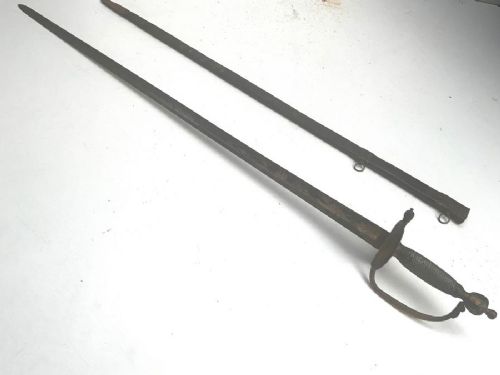
- A lightweight nineteenth-century military sword with a straight, single-handed cutting and thrusting blade. It was typically carried by British officers.
- Wakizashi
- A traditional Japanese short sword forged during feudal periods, often paired with a longer katana. These blades display distinct folded steel grain patterns.
- Bayonet
- A dagger or blade designed to fit onto the muzzle of a rifle for close combat. Examples include nineteenth-century French and Lee-Metford patterns.
- Scabbard
- A protective sheath made for holding a sword, dagger, or bayonet blade. They are commonly constructed from leather, metal, or wood.
- Toledo
- A historic Spanish city renowned for producing high-quality steel blades. Toledo blades were frequently exported and fitted into various international hilts and walking sticks.
Antique Steel Blade Sword: Frequently Asked Questions
What is a sword stick?
A sword stick is a walking cane that conceals an inner steel blade within its wooden shaft. The handle acts as the grip for both the walking stick and the hidden weapon.
Popular during the Victorian and Edwardian eras, these pieces allowed gentlemen to carry personal protection discretely during daily walks.
How do I identify the age?
Dating relies on stylistic markers, military pattern dates, silver hallmarks, and materials. Makers and manufacturing towns stamped onto the steel provide additional chronological clues.
Periods span from sixteenth-century Japanese work to nineteenth-century British military patterns and twentieth-century civilian pieces.
Are all these blades military issue?
No, the category divides into military sidearms like cavalry sabres and bayonets, and civilian walking sticks housing hidden blades. Military pieces served active service in various conflicts.
Civilian sword sticks were fashioned for personal wear by gentlemen, incorporating decorative handles and precious metal mounts.
How should I display them?
Sword sticks remain safely housed inside their outer wooden shafts for everyday display. Unsheathed blades require stable humidity and secure wall mounts or horizontal cabinet display cases.
Exposing steel to damp environments accelerates corrosion, so proper indoor placement preserves the original metal finish.