





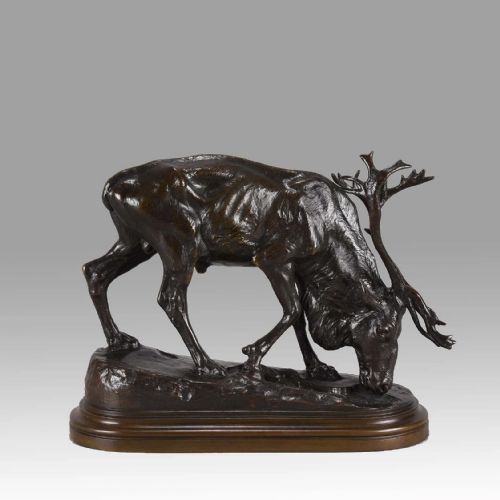

Antique Stag Figurine
An antique stag figurine brings the quiet presence of the woodland into the room through bronze, porcelain, and silver.
Antique Stag Figurine
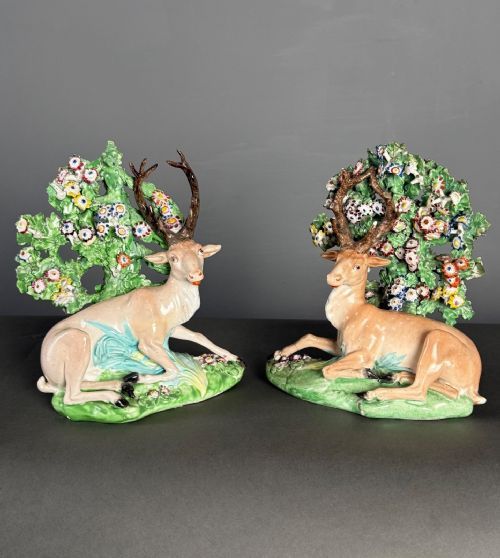
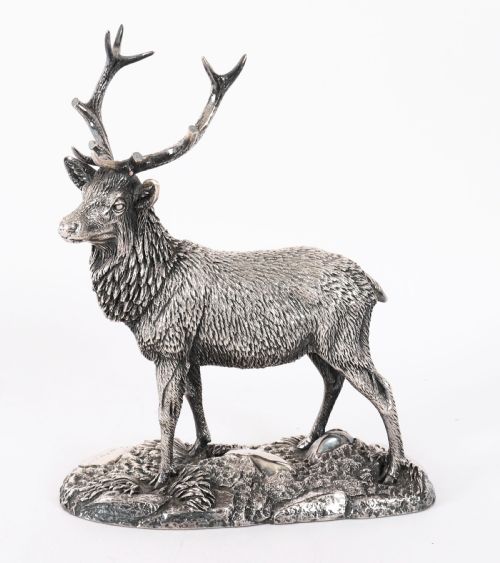
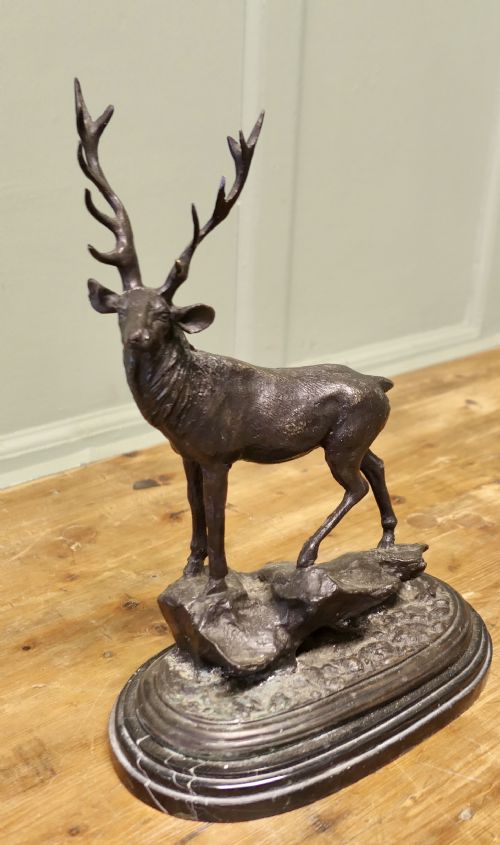
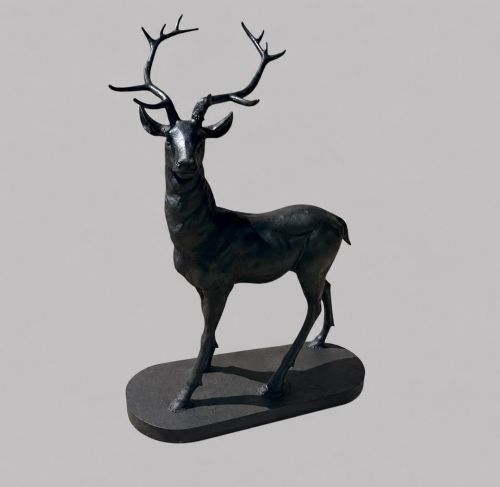
An antique stag figurine captures the form of the animal across several centuries, appearing in domestic interiors as a bronze sculpture, a porcelain figure, or a small silver pin cushion. These pieces range from Georgian porcelain models with bocage backgrounds to French Art Deco metalwork on marble plinths.
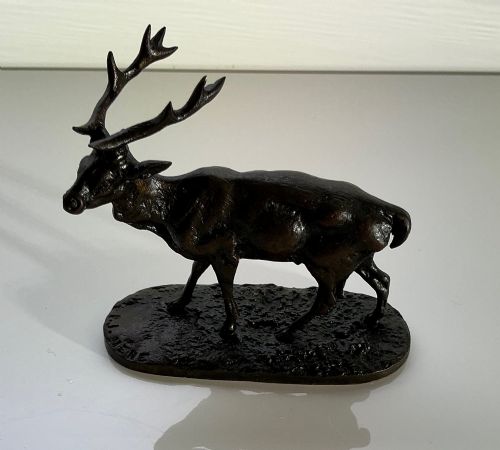
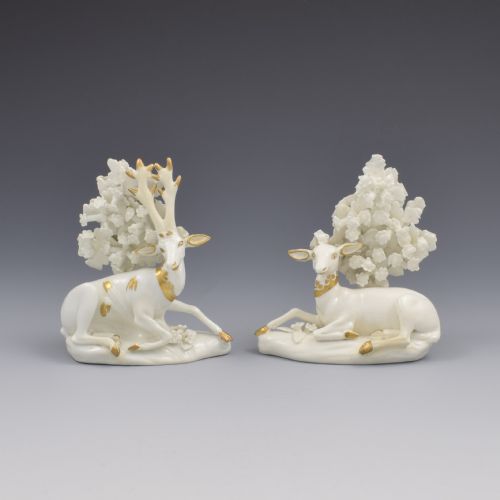
The versions most commonly met on this page include 19th-century animalier bronzes, early ceramic figures from factories like Derby, and smaller decorative items such as netsuke and pin cushions. Makers observed in these listings render the creature standing, recumbent, or alert upon naturalistic bases.
What varies in quality
The crispness of the casting and the sensitivity of the modelling separate superior metal sculptures from ordinary ones, particularly in the rendering of the animal's limbs, antlers, and expression. Master animalier sculptors achieve a lifelike tension in the musculature that lesser works miss.
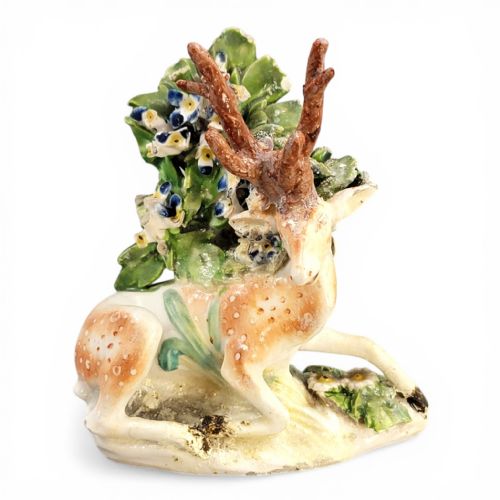
Ceramic quality is judged by the preservation of the enamel painting, the delicacy of the moulded foliage, and the stability of the glaze during firing. Original patination on bronzes and genuine hallmarks on silver elements also contribute significantly to the standing of a piece.
Antique Stag Figurine Retail Price Guide 2026
Typical asking prices for stag figurine among the pieces listed under this phrase on Sellingantiques today, from the lower quarter to the upper quarter. They describe what is for sale here now, not the wider market.
Materials across these listings span bronze, sterling silver, porcelain, earthenware, marble, and carved stag antler.
Tom Mackie·PJ Mene·Antonio Frilli·Isidore Bonheur·I. Rochard·Jules Moigniez
The Antique Stag Figurine Glossary
- Animalier
- A nineteenth-century artistic movement and style focused on the realistic depiction of animals. Sculptors in this tradition studied anatomy closely.
- Bocage
- Decorative carved or moulded foliage backgrounds found behind figures on eighteenth and nineteenth-century porcelain. It frames the subject with leaves and branches.
- Cold-painted
- A method of applying paint to metal figures without subsequent kiln firing. This technique is typical of Austrian and French small bronzes.
- Netsuke
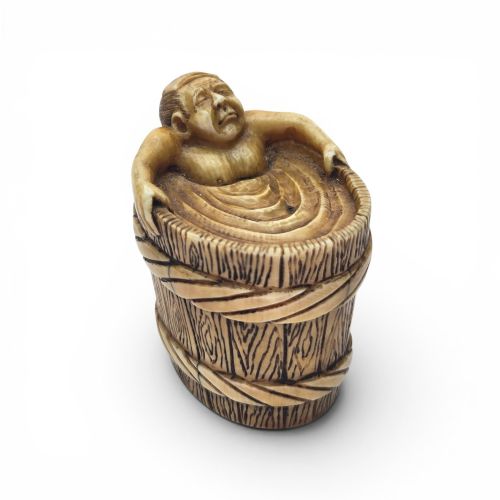
- A small Japanese carved toggle used to secure a pouch or basket to a traditional kimono sash. They are frequently carved from materials such as stag antler.
- Spelter
- An alloy of zinc and lead used as a cheaper substitute for bronze in decorative figures. It is often painted to resemble bronze or patinated metal.
Antique Stag Figurine: Frequently Asked Questions
How do I clean bronze stag sculptures?
Dust metal surfaces gently with a soft, dry cloth to prevent the accumulation of grit in crevices. Avoid using chemical polishes or water, which can damage the original patination.
For stubborn dust, use a soft-bristled artist's brush. Preserving the surface skin maintains the historical integrity of the piece.
What is the difference between porcelain and pottery stags?
Porcelain figures, such as those from the Georgian period, use a fine, vitrified ceramic paste that often transluces light and accepts detailed enamel painting. Pottery pieces, like Staffordshire spill vases, utilise a coarser earthenware body with an opaque glaze.
Porcelain tends to show sharper detail in modelling and foliage. Earthenware figures offer a heavier, more robust domestic presence.
Where were animalier bronzes made?
Many prominent animalier sculptures originated in France during the nineteenth century, produced by specialised foundries and independent artists. Other notable examples emerged from Austrian workshops utilising cold-painting techniques.
These pieces were collected widely across Europe during the period. They often reflect the Grand Tour tastes of contemporary travellers.
How can I tell a Derby porcelain stag?
Derby figures from the eighteenth and nineteenth centuries frequently feature characteristic patch marks on the underside from the manufacturing supports. They often incorporate naturalistic background elements like flowering bocage or sit in recumbent poses upon mound bases.
Stylistic comparison with documented models helps confirm the period. Early pieces display the distinctive soft-paste body characteristic of the factory.