



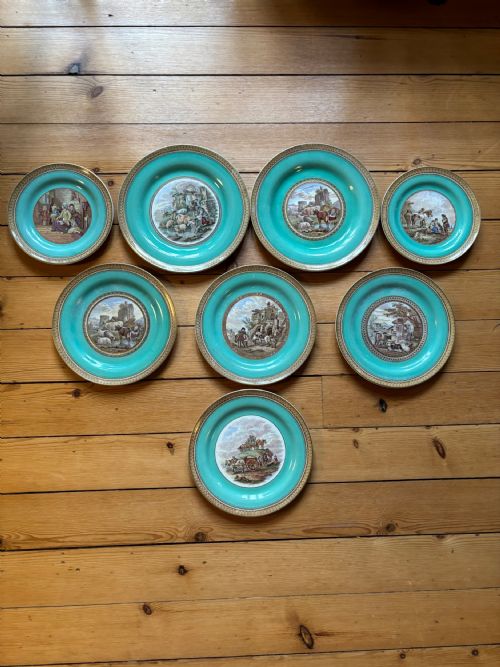


Antique Staffordshire Ware
These antique staffordshire ware pieces are rich ceramic figures and vessels from past centuries that bring genuine character to any room.
Antique Staffordshire Ware
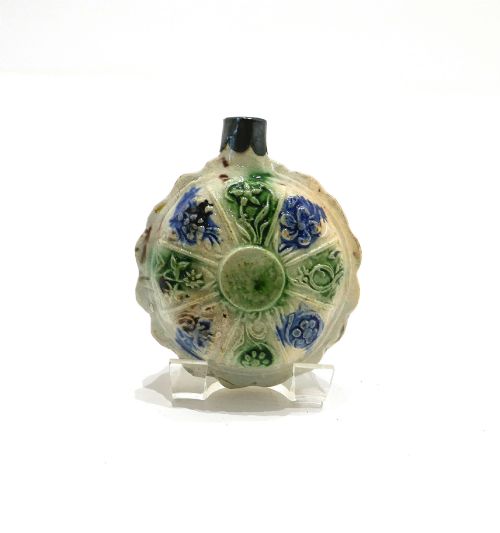
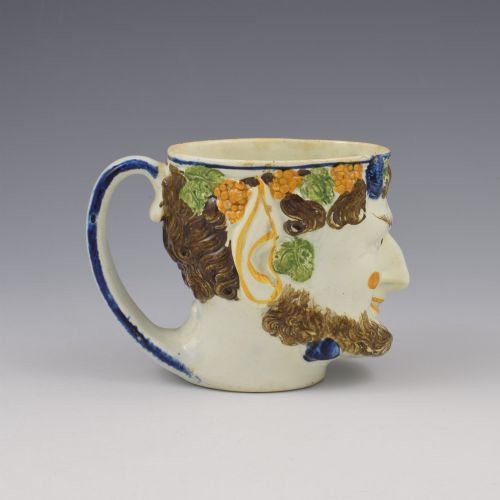
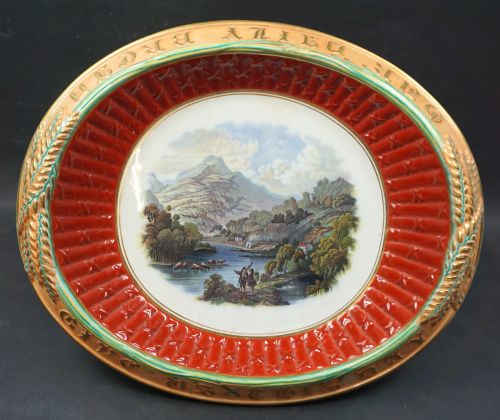
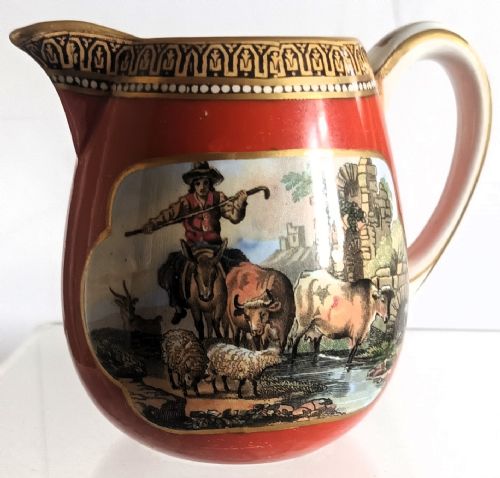
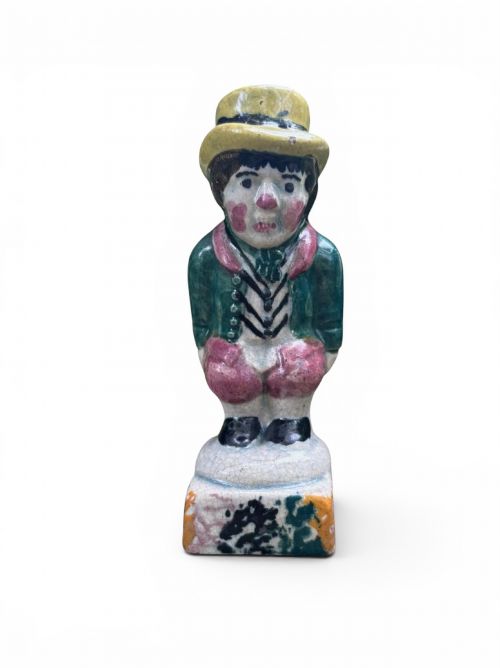
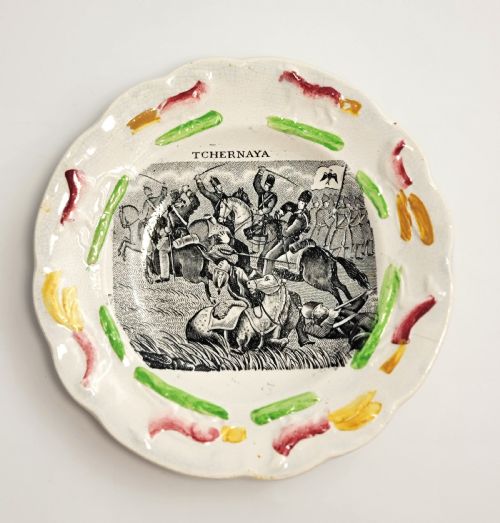
When you search for antique staffordshire ware, you encounter a diverse collection of earthen pottery, figures, and vessels spanning the Georgian, Victorian, and later eras. The selection on this page ranges from decorative plates and platters to mugs, cream jugs, and figural pepper pots.
You are most likely to meet nineteenth-century earthenware items, including transfer-printed plates, pearlware plaques, and glazed animal creamers. These pieces originate from distinct periods such as the Georgian era and the Victorian age, showcasing both functional tableware and ornamental figures.
How they were made
The primary material across these listings is earthenware, frequently enhanced with pearlware glazes and ceramic bodies. Makers utilised moulding and throwing techniques to shape the clay before applying surface decoration.
Decoration often involved transfer printing, hand painting under the glaze, and occasional touches of gilt or gold leaf. Specific finishes such as Jackfield glaze and spongeware further defined the visual texture of the pottery.
Antique Staffordshire Ware Retail Price Guide 2026
Typical asking prices for staffordshire ware among the pieces listed under this phrase on Sellingantiques today, from the lower quarter to the upper quarter. They describe what is for sale here now, not the wider market.
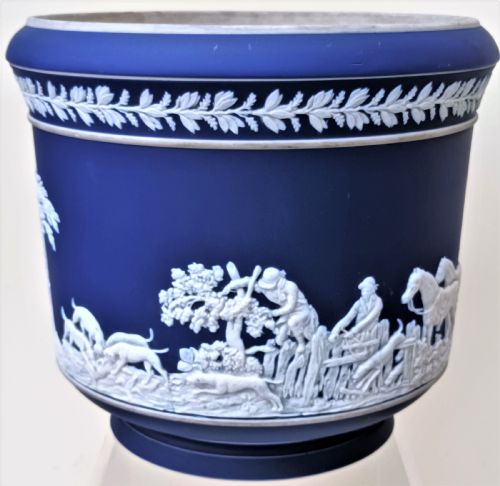
Form types span decorative plates, jardiniere vessels, cream jugs, and figural animal pepper pots.
What varies in quality
The depth and consistency of the glaze application also distinguish finer pieces from simpler utilitarian wares. Preservation of original colour pigments and minimal surface wear elevate the standing of a vessel or figure within its type.
William Adams And Sons·John Rogers And Son
The Antique Staffordshire Ware Glossary
- Pearlware
- A fine earthenware developed in the eighteenth century featuring a subtle bluish glaze that pooled in recesses. It sat between creamware and later white earthenwares.
- Prattware
- A type of English earthenware noted for its use of coloured underglaze oxides, typically blue, ochre, brown, and green. It frequently appeared on plaques, jugs, and decorative plates.
- Jackfield
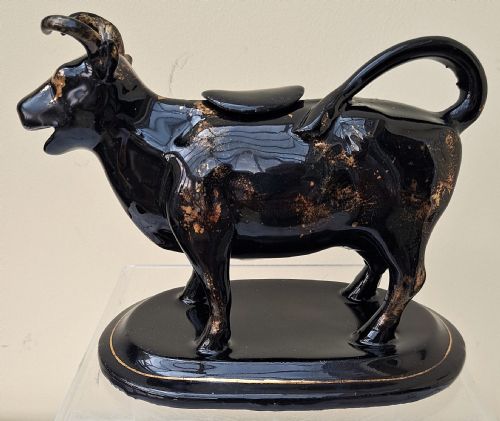
- A glossy black-glazed pottery style often associated with novelty creamers shaped as animals like cows. The dark metallic sheen came from a specialised glaze fired over a red clay body.
- Jasperware
- A fine-grained, unglazed stoneware developed with a matte surface, commonly found in blue with applied white relief decorations. It was utilised for ornamental vessels and jardiniere pieces.
- Spongeware
- Pottery decorated by applying pigment with a sponge or patterned stamp to create a mottled surface effect. This technique was common on domestic vessels and figural pieces.
Antique Staffordshire Ware: Frequently Asked Questions
What is antique staffordshire ware?
Antique staffordshire ware encompasses a broad category of ceramic items produced in the Staffordshire potteries across the Georgian and Victorian periods. These pieces include utilitarian vessels, tableware, and sculptural figures made from earthenware and pearlware.
Collectors prize them for their variety of forms, ranging from animal creamers and Toby jugs to transfer-printed plates and commemorative plaques.
How do I identify pearlware?
Pearlware is identified by its fine earthenware body and a pale bluish glaze that settles in crevices and around the base. It was created to provide a whiter ceramic surface that rivalled Chinese porcelain.
Potters used this glaze extensively on wares produced during the late eighteenth and early nineteenth centuries.
Were these figures used daily?
Many items like mugs, plates, and cream jugs served functional roles in daily household dining and service. Other pieces, such as figural pepper pots, poodles, and decorative plaques, were primarily ornamental.
Their survival reflects both their utility as kitchenware and their appeal as mantelpiece ornaments in past homes.