




Antique Staffordshire Ironstone
These pieces of antique staffordshire ironstone bring heavy, durable utility and rich patterns straight to the Victorian table.
Antique Staffordshire Ironstone
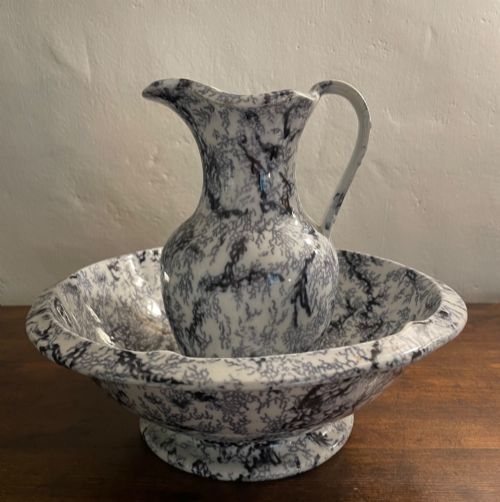
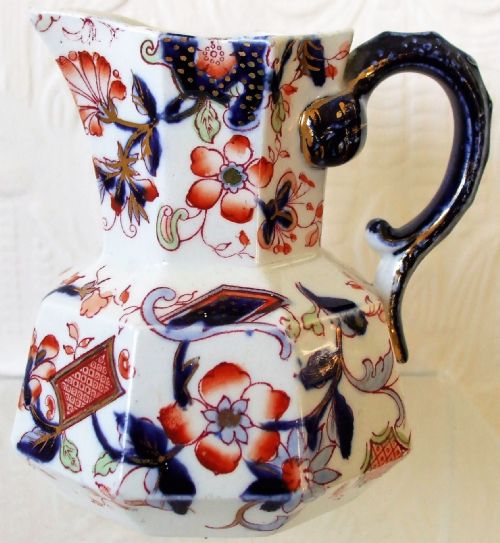
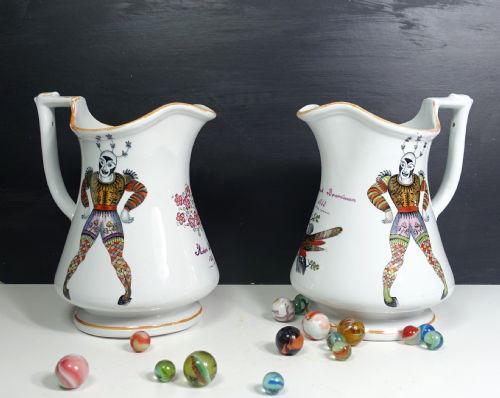
When searching for antique staffordshire ironstone, buyers encounter dense, utilitarian ceramics designed to withstand heavy daily use while offering decorative appeal. The selection includes large meat platters, wash jugs and basins, soup bowls, and decorative vases dating from the nineteenth century.
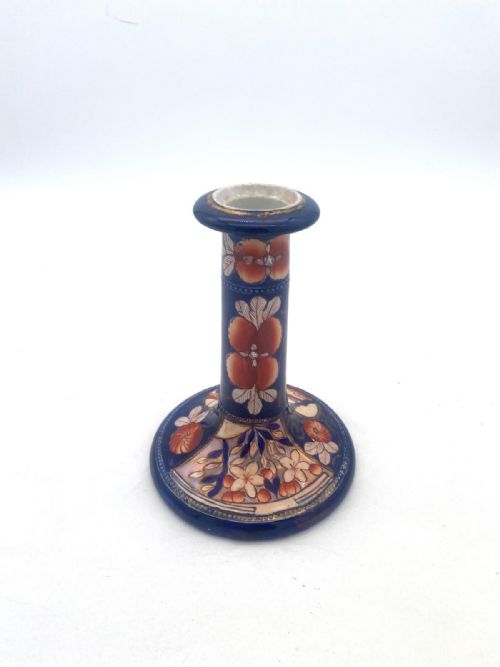
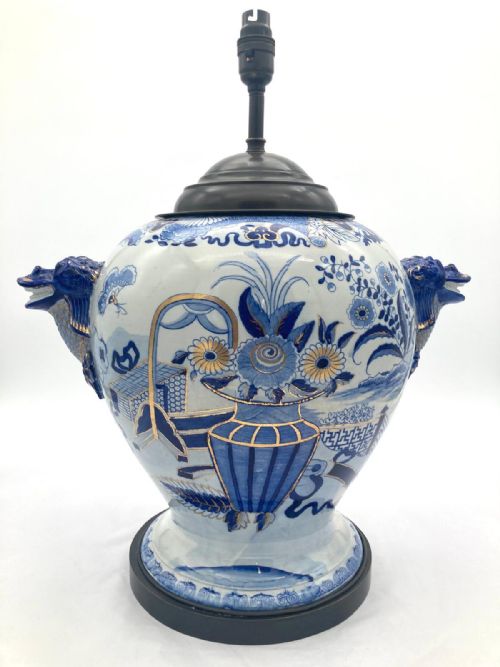
Most items on this page originate from the nineteenth century, spanning periods from Regency and Georgian eras through to Victorian times. Forms range from practical kitchen and dining ware like sugar bowls and mugs to ornamental pieces such as candlesticks and lamps.
How they were made
Potters shaped ironstone ceramic and earthenware bodies to create thick, robust vessels capable of resisting chips and cracks. Artisans applied transfer-printed designs, hand-painted enamels, and gilt details to decorate the heavy earthenware surfaces.
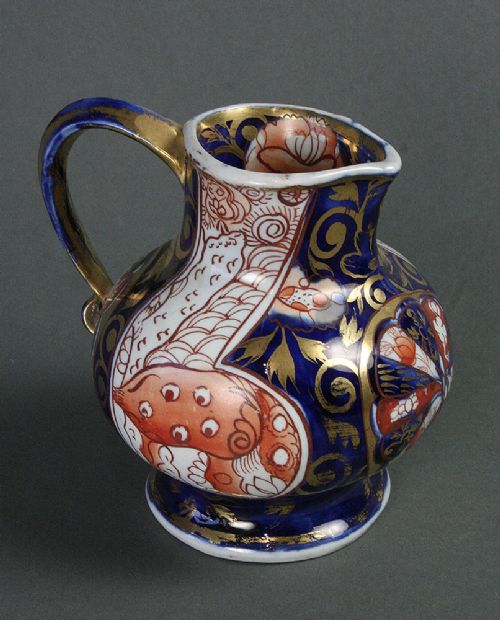
Factories utilised distinct glazing methods to seal the ceramic body, often employing flowing blue pigments, mulberry tones, or Imari colour palettes. Potters also incorporated moulded elements such as lion mask handles and elephant foot patterns directly into the clay.
Puzzle jugs challenge diners to drink their ale without spilling a drop through the hidden spouts in the hollow handle.
What varies in quality
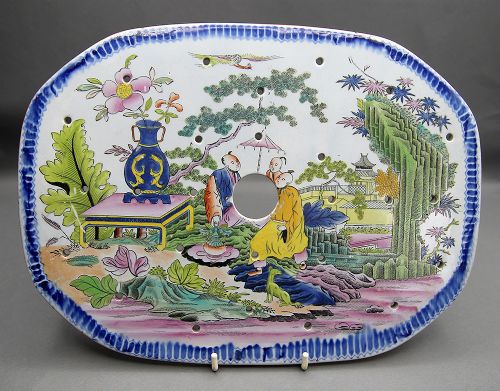
Quality depends upon the crispness of the transfer-printed pattern and the precision of any hand-applied enamel or gold leaf detailing. Pieces with complex pictorial motifs, such as Italianate landscapes or Chinoiserie scenes, require greater skill from the decorator.
The crispness of moulded elements like lion mask handles or elephant foot textures indicates the wear on the original ceramic moulds during production. Preservation of the glaze and the original vibrancy of colours distinguish finer examples from standard utilitarian wares.
Masons Ironstone·Hicks and Meigh·Keeling and Co·John Ridgway
The Antique Staffordshire Ironstone Glossary
- Ironstone
- A dense, durable type of ceramic patented in the nineteenth century to provide a robust alternative to porcelain. It forms the heavy body of most meat platters and jugs.
- Transfer printing
- A mechanical method of applying intricate decorative patterns to ceramics using a copperplate and tissue paper. It allowed factories to produce detailed blue and white scenes efficiently.
- Imari
- A decorative style featuring rich underglaze blue and iron-red, complemented by gilt highlights. It appears on various nineteenth-century ironstone plates and vessels.
- Chinoiserie
- European interpretations of Chinese artistic motifs, frequently found on nineteenth-century tableware and vases. These designs display fantastical landscapes and architectural elements.
Antique Staffordshire Ironstone: Frequently Asked Questions
Can I use these platters for food?
Most antique meat platters and soup bowls remain structurally sound for serving dry foods or presenting dishes at the dining table.
Inspect the glaze for heavy staining or deep crazing before using them with oily or acidic foods.
How do I date a piece of ironstone?
Examine the maker marks stamped on the base, stylistic clues like Regency shapes, and the specific palette of colours used.
Nineteenth-century pieces often display impressed or printed factory marks alongside pattern names such as Penang or Mogul.
What caused the flow blue effect?
Potters introduced lime or chloride vapour into the kiln during firing to cause the cobalt blue transfer print to blur outwards.
This chemical reaction created a misty, soft-edged aesthetic popular on nineteenth-century jugs and basins.