

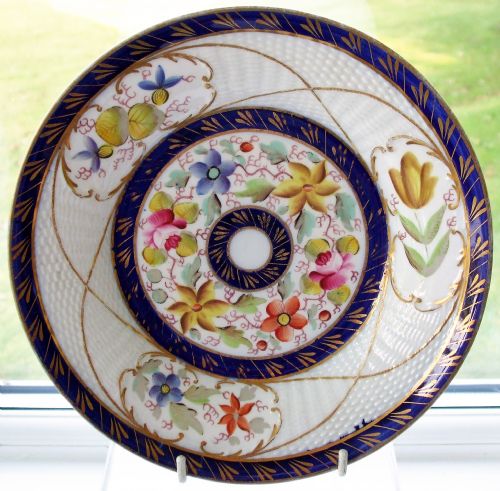
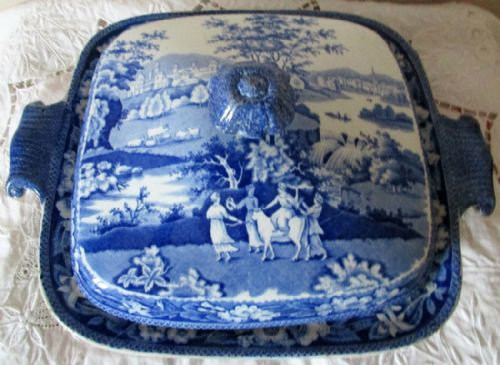

Antique Staffordshire Dish
An antique staffordshire dish brings the robust pottery traditions of the English potteries directly to the modern table, offering centuries of decorative history.
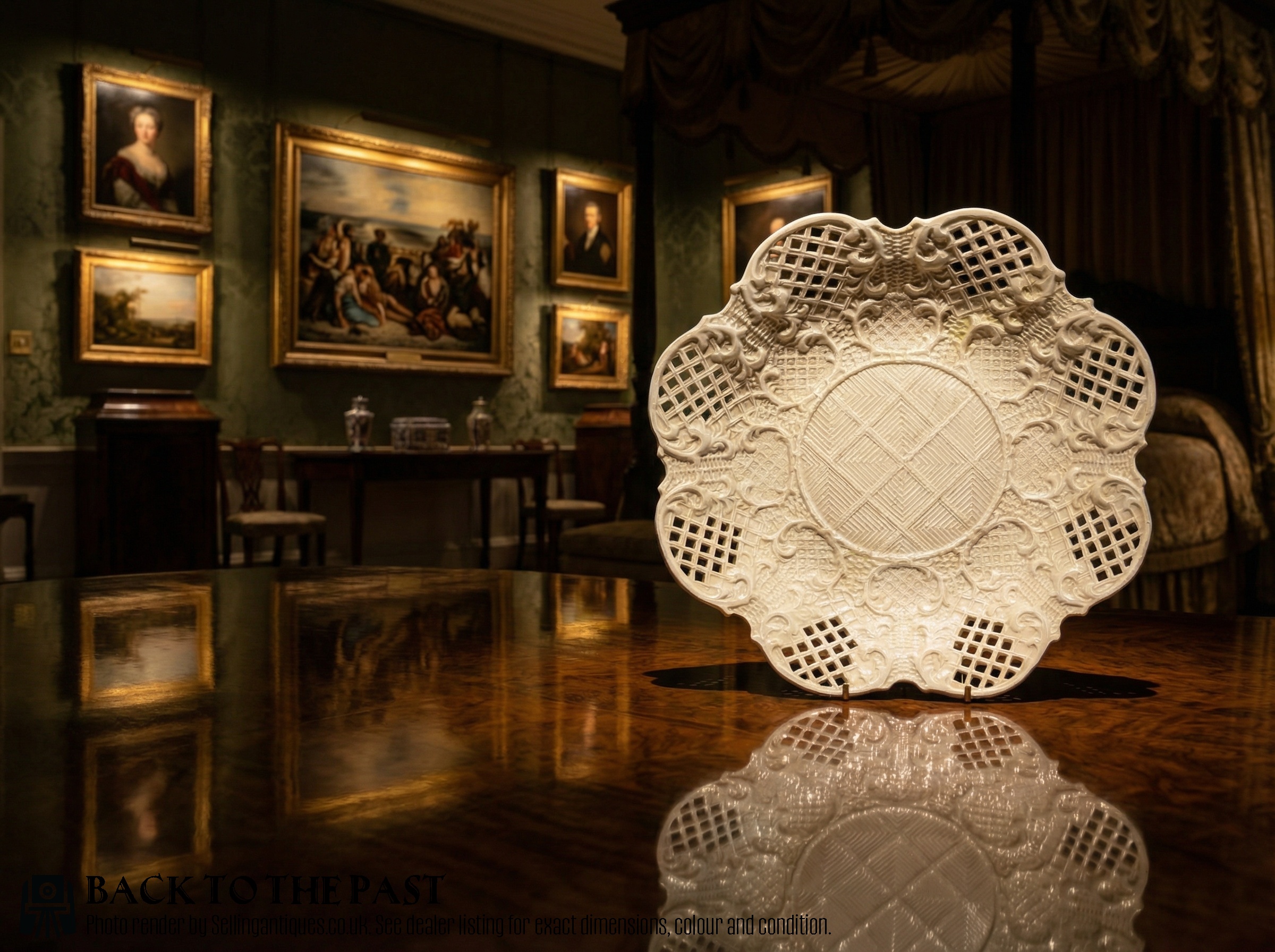
Antique Staffordshire Dish
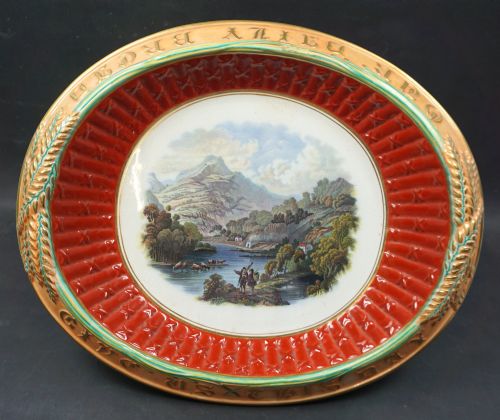
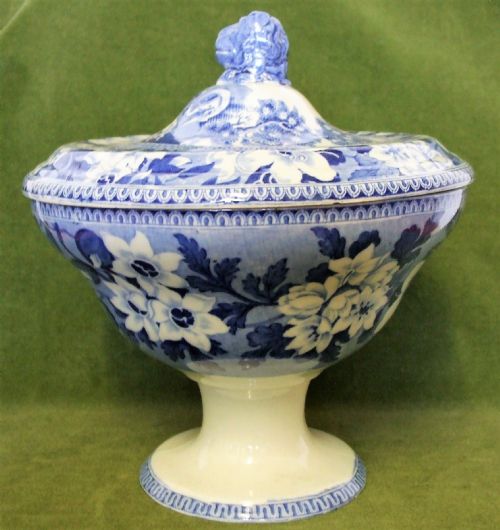
When searching for an antique staffordshire dish, collectors encounter a diverse array of utilitarian and decorative ceramic forms made in the English potteries. The selection spans the eighteenth and nineteenth centuries, taking shape as large meat platters, vegetable tureens, chargers, and decorative plates.
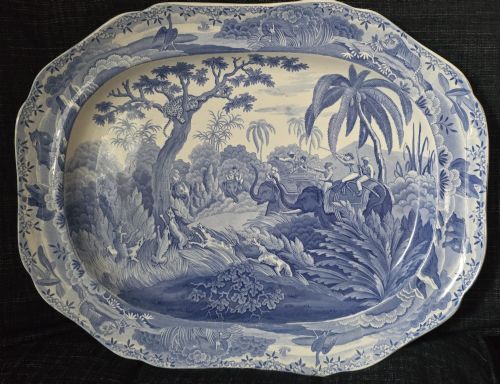
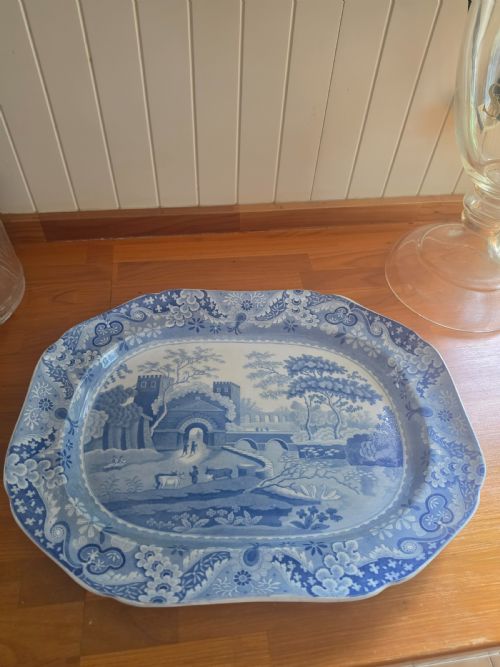
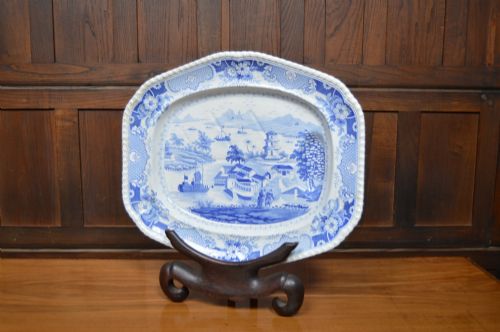
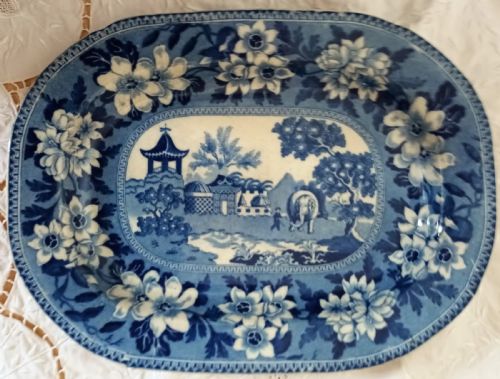
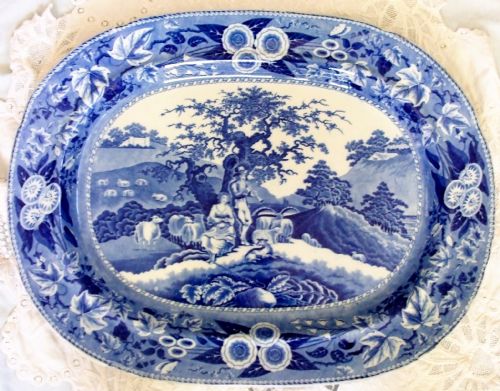
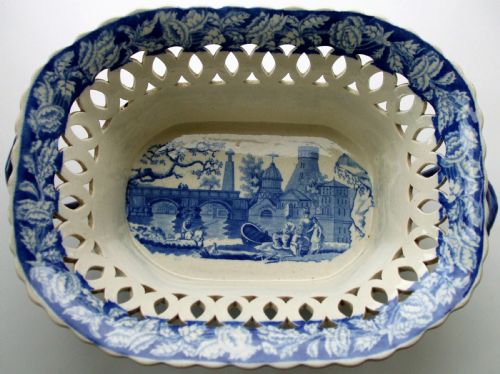
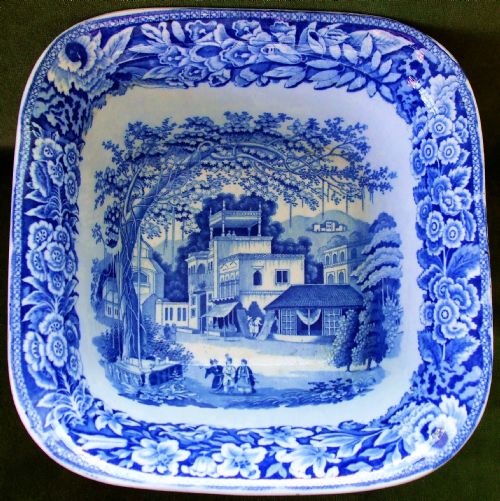
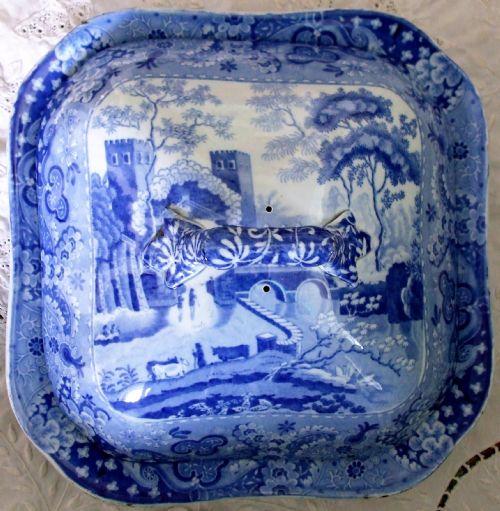
The most frequent examples met on this page are blue and white transferware platters and serving dishes from the Georgian and Victorian eras. These pieces often display topographical scenes, architectural views, or exotic patterns influenced by Chinoiserie and Regency tastes.
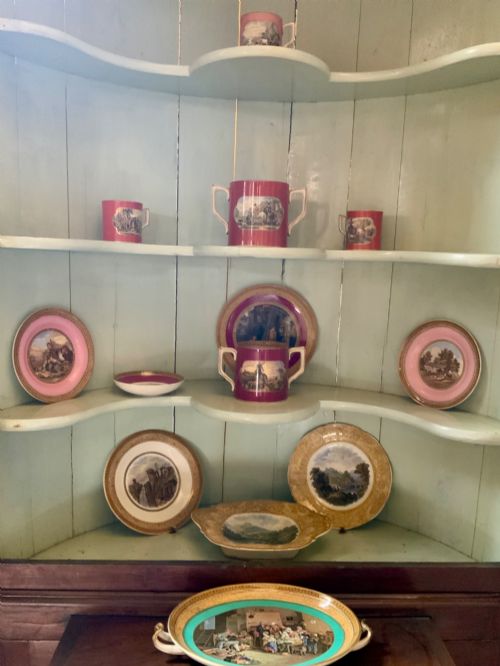
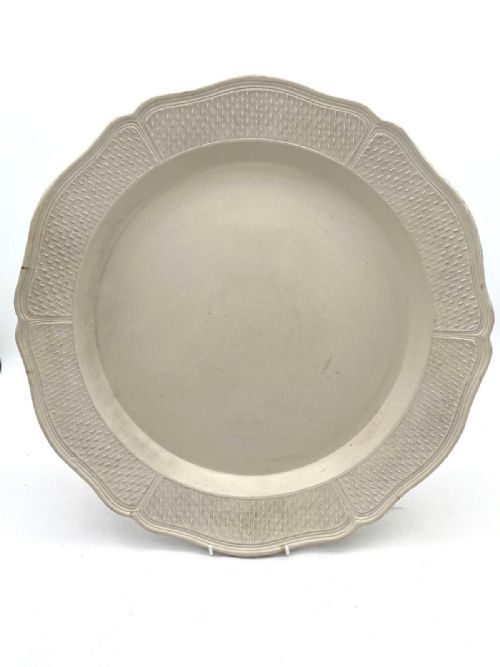
Beyond standard platters, the category encompasses specialised forms like creamware chargers, pearlware plates, ironstone strainers, and relief-moulded cheese bells. Earthenware remains the primary medium, linking utilitarian kitchenware with fine nineteenth-century display items.
Materials and construction
Potters utilised refined earthenware, creamware, and pearlware as the base bodies for shaping these dishes, often applying a tin or lead glaze to seal the porous ceramic. Ironstone provided a heavier, denser alternative capable of withstanding the rigours of large meat platters and heavy serving vessels.
Decoration relied heavily on underglaze blue transfer printing, a technique that allowed intricate topographical and narrative scenes to be applied mechanically to the clay surface before firing. Hand-painted highlights, enamel accents, and occasional gold leaf were sometimes added over the glaze to enrich the finished appearance.
Keep an eye out for ceramic hens keeping watch over porcelain nests while guarding breakfast eggs.
Assessing quality
Quality in these ceramics rests primarily on the crispness of the transfer print and the clarity of the glaze beneath which the design sits. Finer pieces maintain sharp lines in complex architectural or landscape scenes without blurring or smudging from shifting paper during the printing process.
The weight, throwing skill, and proportional balance of the earthenware body also dictate the standard of the piece. Superior platters display even glazing without heavy pooling, distortion, or excessive kiln-peppering on the display surface.
John Rogers and Son·J. and R. Clews·J. and R. Riley·John Ridgway·Thomas Forester and Sons·William Adams
The Antique Staffordshire Dish Glossary
- Transferware
- Earthenware decorated by printing a design from a copper plate onto thin paper, which was then transferred onto the unglazed or bisque ceramic before firing. This technique revolutionised mass production in the potteries.
- Creamware
- A refined, pale yellow-hued earthenware developed in the eighteenth century, celebrated for its smooth lead glaze and association with Josiah Wedgwood. It superseded heavier salt-glazed stonewares for table service.
- Pearlware
- An improved earthenware body featuring a bluish-tinted glaze designed to mimic the appearance of Chinese porcelain. It dominated Staffordshire production around the turn of the nineteenth century.
- Ironstone
- A durable, heavy-bodied ceramic patent developed in the early nineteenth century to create tough tableware. It combined earthenware clay with slag and feldspar to resist chipping.
- Charger
- A large decorative or serving plate, typically measuring substantially more than standard dinner plates. Historically used for ceremonial dining or grand sideboard displays.
Antique Staffordshire Dish: Frequently Asked Questions
How were these dishes used originally?
Most large platters and tureens served joints of meat, vegetables, or course dishes at formal dining tables throughout the Georgian and Victorian periods. Smaller plates fulfilled everyday dining functions or decorative dessert service.
Chargers and baskets often remained on sideboards or hung on walls for display when not actively serving food during large household banquets.
Can I use an antique dish for serving food?
Using nineteenth-century earthenware for regular dining requires caution due to the softer lead glazes and potential absorption through historic hairline cracks or crazing. Modern acidic foods can also interact with older enamel decorations.
Displaying them on walls, sideboards, or using them for dry presentation items preserves the ceramic body and protects the historic glaze from further wear.
How do I distinguish pearlware from creamware?
Creamware exhibits a warm, buttery, ivory-toned glaze that pools slightly yellow in crevices and curves. It dominated production primarily in the eighteenth century.
Pearlware possesses a distinctly bluish hue pooled around the rims and under-bases, introduced by potters to create a whiter background that visually competed with imported Chinese porcelain.