




Antique Staffordshire Cream Jug
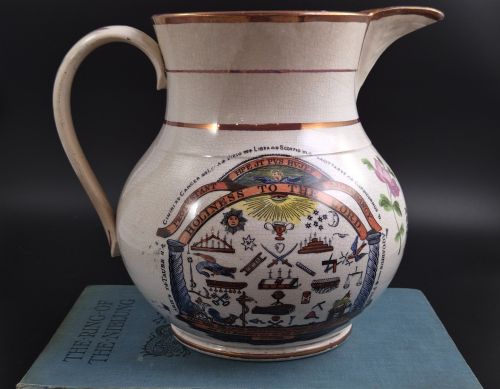
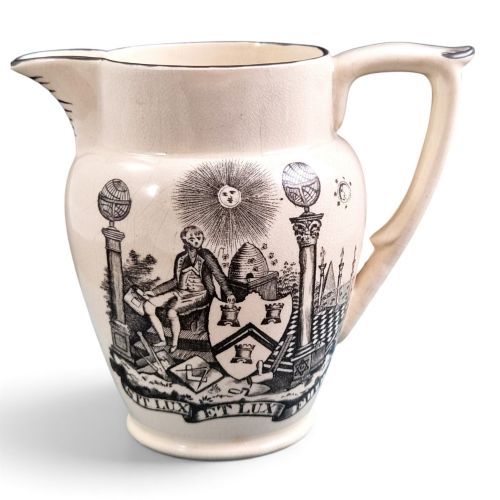
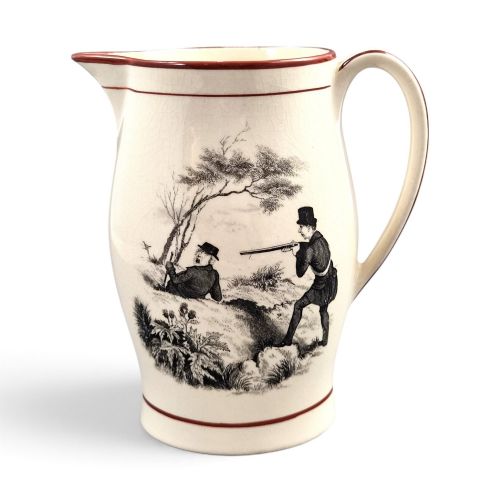
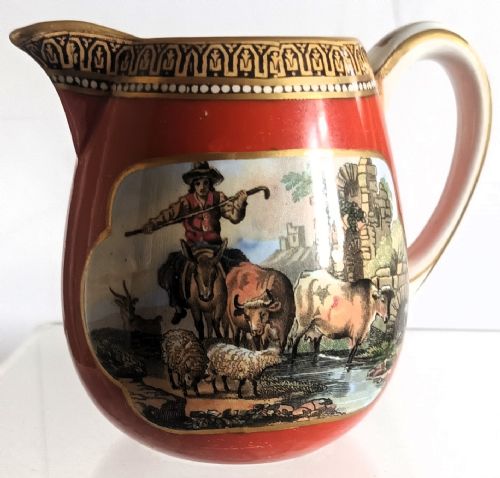
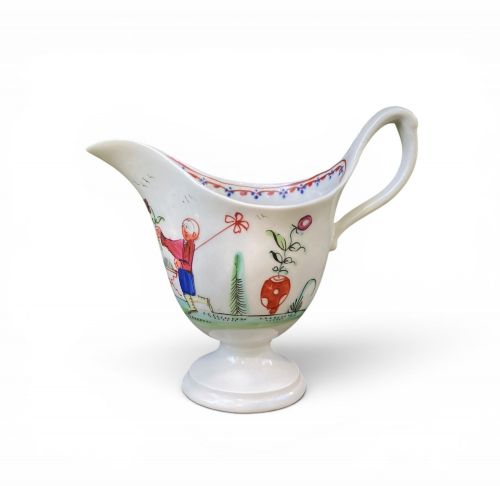
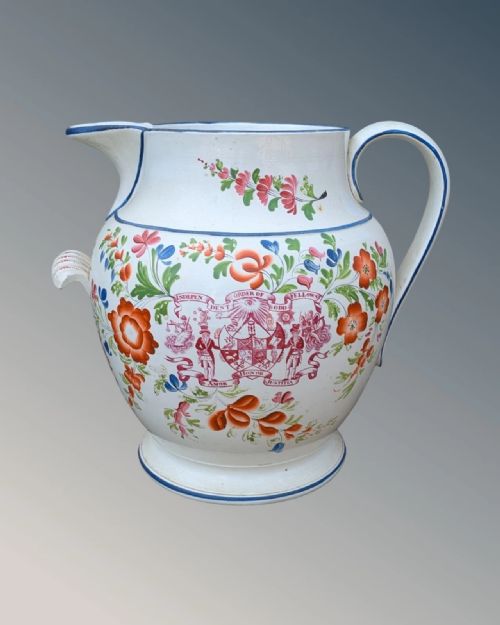
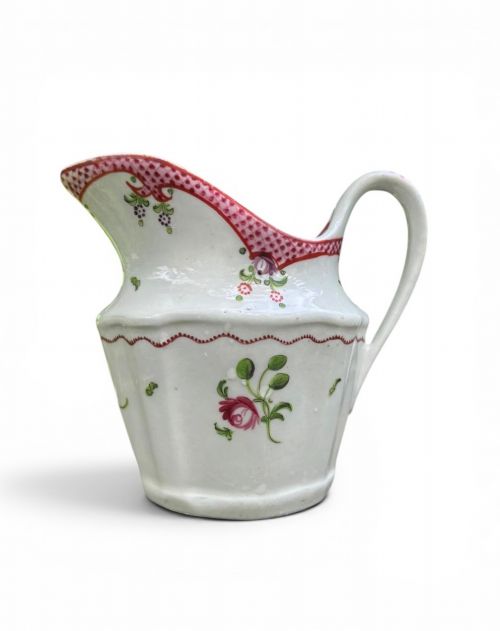
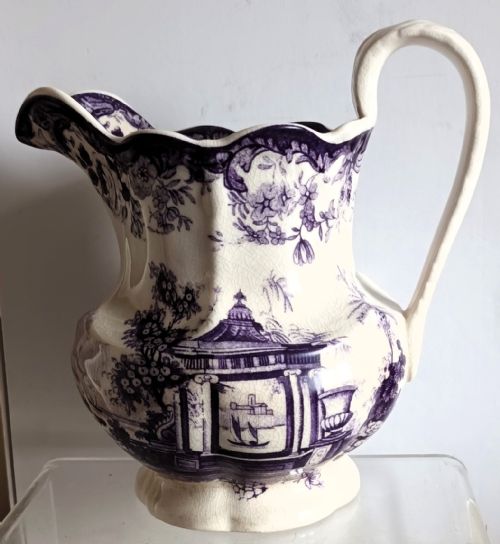
These antique staffordshire cream jug examples are small ceramic vessels for the table, prized by collectors for their varied glazes and commemorative transfers.
Antique Staffordshire Cream Jug
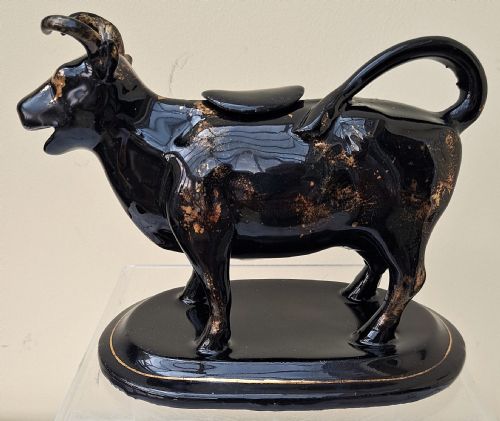
An antique staffordshire cream jug is a small household container designed to hold dairy for tea or coffee, shaped as a simple pitcher or moulded into whimsical animal forms like the iconic cow creamer. The pieces met here span the Georgian and Victorian eras, ranging from austere early creamware bodies to heavily decorated nineteenth-century earthenware.
Buyers will most frequently encounter transfer-printed creamware and pearlware examples from the late eighteenth and early nineteenth centuries, alongside later copper lustre and polychrome earthenwares. These jugs served functional daily roles in domestic life before surviving as decorative display items cherished for their regional folk art character.
How they were made
Potters shaped these vessels from earthenware, creamware, pearlware, or porcelain, often employing moulded cabbage leaf or relief patterns to build tactile surface interest. Glaze and enamel finishes completed the bodies, sealing the porous clay and providing a smooth canvas for hand painting or transfer printing.
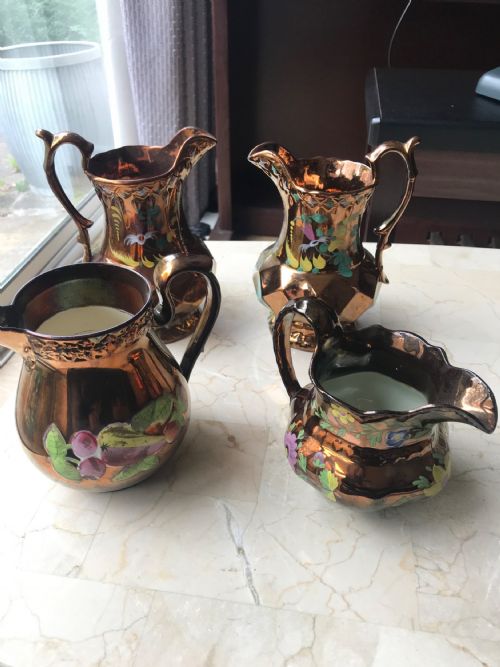
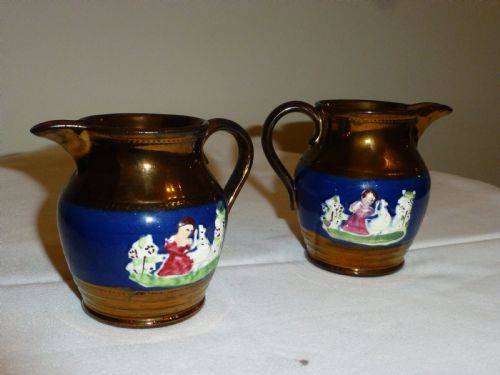
Makers applied black, magenta, or purple transfer prints to transfer complex commemorative scenes onto the clay before firing. Gilt highlights, copper lustre washes, and polychrome hand decoration added final layers of colour to the fired ceramic forms.
Antique Staffordshire Cream Jug Retail Price Guide 2026
Typical asking prices for staffordshire cream jug among the pieces listed under this phrase on Sellingantiques today, from the lower quarter to the upper quarter. They describe what is for sale here now, not the wider market.
Listings feature earthenware, creamware, pearlware, and porcelain across Georgian and Victorian periods.
What varies in quality
Quality rests upon the crispness of the moulded relief work and the registration of the transfer print upon the ceramic body. Early creamware and pearlware pieces with sharp botanical moulding demonstrate superior craftsmanship compared to softer, later casts.
The sophistication of the hand decoration and the richness of the copper lustre or enamel pigments distinguish finer studio output from standard utilitarian kitchenware. Well-preserved painted details and evenly applied glazes elevate the visual appeal of these small vessels.
New Hall·H & R Daniel·Jones & Walley
The Antique Staffordshire Cream Jug Glossary
- Creamware
- A refined earthenware developed in England during the eighteenth century, distinguished by its pale yellowish cream-coloured lead glaze. It provided a lighter, more delicate alternative to heavier salt-glazed stonewares.
- Pearlware
- An improved Staffordshire earthenware introduced in the late eighteenth century featuring a subtle bluish tint in the glaze that made the underlying ceramic body appear whiter. It served as a popular ground for underglaze blue and polychrome painting.
- Transfer printing
- A decoration technique where an engraved metal plate transfers a printed design onto tissue paper, which is then pressed onto the unfired or biscuit ceramic surface. This allowed intricate pictorial scenes to be replicated rapidly.
- Cow creamer
- A whimsical ceramic vessel modelled in the shape of a cow, designed with a filling hole on the back and a pouring mouth through the animal's muzzle. These eccentric cream jugs were particularly popular in nineteenth-century Staffordshire potteries.
Antique Staffordshire Cream Jug: Frequently Asked Questions
How are these jugs dated?
Collectors date these pieces by examining the ceramic body type, such as early creamware versus later Victorian earthenware, alongside stylistic markers like transfer print subjects and glaze colours.
Pottery bodies shifted from light creamwares in the Georgian period to heavier ironstone and bright lustres by the middle of the nineteenth century.
Were cow creamers used daily?
Cow creamers served as functional tableware on tea tables, holding milk or cream to be poured from the animal's mouth during social gatherings.
Their charming figurative design meant they doubled as entertaining conversation pieces for Georgian and Victorian hosts.
What is copper lustre?
Copper lustre is a metallic glaze technique that produces a reflective, coppery sheen across the surface of the ceramic jug. Staffordshire potters achieved this effect by applying metallic oxides to the fired body before a final low-temperature kiln run.
How do I display them?
These small vessels suit compact display spaces such as dresser shelves, mantelpieces, or dedicated ceramic cabinets where their profiles remain visible. Grouping jugs of contrasting glazes, such as transfer prints alongside copper lustre, highlights their varied textures.