


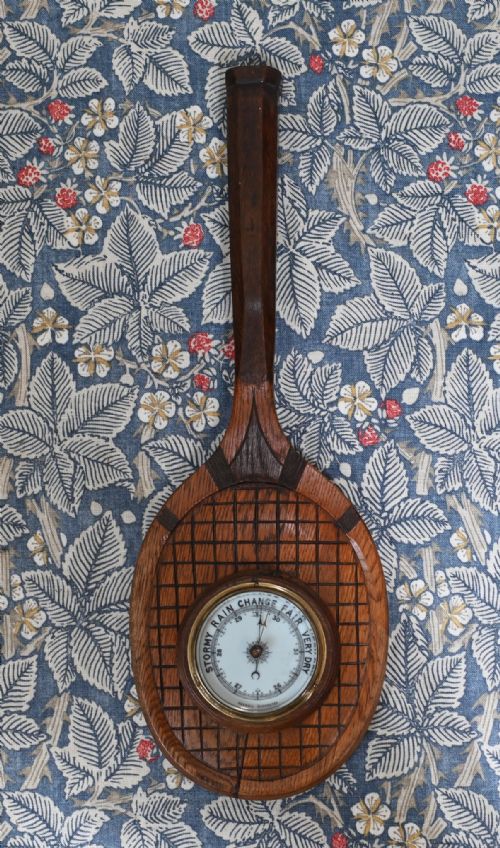


Antique Sports Wall Decor
These pieces of antique sports wall decor bring nineteenth-century hunting fields, racing stables and riverbanks straight into a room.
Antique Sports Wall Decor
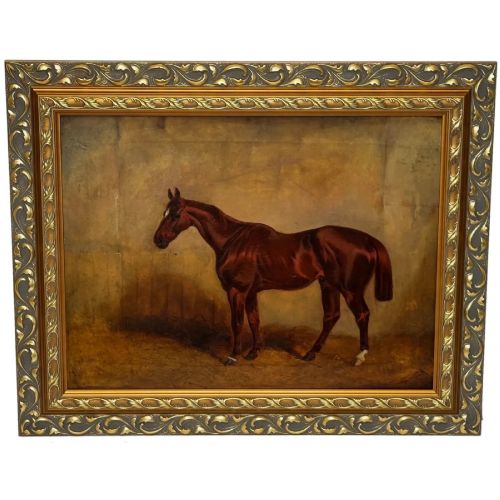
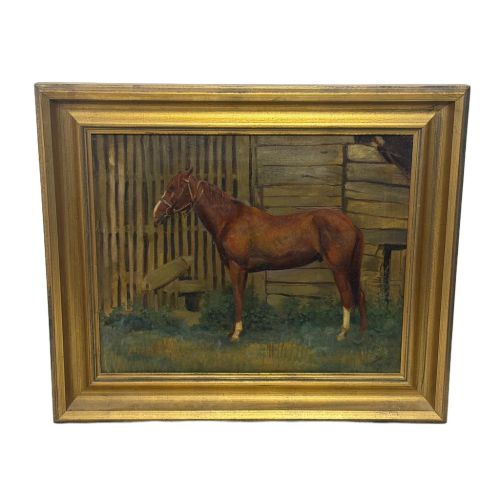
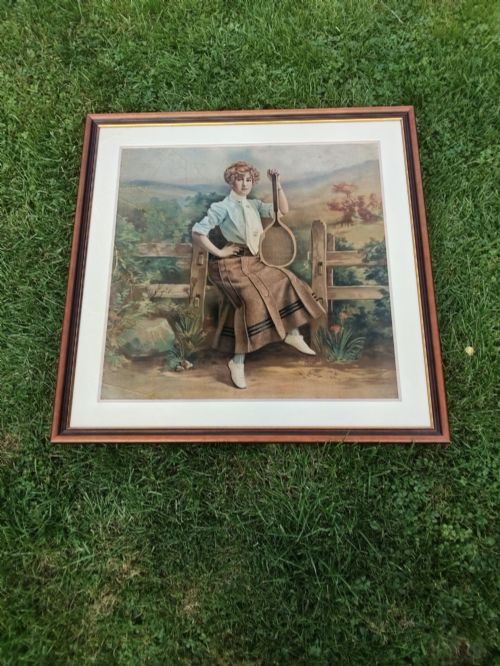
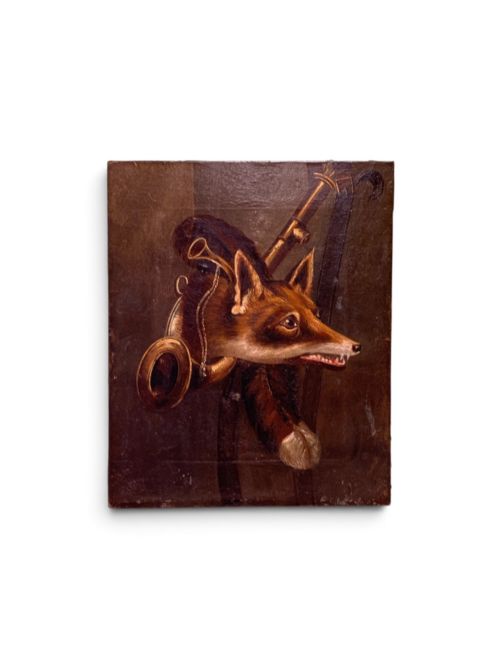
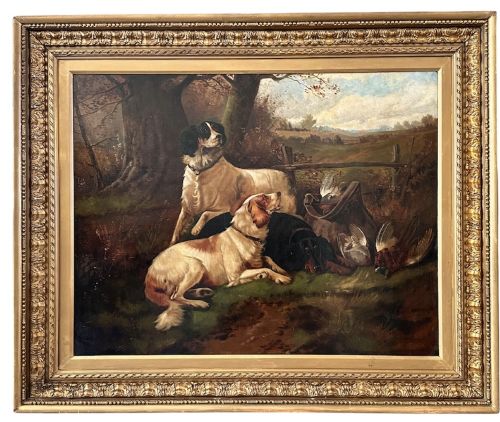
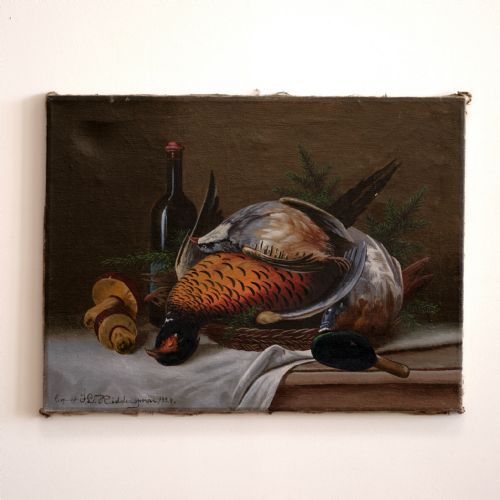
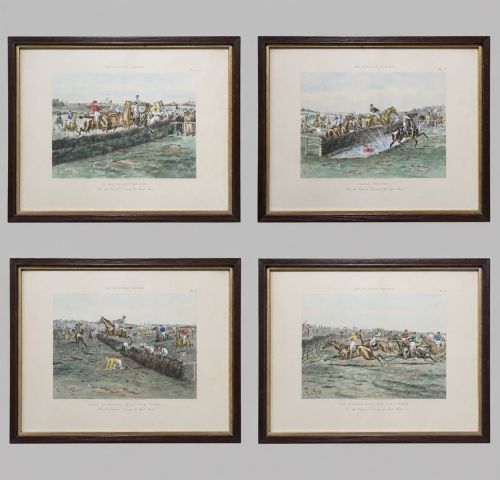
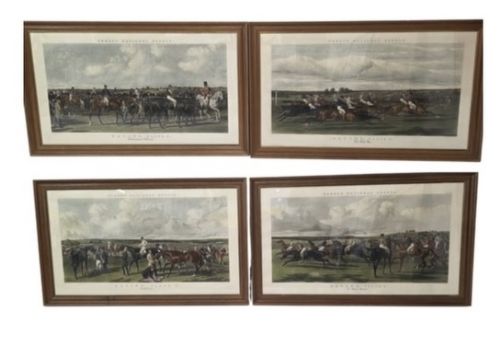
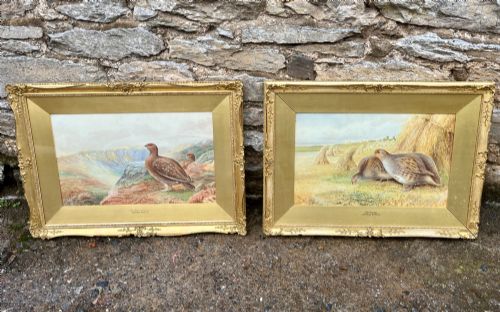
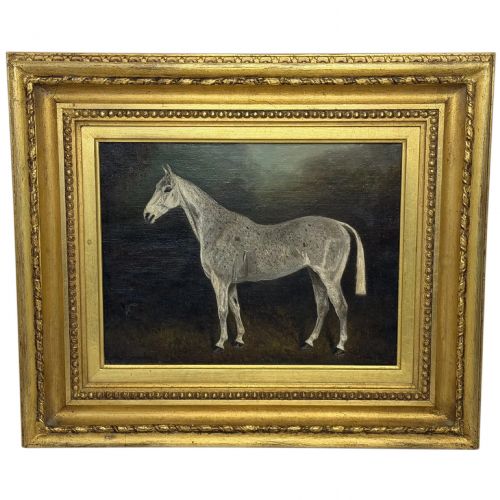
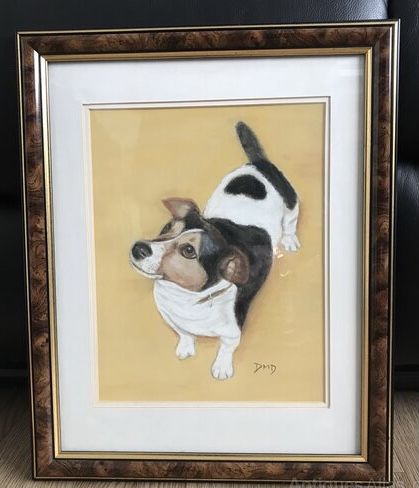
Antique sports wall decor covers oil paintings, watercolours, chalk drawings, stipple engravings and aquatints that celebrate past pursuits. Buyers encounter framed prints of horse racing, coaching scenes and game birds alongside original canvases depicting hounds, terriers and hunting meets. The selections span the eighteenth, nineteenth and early twentieth centuries, capturing the vigour of British sporting life.
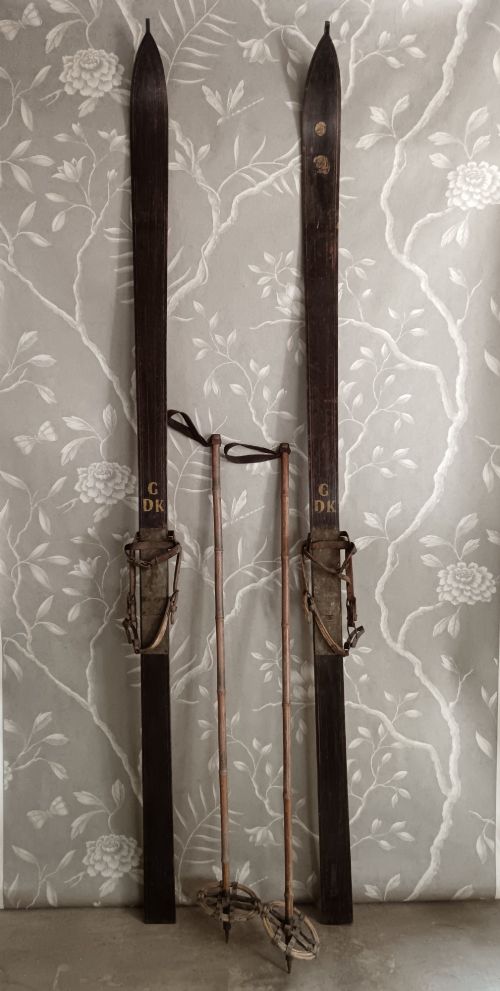
Framed presentation oars, wooden skis, taxidermy heads and scoring boards also furnish these walls, shifting the focus from paper and canvas to tangible equipment. Works by named artists sit alongside anonymous studies of grey horses and game, offering varied scales from intimate watercolours to large coaching prints. The grouping leans heavily on Victorian horse and hound subjects.
How they were made
Painters utilised oil on canvas, oil on pine panel, and watercolour on paper, often applying rich layers of oil paint to capture the coat of a hunter or the gloss of a fish. Engravers and printers produced hand-coloured stipple engravings and aquatints, layering ink and wash by hand over etched plates.
Framers housed these works in oak, walnut, and giltwood frames, sometimes pairing them with glass for paper items or eglomise panels. Taxidermy mounts employed traditional preservation techniques on deer, stags and foxes, while sporting equipment makers shaped seasoned wood for oars and skis.
Antique Sports Wall Decor Retail Price Guide 2026
Typical asking prices for sports wall decor among the pieces listed under this phrase on Sellingantiques today, from the lower quarter to the upper quarter. They describe what is for sale here now, not the wider market.
Listings feature oil paintings, watercolours and framed prints alongside taxidermy, wooden skis and presentation oars.
What varies in quality
Quality rests upon the sureness of the draughtsmanship and the accuracy of animal anatomy, particularly in depictions of horses and hounds. A hand-coloured print with crisp original pigment and a strong impression surpasses a faded or heavily retouched example.
The choice of framing and the integrity of the ground - whether sturdy oak panel or clean canvas - distinguish higher pieces. Maker attribution and signature clarity also elevate an item, separating studio workshop output from master hands.
L.H. Hagen & Co·George Rankin·Orme & Sons Manchester·Peter Spicer & Sons·W Williams
The Antique Sports Wall Decor Glossary
- Aquatint
- An intaglio printmaking technique that produces areas of tone resembling watercolour washes. It was widely utilised in the nineteenth century for reproducing sporting watercolours.
- Eglomise
- A process of applying cold gilding and painting to the rear face of glass. This technique creates a reflective, mirrored border often found surrounding historical prints.
- Stipple engraving
- A method of printing using dots to create tonal gradations rather than continuous lines. Hand colouring was frequently added afterwards.
- Giltwood
- Wood that has been coated with leaf gold or metallic powder. It provides a bright, reflective border for oil paintings and mirrors.
- Panel painting
- A painting executed on a flat piece of wood rather than canvas. Oak and pine were common supports in earlier periods.
Antique Sports Wall Decor: Frequently Asked Questions
What subjects feature in these works?
The subjects focus heavily on equestrian scenes, horse racing, fox hunting meets, and canine portraits including terriers and gun dogs. Angling, shooting and rowing also appear.
Scenes range from solitary animal studies to large hunting sequences and historical coaching prints.
How should I hang heavy wooden items?
Heavy items such as presentation oars, wooden skis or taxidermy mounts require secure wall anchors fixed directly into masonry or wooden studs. Distributing the weight evenly across multiple points ensures stability.
Keep pieces away from direct heat sources and strong sunlight to protect the wood and pigment.
Are the prints original period impressions?
The selections include eighteenth and nineteenth-century hand-coloured engravings and aquatints printed from original plates. Paper stock, plate marks and ink density help distinguish period impressions from modern reproductions.
Examining the reverse of the frame often reveals old paper labels and framer stamps.
How do I identify a Victorian oil painting?
Victorian canvases generally exhibit period stretchers, handmade nails and aged linen weave. Stylistic markers include the rich earth palettes used for hunting scenes and realistic animal proportions.
Artist signatures, dates and historical inscriptions on the canvas reverse provide further confirmation.