




Antique Sporting Sculpture
Antique sporting sculpture captures the motion and character of the field, the track, and the water in enduring metal and wood.
Antique Sporting Sculpture
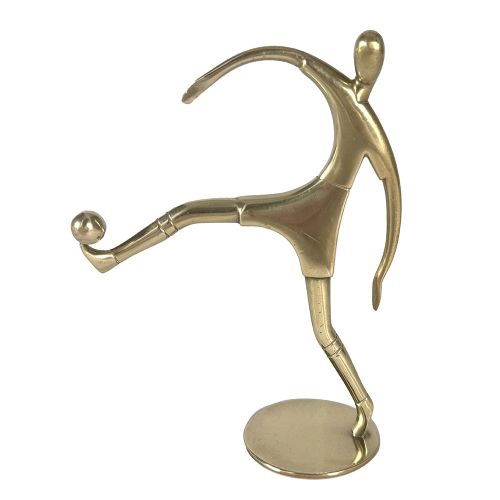
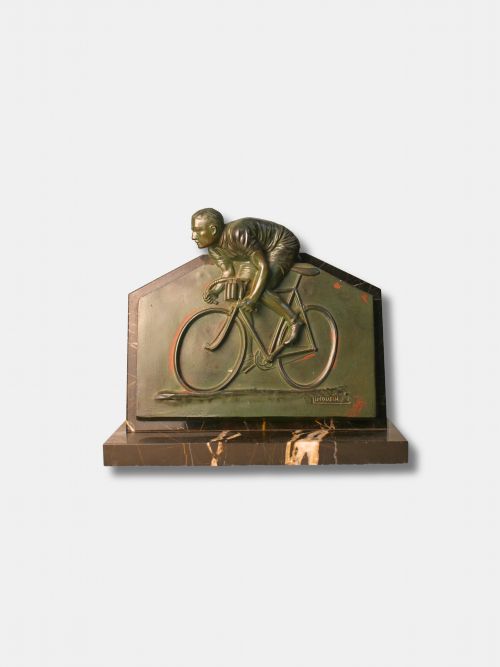
When you search for antique sporting sculpture, you encounter a diverse array of objects celebrating athletics, hunting, and canine companions from the nineteenth and early twentieth centuries. These pieces range from monumental animalier bronzes depicting gundogs and hounds to folk art wooden decoys used for pigeon and duck shooting. Table ornaments and figures capture specific disciplines such as rugby, fencing, cycling, and skiing.
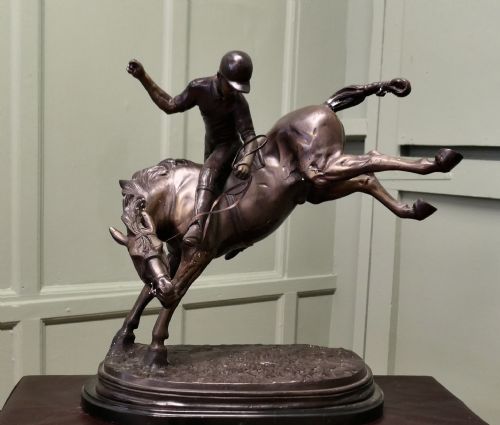
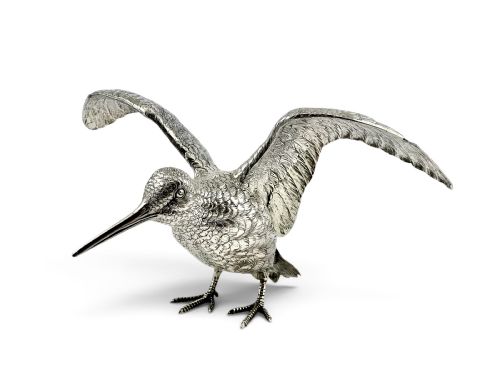
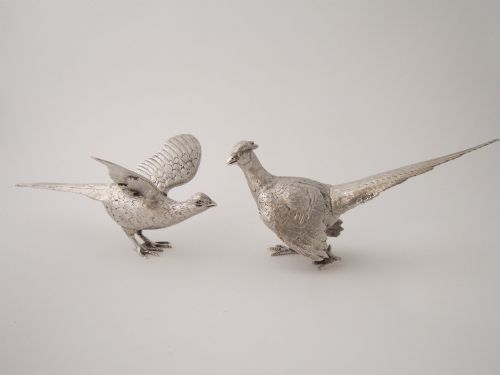
The most common versions on this page are nineteenth-century animalier bronzes depicting setters, pointers, and foxes, alongside early twentieth-century painted wood decoy ducks and pigeons. French animalier works frequently pair metal figures with marble or onyx plinths, whilst English examples lean towards functional folk art or sterling silver representations of game birds like woodcocks and pheasants.
How they were made
Foundries produced the metallic figures using the lost-wax casting method for bronze or utilised spelter and cast iron for more accessible decorative objects. Cold painting and gilding added surface colour to bronzes and silver figures, whilst ormolu mounts enhanced the visual weight of sculptural groups.
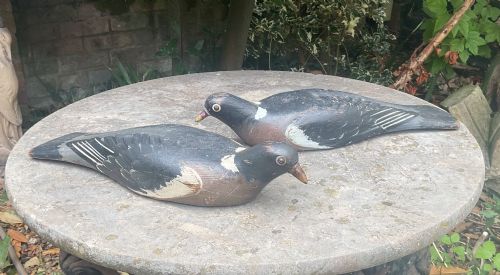
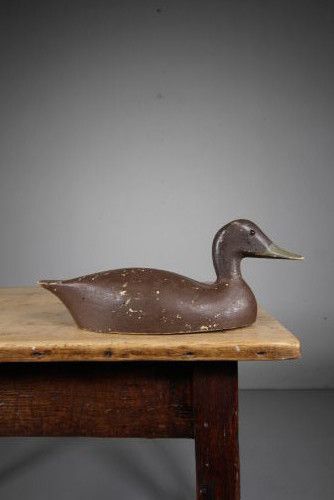
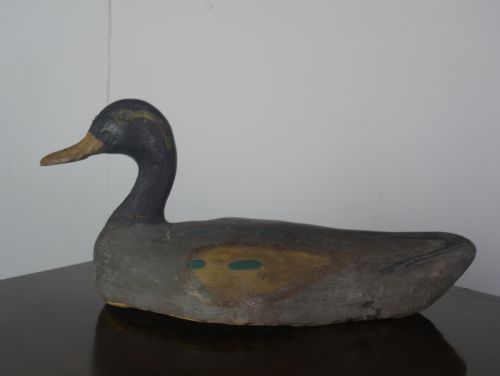
Wooden items, particularly decoy ducks and pigeons, relied on hand-carving followed by careful application of paint to mimic natural plumage. Plinths and bases incorporated materials like carved wood, white marble, and green onyx to support heavier metal sculptures.
Materials span bronze, painted wood, sterling silver, cast iron, marble, and onyx across nineteenth and twentieth-century pieces.
What varies in quality
The fidelity of anatomical detail and the crispness of the casting separate standard foundry output from masterworks by celebrated sculptors. In bronze animalier pieces, the rendering of musculature, fur texture, and the natural interaction between hounds and game birds reveal the artisan's skill.
For painted wooden decoys, the preservation of original surface pigment and the strength of the carving profile determine desirability. Heavy marble or onyx plinths paired with well-chased gilt bronze or sterling silver elevate the status of table ornaments and figures.
Jules Moigniez·Rudolf Küchler·John Willis Good·Auguste Nicholas Cain
The Antique Sporting Sculpture Glossary
- Animalier
- A nineteenth-century artistic movement focused on the realistic portrayal of animals, particularly in sculpture. Animalier works frequently depict hunting dogs, game birds, and wild predators in dynamic poses.
- Decoy
- A carved and painted wooden or metal bird utilised by hunters to attract waterfowl or pigeons. These working objects transitioned into sought-after folk art collectibles.
- Spelter
- A zinc alloy commonly utilised as a less expensive alternative to bronze for nineteenth and twentieth-century figures. It was frequently painted or electroplated to imitate bronze patination.
- Ormolu
- Finely ground high-carat gold applied to a bronze base through a mercury-gilding process. It provides a rich golden finish seen on decorative mounts and sculptural highlights.
Antique Sporting Sculpture: Frequently Asked Questions
What is an animalier bronze?
An animalier bronze is a nineteenth-century sculptural work focusing on realistic depictions of animals in motion or repose. These pieces frequently feature hunting dogs, horses, and game birds.
They were cast in European foundries, often mounted on marble or onyx bases, and prized for their anatomical accuracy and dramatic tension.
How were wooden decoys used?
Wooden decoys were hand-carved and painted to mimic birds such as ducks and pigeons. Hunters placed them on water or fields to lure live game within range.
Today, collectors value them as examples of folk art, appreciating the surviving original paint and sculptural form over their historical hunting utility.
What is the difference between bronze and spelter?
Bronze is a durable copper alloy that takes fine detail and patination exceptionally well. Spelter is a softer zinc alloy used as an economical substitute in many decorative figures.
Spelter figures are lighter and more brittle than bronze, frequently requiring a painted or electroplated finish to simulate the appearance of true bronze.
Where should I display sporting sculptures?
Sporting sculptures suit studies, libraries, and living spaces where their narrative of field sports and athletics can be appreciated up close. Heavier pieces on marble bases require sturdy furniture.
Keep them away from direct heat sources and strong sunlight to protect patinated metals and original painted wooden surfaces.