

Antique Sport Painting
An antique sport painting captures the energy of the field, the stable and the open country through the traditions of British sporting art.
Antique Sport Painting
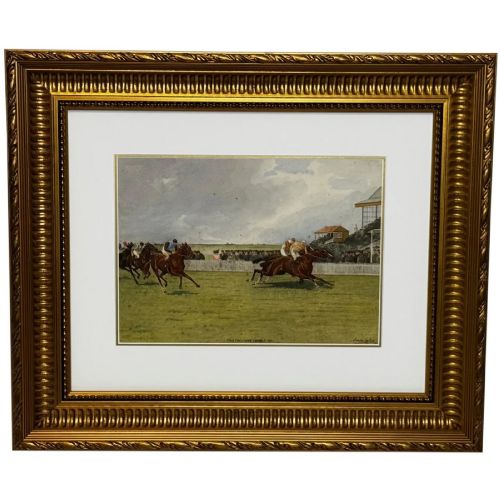
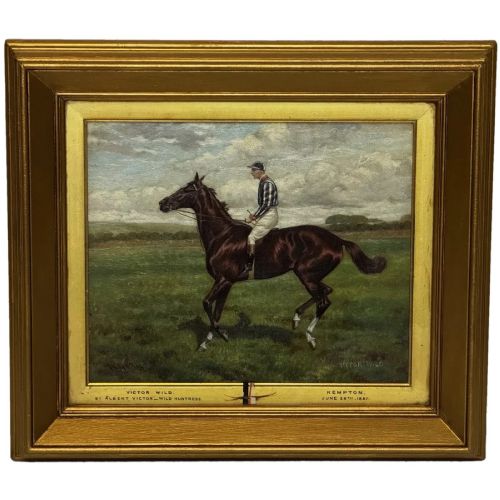
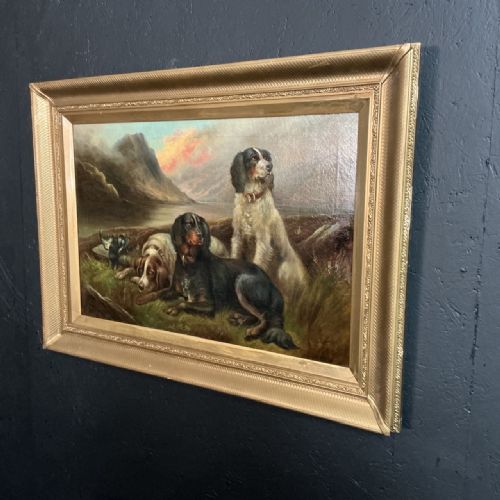
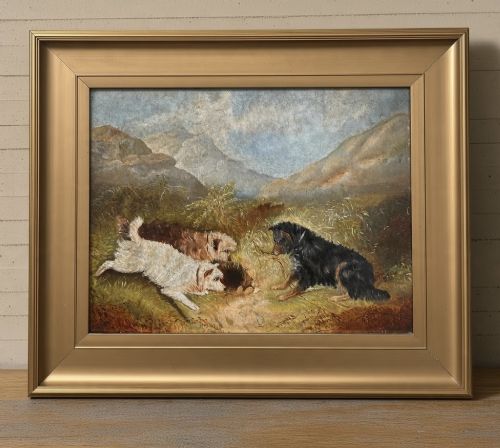
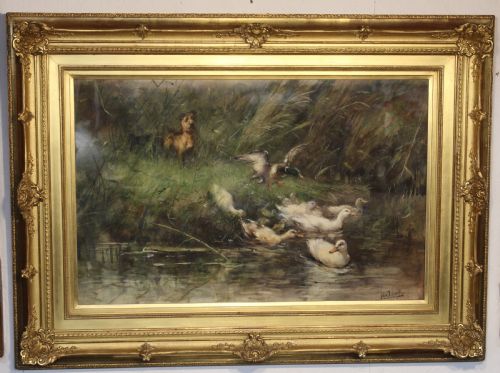
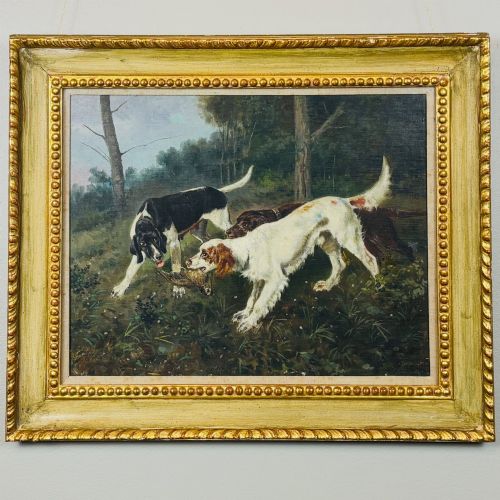
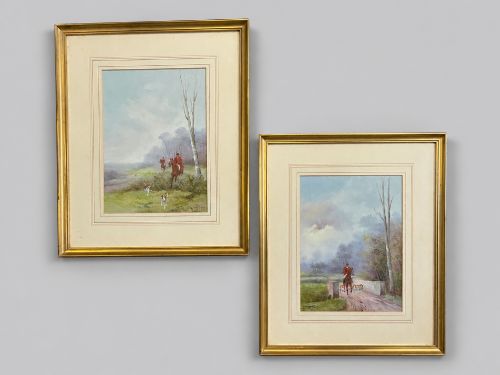
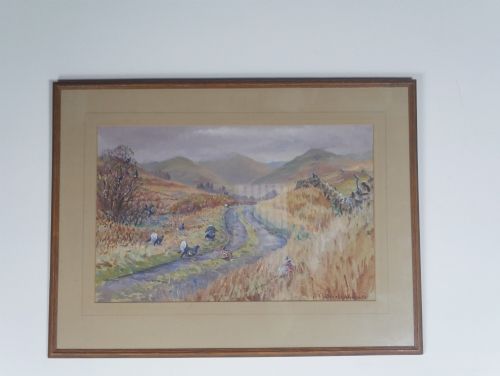
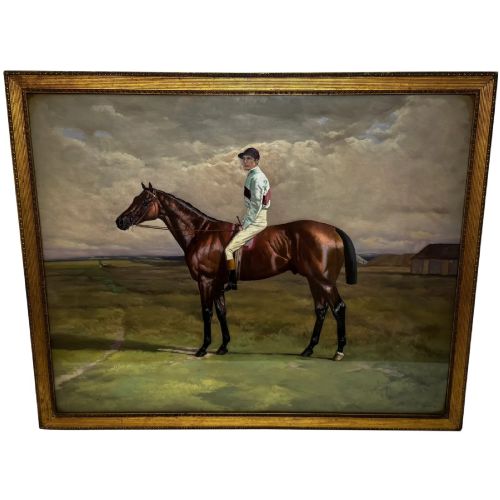
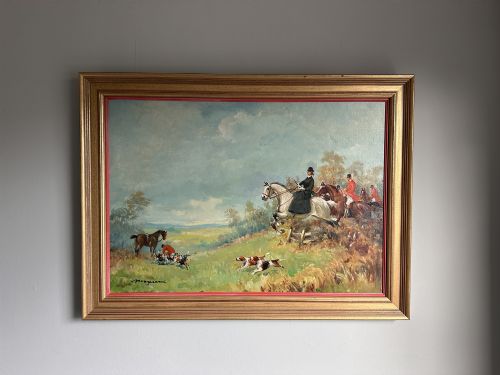
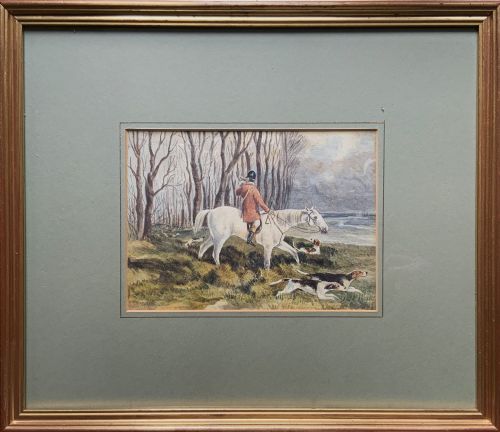
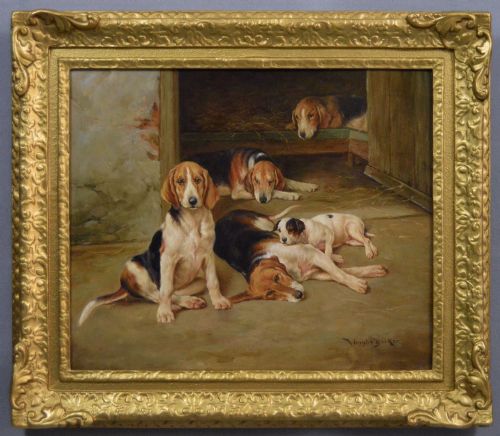
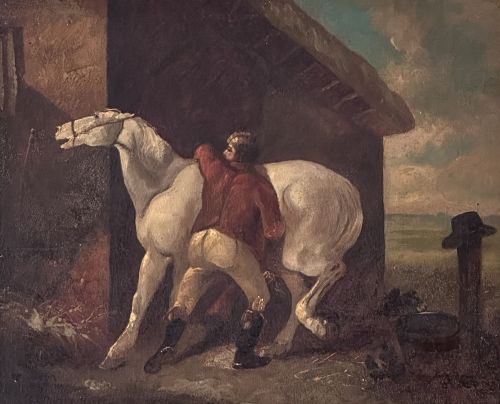
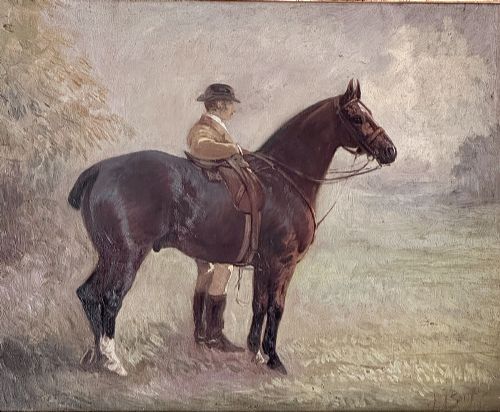
An antique sport painting brings together the subjects of the British countryside, featuring hunting scenes, equestrian portraits, gundogs and working terriers from the Victorian and Edwardian periods.
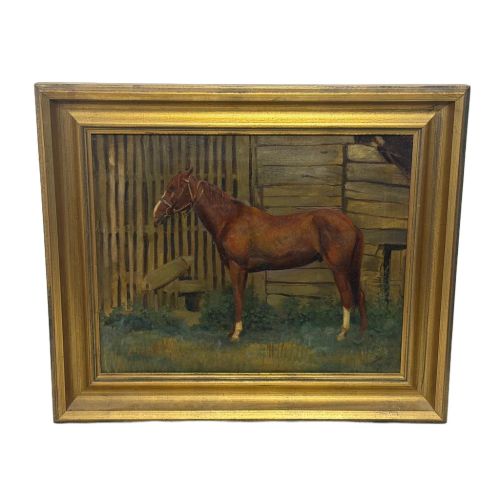
The selection ranges from detailed oil portraits of individual hunters and racehorses to sweeping landscape depictions of carriage horses, hare coursing and shooting parties.
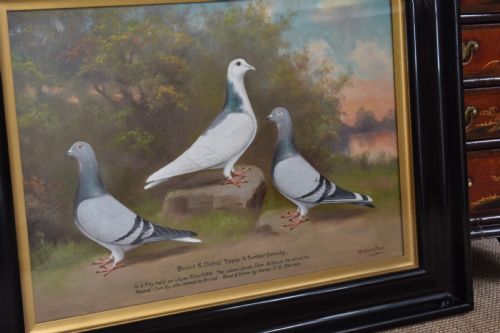
Buyers will also encounter related decorative objects alongside canvases, including painted wooden decoy ducks and pigeon figures used in field sports.
How they were made
Makers applied oil paint to stretched canvas or wooden panels, building up layers of pigment to render the glossy coats of horses and the textured plumage of game birds.
Many works retain their original giltwood and carved wood frames, often enhanced with gold leaf accents that complement the warm tones of the painted subjects.
Antique Sport Painting Retail Price Guide 2026
Typical asking prices for sport painting among the pieces listed under this phrase on Sellingantiques today, from the lower quarter to the upper quarter. They describe what is for sale here now, not the wider market.
Listings span the Victorian and Edwardian eras, predominantly featuring oil on canvas alongside painted wood decoys and watercolours.
What varies in quality
The standard of a painting rests upon the artist's command of animal anatomy, movement and proportion, distinguishing lifelike studies of horses and hounds from rigid compositions.
Depth of background detail and the handling of light across open landscapes separate accomplished academic works from simpler regional pieces.
Charles Bilger Spalding·Henry Barraud·Philip H Rideout·Edmund Bristow·Edward Armfield·George Sydney Shepherd·Thomas Smythe·Fred Fitzpatrick·George Rankin
The Antique Sport Painting Glossary
- Decoy
- A carved and painted wooden or glass object fashioned to resemble a bird or animal, utilised to attract game during field sports.
- Giltwood
- Wood that has been coated with a thin layer of gold leaf, frequently forming the ornate frames surrounding Victorian canvases.
- Equestrian
- Pertaining to horses, describing portraits of racehorses, hunters, and carriage teams set within pastoral or stable environments.
- Provenance
- The documented history of a piece's ownership and origin, confirming its passage through known collections and estates.
Antique Sport Painting: Frequently Asked Questions
What subjects appear in these paintings?
The canvases depict horses, hunting dogs, game birds and rural coaching scenes from the nineteenth and early twentieth centuries.
Subjects range from formal equine portraits of named racehorses to lively action scenes of hounds on the scent.
How do I date a canvas?
Dating relies on stylistic clues within the clothing, architecture and tack, alongside signatures and recorded artist working dates.
Frame construction and canvas stamps further help narrow the decade of production.
Where should I hang an oil painting?
These works suit traditional panelled rooms or study walls where the rich earth tones and gilt frames complement period interiors.
Avoid placing canvases in direct sunlight to protect the oil pigments over time.
What is a decoy used for?
Wooden decoy ducks and pigeons were placed in fields or waterways by sportsmen to lure live birds within range.
Today these carved objects function purely as decorative folk art sculptures.