



Antique Spirit Tumbler Glass
These antique spirit tumbler glass pieces are robust drinking vessels designed for drams and spirits, offering a tactile piece of drinking history.
Antique Spirit Tumbler Glass
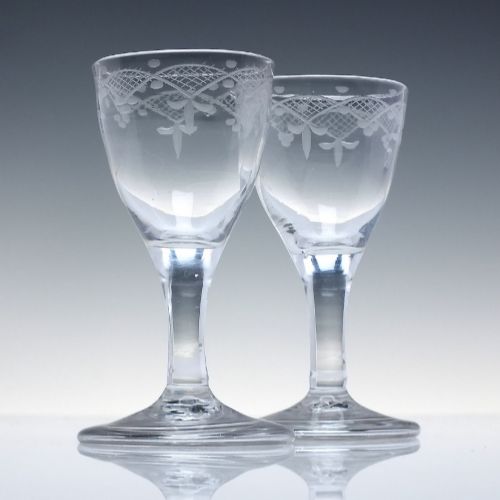
An antique spirit tumbler glass is a sturdy drinking vessel designed for whisky, gin, and other spirits, originating from periods spanning the eighteenth century through the twentieth century. You will most frequently encounter nineteenth-century Victorian examples, alongside Georgian dram glasses and early twentieth-century sets.
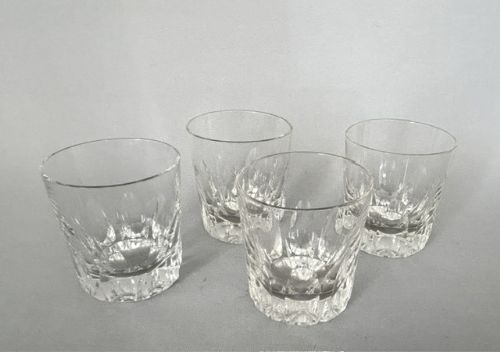
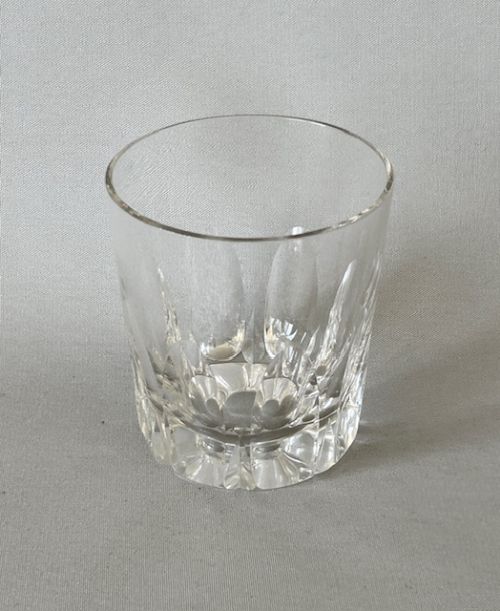
The forms range from simple clear glass beakers and weighty lead crystal whisky tumblers to novelty designs, including silver-mounted pieces and decanter sets with matching glasses. These items served a practical function in domestic bars and dining rooms, bridging formal hospitality and casual drinking.
How they were made
Many of these vessels begin as hand-blown glass or lead glass, shaped by skilled artisans before the application of decorative techniques. Makers utilised lead crystal and clear glass, often enhancing the surface through wheel-cutting, etching, or hand enamelling.
Certain pieces incorporate sterling silver mounts or take playful novelty forms, requiring specialist silversmithing alongside traditional glassblowing. Folded feet and polished pontil marks frequently evidence the manual labour involved in their creation.
Antique Spirit Tumbler Glass Retail Price Guide 2026
Typical asking prices for spirit tumbler glass among the pieces listed under this phrase on Sellingantiques today, from the lower quarter to the upper quarter. They describe what is for sale here now, not the wider market.
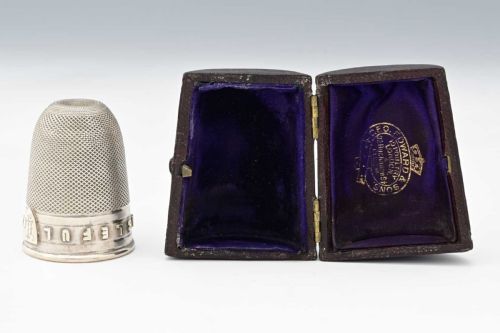
One nineteenth-century silversmith shaped a drinking vessel entirely as a giant sewing thimble inscribed with just a thimbleful.
What varies in quality
The distinction between standard domestic items and finer examples rests upon the clarity of the metal and the crispness of any cut or etched decoration. Superior lead crystal displays a heavy, resonant feel in the hand and a brilliant refractive quality.
The integrity of matching sets and the presence of undamaged rims and bases heavily influence the desirability of a piece. Novelty elements, such as silver thimble forms or intricate hand-enamelled Art Deco patterns, demand precise execution to command attention.
Karl Palda
The Antique Spirit Tumbler Glass Glossary
- Lead crystal
- A type of glass containing metallic oxide that increases weight, brilliance, and resonance. This material allows for deeper and sharper cutting by the glass cutter.
- Pontil mark
- A rough scar left on the base of a blown glass vessel where the holding rod was snapped off. It is typically ground smooth on better quality pieces.
- Folded foot
- A rim turned under during manufacture to provide extra stability and strength at the base. This technique is frequently seen on eighteenth-century dram glasses.
- Dram glass
- A small historical drinking vessel specifically proportioned for a single measure of spirits. They often feature thick bases to withstand regular tavern or home use.
- Enamelling
- The application of melted glass powders to the surface of a vessel for decoration. Firing fuses the colours permanently to the glass body.
Antique Spirit Tumbler Glass: Frequently Asked Questions
What is a spirit tumbler?
A spirit tumbler is a small, flat-bottomed drinking glass designed specifically for serving neat spirits like whisky or gin.
Unlike tall drinking glasses, these vessels are compact and heavy in the hand, allowing for a comfortable grip during social drinking.
How do I date an old tumbler?
Dating relies on observing manufacturing traits such as pontil marks, glass clarity, and stylistic cues from periods like the Georgian era or Victorian times.
Heavy cut lead crystal often points to the nineteenth century, while folded feet and delicate etching typically suggest eighteenth-century origins.
Are these glasses safe to use?
Most antique drinking glasses remain structurally sound for occasional use with cold beverages.
However, hand washing is essential to preserve fragile glass, antique silver mounts, and historical enamelling from harsh detergents.
Why do some tumblers have heavy bases?
A heavy base provided stability on uneven wooden tables and prevented the vessel from tipping easily.
This practical design choice also added a satisfying heft to the glass when raised for a toast.