



Antique Spindle Cabinet
An antique spindle cabinet brings turned wooden framing and timber depth to a room, offering practical storage with decorative character.
Antique Spindle Cabinet
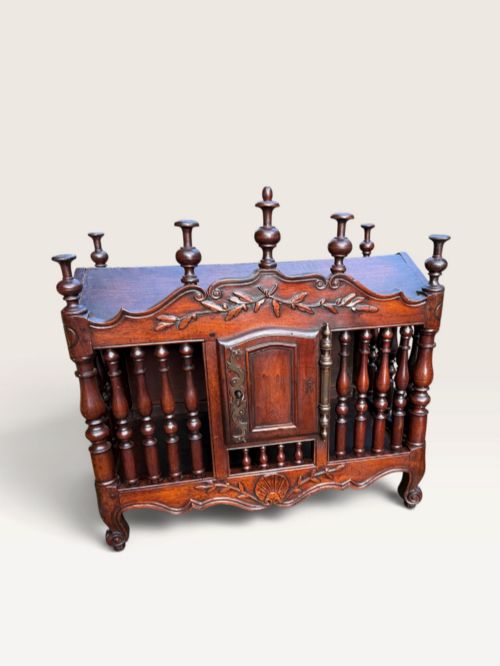
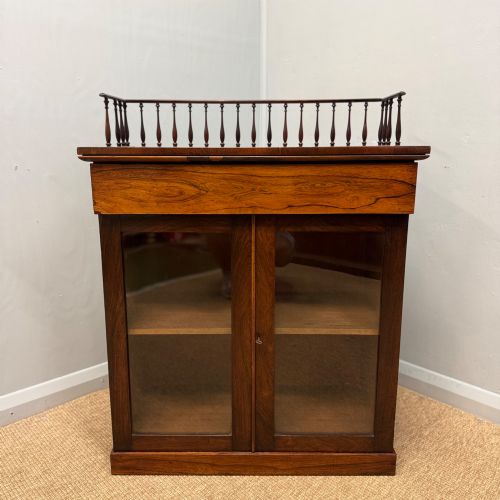
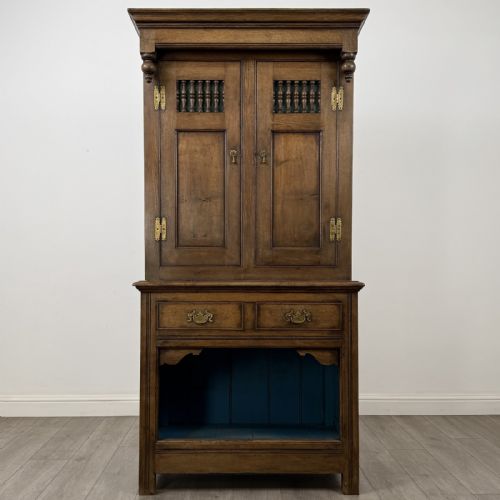
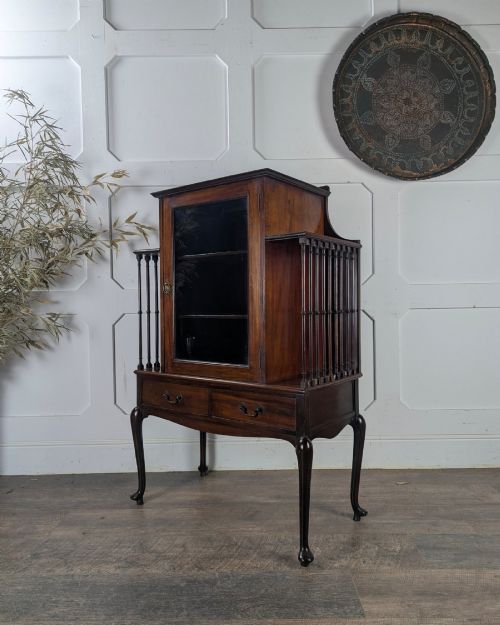
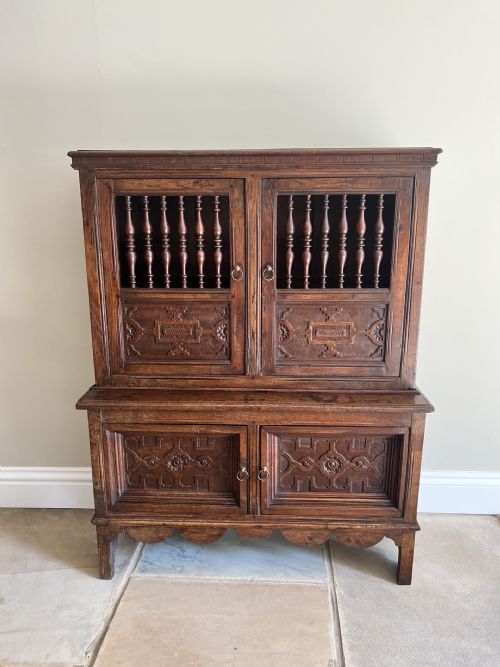
An antique spindle cabinet encompasses a diverse range of cupboards, wall units, and display pieces defined by turned wooden elements and period timber construction. Buyers searching this phrase encounter variations stretching from 18th-century French food cupboards and panetières to Victorian and early 20th-century walnut and oak cabinets.
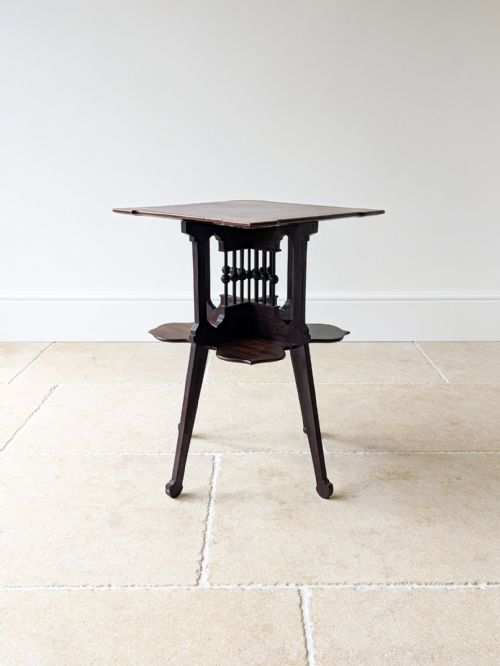
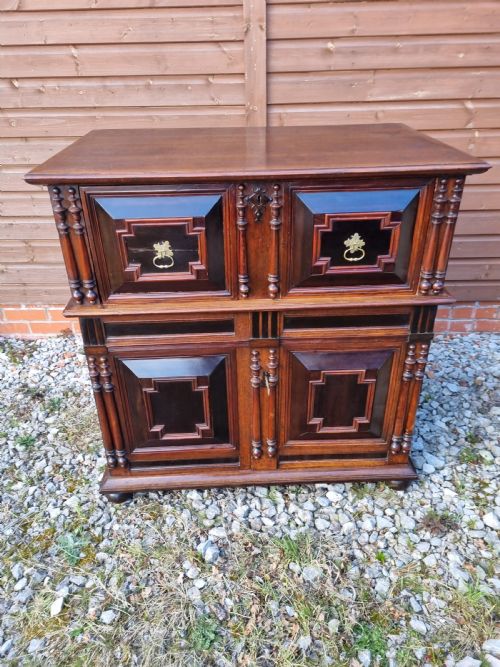
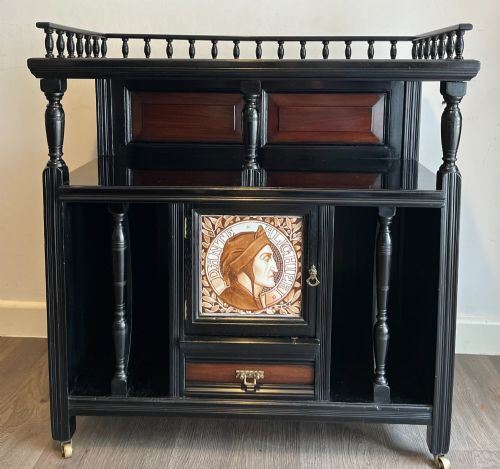
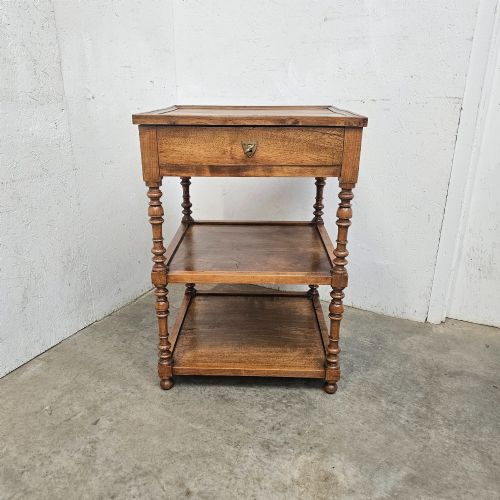
The selection on this page leans heavily into Victorian and 19th-century forms, alongside earlier oak and walnut iterations. Pieces incorporate turned legs, carved pillar panels, and spindle galleries, reflecting styles from the Aesthetic Movement to Arts and Crafts and Jacobean Revival.
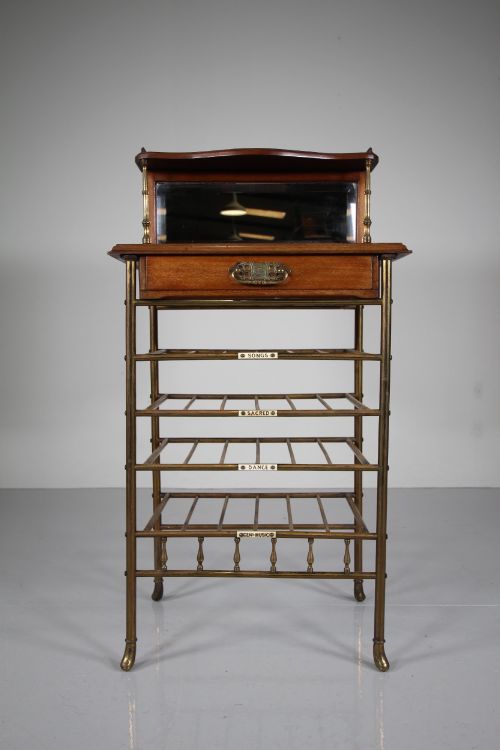
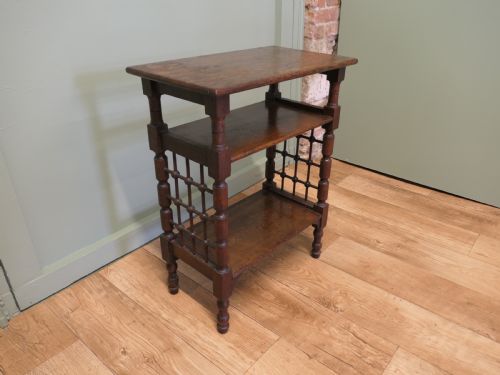
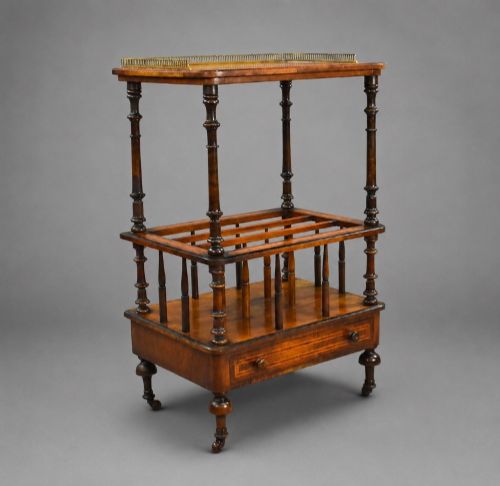
Form follows function across these listings, spanning bedside cabinets, music display cabinets, wall cabinets, and whatnots. Walnut and oak dominate the material palette, often enhanced with brass hardware, glass panels, and mirror backs.
What varies in quality
The distinction between tiers rests upon timber selection and the crispness of the turning and carving. Dense, well-figured walnut or quarter-sawn oak combined with precise joinery elevates a piece above standard utility furniture.
Design complexity and maker attribution further influence standing within the range. Pieces bearing stamps from notable firms or displaying unusual configurations like integrated panetiere piercing and gilt highlights command closer attention.
Antique Spindle Cabinet Retail Price Guide 2026
Typical asking prices for spindle cabinet among the pieces listed under this phrase on Sellingantiques today, from the lower quarter to the upper quarter. They describe what is for sale here now, not the wider market.
Several pieces are constructed from repurposed bed frames, turning rustic French sleeping quarters into kitchen storage.
Heals·Lambs of Manchester·Leonard Wyburd·Liberty of London
The Antique Spindle Cabinet Glossary
- Spindle
- A turned wooden rod of circular cross-section, often slender and tapered, used in rows to form galleries or decorative panels.
- Panetiere
- A traditional French freestanding or wall-mounted food cupboard or bread safe featuring ventilated spindle or pierced sides.
- Canterbury
- A low, compartmentalized stand originally designed for holding sheet music, books, or folios, frequently fitted with castors and drawers.
- Whatnot
- A set of open display shelves supported by slender columns or pillars, used for holding decorative objects.
- Purdonium
- A specialised coal cabinet or box designed to hold fuel for a fireplace, often housed in a decorative timber enclosure.
Antique Spindle Cabinet: Frequently Asked Questions
What is a panetiere?
A panetiere is a traditional French food cupboard or bread safe featuring ventilated sides made from turned spindles or carved grilles. These pieces originated in regions like Provence and Brittany to store loaves away from household pests.
Over time, these functional agricultural cupboards evolved into decorative display pieces within homes, prized today for their intricate woodwork and regional French character.
How do I use a whatnot?
A whatnot serves as an open tier of display shelves supported by slender pillars, suited for books, ceramics, and ornaments. They work effectively in corners or against walls where floor space is limited.
The open shelving structure allows light to pass through, making them practical for smaller rooms that require vertical storage without heavy visual bulk.
Where were these cabinets made?
The pieces span English workshops, French provincial centres like Brittany and Provence, and Spanish origins. English examples often reflect Victorian, Edwardian, and Arts and Crafts aesthetics.
Continental pieces bring distinct regional traditions, utilising local walnut and oak alongside characteristic turning styles and pierced ventilation panels.
How do I identify Victorian pieces?
Victorian cabinets typically feature dense timbers such as burr walnut, mahogany, and ebonised finishes. They often incorporate decorative elements like mirror backs, brass hardware, and intricate inlay.
Stylistic cues draw from historical revivals and the Aesthetic Movement, producing darker wood tones and structured turned components.