



Antique Spindle Bed
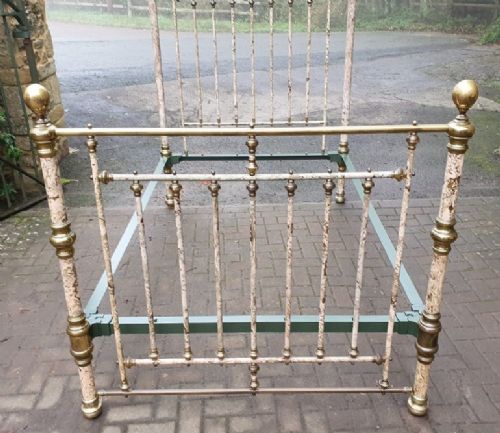
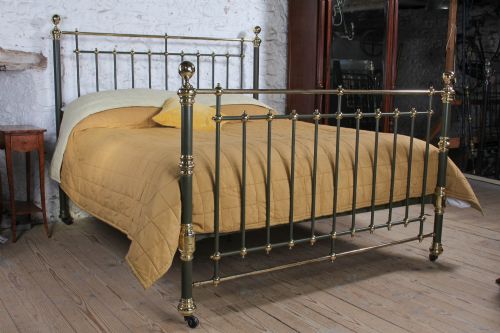
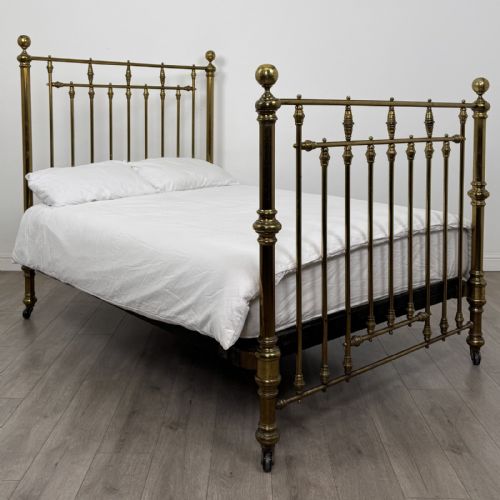
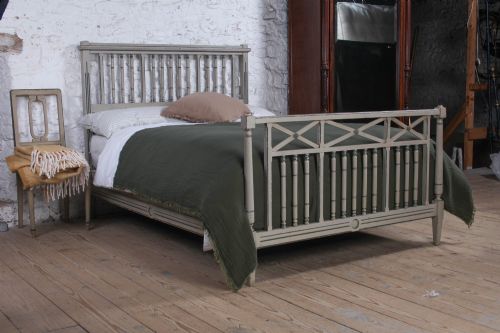
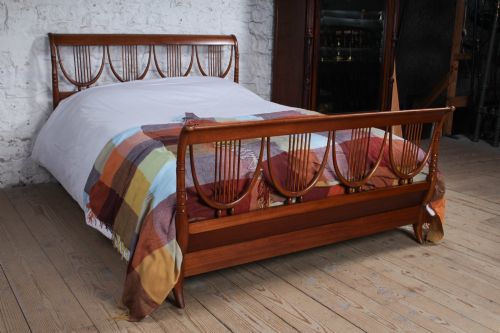
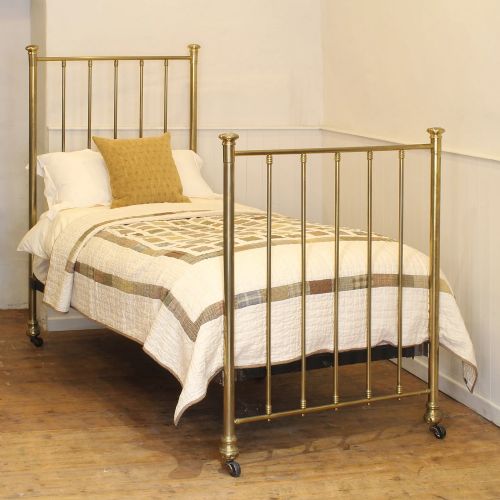
An antique spindle bed brings warmth to a bedroom through turned wooden uprights or slender metal uprights that frame the sleeping space.
Antique Spindle Bed
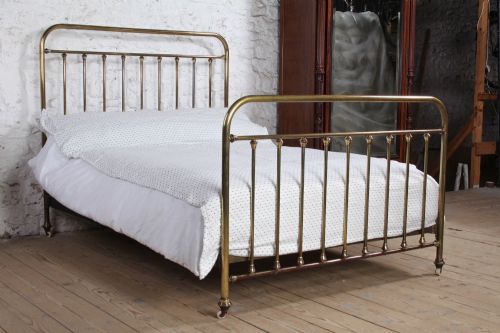
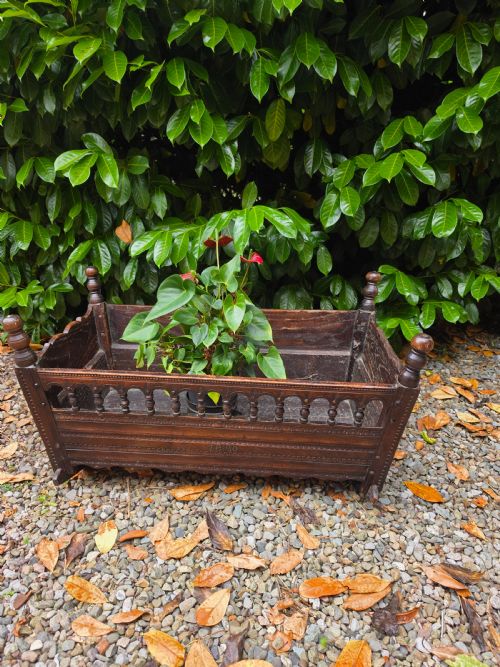
An antique spindle bed encompasses turned wooden frames, cast iron frameworks, and gleaming brass bedsteads from periods ranging from the seventeenth century to the early twentieth century. When exploring this category, you encounter sturdy double bedsteads, king size frames, and children's beds alongside related forms such as oak cradles and day beds.
The nineteenth century and the Edwardian era provide many of the standard metal and wood examples found here, often displaying straight rails, decorative finials, and symmetrical uprights. French provincial models and American Federal tiger maple variants also appear, showing how different regions interpreted the form.
Beyond standard bed frames, the category stretches to include historic enclosed sleeping furniture like Breton lit-clos cupboards and upholstered day bed sofas. These diverse pieces share a reliance on vertical turned elements or slender rods to define their structural silhouette.
Materials and construction methods
Makers utilised solid timbers such as oak, fruitwood, pine, mahogany, chestnut, and tiger maple for wooden variants, shaping components with traditional turning lathes. Metal versions relied on cast iron, wrought iron, and brass, often combining heavy structural iron with polished brass details and finials.
Joinery techniques varied by period, from seventeenth-century pegged framing in fruitwood and oak to nineteenth-century metal casting and brass assembly. Surface decoration included marquetry in Edwardian examples and traditional regional carving on Breton folk art furniture.
Antique Spindle Bed Retail Price Guide 2026
Typical asking prices for spindle bed among the pieces listed under this phrase on Sellingantiques today, from the lower quarter to the upper quarter. They describe what is for sale here now, not the wider market.
Listings feature periods spanning from the seventeenth century through the Victorian and Edwardian eras, utilising brass, cast iron, oak, and tiger maple.
Distinguishing quality in the range
Quality rests upon the crispness of the turning on wooden spindles and the substantial weight of the brass or iron components used in the frame. Superior examples display balanced proportions, secure joints, and well-cast metal details that remain firm under daily use.
The choice of timber creates a distinct separation in value, with figured woods like tiger maple or rich fruitwood standing apart from standard pine. Finer pieces maintain original surface patination and retain all matching finials and rails without awkward modern alterations.
The Antique Spindle Bed Glossary
- Spindle bed
- A bed frame featuring vertical turned wooden rods or slender metal uprights in the headboard and footboard. These uprights provide structural support while creating an open, airy appearance.
- Finial
- A decorative terminal ornament positioned at the top corners or posts of a bedstead. They provide a polished endpoint to metal or wooden uprights.
- Lit-clos
- A traditional enclosed box bed originating from Brittany, often built into cabinetry with panelled doors or sliding openings. These pieces represent a distinct regional form of sleeping accommodation.
- Tiger maple
- A distinctively figured maple wood displaying horizontal dark stripes that resemble tiger stripes. It was favoured by American Federal cabinetmakers for high-status furniture.
- Bobbin day bed
- A daytime resting form decorated with turned bobbin or spool mouldings along the wooden frame. The motif echoes the shape of thread bobbins linked end to end.
Antique Spindle Bed: Frequently Asked Questions
How do I choose the right size antique bed?
Review the internal mattress dimensions given in the listing rather than relying solely on period terminology like double or king size. Historic sizing standards often differ from modern mattress dimensions.
Ensure your chosen frame accommodates contemporary bases or custom mattresses where necessary, as older metal and wooden beds can feature non-standard widths or lengths.
Are metal antique beds sturdy enough for daily use?
Victorian and Edwardian brass and iron frames utilise heavy cast components designed to support substantial weight over decades of domestic service. Their robust metal rails and bolted joints typically offer dependable structural integrity.
Check that side rails remain straight and fixing points align correctly to ensure the assembled frame stays rigid and square on your floor.
How do I date a wooden spindle bed?
Examine the timber species, tool marks, and assembly methods to determine the period of manufacture. Seventeenth-century pieces often show hand- split oak and pegged joinery, while nineteenth-century frames utilise machine-turned components and standardised fixings.
Consider the prevailing style of the turnings and any regional decorative motifs, such as Breton folk art carvings or American Federal tiger maple figuring, which point to specific eras.
Can I use standard bedding with an antique bed?
Many nineteenth and twentieth-century frames accept standard modern mattress sizes, particularly double and king size variants from the Victorian and Edwardian periods. However, older or regional pieces may require custom-made mattresses to fit unusual internal dimensions.
Consider adding a supportive modern slat system or slatted base that sits discreetly within the antique side rails to support your mattress properly.